Ursodiol (Ursodeoxycholic Acid) – Patient Guide (Australia)
Ursodiol is a medicine used to help certain types of bile-related problems, particularly specific gallbladder and bile-duct conditions. If you’ve been prescribed or recommended Ursodiol, this guide explains how it works, when to take it, what to expect, and the key safety and interaction considerations—written for patients in Australia.
1) Basic product information
Generic name: Ursodiol (also known as ursodeoxycholic acid or UDCA)
What it is: A naturally occurring bile acid used as a medicinal supplement to improve bile flow and reduce bile-related harm.
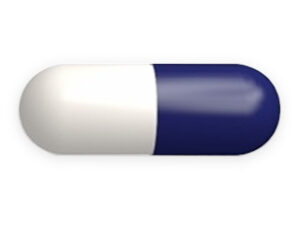
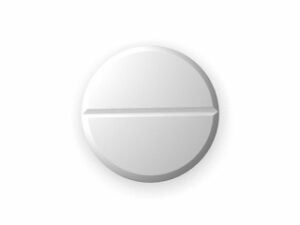
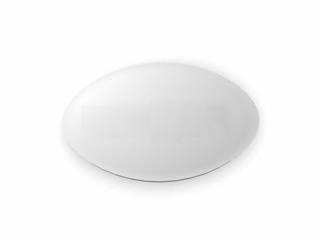
Common form: Tablets or capsules (brand names and strengths may vary by product).
How it is supplied: Available through pharmacies; availability may depend on local supply and formulation.
| Feature | What to know |
|---|---|
| Medication class | Bile acid / choleretic (improves bile composition and flow) |
| Typical duration | Often months for gallstone dissolution or long-term for chronic bile disorders |
| Most common goal | Reduce cholesterol gallstones and/or protect bile ducts from damage |
| Monitoring | May include blood tests (e.g., liver enzymes, bilirubin) and imaging |
2) How Ursodiol works (mechanism of action)
Ursodiol is a “hydrophilic” (water-favourable) bile acid. In people with certain bile disorders, the bile contains harmful proportions of bile acids that can irritate and injure the liver and bile ducts. Ursodiol helps by:
- Improving bile composition: It reduces the proportion of more harmful bile acids and increases the share of less toxic bile acids.
- Protecting cells: It may make bile less irritating to the lining of the bile ducts and liver cells.
- Supporting bile flow: Ursodiol can promote more favourable bile flow and reduce cholestasis (impaired bile flow).
- Helping gallstone dissolution (in selected cases): It can gradually dissolve certain cholesterol-rich gallstones by reducing cholesterol saturation in bile.
Important: Ursodiol does not dissolve all gallstones. It works best for cholesterol gallstones under specific conditions.
3) Pharmacokinetics (how the body handles Ursodiol)
“Pharmacokinetics” describes absorption, distribution, metabolism, and elimination.
- Absorption: Ursodiol is absorbed in the small intestine. Uptake can vary between individuals.
- Transport and action in bile: After absorption, it circulates and is taken up by the liver, then secreted into bile.
- Metabolism: In the intestines, gut bacteria can modify bile acids. This affects the overall bile acid profile.
- Elimination: Ursodiol and its bile acid metabolites are eliminated mainly via the digestive tract (through bile).
- Time to benefit: For gallstone dissolution, benefits typically take months. For chronic bile disorders, improvement in blood tests and symptoms can occur over weeks to months.
4) Typical uses (indications)
Ursodiol is commonly used for conditions involving bile composition and gallstones. Indications can vary based on product labeling and clinical guidelines.
Commonly used for:
- Cholesterol gallstones: Particularly small, radiolucent (not clearly visible on X-ray) gallstones in patients who are suitable for non-surgical treatment.
- Primary biliary conditions (chronic bile-duct disease): To improve liver function tests and delay progression in some long-term bile disorders.
- Other bile-related disorders: Depending on the clinical scenario and physician assessment.
Not suitable for: People with pigment stones, calcified stones, or gallbladder issues that make dissolution unlikely may not benefit. Ursodiol should be used according to clinical advice and imaging findings.
5) When and how to take Ursodiol (timing and administration)
Correct timing helps ensure consistent absorption and bile acid effects.
General timing guidance
- Usually taken with meals (unless your clinician or product instructions specify otherwise).
- Follow your dosing schedule exactly, spacing doses evenly across the day if prescribed multiple times daily.
Practical administration tips
- Swallow whole with water. Do not crush or open unless your product instructions allow it.
- Consistency matters: taking it around the same times daily can help you remember and keep effects steady.
- If you miss a dose: take it when you remember on the same day. If it is close to the next dose, skip the missed dose and continue as normal. Avoid doubling doses.
6) Food interactions and meal considerations
Food can help absorption. Many patients are advised to take Ursodiol with meals because bile secretion and digestive activity increase after eating, supporting the drug’s action in bile.
Diet and bile health
- Maintain a balanced diet and avoid rapid changes in weight, which may influence gallstone risk.
- If you have gallbladder issues, your clinician may recommend a specific dietary approach.
Note: There are no specific “must avoid” foods for most people, but consistency and taking with meals as advised is important.
7) Alcohol and medicine interactions
Alcohol
- General advice: If you have liver or bile-duct disease, limiting alcohol is usually recommended.
- Alcohol may worsen liver strain and can make monitoring liver tests more complicated.
Interactions with medicines
Ursodiol can interact with medicines that affect bile acids, cholesterol absorption, or intestinal binding of bile acids.
Common interaction areas to discuss with your pharmacist
- Bile acid sequestrants (cholestyramine, colestipol): These can bind bile acids in the gut and reduce Ursodiol absorption.
- Cholesterol-lowering medicines: Some treatments may alter bile composition; your prescriber may monitor response.
- Hormones (e.g., oestrogens) and some medicines that may affect cholesterol: They may influence bile cholesterol saturation, which can reduce gallstone dissolution likelihood.
- Antacids and other GI medications: Interactions are not always predictable; timing separation may be needed for certain products.
Always check: Provide a list of all medicines, supplements, and herbal products to your pharmacist. If you begin or stop any medicine, ask whether your Ursodiol timing should change.
8) Dosing (typical dose ranges and approach)
Dose depends on the indication, your weight, age, and how your liver/bile markers respond. Product strengths vary, so always follow the exact instructions on your prescription or label and confirm with your pharmacist if unsure.
General dosing principles
- Take exactly as directed by your healthcare professional.
- Do not change your dose without medical advice, especially for long-term liver conditions.
- Long-term use is common; benefits may require sustained treatment.
Typical adult dosing (guideline-level overview)
While specific dosing should be confirmed with your clinician or product label, Ursodiol dosing is often calculated based on the condition and sometimes body weight. Your healthcare team may adjust the dose after lab results.
| Condition (general) | How dosing is often approached |
|---|---|
| Cholesterol gallstones | Usually an individualized daily dose, often divided into 1–2 doses and taken with meals; treatment may continue for months depending on imaging results. |
| Chronic bile-duct conditions | Commonly a weight-based or condition-specific daily dose, divided across the day; ongoing monitoring guides adjustments. |
Children and pregnancy/breastfeeding: Dosing in paediatric patients and use during pregnancy or breastfeeding should be assessed by a healthcare professional. If relevant to you, ask your pharmacist about safety and monitoring.
9) Safety profile and side effects
Like all medicines, Ursodiol can cause side effects. Many people tolerate it well, but it’s important to know what to watch for.
Common side effects
- Gastrointestinal symptoms: mild diarrhoea, loose stools, nausea, or abdominal discomfort.
- Headache: sometimes reported.
Less common but important reactions
- Worsening symptoms: If itching, jaundice, or abdominal pain increases, seek medical advice.
- Allergic-type reactions (rare): rash, swelling, breathing difficulties, or severe dizziness require urgent care.
When to seek urgent help
- Severe allergic reaction symptoms (e.g., swelling of face/lips, wheezing, severe rash)
- Severe or persistent vomiting, severe abdominal pain, or signs of significant illness
- New or worsening jaundice (yellow eyes/skin), dark urine, or pale stools
Who should use extra caution
- People with advanced liver disease should be monitored closely.
- People with gallbladder obstruction, frequent infections, or complications may not be appropriate candidates.
- Anyone with a history of drug allergies or multiple medication interactions.
10) Practical use tips (making treatment easier)
- Set reminders: Use phone alarms or a medication organiser, especially if taking multiple doses daily.
- Take with meals: If you forget and remember later, don’t double up—check the timing guidance from your pharmacist.
- Keep track of symptoms: Record itching, pain, or changes in bowel habits, especially during the first few months.
- Plan for monitoring: Liver blood tests and imaging (for gallstones) may be scheduled. Attending appointments helps measure whether Ursodiol is working.
- Adhere consistently: For gallstone dissolution, irregular use can reduce effectiveness.
11) What to expect (response and monitoring)
For gallstones
- Slow effect: Dissolution can take many months.
- Imaging confirmation: Ultrasound or other scans may be used to check stone size and bile characteristics.
- Not guaranteed: Some gallstones do not dissolve or may recur after stopping.
For chronic bile disorders
- Lab improvements: Liver enzymes and bilirubin may improve gradually.
- Symptom change: Itching and fatigue may improve, but response varies.
- Ongoing care: Ursodiol is often one part of long-term management.
12) Alternative options
Whether alternatives are appropriate depends on your diagnosis and severity. Below are common alternative approaches discussed in clinical practice.
For cholesterol gallstones
- Surgery (e.g., cholecystectomy) is a common definitive treatment for many gallstone cases.
- Watchful waiting may be appropriate in select mild, asymptomatic cases.
- Other bile-related therapies are less frequently used; Ursodiol is a main non-surgical option in selected patients.
For chronic bile-duct disorders
- Specialist-led medical management may include other medicines depending on the exact condition.
- Symptom-directed treatments (for itching or nutrition) may also be used alongside bile therapy.
- Regular monitoring is often central to long-term management.
Talk to your pharmacist or doctor before switching therapies, especially if you’ve been stable on Ursodiol.
13) Market and legal context for Australia
Ursodiol products are regulated under Australian medicines requirements. Availability can vary by brand, strength, and supply arrangements. In Australia, online pharmacy services generally follow applicable laws and standards relating to:
- Product identification (correct active ingredient, strength, and dosage form)
- Packaging and labelling (patient information and expiry details)
- Supply chain integrity (appropriate sourcing and storage)
- Pharmacist review (where required by relevant frameworks)
If you’re ordering online, ensure the product name, strength, and form match what your healthcare professional recommended. If you have questions about suitability, ask a pharmacist before you start.
14) Recent guidance and practical updates (what matters to patients)
Clinical practice continues to emphasise that:
- Ursodiol works best for selected bile disorders—not every gallstone type or bile-duct situation will respond.
- Monitoring is key: liver blood tests and imaging guide ongoing use.
- Medication reconciliation reduces risk: interactions (especially with bile-acid binding agents) can affect effectiveness.
- Adherence improves outcomes: consistent dosing supports more predictable response over time.
Because guidance can evolve based on new clinical evidence and local protocols, it’s wise to follow the advice of your healthcare team and ask pharmacists about the latest recommendations relevant to your condition.
15) Delivery and availability (Australia)
Online pharmacies in Australia commonly deliver medicines to eligible areas, using standard courier networks and safe packing practices. Delivery times can vary depending on location, stock availability, and the courier service used.
What to check when ordering
- Product strength and formulation: confirm the exact dose per tablet/capsule.
- Quantity: choose a pack size that supports your dosing schedule.
- Expiry date: ensure the supply is within acceptable shelf-life.
- Delivery timeframe: verify estimated delivery days at checkout.
Cold chain: Ursodiol products are generally stored at controlled room temperatures. Follow the storage instructions on the pack.
16) FAQ about Ursodiol
1) How long does Ursodiol take to work?
It depends on the reason you’re taking it. For cholesterol gallstones, improvement can take months and is assessed with follow-up imaging. For chronic bile disorders, blood test improvements may take weeks to months.
2) Can Ursodiol dissolve all gallstones?
No. Ursodiol is mainly useful for cholesterol gallstones that meet specific criteria on imaging. Pigment stones, heavily calcified stones, or certain complex gallbladder problems are less likely to dissolve.
3) Should I take Ursodiol with food?
Many patients are advised to take Ursodiol with meals. This supports bile secretion and may improve effectiveness. Follow the dosing instructions on your product or your healthcare provider’s advice.
4) What if I miss a dose?
If you remember later the same day, take it then. If it’s near the next dose, skip the missed one and resume your regular schedule. Don’t take extra doses to make up for a missed dose.
5) Are there foods I must avoid?
There are typically no strict food exclusions for Ursodiol. However, maintaining a stable, balanced diet and avoiding rapid weight changes can be helpful—particularly in gallstone-related care.
6) Can I drink alcohol while taking Ursodiol?
If you have liver or bile-duct disease, it’s generally best to limit alcohol. Alcohol may worsen liver strain and complicate monitoring. Ask your pharmacist if alcohol is safe for your specific condition.
7) What medicines should I be careful with?
Medicines that bind bile acids (e.g., cholestyramine/colestipol) can reduce Ursodiol absorption. Always tell your pharmacist about all medicines and supplements so they can advise on spacing and interaction risk.
8) What side effects are most common?
The most common are mild gastrointestinal effects such as diarrhoea, loose stools, nausea, or abdominal discomfort.
9) When should I stop and get medical help?
Seek urgent care for signs of allergic reaction (e.g., swelling, breathing difficulty) or severe/persistent symptoms such as worsening jaundice or severe abdominal pain.
10) Is Ursodiol safe for long-term use?
Ursodiol is commonly used long-term for some chronic bile disorders. Safety and effectiveness are supported by monitoring and follow-up with your healthcare team.
11) Does Ursodiol affect driving or operating machinery?
Ursodiol is not generally associated with impairing alertness. If you feel unwell, dizzy, or have symptoms after taking it, avoid driving until you feel well again.
12) Can Ursodiol be used during pregnancy or breastfeeding?
Use in pregnancy and breastfeeding should be discussed with a healthcare professional who can weigh benefits and risks for your condition.
Disclaimer: This guide is general information for patients. It does not replace advice from a healthcare professional. If you have questions about whether Ursodiol is suitable for your situation, the correct dose, or interactions with your medicines, speak with your pharmacist.