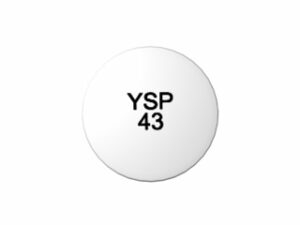
Reglan (Metoclopramide) — Patient Information
Reglan is a brand of metoclopramide, a medicine used to help control nausea and vomiting and to improve stomach emptying. It works in the brain and the gastrointestinal (GI) tract to reduce troublesome symptoms such as vomiting, feeling sick, or a “slow stomach.”
This guide is written to be patient-friendly and is suitable for an online pharmacy website in Australia. It provides an overview of how Reglan works, when it’s used, how to take it, key safety considerations, and frequently asked questions.
1. Basic Product Information
- Active ingredient: Metoclopramide
- Brand example: Reglan
- Medicine type: Dopamine receptor antagonist / prokinetic antiemetic
- Common forms: Tablets and oral solution are commonly used; injectable forms may be used in clinical settings.
- Therapeutic areas: Nausea and vomiting, gastroparesis and other conditions with delayed gastric emptying
Important: Brand formulations and strengths can differ. Always check the product label or pharmacy instructions for the exact dose and form you have.
2. How Reglan Works (Mechanism of Action)
Metoclopramide helps symptoms of nausea and vomiting through two main actions:
- Blocks dopamine (D2) receptors in the brain: This reduces the signals that trigger nausea and vomiting.
- Enhances GI movement: Metoclopramide increases stomach muscle activity and supports coordinated movement through the upper digestive tract. This can improve gastric emptying and reduce symptoms associated with a slow stomach.
Because it acts on both the brain and the gut, Reglan can be helpful when nausea and vomiting are linked to delayed stomach emptying (and in some other medically selected situations).
3. Pharmacokinetics (How the Body Handles Metoclopramide)
Pharmacokinetics describe absorption, distribution, metabolism, and elimination.
- Absorption: Metoclopramide is absorbed after oral dosing, with onset often occurring within about 30–60 minutes (though timing can vary by individual and dose).
- Distribution: It distributes through the body tissues; it can also cross into the brain, which is part of why it can cause central nervous system side effects.
- Metabolism: The liver metabolises metoclopramide to varying degrees.
- Elimination: The medicine is removed from the body mainly by the kidneys (urinary elimination), so kidney function can affect exposure.
Kidney or liver impairment: Dose adjustments may be needed in some patients. Your pharmacist or doctor can advise based on your health profile.
4. Typical Use in Australia (Indications)
In Australia, metoclopramide may be used for medically appropriate conditions such as:
- Nausea and vomiting: In selected patients when an appropriate antiemetic is required.
- Gastroparesis and delayed gastric emptying: To improve symptoms related to slow stomach emptying (e.g., persistent nausea, vomiting, early satiety).
- Other conditions under clinical assessment: Some uses depend on the individual’s diagnosis and risk profile.
Note: The exact indications and eligibility can vary depending on local guidance, the specific product, and patient factors such as age and risk of neurologic side effects.
5. When to Take It (Timing & Practical Scheduling)
The timing of Reglan can depend on the reason for use and your clinician’s instructions.
- For nausea/vomiting: Take at the prescribed times, which may be scheduled before meals or when symptoms are expected—follow your instructions closely.
- For delayed gastric emptying: Many patients benefit from dosing that supports GI motility around mealtimes; your pharmacist can help map the schedule to your day.
- Do not take more often or at higher doses than directed.
If you miss a dose: Take it when you remember, unless it is close to the next scheduled dose. Do not double up.
6. Food Interactions & Diet Considerations
Metoclopramide can generally be taken with or without food, but food may affect how quickly symptoms improve for some people.
- Food: Taking with meals may help some people tolerate the medicine and may align better with symptoms of delayed gastric emptying.
- Hydration: If you are vomiting or have reduced intake, focus on hydration strategies advised by your clinician (e.g., small frequent sips, oral rehydration solutions where appropriate).
Gastrointestinal illness: If you have ongoing vomiting, severe abdominal pain, blood in vomit, black/tarry stools, or signs of dehydration, seek medical advice promptly.
7. Alcohol & Medicine Interactions
Alcohol
Alcohol can increase side effects such as dizziness, drowsiness, and impaired concentration. It may also make nausea worse in some people. For safety, it’s generally recommended to avoid alcohol while taking Reglan, or at least keep alcohol to a minimum and monitor how you feel.
Medicine interactions
Metoclopramide can interact with several types of medicines. Always share your full medication list with your pharmacist, including:
- Other medicines that affect the brain: Sedatives, hypnotics, some antidepressants/antipsychotics, and other dopamine-related medicines may increase risk of neurological side effects.
- Anticholinergic medicines: These may reduce GI effects and can oppose prokinetic action.
- Levodopa: Metoclopramide can counteract the effect of levodopa in Parkinson’s disease.
- QT-prolonging medicines: Some drugs can affect heart rhythm. Combining medicines that increase QT risk may be problematic.
- Strong CYP2D6 inhibitors or other interacting drugs: These can alter metoclopramide levels in the body (the exact relevance depends on your regimen).
Herbal and OTC products: Include any herbal supplements and over-the-counter products in your discussion, especially products for nausea, motion sickness, sleep, or anxiety.
Driving & machinery: If Reglan makes you feel drowsy, dizzy, or affects your coordination, avoid driving or operating machinery.
8. Dosing (General Guidance)
Because doses depend on age, the condition being treated, kidney function, and form (tablet vs solution), always follow your pharmacist’s instructions or the specific product label.
Below is general information that may help you understand typical dosing patterns:
- Adults: Reglan dosing is usually prescribed in divided doses across the day.
- Children and adolescents: Use in children is more restricted due to risk of neurologic side effects. Dosing and suitability must be determined by a clinician.
- Duration: Metoclopramide is generally used for the shortest time possible at the lowest effective dose, due to the risk of movement disorders with longer use.
- Renal impairment: Dose frequency may need adjustment if kidney function is reduced.
Do not exceed the recommended dose, and do not continue beyond the timeframe advised. If symptoms persist, speak to your pharmacist or clinician to reassess the cause and treatment plan.
9. Safety Profile (Important Risks & When to Seek Help)
Like all medicines, metoclopramide can cause side effects. Many patients tolerate it well when used appropriately, but it has important safety considerations—particularly for neurologic side effects.
Common side effects
- Headache
- Dizziness
- Diarrhoea or constipation
- Fatigue or sleepiness
- Restlessness
Serious or urgent side effects (seek medical advice promptly)
Contact a healthcare professional urgently or seek emergency help if you experience:
- Uncontrolled muscle movements (e.g., facial grimacing, spasms) or tremor
- Symptoms of a serious movement disorder such as stiffness, fever, severe agitation, or abnormal movements
- Signs of an allergic reaction: swelling of the face/lips, rash, difficulty breathing
- Fainting, severe palpitations, or chest discomfort (especially if you have known heart rhythm issues)
- Persistent severe drowsiness, confusion, or unusual behaviour changes
Risk of movement disorders (Tardive dyskinesia and acute extrapyramidal reactions)
Metoclopramide can rarely cause:
- Acute extrapyramidal symptoms (often early in treatment)
- Tardive dyskinesia (usually associated with longer-term use)
For this reason, treatment is usually limited to the shortest effective duration and closely monitored, especially in higher-risk populations.
Who needs extra caution?
Extra caution may be needed if you have:
- A history of movement disorders or adverse reactions to dopamine antagonists
- Parkinson’s disease or similar neurologic conditions
- Kidney impairment
- Heart rhythm concerns or risk factors for QT prolongation
- Are taking interacting medicines that raise risk of side effects
10. Practical Use Tips (How to Get the Best Outcomes)
- Use the lowest effective dose and shortest duration: This reduces risk of longer-term neurologic effects.
- Keep a symptom diary: Note when nausea starts, when you take the medicine, and whether it helps. This can guide adjustments.
- Monitor for unusual movements: At the start of treatment, be alert for early symptoms such as restlessness, jaw tightness, or involuntary movements.
- Don’t share your medicine: Metoclopramide is not a “one-size-fits-all” anti-nausea option.
- Stay hydrated: If you’re vomiting, try small sips regularly unless you’ve been told otherwise.
- Review your medicines regularly: Your pharmacist can check for interactions, including OTC and herbal products.
11. Alternative Options (Depending on the Cause of Nausea)
Because nausea and vomiting can be caused by many different conditions, alternatives depend on the underlying diagnosis and your medical history. Common categories include:
- Other antiemetics: Depending on suitability, your clinician may choose a different medicine to target nausea.
- Antihistamines for motion-related nausea: Useful for some types of nausea, but not all.
- Gastrointestinal acid suppression: If reflux or gastritis contributes, acid-reducing treatments may help.
- Non-medication strategies: Small frequent meals, avoiding trigger foods, hydration, and lifestyle adjustments.
Speak to your pharmacist if you’re not getting relief or if your symptoms persist, to ensure the cause is properly assessed.
12. Market & Legal Context for Australia (General Overview)
In Australia, the availability and prescribing requirements for medicines like metoclopramide can differ based on the form, strength, and local regulatory classification. Pharmacies follow Australian regulatory rules for safe dispensing, including assessment for suitability and safe use.
Pharmacist involvement: Pharmacists can advise on:
- Correct dose and timing for your form of Reglan
- Interaction checks with your current medicines
- Risk screening for contraindications and safety issues
- What to do if symptoms worsen or do not improve
Quality and safety: Patients should purchase medicines from licensed Australian pharmacy channels to ensure authenticity and appropriate packaging/labeling.
13. Recent Guidance & Monitoring Considerations
Across many countries, healthcare guidance emphasises that metoclopramide should be used cautiously and typically for the shortest possible time, because of the risk of movement-related side effects. Australian clinicians and pharmacists generally focus on:
- Appropriate selection of patients (e.g., avoiding use in situations where risks are higher)
- Clear duration limits and reassessment if symptoms persist
- Monitoring for neurologic symptoms, particularly early in therapy
- Careful dosing in renal impairment
If you’re already taking metoclopramide, it’s reasonable to ask your pharmacist whether your duration and dose remain appropriate for your current situation.
14. Delivery & Availability (Online Pharmacy Information)
Reglan (metoclopramide) availability can vary by pharmacy stock and the specific form/strength. When ordering online through an Australian pharmacy, your order may be fulfilled from local stock or through permitted distribution channels.
Delivery considerations:
- Delivery time depends on location and shipping service levels.
- Some areas may have different dispatch schedules due to courier networks.
- Cold-chain requirements are not typically required for Reglan products (unless your specific product indicates otherwise).
Package check: On arrival, confirm that the product name, strength, form, and expiry date match what you ordered. If something is unclear, contact the pharmacy before use.
15. FAQ — Reglan (Metoclopramide)
How fast does Reglan work?
Many people notice improvement within about an hour after taking a dose, though response time can vary depending on the cause of nausea and how quickly the stomach is moving.
Can I take Reglan with food?
Yes, it is often taken with or without food. If nausea is linked to meals, taking it around mealtimes may be helpful—follow your pharmacist’s instructions.
What should I do if it doesn’t help?
If symptoms persist, worsen, or you can’t keep fluids down, speak with your pharmacist or clinician promptly. Ongoing vomiting can have serious causes and may require assessment rather than repeated doses.
Who should avoid Reglan?
Suitability depends on your health history, age, and other medicines. Extra caution is needed for people with conditions that increase neurologic risk or for those taking interacting drugs. Ask your pharmacist to review your specific situation.
Is Reglan safe for long-term use?
Metoclopramide is generally recommended for the shortest time possible at the lowest effective dose, because risks (especially movement disorders) can increase with longer use.
Can children take metoclopramide?
Use in children is restricted and should be determined by a healthcare professional with careful consideration of risk and dosing.
Can I drive after taking Reglan?
If you feel dizzy, drowsy, or unusual, avoid driving or operating machinery. Everyone’s reaction is different—monitor how you feel after the first doses.
Does Reglan interact with antidepressants or antipsychotics?
Potential interactions exist, particularly with medicines that affect dopamine pathways, sedation, or heart rhythm. Always provide a complete list of medicines to your pharmacist for an interaction check.
Can I drink alcohol while taking Reglan?
It’s generally best to avoid alcohol as it may increase dizziness and drowsiness and can worsen nausea for some people.
Summary
Reglan (metoclopramide) is used to treat nausea and vomiting and to help improve symptoms related to delayed stomach emptying. It works by blocking dopamine receptors and enhancing coordinated GI movement. While it can be effective, it has important safety considerations, particularly potential neurologic side effects. For best results and safety, use the lowest effective dose for the shortest time, be aware of possible interactions (including alcohol), and seek advice if symptoms persist or you develop concerning side effects.
Need help choosing the right option? Contact your pharmacist for tailored guidance based on your symptoms, age, and current medications.