Pentasa (Mesalazine / Mesalamine) — Patient Information (Australia)
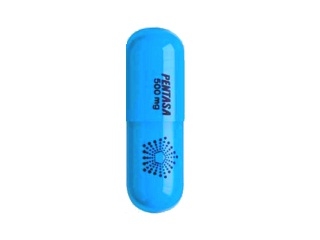
Pentasa is a medicine containing mesalazine (also called mesalamine). It is used to treat inflammatory bowel diseases (IBD), particularly ulcerative colitis and Crohn’s disease affecting the bowel in certain patterns. This page explains how Pentasa works, how it’s used, what to expect, and important safety information.
This information is for general guidance and education. Always follow the instructions provided with your specific product and any advice from your healthcare professional.
Quick Facts
- Active ingredient: Mesalazine (mesalamine)
- Common uses: Ulcerative colitis and Crohn’s disease (selected cases)
- How it’s taken: Swallowed tablets/granules designed for release in the gut
- Where it acts: Primarily within the intestinal lining
- Time to effect: Some symptom relief may begin within days, but full benefit can take weeks
Basic Product Information
Pentasa is a branded form of mesalazine. Mesalazine is an anti-inflammatory medicine used to reduce inflammation in the bowel.
| Category | Details |
|---|---|
| Medicine name | Pentasa (mesalazine / mesalamine) |
| Therapeutic group | 5-aminosalicylic acid (5-ASA) anti-inflammatory |
| Formulations | Oral preparations designed for release in the bowel (varies by strength and country supply) |
| Typical use | Induction and/or maintenance of remission in IBD (depending on disease and formulation) |
| Where available | Available through Australian pharmacy channels |
How Pentasa Works (Mechanism of Action)
Pentasa contains mesalazine, a drug related to aspirin-like compounds that reduces inflammation in the intestinal mucosa. While the exact mechanism is complex, mesalazine is thought to:
- Reduce inflammation locally in the colon and/or parts of the small intestine by acting within the bowel wall.
- Modulate immune signalling involved in IBD-related inflammation.
- Lower production of inflammatory mediators (such as certain prostaglandins and leukotrienes) in the intestinal lining.
- Act as an antioxidant that may help limit damaging effects of oxidative stress.
Because Pentasa works mainly where inflammation occurs, it is designed to deliver mesalazine to the bowel in a controlled way.
Pharmacokinetics (What the Body Does With It)
“Pharmacokinetics” describes how the body absorbs, distributes, metabolises, and eliminates a medicine. With Pentasa, the goal is local effect in the gut.
- Absorption: Mesalazine is partly absorbed from the gastrointestinal tract, while much of its action is local in the bowel lining.
- Distribution: A portion of mesalazine and its metabolites can be detected systemically, but the primary target is the intestinal mucosa.
- Metabolism: Mesalazine is metabolised mainly to N-acetyl-5-aminosalicylic acid (N-acetyl-5-ASA), particularly in the intestinal wall and liver.
- Excretion: Mesalazine and its metabolites are eliminated primarily via the kidneys (urine), with small amounts via other routes.
Your dosing schedule and formulation influence how much active medicine reaches different parts of the bowel. If you have kidney disease or reduced kidney function, monitoring may be recommended by your doctor.
Typical Use in Australia
Pentasa is commonly used in Australia for people with inflammatory bowel diseases. It may be used to:
- Treat flare-ups (induce remission)
- Help maintain remission (prevent relapse)
- Reduce inflammation in conditions where mesalazine is appropriate based on disease location and severity
Your healthcare professional will match the medicine to your specific IBD type, disease location, and symptom pattern. Different 5-ASA products have different release characteristics, which can affect where in the bowel they work.
Indications (When Pentasa Is Used)
Pentasa (mesalazine) is indicated for inflammatory bowel disease under clinical guidance. In practice, it is used for:
- Ulcerative colitis (mild to moderate flares and/or maintenance of remission depending on the regimen)
- Crohn’s disease (selected cases, depending on bowel involvement and clinician assessment)
If you are unsure whether Pentasa is intended for your specific diagnosis or symptom pattern, ask your pharmacist or treating clinician.
Dosing — How to Take Pentasa
Dose depends on the condition being treated, disease severity, and your response to therapy. Follow the dosing directions on your product packaging or as advised by your healthcare professional.
General guidance
- Consistency matters: Take Pentasa at the same times each day to maintain steady exposure.
- Do not change dose suddenly: If you feel better, you should not stop without advice, especially when using it for maintenance.
- Swallow whole when required: Some formulations should not be crushed or chewed. Always check the instruction specific to your product.
Timing within the day
Many patients take Pentasa once or multiple times daily depending on the formulation and prescribed plan. If your regimen is divided into doses, spacing them evenly through the day may improve convenience and adherence.
Missed dose
- If you miss a dose, take it when you remember if it is not close to the next dose.
- If you are near the next scheduled dose, skip the missed dose and continue as normal.
- Do not double up unless specifically instructed.
If you regularly miss doses, consider speaking with your pharmacist about strategies to help you stay on track.
When Will It Start Working? (Expected Timing)
Response can vary by person and by whether you are treating an active flare or preventing future relapse. In many cases:
- Early changes: Some improvement may be noticed within a few days.
- Clinical benefit: Full effect often takes several weeks.
- Maintenance: Benefits are greatest when taken regularly even when symptoms improve.
If you do not notice any improvement within the timeframe discussed by your clinician—or if symptoms worsen—seek medical advice.
Food Interactions and Dietary Considerations
Pentasa can generally be taken with or without food, but adherence and consistent timing help. Some people find symptoms or nausea are better controlled when doses are taken with food.
Practical tips
- Take with water: Swallow as directed and drink a glass of water unless your clinician advises otherwise.
- Maintain routine: Taking it at the same time each day may reduce missed doses.
- Watch for intolerance: If you notice stomach discomfort after doses, talk to your pharmacist about timing or administration tips.
Avoid using food restrictions to “test” the medicine; if you have concerns, discuss them with a healthcare professional.
Alcohol and Medicine Interactions
Moderate alcohol intake is not known to directly interact in a typical way with mesalazine, but IBD symptoms can be affected by alcohol. Alcohol may worsen diarrhoea, abdominal pain, dehydration, and reflux in some people.
General safety approach
- Limit alcohol if you notice it triggers flare symptoms.
- Hydrate well if you choose to drink alcohol.
- Be cautious with other medicines (see below) because some treatments used in IBD may increase the risk of side effects when combined with alcohol.
Interaction with other medicines
Pentasa has potential interaction considerations mainly related to kidney function and other medications that may affect renal health. Discuss your full medicine list with a pharmacist, including:
- Non-steroidal anti-inflammatory drugs (NSAIDs) (e.g., ibuprofen, naproxen)
- Medicines that affect the kidneys or blood flow to the kidneys
- Immunosuppressive medicines used for IBD (if applicable)
- Any recent antibiotics or changes to your medication plan
If you’re taking other IBD medicines such as corticosteroids, immunomodulators, or biologic therapies, your clinician will guide how they work together.
Safety Profile — Who Should Be Extra Cautious?
Like all medicines, Pentasa can cause side effects. Many people experience no or mild effects, but you should be aware of possible reactions and warning signs.
Common side effects
- Nausea or upset stomach
- Headache
- Diarrhoea (may also reflect your underlying condition, so track changes)
- Abdominal discomfort
- Rash
Serious side effects (seek urgent advice)
Contact a healthcare professional promptly if you develop:
- Severe allergic reactions (swelling of face/lips, wheezing, difficulty breathing)
- Signs of kidney problems such as reduced urination, unusual swelling, or persistent flank pain
- Significant blood problems (unusual bruising, infections that don’t improve, marked tiredness)
- Severe or persistent rash, blistering, or skin peeling
- Fever with rash or feeling very unwell
Monitoring
Because mesalazine can occasionally affect kidney function and other lab parameters, your clinician may recommend:
- Regular blood tests (e.g., kidney function and full blood count as appropriate)
- Urine tests if indicated
- More frequent monitoring if you have existing kidney disease, older age, or other risk factors
Who should discuss Pentasa carefully
- Anyone with known kidney impairment
- People with a history of mesalazine intolerance or severe drug allergy
- Those with prior severe adverse reactions to similar anti-inflammatory medicines
- Pregnant or breastfeeding individuals (the risk/benefit depends on disease control and clinician assessment)
Practical Use Tips (Getting the Best Results)
1) Take it regularly, even when you feel well
For maintenance, Pentasa helps keep inflammation under control. Stopping suddenly can increase the likelihood of relapse. If you’re considering stopping or changing, do so only with clinical guidance.
2) Keep a symptom diary
Track bowel movements, urgency, blood in stool, abdominal pain, fever, and overall wellbeing. This can help your healthcare team assess response and decide whether the dose or plan needs review.
3) Use gentle administration habits
- Use a routine: pair the dose with a consistent daily activity (breakfast/bedtime).
- Drink adequate water unless otherwise directed.
- If the formulation requires special swallowing instructions, follow them closely.
4) Know when to call for help
Seek advice if you experience fever, rash, severe abdominal pain, persistent worsening diarrhoea, or symptoms suggesting kidney problems. If symptoms suggest a flare, contact your clinician promptly so treatment can be adjusted early.
5) Don’t mix up 5-ASA brands and strengths
Different 5-ASA products can have different release properties. If you switch brands, confirm with your pharmacist that the new product provides the intended strength and regimen.
Alternative Options
Depending on your IBD type, severity, and previous response, your clinician may consider other treatments. Alternatives may include other 5-ASA formulations or classes of medications.
Within the 5-ASA family
- Other mesalazine/mesalamine formulations (different release profiles)
- Other 5-ASA medicines (selection depends on bowel involvement)
Other IBD medicine classes (examples)
- Corticosteroids for short-term flare control (not usually for long-term maintenance)
- Immunomodulators (for selected cases)
- Biologic therapies for moderate to severe disease or specific patterns
- Supportive therapies such as nutritional support and symptom-targeted treatments
Choice depends on factors such as disease location, current severity, past medicine history, lab results, and your preferences. Your pharmacist can help you understand options and differences between medicines.
Market & Legal Context for Australia (General Overview)
In Australia, the availability of medicines is regulated to ensure safety and appropriate use. Pentasa is supplied through pharmacy channels and must be handled according to Australian medicines scheduling and dispensing rules.
- Dispensing practices: Many IBD medicines are supplied under pharmacist supervision with guidance on use, monitoring, and suitability.
- Product information: Always check the consumer information or product label for your specific strength and formulation.
- Safety requirements: Medicines with potential systemic effects may require ongoing monitoring.
Pharmacy staff can assist with checking medicine history, counselling on administration, and identifying potential interactions. If you have questions about eligibility or how the medicine is supplied, contact the pharmacy supplying your product.
Recent Guidance and Clinical Considerations (Patient-Friendly Summary)
IBD treatment recommendations evolve as new evidence becomes available. In Australia and globally, clinicians commonly emphasise:
- Early treatment of flares to reduce complications and restore remission.
- Objective monitoring where appropriate (symptoms plus blood tests and sometimes stool or endoscopy findings).
- Adherence and ongoing maintenance for patients where maintenance therapy is recommended.
- Safety monitoring, particularly kidney-related checks for medicines in the 5-ASA class for appropriate patients.
- Individualised therapy based on disease extent, response, tolerance, and patient circumstances.
Your treating team may adjust therapy if you have persistent symptoms, recurrent relapses, or side effects. If you receive new guidance or lab results, ask your pharmacist to explain what it means for your Pentasa regimen.
Delivery and Availability (Online Pharmacy)
Pentasa may be supplied via online pharmacy services in Australia, depending on product availability and supply chain factors. Availability can vary by:
- Strength and formulation (e.g., differing release profiles and pack sizes)
- Stock levels at dispatch warehouses
- Regional delivery schedules
When ordering online, ensure you select the correct strength, formulation, and pack quantity matching your current plan. If you’re unsure, contact the pharmacy before placing an order.
Typical delivery times vary by location and courier arrangements. Your online order confirmation usually provides an estimated dispatch date and tracking details if available.
Storage and Handling
- Store at the recommended temperature on the package (commonly below 25°C, but follow your label).
- Keep in the original packaging to protect from moisture/light as directed.
- Keep out of reach of children.
- Check expiry date before use.
FAQ — Pentasa (Mesalazine / Mesalamine)
1) Is Pentasa the same as mesalazine or mesalamine?
Yes. Pentasa is a brand name that contains mesalazine, which is also referred to as mesalamine (spelling varies by region).
2) Can I take Pentasa if my symptoms improve?
If you’re prescribed Pentasa for maintenance, you generally continue even when symptoms improve. Stopping can increase the chance of relapse. Always confirm with your healthcare professional before changing your plan.
3) How quickly should I feel better?
Some people notice improvement within days, but full benefit often takes several weeks. If you do not improve as expected, or your symptoms worsen, seek medical advice.
4) Does Pentasa have to be taken with food?
Many people can take Pentasa with or without food. If your product label advises a particular approach, follow it. Taking it with food may help if you experience stomach upset.
5) What if I miss a dose?
Take it when you remember if it’s not close to the next dose. If it is close, skip the missed dose and continue normally. Do not double up unless instructed.
6) Are there alcohol interactions?
No specific direct interaction is commonly highlighted, but alcohol may worsen IBD symptoms in some people. If alcohol triggers diarrhoea or abdominal discomfort for you, it’s best to limit or avoid it.
7) Can I take pain relief like ibuprofen?
NSAIDs such as ibuprofen may be used by some people, but they can be a concern in certain patients and situations. Discuss any regular pain relief or planned NSAID use with a pharmacist, especially if you have kidney issues or active disease.
8) What monitoring might be needed?
Your clinician may monitor kidney function and blood tests depending on your risk factors and treatment duration. If you have symptoms such as reduced urination, swelling, fever, or unusual bruising, contact a healthcare professional promptly.
9) What if I get a rash or feel unwell after starting Pentasa?
Mild side effects can occur. However, seek prompt medical advice for severe rash, facial swelling, breathing problems, or feeling seriously unwell. Early assessment helps ensure safety.
10) Are there alternatives if I can’t tolerate Pentasa?
Alternatives may include different mesalazine formulations, other 5-ASA options, or non-5-ASA IBD treatments depending on your diagnosis and symptoms. A healthcare professional can guide the best choice for your situation.
Important Summary
Pentasa (mesalazine/mesalamine) is a locally acting anti-inflammatory medicine used for ulcerative colitis and certain cases of Crohn’s disease. It can help treat flares and maintain remission, typically improving symptoms over days to weeks. Follow your dosing instructions carefully, take it consistently, and be mindful of safety—especially kidney-related concerns.
If you have any questions about how to take Pentasa, possible interactions, or what to do if symptoms change, your pharmacist is a helpful starting point.