
Aciphex (Rabeprazole) – Patient Guide (Australia)
Aciphex contains rabeprazole, a medicine used to reduce stomach acid. It’s commonly used for conditions such as acid reflux (GORD) and heartburn, and to help heal certain stomach and duodenal ulcers. This guide explains how Aciphex works, how it’s used, what to expect, important safety information, and practical tips to get the best results.
Important: This information is general and may not cover every situation. If you have symptoms that are severe, worsening, or new (especially difficulty swallowing, bleeding, unexplained weight loss, or vomiting), seek medical advice promptly.
Basic product information
| Feature | Details |
|---|---|
| Medicine | Aciphex |
| Active ingredient | Rabeprazole |
| Drug class | Proton Pump Inhibitor (PPI) |
| Main effect | Reduces stomach acid production |
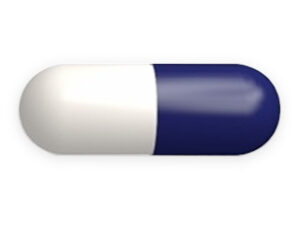
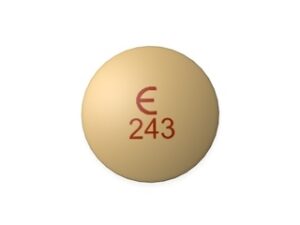
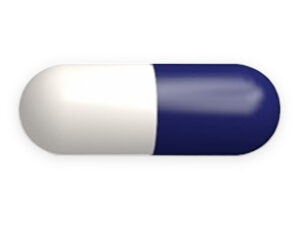
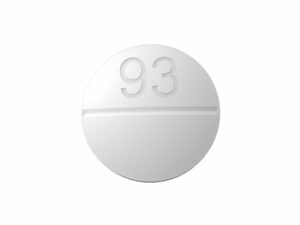
| Common forms | Oral tablets/capsules depending on local availability |
| Common strengths | Varies by product/market (check your pack) |
How Aciphex works (mechanism of action)
Rabeprazole is a proton pump inhibitor (PPI). It blocks the “proton pump” (also called the H+/K+-ATPase) in the stomach lining. This pump is responsible for the final step of acid production.
By reducing acid, Aciphex helps to:
- Allow damaged tissue from acid-related conditions to heal
- Reduce symptoms such as heartburn, acid regurgitation, and stomach discomfort
- Reduce the frequency and severity of reflux episodes
Onset of action: Many people feel symptom improvement within a few days, but for healing conditions such as erosive oesophagitis, consistent use as directed over weeks is often needed.
Pharmacokinetics (how the body handles rabeprazole)
“Pharmacokinetics” describes what happens after you take a dose—absorption, distribution, metabolism, and elimination.
- Absorption: Rabeprazole is absorbed from the gastrointestinal tract. Because it is designed to work in an acidic environment, timing around meals can matter for best effect.
- Peak effect: The highest blood levels typically occur within a few hours after dosing.
- Metabolism: The liver metabolises rabeprazole mainly through pathways involving drug-metabolising enzymes.
- Elimination: Metabolites are excreted primarily through urine and, to a lesser extent, other routes.
- Duration of acid suppression: PPIs have a lasting effect because they inactivate acid pumps in the stomach lining; therefore, they are usually taken once daily (or as directed) rather than every few hours.
Effect with repeated dosing: Acid suppression generally improves with regular dosing because more pumps are blocked across days.
Typical uses and indications
Aciphex may be used for several acid-related conditions. Indications can differ by local prescribing guidance and your specific diagnosis.
Common indications include:
- GORD (gastro-oesophageal reflux disease) including erosive oesophagitis
- Symptomatic reflux (heartburn and acid regurgitation)
- Peptic ulcer disease, including duodenal ulcers and gastric ulcers
- Maintenance therapy in some people with recurrent reflux/oesophagitis
- Helicobacter pylori (H. pylori) eradication regimens in combination with appropriate antibiotics (where recommended)
Note: For H. pylori treatment, rabeprazole is used as part of a combined regimen with antibiotics and/or other medicines selected by your clinician based on local resistance patterns and your medical history.
How to take Aciphex: timing and dosing
General timing guidance
- Most commonly: take Aciphex once daily in the morning, ideally before food.
- Why before food? Acid pumps are most active when you eat. Taking a PPI beforehand helps it reach its active form when the stomach is preparing for acid secretion.
- If you were told to take twice daily: follow the schedule provided, often with doses morning and evening before meals.
Typical dosing (examples)
Dose and duration depend on the condition, severity, and individual factors such as response and whether you are on combination therapy. Always follow your specific instructions from your healthcare professional.
| Condition | Typical approach | Duration (general) |
|---|---|---|
| GORD / reflux symptoms | Once daily in the morning before food | Often several weeks; reassessed based on response |
| Erosive oesophagitis (healing) | Once daily or as directed | Several weeks; may require longer course |
| Ulcers (gastric/duodenal) | Once daily | Typically weeks; may vary by ulcer type |
| H. pylori eradication (with antibiotics) | Rabeprazole as part of a combination regimen | Commonly a short course (e.g., 1–2 weeks) depending on regimen |
If you miss a dose
- Take it as soon as you remember unless it’s close to the time for your next dose.
- Do not take a double dose to make up for a missed dose.
Do not stop suddenly without advice
In many people, acid rebound can occur when PPIs are stopped abruptly—especially after long-term use. If your treatment is long term, ask a clinician or pharmacist about the safest plan for stepping down.
Food interactions: what to know
Rabeprazole is best taken before food. This supports more effective acid suppression during the day.
- Morning dose: take it before breakfast where possible.
- With food: taking a PPI with meals may reduce effectiveness for some people, especially for morning symptom control.
- Consistency matters: try to take it at the same time each day.
If you have a feeding schedule (e.g., night shift), discuss with your healthcare professional how best to align dosing with meals.
Alcohol and medicine interactions
Alcohol
Alcohol can worsen reflux symptoms in many people by relaxing the lower oesophageal sphincter and irritating the oesophagus and stomach lining. While alcohol is not always a direct “drug interaction” with rabeprazole, it may reduce symptom control.
- Consider limiting alcohol, especially if you have frequent heartburn or regurgitation.
- If you drink, spacing alcohol away from meals and bedtime may help symptoms.
Other medicines
Rabeprazole can interact with certain medicines, mainly because reduced stomach acid can affect how well some drugs are absorbed.
Tell your pharmacist or doctor if you take any of the following (this is not exhaustive):
- Medicines requiring an acidic environment for absorption (absorption may decrease with PPIs)
- Antiretrovirals (some have pH-dependent absorption)
- Antifungal medicines (e.g., ketoconazole and others where relevant)
- Some cancer medicines (pH-dependent absorption may apply)
- Warfarin (some PPIs may influence bleeding risk via changes in drug handling; monitoring may be needed)
- Clopidogrel (interaction considerations may apply with some PPIs; your clinician can advise which PPI is preferred)
- Magnesium- or iron-containing supplements (PPIs can affect absorption over time; spacing may be recommended)
Herbal and over-the-counter medicines: Include products such as St John’s wort, NSAIDs, and antacids when discussing interactions. Although antacids do not usually “cancel out” rabeprazole completely, they may change symptom patterns.
Safety profile: common side effects and when to seek help
Common side effects
Most people tolerate rabeprazole well. Possible side effects include:
- Headache
- Nausea
- Abdominal pain or discomfort
- Diarrhoea or constipation
- Gas (flatulence)
Less common but important risks
With PPIs, long-term use has been associated with certain risks. Your clinician can help decide the lowest effective dose and shortest duration needed.
- Vitamin and mineral concerns: Long-term PPI use may be associated with lower magnesium levels and, in some cases, reduced vitamin B12 absorption.
- Bone health: Some studies suggest an association between long-term PPI use and increased fracture risk, particularly in older adults or those with other risk factors.
- Infections: Reduced stomach acid may increase susceptibility to certain gastrointestinal infections.
- Kidney effects: Rare kidney inflammation has been reported with PPIs. Seek advice if you develop unusual swelling, reduced urine, or persistent symptoms.
Seek urgent medical help if
- Severe or persistent vomiting, especially if there is blood
- Black tarry stools or signs of bleeding
- Chest pain that could suggest a heart problem (get emergency care)
- Signs of an allergic reaction: facial swelling, rash, wheezing, or trouble breathing
Practical use tips for better results
- Take it consistently: a daily habit improves acid control.
- Before breakfast: if you’re on once-daily dosing, aim for 30–60 minutes before food (unless your prescriber advised otherwise).
- Use antacids correctly: antacids or alginate products may be used for breakthrough symptoms; ask a pharmacist about timing (often antacids can be taken for immediate relief between PPI doses).
- Avoid trigger habits: late-night meals, large fatty meals, and lying down soon after eating can worsen reflux.
- Elevate the head of your bed: may help nocturnal reflux.
- Track symptoms: if you’re not improving within the expected time, discuss review rather than increasing dose on your own.
- Review long-term therapy: if you’ve been on a PPI for months or years, ask for a review to confirm it’s still needed and at the lowest effective dose.
What to expect: effectiveness and duration
Many people notice symptom relief within a few days, but healing of reflux-related damage typically takes longer. If you have erosive oesophagitis, your clinician may recommend a full course even if symptoms improve early.
If symptoms return soon after stopping, it doesn’t always mean the medicine “failed”—it may reflect the chronic nature of reflux for some individuals. Your pharmacist or doctor can discuss step-down strategies or whether ongoing treatment is appropriate.
Alternative options for acid-related conditions
Depending on your diagnosis and risk factors, alternatives may include:
- Other PPIs: e.g., omeprazole, esomeprazole, pantoprazole, lansoprazole (selection depends on your symptoms, dosing plan, and interactions).
- H2-receptor antagonists (H2 blockers): e.g., famotidine. These can reduce acid but generally offer less potent or shorter-lasting control compared with PPIs.
- Antacids: provide fast, short-term relief for breakthrough heartburn.
- Alginate-based products: can form a physical barrier to reduce reflux episodes.
- Lifestyle modifications: weight management, avoiding trigger foods, reducing late meals, and head-of-bed elevation.
Which is best? The “best” option depends on severity, frequency, and whether you have complications such as erosive oesophagitis or ulcers. A pharmacist can help you compare options and guide safe use.
Aciphex in the Australian market: legal and availability context
In Australia, medicines containing rabeprazole are regulated under the national medicines framework. Availability may vary between brands, strengths, and whether they are listed on specific formularies or require clinician involvement.
Many acid-related medicines can be purchased through pharmacy channels, while higher-dose or longer-course therapies are typically managed through healthcare assessment. When ordering online, ensure:
- Your product is genuine and supplied from a reputable source
- The strength and directions match your intended use
Safety requirement: If you have red-flag symptoms (bleeding, difficulty swallowing, weight loss), you should not rely on self-treatment—seek medical advice.
Recent guidance and current best practice (general)
Current clinical practice generally focuses on:
- Using the lowest effective dose and reassessing the need for long-term therapy
- Confirming appropriate diagnosis for persistent symptoms
- Step-down strategies when symptoms are controlled
- Reviewing drug interactions for patients on multiple medications
- Ensuring H. pylori regimens use recommended combination therapy where indicated
Because guidance can evolve, your pharmacist may suggest reviewing your regimen periodically—especially for ongoing daily use.
Delivery, availability, and how to order online in Australia
Online pharmacies in Australia often provide delivery options for prescription and non-prescription medicines depending on regulation and the specific product. Availability of Aciphex (rabeprazole) can vary by stock levels and strength.
When ordering:
- Check the pack strength before checkout
- Verify dosing instructions match your plan
- Confirm delivery timeframes for your state/territory
- Store correctly (keep in a cool, dry place; follow pack instructions)
Cold chain not usually required: PPIs are typically stored at standard room temperatures. Always confirm storage instructions on your specific pack.
FAQ about Aciphex (Rabeprazole)
1) How long does Aciphex take to work?
Many people notice improvement within a few days. For healing conditions such as erosive oesophagitis or ulcers, symptom relief may take longer and a full course may be needed. If you don’t notice improvement after the expected time, speak with a clinician.
2) Should I take Aciphex with or without food?
Aciphex is usually taken before food, commonly in the morning before breakfast. If your directions differ, follow your pack or clinician instructions.
3) Can I take antacids on the same day?
Often yes. Antacids may be used for breakthrough symptoms. However, for best results, don’t replace Aciphex with antacids if you’ve been prescribed a course, and ask a pharmacist about spacing if you use multiple products.
4) What should I do if I drink alcohol?
Alcohol may worsen reflux symptoms. If you choose to drink, consider keeping amounts low and avoiding alcohol close to bedtime. Aciphex reduces acid, but it may not fully prevent reflux triggered by alcohol.
5) Are there any foods I should avoid?
Common triggers include spicy foods, tomato-based foods, citrus, fatty meals, chocolate, peppermint, caffeine, and late-night meals. Everyone’s triggers differ, so it can help to identify what affects you.
6) Can I take Aciphex long-term?
Some people require long-term therapy under medical review. Long-term use should be regularly reassessed to use the lowest effective dose and monitor for potential risks.
7) Does Aciphex affect absorption of other medicines?
Yes, it can. Because PPIs change stomach acidity, some medicines may not absorb as well. Tell your pharmacist about all medicines and supplements you take, including over-the-counter products.
8) What if I forget a dose?
Take it when you remember unless it’s near your next dose. Don’t double up.
9) Is rabeprazole the same as other PPIs?
They’re in the same class (PPIs) but differ slightly in potency, onset, and metabolism. If switching between PPIs, follow professional advice.
10) When should I stop and get medical help?
Stop using the product and seek medical help if you develop signs of serious allergy, bleeding, severe persistent pain, difficulty swallowing, or symptoms suggestive of a more serious condition.
Summary
Aciphex (rabeprazole) is a proton pump inhibitor that reduces stomach acid by blocking the final pathway of acid secretion. It’s widely used in Australia for conditions such as GORD and acid-related ulcers, and it may be part of H. pylori combination therapy. For best results, take it before food and use it consistently for the recommended duration. If you have persistent symptoms, red-flag signs, or you’re taking other medicines, consult your pharmacist or healthcare professional for personalised guidance.