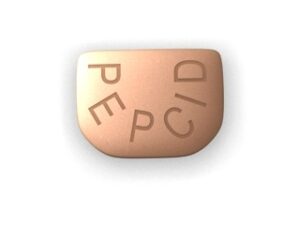


Omeprazole (e.g., omeprazole 20 mg & 40 mg) – Patient Information (Australia)
Omeprazole is a widely used medicine for reducing stomach acid. It belongs to the class of medicines called proton pump inhibitors (PPIs). In Australia, omeprazole may be available for purchase through community pharmacies depending on strength and product format, and some uses may also be supported by clinician guidance. This page provides clear, patient-friendly information to help you understand how omeprazole works, how to take it, what to expect, and important safety considerations.
Key product information
- Active ingredient: Omeprazole
- Medicine type: Proton pump inhibitor (PPI)
- Common strengths: 20 mg, 40 mg (varies by brand/product)
- How it works: Reduces acid production in the stomach
- Typical forms: Capsules/tablets (enteric-coated), delayed-release preparations
- Typical dosing times: Usually once daily, often 30–60 minutes before food
Brand names vary. Always check the label on your particular product for the exact strength and directions.
How omeprazole works (mechanism of action)
Omeprazole reduces stomach acid by blocking the proton pumps in specialised cells in the stomach lining (parietal cells). These pumps are responsible for the final step of acid secretion.
When you take omeprazole, it is absorbed and then activated in the acidic environment of the stomach. It binds to the proton pump and inhibits acid release. Because it targets the pumps that are actively working, omeprazole is generally most effective when taken before meals, allowing it to act on the pumps that will be stimulated by eating.
Pharmacokinetics (how the body handles omeprazole)
- Onset of action: Acid reduction can begin within hours, but maximum benefit for many conditions develops over several days.
- Time to effect: For symptom relief, some people notice improvement within the first day or two; complete control may take longer.
- Absorption: Omeprazole is typically enteric-coated/delayed-release, protecting it from stomach acid until it reaches absorption sites.
- Metabolism: It is broken down mainly in the liver by enzyme systems (particularly CYP2C19 and others).
- Elimination: Metabolites are removed from the body primarily via the kidneys and/or bile.
Individual response can vary. Some people metabolise omeprazole faster or slower than others, which may affect how quickly it works and how strongly.
Typical use and common indications
Omeprazole is used to treat conditions where reducing stomach acid helps relieve symptoms and allows the oesophagus or stomach lining to heal. Common indications include:
- Gastro-oesophageal reflux disease (GORD): Heartburn, acid reflux, or inflammation of the oesophagus
- Oesophagitis: Healing of inflammation due to reflux
- Gastric/duodenal ulcers: Treatment of ulcers caused or associated with acid-related damage
- Prevention of ulcer recurrence in certain situations (e.g., depending on risk factors)
- Helicobacter pylori (H. pylori) infection: Often as part of combination therapy (other medicines are used alongside)
- Zollinger–Ellison syndrome and other acid hypersecretory conditions (specialised use)
The exact indication, dosing strength, and duration depend on the diagnosis and severity. For ongoing or severe symptoms, it’s important to seek appropriate medical advice.
Timing: when to take omeprazole for best effect
Omeprazole works best when taken before meals because food stimulates acid secretion, and the medicine needs to be active in the stomach lining.
- Once daily dosing: Take 30–60 minutes before breakfast (or before your first meal of the day).
- If twice daily dosing is recommended: Take before breakfast and before dinner.
- If you forget a dose: Take it when you remember unless it is close to your next dose. Do not double up.
- Swallowing: Swallow whole with water. Do not crush or chew enteric-coated tablets/capsules unless the product instructions say otherwise.
If you are also using antacids or alginate-based products for breakthrough symptoms, they may offer quicker relief for occasional flare-ups, but follow the product directions and timing recommendations.
Food interactions
Food mainly affects when omeprazole should be taken rather than whether it can be taken with food. In general, taking omeprazole with or after food may reduce its effectiveness because fewer proton pumps are available at the right time.
- Recommended: Take before meals.
- Less ideal: Taking after eating (may lead to weaker symptom control).
- Alcohol with meals: Alcohol can worsen reflux for many people, even if omeprazole is taken correctly.
If your routine makes morning dosing difficult, talk with a pharmacist about a schedule that matches your meals.
Alcohol and medicine interactions
Alcohol
Alcohol does not typically have a direct, specific interaction with omeprazole, but it can:
- Increase the likelihood of heartburn and acid reflux
- Irritate the oesophagus in some people
- Worsen stomach irritation, particularly if you have gastritis or ulcers
For best comfort and symptom control, consider reducing or avoiding alcohol—especially if your reflux symptoms flare after drinking.
Medicine interactions (important)
Omeprazole can affect how some other medicines are absorbed or metabolised. Some interactions are clinically significant. Common interaction themes include:
- Medicines that depend on stomach acidity for absorption: Acid suppression can reduce absorption of certain drugs.
- Medicines metabolised by liver enzymes (CYP): Omeprazole can influence the activity of CYP enzymes.
Examples to discuss with a pharmacist:
- Clopidogrel: Reduced activation may occur with some PPIs in some patients. Your pharmacist can advise on whether an alternative approach is needed.
- Some antifungal medicines (e.g., that may rely on similar metabolic pathways).
- Some antiretroviral medicines (HIV treatments) may require review.
- Warfarin and other anticoagulants: Monitoring may be needed if you start or stop omeprazole.
- Medicines with pH-dependent absorption (varies by drug).
- Diazepam, phenytoin, and other drugs metabolised by CYP systems: Interactions may change levels in some individuals.
This is not an exhaustive list. Always provide your pharmacist with a complete list of: prescribed medicines, pharmacist-only medicines, supplements, herbal products, and any recent medicines you have taken.
Dosing: how much and how often
Dosing varies based on the condition being treated, your symptoms, and your response. The information below provides common patterns seen for omeprazole, but your product label and advice from a healthcare professional should guide your use.
| Condition (examples) | Typical omeprazole schedule | Notes |
|---|---|---|
| Heartburn / reflux symptoms (GORD) | Often once daily (commonly 20 mg) | Taken 30–60 minutes before breakfast; review if symptoms persist. |
| Reflux with oesophagitis or more severe symptoms | May be 20 mg to 40 mg once daily | Higher dose may be used if symptoms are not controlled. |
| Ulcer treatment | Often once daily (commonly 20–40 mg depending on condition) | Duration may be several weeks; follow the course recommended. |
| Maintenance or prevention (where appropriate) | Lowest effective dose (often 20 mg daily) | Long-term use may be considered in selected patients. |
| H. pylori combination therapy | Omeprazole combined with other medicines | Exact regimen depends on local guidelines and product pack instructions. |
| Acid hypersecretory conditions (e.g., Zollinger–Ellison) | Individualised dosing, sometimes higher doses | Requires specialist assessment and monitoring. |
Do not exceed the maximum daily dose stated on your specific product label. If symptoms are not improving after the recommended period, it’s important to get advice rather than simply increasing the dose on your own.
How quickly will it work?
- Reflux and heartburn: Many people feel some relief within 24–48 hours, but optimal control may take several days.
- Healing inflammation or ulcers: Healing typically requires a full course of treatment as directed.
- For frequent symptoms: Consistency with timing (before meals) is key.
Safety profile and when to seek help
Omeprazole is generally well tolerated when used correctly. However, like all medicines, it can cause side effects. Report any unusual or severe symptoms to a healthcare professional.
Common side effects
- Headache
- Nausea
- Diarrhoea or constipation
- Abdominal discomfort
- Bloating
Less common or serious risks (important)
- Allergic reactions: Seek urgent medical attention for swelling of face/lips, breathing difficulty, or severe rash.
- Severe diarrhoea: Persistent or severe diarrhoea can require assessment.
- Long-term use considerations: Long-term PPI use should be reviewed periodically to ensure the lowest effective dose and the ongoing need for treatment.
When PPIs are used for extended periods, clinicians may monitor for potential issues such as nutrient deficiencies or bone health in selected patients. Your pharmacist can advise what is relevant for your personal situation.
Red flags – get urgent medical advice
Stop self-managing and seek medical attention promptly if you have:
- Difficulty swallowing or pain on swallowing
- Vomiting blood or material that looks like coffee grounds
- Black, tarry stools
- Unintentional weight loss
- Persistent vomiting
- Chest pain that could be cardiac (especially if not typical reflux)
Practical use tips (to get the best results)
- Stick to the timing: Take it before breakfast (or your first meal) for maximum effect.
- Be consistent: Taking it irregularly can lead to incomplete symptom control.
- Don’t stop too early: If you are treating an inflammatory condition or ulcer, complete the recommended course.
- Use lifestyle measures: Avoid late-night meals, consider elevating the head of your bed if reflux is worse when lying down, and watch trigger foods.
- Track your symptoms: Note what triggers your heartburn (e.g., spicy foods, fatty meals, caffeine, alcohol) and whether symptoms improve after correct dosing.
- Check product instructions: Different brands/forms may have specific instructions (especially if there are special coatings).
If you need omeprazole regularly for ongoing symptoms, it’s a good idea to review your plan periodically with a pharmacist or doctor. Long-term acid suppression may be appropriate for some people, but the goal is always to use the lowest effective dose.
Alternative options for reflux and acid-related symptoms
If omeprazole is not suitable, not effective, or you need a different approach, there are several alternatives. The best choice depends on your diagnosis, symptom frequency, and any medicines you take.
Other acid-lowering medicines
- H2-receptor antagonists (e.g., famotidine): Can reduce acid and may help milder or intermittent symptoms.
- Antacids (e.g., aluminium/magnesium salts, calcium carbonate): Provide faster, short-term relief for breakthrough symptoms.
- Alginate-based products: Form a barrier that can reduce reflux symptoms after meals for some people.
- Other PPIs: Some people respond better to a different PPI (e.g., esomeprazole, lansoprazole, pantoprazole) depending on individual factors.
Lifestyle strategies that can help
- Avoid eating within 2–3 hours of bedtime
- Limit foods that trigger symptoms for you (common triggers include fatty meals, chocolate, peppermint, and caffeine)
- If overweight, gradual weight reduction may reduce reflux frequency
- Avoid tight clothing around the abdomen
Your pharmacist can help you compare options based on your symptoms and treatment goals.
Market and legal context in Australia
In Australia, access to medicines depends on the product formulation, dose, and the Therapeutic Goods and legislated scheduling requirements. Omeprazole may be supplied under different categories (including pharmacy-supplied options and prescription-only supply for some uses/strengths). Availability can vary between brands and pack sizes.
For online pharmacy supply, products offered are typically sourced through authorised channels and must comply with Australian regulatory requirements. Always ensure you choose the correct strength and follow the directions on the pack.
If you are unsure whether your symptoms fit a self-management approach or if you require a longer course, consult a healthcare professional. This is especially important if you have ongoing symptoms, frequent recurrence, or risk factors for complications.
Recent guidance and updates (general considerations)
Healthcare guidance for acid-related conditions commonly emphasises:
- Correct timing of PPIs before meals
- Lowest effective dose and reviewing the need for ongoing therapy
- Assessment for red flags (e.g., trouble swallowing, bleeding, weight loss)
- Recognising medication interactions (particularly for people taking anticoagulants or certain antiplatelet therapy)
- Confirming diagnoses when symptoms persist (to rule out other conditions)
Guidance may vary by clinical setting and evolving evidence. If you have questions about your personal situation, a pharmacist can provide product- and interaction-specific advice.
Delivery, availability, and how to order online
Omeprazole is commonly stocked by Australian pharmacies and may be available in multiple pack sizes and strengths depending on product. Delivery availability depends on the pharmacy provider and your location.
- Availability: Commonly available; if a specific brand/strength is out of stock, alternatives may be offered.
- Delivery: Typically home delivery within Australia; check the estimated delivery time at checkout.
- Packaging: Usually delivered in retail pharmacy packaging for safe identification and storage.
- Storage: Keep tablets/capsules in a cool, dry place away from moisture and direct sunlight. Store out of reach of children.
When ordering, confirm the strength you need (e.g., 20 mg vs 40 mg) and ensure the product is the correct formulation for delayed release.
FAQ – Omeprazole
1) Can I take omeprazole with food?
It’s best to take omeprazole 30–60 minutes before food. Taking it with or after meals may reduce how well it controls symptoms. If your routine makes pre-meal dosing difficult, speak to a pharmacist about timing options.
2) How long should I take omeprazole?
The duration depends on why you’re using it (reflux symptoms, oesophagitis, ulcer healing, or other conditions) and how severe your symptoms are. If symptoms persist despite the recommended trial period or you need it regularly, seek advice to ensure the diagnosis is correct and the plan is appropriate.
3) What should I do if I miss a dose?
Take it when you remember if it’s still some time before your next dose. If your next dose is close, skip the missed dose. Do not take two doses at once to make up for a missed dose.
4) Will omeprazole fix the cause of reflux?
Omeprazole reduces stomach acid and helps symptoms and healing. Reflux can have multiple contributors (diet, timing, body weight, pregnancy, and certain medical factors). Lifestyle changes may significantly improve control for many people.
5) Can I drink alcohol while taking omeprazole?
There is no universal prohibition, but alcohol can worsen reflux symptoms for many people. For best results, consider limiting or avoiding alcohol—especially if you notice a link between drinking and heartburn.
6) Are there interactions with other common medicines?
Yes, interactions can occur—particularly with medicines affected by stomach acidity or those metabolised by liver enzymes. Tell your pharmacist about all medicines and supplements you take, including anticoagulants, antiplatelet agents, antifungals, HIV medicines, and any herbal products.
7) Is omeprazole safe for long-term use?
Many people use PPIs for extended periods when needed, but long-term use should be reviewed periodically. Clinicians aim for the lowest effective dose and reassess whether ongoing treatment is necessary. If you have concerns, discuss them with a pharmacist.
8) What side effects should I watch for?
Common effects include headache, nausea, and bowel changes (diarrhoea or constipation). Seek medical advice promptly for severe or persistent diarrhoea, signs of allergy, or red-flag symptoms such as bleeding, black stools, trouble swallowing, or unexplained weight loss.
9) Can I take antacids together with omeprazole?
Often yes—antacids may be used for short-term breakthrough relief. However, timing matters and your pharmacist can advise on scheduling. For best results, follow product directions and avoid taking interfering medicines at the same time if instructed.
10) What if omeprazole doesn’t work?
If symptoms persist, it may be due to incorrect timing, an alternative diagnosis, severe reflux, adherence issues, or interactions with other medicines. Instead of increasing dose yourself, speak to a pharmacist or clinician for assessment and possible adjustment.
Important: This information is general and intended to support safe use. If you have questions about your specific condition, current medicines, or the best timing and duration, contact your pharmacist.