Dexilant® (dexlansoprazole) – Patient-Friendly Guide (Australia)
Dexilant® is a medicine used to reduce stomach acid. It contains dexlansoprazole, a type of medicine known as a proton pump inhibitor (PPI). Dexilant is often chosen for conditions such as reflux symptoms (including heartburn) and for helping heal inflammation in the oesophagus.
This guide is written to help you understand how Dexilant works, how and when to take it, what to watch for, and how it may interact with foods and other medicines. Always follow the directions from your healthcare professional and read the consumer medicine information (CMI) supplied with your product.
Quick Facts
- Active ingredient: Dexlansoprazole
- Medicine type: Proton pump inhibitor (PPI)
- Common uses: Heartburn and reflux (gastro-oesophageal reflux disease), erosive oesophagitis
- How it works: Reduces acid production in the stomach
- Typical timing: Usually once daily, often before food (commonly before breakfast)
- Formulation note: Dexilant uses dual delayed-release technology to extend acid control
Basic Product Information
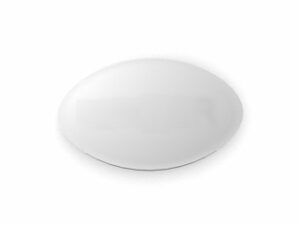
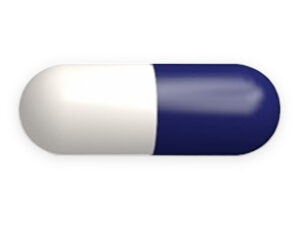
Dexilant® is manufactured as delayed-release tablets and is designed to release medicine in two phases. This “dual delayed-release” approach can provide acid suppression across the day and into the night.
Strengths and pack sizes can vary depending on local availability. Your pharmacist can confirm the exact product details available in Australia.
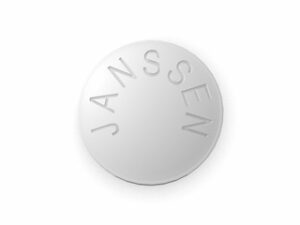
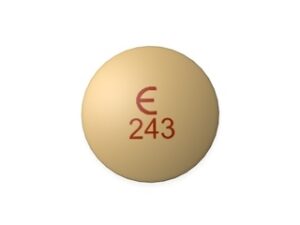
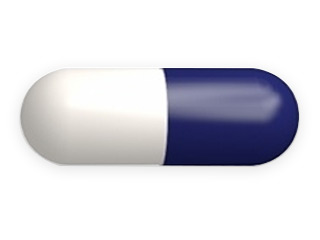
How to recognise the medicine
- Dexilant is a PPI in tablet form.
- Because it is delayed-release, it should generally be swallowed whole.
- Do not crush or chew unless your pharmacist or the medicine’s instructions specifically advise otherwise.
How Dexilant Works (Mechanism of Action)
Dexilansoprazole belongs to the PPIs. PPIs reduce the production of acid by blocking the “proton pump” in stomach parietal cells. Specifically, dexlansoprazole inhibits the enzyme H+/K+-ATPase, which is responsible for acid secretion.
By lowering acid levels, Dexilant can:
- Reduce heartburn and reflux symptoms
- Help heal inflammation of the oesophagus (erosive oesophagitis)
- Support symptom control over time with regular use
Dexilant’s dual delayed-release formulation is designed to release dexlansoprazole in two stages, which may improve symptom control for both daytime and nighttime reflux.
Pharmacokinetics (What the Body Does to the Medicine)
Pharmacokinetics describes how the body absorbs, distributes, metabolises, and eliminates a medicine. Key points for dexlansoprazole include:
- Absorption: Dexlansoprazole is absorbed after delayed release from the tablet.
- Dual delayed-release effect: Two release phases can lead to two peaks in blood levels.
- Metabolism: Metabolised primarily in the liver (commonly via CYP enzymes).
- Elimination: Excreted mainly as metabolites.
- Duration of effect: Acid suppression can last longer than the presence of peak blood levels, due to the way PPIs act on acid-producing pumps.
Individual responses can vary based on factors such as liver function, other medicines, age, and how consistently the dose is taken.
What Dexilant Is Used For (Indications)
In general, Dexilant is used for conditions related to acid reflux. Indications can vary by local regulatory approvals and product labelling in Australia.
Common indications include:
- Gastro-oesophageal reflux disease (GORD): to relieve symptoms such as heartburn
- Erosive oesophagitis: to heal inflammation caused by acid reflux
- Maintenance of healing: to help maintain healing and control symptoms in people with a history of erosive disease
If your symptoms are severe, persistent, or worsening, or if you have alarm features (see “Safety” below), speak with a healthcare professional promptly.
Typical Use and Expected Results
Many people start to feel better within a few days of consistent PPI use. However, for healing of erosive inflammation, full improvement may take longer.
- Symptom relief: may improve within days
- Oesophageal healing: typically requires a course of treatment as directed
- Maintenance therapy: may be used to help prevent relapse in eligible patients
PPIs work best when taken regularly, as directed. They are not intended for instant “as-needed” relief of sudden heartburn. For immediate relief, some people may use antacids or alginates, but check with your pharmacist about what is appropriate for you.
Dosing (Adults): Common Approaches
Dosing depends on the condition being treated, symptom severity, and your clinical history. Always follow the directions on your product label or as advised by your healthcare professional.
Common adult dosing patterns (general guidance)
- Once daily dosing: Many regimens for GORD and erosive oesophagitis are taken once daily.
- Possible strength variation: Your clinician may prescribe different strengths (for example 30 mg or 60 mg) depending on your situation.
- Maintenance vs treatment: The dose or duration may differ between healing a flare and preventing relapse.
If you miss a dose, take it when you remember unless it is close to the time of your next dose. Do not double up.
Important: Exact dosing schedules should be confirmed for your specific product and condition via the Australian CMI and your healthcare professional.
When to Take Dexilant (Timing and Daily Routine)
Dexilant is commonly taken once daily, and it is generally recommended to take it before food for best effect. The dual delayed-release design may provide ongoing acid suppression.
Practical timing tips
- Best routine: Take Dexilant in the morning before breakfast, unless your healthcare professional instructs otherwise.
- Consistency matters: Try to take it at the same time each day.
- Swallow whole: Because it is delayed-release, swallow the tablet whole with water.
- Don’t take with crushing or chewing: This may affect the delayed-release mechanism.
If you have been advised to take Dexilant at a different time of day, follow that advice.
Food Interactions (What to Expect with Meals)
Food can influence PPI absorption. Dexlansoprazole is designed to work with a dual delayed-release profile, and the effect of meal timing may be less strict than some other PPIs, but consistent timing is still recommended.
General guidance:
- Take before your meal when possible (for example, before breakfast).
- If you take it with food occasionally, you may still get benefit, but for best outcomes take it as directed.
- Avoid changing timing frequently without discussing with a pharmacist.
If you are receiving enteral feeding or have swallowing difficulties, ask your pharmacist for advice specific to your situation.
Alcohol and Medicine Interactions
Alcohol does not “block” PPIs directly, but alcohol can worsen reflux symptoms by relaxing the lower oesophageal sphincter and irritating the oesophagus in some people. This may reduce the practical effectiveness of any reflux treatment.
Consider:
- Minimise alcohol if you notice it triggers heartburn or reflux.
- Choose lower-acid, lower-gas beverages when possible.
- Keep hydration in mind (especially if reflux is worse at night).
In addition, alcohol may interact indirectly with other medicines you take, and it can affect liver function. If you have liver disease or take multiple medicines, ask your pharmacist for a tailored interaction check.
Medicine Interactions (Important Drug-Drug Considerations)
Dexilant can interact with other medications, mainly because it changes stomach acidity and because it is metabolised by liver enzymes. Interactions can vary, so it’s important to inform your pharmacist about everything you take, including:
- Prescription medicines
- Over-the-counter (OTC) products
- Herbal supplements
- Vitamins and minerals
Examples of interactions to discuss
- Medicines affected by stomach pH: Some drugs require acid for absorption. Reduced acid may lower absorption.
- Medicines metabolised by certain liver enzymes: Dexlansoprazole is metabolised by liver pathways; interactions are possible.
- Clopidogrel: PPIs may affect the activation of clopidogrel in some patients. Your pharmacist/doctor can advise whether a PPI is suitable.
- Warfarin (and other anticoagulants): Some patients may require monitoring for changes in clotting control.
- Antiretrovirals and antifungals: Interactions may occur depending on the specific medicine.
This is not a complete list. Always ask your pharmacist to review your personal medication list.
Safety Profile: Who Should Be Cautious?
Most people tolerate Dexilant well. However, like all medicines, PPIs can cause side effects in some individuals. Report adverse effects to your healthcare professional.
Common side effects (may include)
- Headache
- Abdominal pain or discomfort
- Nausea
- Diarrhoea or constipation
- Gas or bloating
Serious but less common warnings
Seek urgent medical advice if you experience:
- Severe allergic reaction (swelling of face/lips, difficulty breathing)
- Signs of gastrointestinal bleeding (black/tarry stools, vomiting blood)
- Unexplained weight loss, persistent vomiting, or difficulty swallowing
- Severe or persistent diarrhoea, especially with fever or blood/mucus
These symptoms may signal conditions that require medical assessment beyond reflux management.
Long-term use considerations
PPIs are often used for extended periods when clinically needed. Long-term use may be associated with certain risks, and it is good practice to review ongoing need with your healthcare professional.
- Low magnesium (hypomagnesaemia) in rare cases
- Vitamin and mineral absorption changes (e.g., vitamin B12, iron) with prolonged use
- Increased susceptibility to certain infections such as stomach/intestinal infections
- Bone fracture risk in some studies, especially with high doses and long duration
Don’t stop abruptly without advice—your symptoms may return. If you want to reduce or stop Dexilant, discuss tapering strategies with a healthcare professional.
Practical Use Tips (Getting the Best from Your Treatment)
- Take it consistently: PPIs work through long-term acid suppression rather than instant relief.
- Take it before meals: Aim for the recommended timing (often before breakfast).
- Swallow whole: Do not crush or chew delayed-release tablets.
- Track symptoms: Note which meals or activities trigger reflux, and discuss with your pharmacist.
- Consider lifestyle measures: These can complement medication.
Lifestyle tips that may help reflux
- Avoid lying down within 2–3 hours after meals.
- Reduce large, late-night meals.
- Limit foods known to trigger you (e.g., very spicy foods, high-fat meals, chocolate, peppermint).
- Stop smoking if you smoke (smoking worsens reflux).
- Maintain a healthy weight if possible.
- Elevate the head of your bed if night-time reflux is an issue.
Alternative Options for Acid Reflux
Depending on your symptoms and medical history, there may be other approaches to managing reflux. Alternatives include:
Non-medicine and lifestyle options
- Dietary adjustment (smaller meals, avoiding trigger foods)
- Behaviour changes (timing of meals, avoiding late-night eating)
- Positioning strategies (head-of-bed elevation)
Medication alternatives
- Antacids: For quick, short-term relief of mild symptoms.
- Alginates: Form a barrier that can reduce reflux symptoms after meals.
- Other PPIs: Different PPIs may suit different people (your pharmacist can explain options).
- H2 blockers: May be used in certain situations, though PPIs generally provide stronger acid suppression.
Choice of alternative depends on how often you get symptoms, the presence of erosive disease, and your personal risk factors. Ask your pharmacist which option may be most suitable for you.
Market and Legal Context for Australia (General Information)
Medicines in Australia are regulated under the Therapeutic Goods Administration (TGA) framework. Product availability can vary by strength, brand, and supply arrangements.
Some acid reflux medicines can be supplied under different schedules (including “pharmacy-only” access, depending on formulation), while others may be available on different pathways depending on the exact product and your circumstances.
In all cases, reputable online pharmacies in Australia should provide the correct product, clear dosing instructions, and guidance on safe use.
Recent guidance and clinical practice trends
Across recent years, clinical guidance for reflux management has focused on:
- Using the lowest effective dose for the shortest duration that controls symptoms and heals disease.
- Reassessing ongoing need for long-term PPI use where appropriate.
- Reviewing safety in patients needing prolonged therapy (e.g., checking risk factors and potential deficiencies).
- Investigating alarm symptoms rather than relying solely on symptom suppression.
Your pharmacist can advise how this may apply to you based on your symptoms and treatment history.
Delivery and Availability (Online Pharmacy Considerations)
Availability of Dexilant can vary depending on local stock levels and the pharmacy supplier network. When ordering online, reputable pharmacies in Australia typically provide:
- Clear product identification (brand, strength, pack size)
- Delivery estimates based on your location
- Safe handling and packaging during transit
- Advice if stock is temporarily unavailable
Delivery times depend on service areas and courier schedules. For time-sensitive needs (such as continuing therapy), contact the pharmacy before ordering so they can help plan accordingly.
How to Use Dexilant Safely: Step-by-Step
- Confirm your dose and timing on the label or as advised.
- Take the tablet whole with water.
- Choose a consistent time (often before breakfast).
- Allow for a response window: regular use is usually needed for best results.
- Track symptoms for improvement and any side effects.
- Review with your healthcare professional if symptoms do not improve or return quickly.
FAQ About Dexilant (Dexlansoprazole)
1) How fast does Dexilant work?
Some people notice symptom improvement within a few days. Healing of erosive inflammation generally takes longer and depends on the condition and duration of therapy. If you do not notice improvement, speak with your pharmacist or doctor.
2) Can I take Dexilant with food?
Dexilant is generally recommended to be taken before food for best effect. If you occasionally take it with food, you may still get benefit, but aim to follow the recommended timing on your product instructions.
3) What should I do if I miss a dose?
Take it when you remember unless it is close to the next dose. Do not take a double dose to make up for the missed one.
4) Is Dexilant for immediate relief of heartburn?
Dexilant is designed for ongoing acid suppression and is typically not an “as-needed” medicine for instant relief. For short-term relief, your pharmacist may recommend an antacid or alginate depending on your situation.
5) Can I drink alcohol while taking Dexilant?
Alcohol does not usually “cancel out” Dexilant, but it can worsen reflux symptoms. If you notice alcohol triggers your heartburn, it may be best to limit it and avoid alcohol close to bedtime.
6) Are there foods I should avoid?
Food triggers vary by person. Common reflux triggers include spicy foods, high-fat meals, chocolate, peppermint, coffee, and carbonated drinks. Keeping a symptom diary can help identify your triggers.
7) Does Dexilant interact with other medicines?
Yes, interactions can occur. This may be due to reduced stomach acidity or liver metabolism. Tell your pharmacist about all medicines and supplements you take, including antacids, alginates, antibiotics, blood thinners, and herbal products.
8) Can I take Dexilant long-term?
Some people need longer treatment. However, long-term use should be regularly reviewed with your healthcare professional to use the lowest effective dose and assess ongoing need and safety.
9) When should I seek medical help?
Seek medical advice if you have alarm symptoms such as difficulty swallowing, vomiting blood, black/tarry stools, unexplained weight loss, persistent vomiting, severe chest pain, or if symptoms do not improve despite treatment.
10) What are the main alternatives to Dexilant?
Alternatives may include other PPIs, H2 blockers, antacids, alginates, and lifestyle strategies. Your pharmacist can advise which option fits your symptoms and medical history.
Summary Table: Key Points at a Glance
| Topic | What to know |
|---|---|
| Medicine class | Proton pump inhibitor (PPI) |
| Active ingredient | Dexlansoprazole |
| How it works | Blocks acid-producing proton pumps in the stomach |
| Formulation | Dual delayed-release technology for extended acid control |
| Common uses | GORD symptoms and healing/maintenance in erosive oesophagitis (as indicated) |
| Typical timing | Usually once daily, commonly before breakfast |
| Food effects | Food can affect absorption; aim to take before meals as directed |
| Alcohol | May worsen reflux symptoms; limit if it triggers heartburn |
| Interactions | Possible with certain medicines due to pH changes and liver metabolism |
| Safety | Usually well tolerated; watch for allergy, bleeding, persistent diarrhoea, alarm symptoms |
| Practical tips | Swallow whole, don’t skip doses, review long-term use need |
Disclaimer: This information is intended to support patient understanding and is not a substitute for advice from a healthcare professional. Always read the product label and the consumer medicine information (CMI) and seek medical advice if you have questions about your treatment or symptoms.