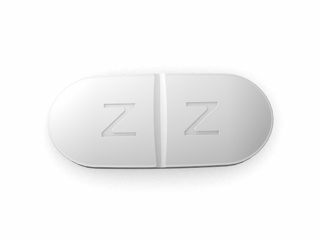
Nootropil (Piracetam) — Patient Information (Australia)
Nootropil is a brand of piracetam, a medicine used to support cognitive function in specific conditions. This page explains what piracetam is, how it may work, how it is typically used, important safety information, and practical tips for everyday use.
Please note: information below is general and may not suit everyone. Always follow the advice provided by your healthcare professional and the instructions on your product label.
1. Quick Product Overview
- Medicine: Nootropil (piracetam)
- Active ingredient: Piracetam
- Common strengths (varies by product): 800 mg tablets and other available formulations (availability can differ by supplier)
- How it’s taken: Oral tablets or capsules; some forms may be liquid (form availability varies)
- Typical dosing frequency: Usually 2–3 times daily depending on indication
- Use: Cognitive impairment and certain neurologic conditions as determined by local clinical practice
2. What Is Piracetam and How Does It Work?
Piracetam is a member of the nootropic class of medicines. While the exact benefit can vary between individuals and indications, piracetam is thought to support brain function through several mechanisms.
Proposed Mechanism of Action
Piracetam’s mechanism is not fully understood, but several actions have been described in medical literature:
- Membrane effects: Piracetam may influence the fluidity and properties of neuronal cell membranes, supporting normal neurotransmission.
- Glutamate system support: It may modulate aspects of glutamatergic activity, which is important for learning and memory.
- Microcirculation and oxygen use: It may help improve microvascular function and the brain’s metabolic efficiency under stress.
- Neuroprotective potential: In some settings, piracetam has been studied for potential protective effects on brain cells.
In practical terms, people may notice changes in attention, memory, or cognitive performance over time—particularly when used consistently for the intended indication. Response can be gradual rather than immediate.
3. Pharmacokinetics (How the Body Handles Piracetam)
Pharmacokinetics refers to how the medicine is absorbed, distributed, metabolised, and eliminated. Understanding these helps explain dosing frequency and how changes in diet or other medicines might affect your treatment.
| Process | What typically happens |
|---|---|
| Absorption | Piracetam is absorbed after oral dosing and generally reaches peak levels within a few hours (timing can vary by formulation). |
| Distribution | It distributes to tissues including the brain and crosses biological barriers to reach the central nervous system. |
| Metabolism | Piracetam is minimally metabolised in the body, which may reduce the likelihood of certain drug–metabolism interactions. |
| Elimination | Primarily excreted by the kidneys. Reduced kidney function may increase exposure and require dose adjustment. |
| Half-life | Often reported as several hours (commonly around 4–5 hours in many adults), supporting multiple daily dosing depending on regimen. |
4. Typical Uses and Indications
In Australia, piracetam-containing products are used for certain neurologic and cognitive conditions according to local clinical practice. Indications can vary based on product availability, regulatory status, and individual assessment.
Common Clinical Indications
- Cognitive impairment: To support memory, concentration, and cognitive performance in selected patients.
- Neurologic conditions: In some clinical settings for symptoms related to cerebral dysfunction as determined by a clinician.
- Adjunctive therapy: Often used as part of a broader care plan that may include managing contributing conditions (e.g., depression, vascular risk factors, sleep problems).
Your healthcare professional can clarify whether piracetam is appropriate for your specific situation and what outcome is realistic. Some people may experience benefit, while others may notice little or no improvement.
5. Timing and How to Take Nootropil
Correct timing supports steady blood levels and may improve tolerability. Many patients follow a schedule tailored to their prescribed regimen and daily routine.
Typical Dosing Schedule (General Guidance)
- Often split dosing: 2–3 times daily to maintain more consistent exposure.
- Consistency matters: Take it at similar times each day.
- Morning vs evening: If you notice restlessness, take the last dose earlier in the day.
How Long Until You May Notice Effects?
Cognitive effects (if they occur) are typically not instant. Many people assess response over several weeks, particularly when the medicine is used as part of a structured treatment plan. If there is no meaningful benefit after a reasonable trial as advised, your clinician may reconsider the approach.
6. Food Interactions and Meal Effects
Food can sometimes influence absorption or tolerability. For piracetam, major food interactions are generally not prominent, but individual response may vary.
Practical Eating Tips
- Take with or after food if you experience stomach discomfort.
- Maintain consistent timing relative to meals during the first weeks of use.
- If you miss a meal, consider whether you should still take your dose to avoid gaps—generally, taking it as directed is preferred.
If you have a sensitive stomach, choose a routine that reduces nausea, bloating, or reflux. Drinking water with each dose is usually helpful.
7. Alcohol and Medicine Interactions
Alcohol
Alcohol may worsen sleep quality, mood, and cognitive performance—factors that can affect how you feel even if the medicine itself is unchanged. For safety and best cognitive outcomes, it’s generally advisable to limit alcohol while using medicines for brain function.
If you plan to drink alcohol occasionally, consider:
- keeping intake low,
- avoiding binge drinking, and
- monitoring for dizziness, drowsiness, or mood changes.
Interactions With Other Medicines
Piracetam is excreted primarily by the kidneys and has limited metabolism, so some metabolic interactions are less likely. However, interactions can still occur depending on the combination.
Commonly Relevant Interaction Categories
- Medicines affecting bleeding risk: If you take anticoagulants or antiplatelet agents, discuss the combination with a clinician—especially if you have a history of bleeding.
- Medicines that affect the nervous system: Combining with sedatives, stimulants, or other cognitive agents may influence side effects such as agitation or insomnia.
- Kidney-related medicines: Because piracetam is cleared by the kidneys, any medication or condition that affects kidney function may require attention.
Always provide your healthcare professional or pharmacist with a full list of medicines, supplements, and herbal products you use.
8. Dosing (General Information)
Dosing depends on the intended use, age, kidney function, and individual response. Follow the regimen recommended by your healthcare professional and the product instructions.
Typical Adult Dosing Ranges (Overview)
Many clinical regimens use divided doses throughout the day. A common pattern is 2–3 divided doses daily. Some indications may involve higher total daily doses, but the exact target should be clinician-guided.
- Start low if advised: Some patients begin at a lower dose to assess tolerability.
- Adjust based on response: Dose adjustments may be made after several weeks or earlier if side effects occur.
- Renal impairment: Reduced kidney function typically requires dose reduction or careful monitoring.
Missed Dose
- If you miss a dose: take it when you remember on the same day.
- Don’t double up: If it’s close to the next dose, skip the missed dose and continue your normal schedule.
- Keep a consistent routine: Use reminders to reduce missed doses.
Stopping the Medicine
Do not stop or change your dose without advice. If you decide to discontinue, your clinician may recommend a plan based on your indication and response.
9. Safety Profile and Side Effects
Most people tolerate piracetam reasonably well, especially at appropriately selected doses. As with all medicines, side effects can occur.
Common Side Effects
- Gastrointestinal: nausea, indigestion, stomach discomfort
- Neurologic: headache, dizziness
- Psychiatric/behavioural: nervousness, agitation, or restlessness (less commonly)
- Sleep: insomnia in some individuals (more likely if taken later in the day)
Less Common but Important Adverse Effects
- Hypersensitivity reactions: rash, itching, swelling, or breathing difficulty (seek urgent help if severe)
- Bleeding concerns: if you bruise easily or experience unusual bleeding, consult a clinician—particularly if you take medicines that influence blood clotting
When to Seek Medical Advice Urgently
- facial swelling, hives, or trouble breathing
- black stools, coughing/vomiting blood, or unexplained severe bruising
- severe or persistent worsening of dizziness, headache, or confusion
Special Populations
- Kidney disease: dose adjustments and close monitoring may be needed.
- Older adults: may be more sensitive to side effects; kidney function often declines with age.
- Pregnancy/breastfeeding: safety considerations require individual assessment by a healthcare professional.
10. Practical Use Tips (What Helps in Real Life)
- Choose a stable routine: take doses at consistent times daily.
- Watch timing and sleep: if you feel wired or have trouble sleeping, move the last dose to earlier in the day.
- Stay hydrated: drinking water can support general tolerability.
- Track your response: consider a simple weekly note on attention, memory, and fatigue (rather than judging after one day).
- Review other factors: sleep, stress, hydration, and exercise often influence cognition as much as medications.
- Keep a medication list: update it for every appointment and show it to pharmacists when refilling.
If you experience side effects, do not simply “push through” indefinitely. Discuss with your pharmacist or doctor—dose timing or the regimen may be adjusted.
11. Alternative Options
If Nootropil (piracetam) isn’t suitable or you want another approach, there are alternatives depending on the reason you’re seeking help. Your clinician may consider non-drug strategies, different medications, or tailored rehabilitation.
Non-Medicine Alternatives
- Cognitive training: structured exercises for memory, attention, and problem-solving
- Sleep optimisation: address insomnia or sleep apnoea if present
- Exercise: regular aerobic activity supports brain health
- Managing underlying contributors: hearing issues, depression, vascular risk factors, vitamin deficiencies
Medication Alternatives (Examples)
Medication choices differ widely depending on the diagnosis (for example, dementia vs attention-related problems vs post-neurologic recovery). Potential alternatives may include medicines used for specific cognitive disorders, depending on local clinical assessment.
- Other cognitive agents used for defined diagnoses
- Targeted therapies for mood, sleep, or attention symptoms when those are the primary drivers
For the safest guidance, discuss your goals and diagnosis with a healthcare professional to identify the most appropriate option.
12. Nootropil in Australia: Market & Legal Context
In Australia, medicine supply and labelling are regulated under the Therapeutic Goods Administration (TGA). Whether piracetam products are available, the exact brand presentation, and the intended clinical use can vary over time.
When purchasing online, reputable suppliers ensure correct product identification, appropriate storage, and compliance with applicable Australian laws and regulations. Always verify:
- the product name and strength on the packaging match your order,
- expiry date and storage conditions are appropriate, and
- instructions are in line with the manufacturer’s guidance.
If you have any uncertainty about product authenticity, storage, or suitability, ask a pharmacist before use.
Recent Guidance (General)
Australian healthcare practice continues to emphasise patient safety, evidence-based prescribing, and careful consideration of risks versus benefits. For cognition-related treatments, clinicians generally favour:
- reviewing underlying causes,
- monitoring response over time, and
- reassessing ongoing need and tolerability.
Guidance can change as evidence and regulatory decisions evolve, so it’s wise to check with your healthcare professional for the most up-to-date local advice.
13. Delivery, Availability, and Storage
Availability
Availability of Nootropil (piracetam) products can vary depending on strength, formulation, and supplier. Online pharmacy listings may show different pack sizes or generics depending on supply chain conditions.
Delivery in Australia
Delivery timeframes vary by location (metropolitan vs regional) and shipping method. Standard practice includes dispatching promptly after processing your order.
Storage Tips
- Store at room temperature unless the label instructs otherwise.
- Keep in the original packaging to protect from light and moisture.
- Keep out of reach of children.
Check the manufacturer’s label for exact storage instructions.
14. FAQ — Nootropil (Piracetam)
Is Nootropil the same as piracetam?
Yes. Nootropil is a brand that contains the active ingredient piracetam.
How soon will it start working?
Some people notice changes in focus or mental energy gradually. In many situations, a meaningful assessment occurs over several weeks with consistent use. If you don’t notice any benefit, speak with a pharmacist or clinician about the next steps.
Can I take Nootropil with food?
Generally, it can be taken with food if it helps comfort. If you get stomach discomfort, taking it after meals may improve tolerability.
Does alcohol affect piracetam?
Alcohol may not directly “cancel out” the medicine, but it can worsen sleep and cognitive performance and may increase side effects such as dizziness. Limiting alcohol is a sensible approach.
What if I miss a dose?
Take it when you remember on the same day. If it’s nearly time for the next dose, skip the missed one and continue your routine—do not double the dose.
Is it safe for older adults?
Older adults can use piracetam in some cases, but kidney function often changes with age. Dose adjustments and monitoring may be necessary. Always check with a pharmacist or clinician if you have kidney issues or are on multiple medicines.
What should I do if I get side effects?
Mild effects like headache or nausea can sometimes settle. If side effects are persistent, worsening, or concerning (such as signs of allergy or unusual bleeding), seek medical advice promptly.
Can I take it with other brain or mood medicines?
Combining with other medicines that affect the brain or mood may increase side effects or alter how you feel. Review your full medication and supplement list with a pharmacist before starting or changing any regimen.
Does piracetam require kidney adjustment?
Because piracetam is mainly eliminated by the kidneys, people with reduced kidney function may require dose adjustment or closer monitoring. If you have kidney disease, ask a clinician for personalised guidance.
Important: This information is intended to help you understand Nootropil (piracetam). It does not replace professional medical advice. If you have questions about suitability, dosing for your condition, or safety with your current medicines, please consult a pharmacist or healthcare professional.