
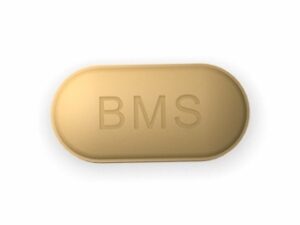
Imdur (Isosorbide) – Patient Guide (Australia)
Imdur is a brand of isosorbide used to help prevent certain types of chest pain and to treat heart-related conditions. This guide is written to be patient-friendly and focuses on how Imdur works, how it’s typically used, and what to consider for safe use in everyday life in Australia.
Note: Medicines can affect people differently. Always follow the instructions provided with your product and ask a healthcare professional if you have questions about your personal situation.
Key Information at a Glance
- Medicine name: Imdur (isosorbide)
- Active ingredient: Isosorbide (usually as an extended-release form)
- Common role: Preventing angina (chest pain) and supporting treatment plans for heart conditions
- How it’s taken: Typically once daily (depending on the prescribed regimen and tablet strength)
- Goal of therapy: Reduce the frequency and severity of angina attacks
What Is Imdur?
Imdur contains isosorbide, a medicine in the nitrate family. It helps widen blood vessels (particularly veins and also coronary arteries), improving blood flow to the heart and reducing the workload on the heart.
Because Imdur is designed for ongoing release, it is commonly used as a maintenance medicine rather than for immediate relief of an angina attack. People often use it alongside other heart medicines as part of a longer-term treatment plan.
How Imdur Works (Mechanism of Action)
Isosorbide in Imdur is converted in the body into nitric oxide–related compounds, which lead to relaxation of smooth muscle in blood vessel walls.
This results in:
- Vein dilation → less blood returning to the heart → reduced heart workload
- Artery and coronary dilation → improved blood flow to the heart muscle
- Lower cardiac oxygen demand → helps prevent angina triggered by exertion or stress
Important: Nitrate medicines like isosorbide work best when taken consistently. Skipping doses or stopping suddenly without advice may reduce protection against angina.
Pharmacokinetics (How the Body Handles It)
Pharmacokinetics refers to how a medicine is absorbed, distributed, metabolised, and removed from the body.
- Absorption: Imdur is formulated to release isosorbide gradually. This supports steadier drug levels over the day.
- Distribution: Isosorbide and its metabolites distribute through body tissues, including the cardiovascular system.
- Metabolism: Isosorbide is metabolised primarily in the liver into active and inactive forms.
- Elimination: Metabolites are eliminated mainly via the kidneys (urine). Kidney function can influence how quickly levels decline.
Practical takeaway: Because Imdur is extended-release, it’s intended for steady daily prevention, not for rapid symptom relief.
Typical Uses in Australia
Imdur (isosorbide) is used for conditions where preventing reduced blood flow to the heart is beneficial.
Common indications include:
- Angina pectoris (prevention) – to help reduce frequency of chest pain episodes
- Chronic coronary syndrome – as part of a broader cardiovascular treatment approach
- Heart-related symptoms – in selected patients, based on clinical assessment
It may also be used in combination with other cardiovascular medicines such as beta blockers and calcium channel blockers, depending on individual needs.
When to Take Imdur (Timing and Routine)
Imdur is generally taken once daily or according to a prescribed schedule. Consistency is important for best protection against angina.
General timing tips:
- Take it at the same time each day to maintain steady coverage.
- If you are prescribed once-daily morning dosing, consider taking it after breakfast (unless your clinician advised otherwise).
- If dosing is evening or bedtime, take it at the time you can reliably remember daily.
Do not stop suddenly unless a healthcare professional advises you to—sudden changes may affect symptom control.
How to Take Imdur Safely
Follow your medicine label instructions. In general, with extended-release tablets:
- Swallow whole with water.
- Do not crush or chew unless specifically instructed (extended-release forms are designed to release gradually).
- If you miss a dose, don’t double up. Take the next dose at the usual time.
Food Interactions and Meal Effects
For many patients, Imdur can be taken with or without food. However, some individuals may experience stomach discomfort or dizziness more often when taking medicines on an empty stomach.
Practical guidance:
- Try taking Imdur with a small meal if you experience nausea or light-headedness.
- Avoid sudden changes in your usual eating pattern if you notice symptom fluctuations around dosing time.
Interactions with food types: No specific “avoid forever” dietary rule is universal, but hydration and consistent meal routines can help reduce side effects such as dizziness.
Alcohol and Medicine Interactions
Alcohol can increase the risk of side effects such as low blood pressure, dizziness, and fainting—effects that can also occur with nitrates.
Patient-friendly safety tips:
- It’s best to limit alcohol or avoid it, particularly when starting Imdur or after a dose change.
- If you choose to drink, do so cautiously and avoid driving if you feel light-headed.
Seek medical advice if you notice symptoms like severe dizziness, fainting, or palpitations.
Medicine Interactions (Important)
Imdur can interact with other medicines, especially those that affect blood vessels or blood pressure. Some interactions can be dangerous.
High-risk interaction to know:
- Phosphodiesterase-5 (PDE5) inhibitors used for erectile dysfunction (e.g., sildenafil, tadalafil, vardenafil) can cause a significant drop in blood pressure when combined with nitrates. This combination may be contraindicated and requires urgent medical consideration.
Other medicines that may increase risk of low blood pressure or dizziness:
- Other nitrates (including certain heart medicines that also widen blood vessels)
- Some medicines for blood pressure or prostate symptoms (e.g., alpha-blockers) may add to blood pressure-lowering effects
- Medicines that affect the heart’s rhythm or blood pressure regulation
What to do:
- Keep a current list of all medicines and supplements you take.
- Ask a healthcare professional or pharmacist to check for interactions, especially before starting any new medicine.
Urgent caution: If you experience fainting, severe dizziness, or symptoms of an allergic reaction after combining medicines, seek urgent help.
Dosing Information (General Overview)
Dosing for Imdur depends on the individual’s condition, medical history, and response to treatment.
Because extended-release formulations vary by strength, your prescribed dose is the one that matters for you.
Common clinical patterns include:
- Once-daily dosing for prevention of angina symptoms
- Dose adjustments gradually in some cases based on blood pressure, symptom control, and side effects
Do not change your dose without medical advice. Too much nitrates can cause significant low blood pressure and related symptoms.
Safety Profile and Common Side Effects
Most people tolerate Imdur, but side effects can occur—especially when starting or increasing dose. Nitrate-related effects are often related to blood vessel changes.
Common side effects
- Headache (often early in treatment)
- Flushing
- Dizziness or light-headedness
- Low blood pressure (hypotension), which can cause weakness or faint feeling
- Stomach discomfort or nausea (less common)
Less common but serious effects
- Fainting or severe dizziness
- Severe allergic reaction (swelling of face/lips, rash, difficulty breathing)
- Chest pain that worsens or new symptoms suggestive of heart complications
When to seek urgent help: If you faint, have severe dizziness, trouble breathing, facial swelling, or chest pain that doesn’t improve as expected, seek urgent medical assistance.
Practical Use Tips (How to Get the Best Results)
- Start steady: Take it at the same time each day. Early side effects such as headache may reduce as your body adjusts.
- Rise slowly: If you feel light-headed, sit or stand up gradually—especially in the morning.
- Check your symptoms: Track how often you get chest pain and what triggers it (walking, stress, cold air, etc.). Share this information with your clinician.
- Have an action plan: If chest pain occurs, follow the plan you were given for immediate symptoms (many people also have a fast-acting rescue medicine). Imdur is for prevention, not rapid relief.
- Avoid overheating: Heat can worsen dizziness or flushing. Stay hydrated.
- Don’t run out: A consistent supply helps maintain symptom control.
Alternative Options (Discuss With a Clinician)
For angina prevention and related cardiovascular conditions, several classes of medicines may be considered depending on the cause and your overall health.
Possible alternatives (examples of classes):
- Beta blockers (reduce heart rate and workload)
- Calcium channel blockers (help relax blood vessels and reduce angina)
- Other long-acting nitrates (different formulations or dosing schedules)
- Ranolazine (used in some angina patients, depending on local prescribing practices)
- Combination strategies tailored to your response and side effect tolerance
Your healthcare professional can help determine the most suitable option based on your symptoms, blood pressure, heart rate, other medicines, and medical history.
Market and Legal Context for Australia
In Australia, medicines are regulated by the Therapeutic Goods Administration (TGA). The availability of medicines for online purchase and the way they can be supplied depends on the medicine’s classification and applicable rules.
Many heart medicines used for chronic conditions—including nitrate medicines—may be available through pharmacies under relevant Australian requirements. Some medicines are supplied with specific instructions and may require consultation depending on their classification and intended use.
Patient note: Even when a medicine is available for online order, it’s important that supply aligns with Australian regulatory requirements and that you receive appropriate product information.
Recent Guidance and Ongoing Safety Considerations
While specific “recent guidance” can change over time, certain safety messages for nitrate medicines remain important for patients:
- Avoid contraindicated combinations, particularly with PDE5 inhibitors for erectile dysfunction.
- Monitor blood pressure if you have dizziness, fainting, or symptoms of low blood pressure.
- Report worsening chest pain promptly. A change in symptoms can indicate progression of heart disease requiring assessment.
For the most up-to-date safety information, it’s wise to check the leaflet included with your medication and consult your pharmacist if you’re unsure about interactions.
Delivery and Availability (Online Pharmacy Considerations)
Availability and delivery options vary between online pharmacies. When ordering Imdur in Australia, common considerations include:
- Stock status: Availability can depend on the strength and pack size you need.
- Packaging integrity: Medicines should arrive in intact packaging with clear labelling.
- Delivery timing: Delivery services may vary by location and dispatch schedules.
- Storage: Store tablets as directed on the package (typically at controlled room temperature, away from moisture and heat).
Tip: Keep track of your usual dosing day so you can order early enough to avoid running low.
Storage and Handling
- Store according to the label (often in a cool, dry place).
- Keep out of reach of children.
- Do not use after the expiry date.
FAQ – Imdur (Isosorbide)
1) Is Imdur used to stop angina immediately?
No. Imdur is generally used as a long-acting prevention medicine. If you experience chest pain, follow the emergency or rescue plan provided by your healthcare professional. Imdur is designed to reduce the likelihood of attacks when taken consistently.
2) How long does it take to work?
Many people notice prevention benefits within days, but the full effect can take longer and may vary. If your symptoms are not improving, speak with your clinician before changing your dose.
3) Can I take Imdur with food?
Often yes. If you experience nausea or dizziness, taking it with a light meal may help. Follow your product instructions and your healthcare professional’s advice.
4) What should I do if I miss a dose?
Take your next dose at the usual time. Do not double doses to make up for a missed tablet.
5) Are headaches normal when starting Imdur?
Headache is one of the most common early side effects of nitrates. If headaches are severe, persistent, or accompanied by dizziness or fainting, contact a healthcare professional.
6) Can I drink alcohol while taking Imdur?
Alcohol may increase the risk of low blood pressure and dizziness. It’s best to limit or avoid alcohol, especially when starting or adjusting the dose. If you choose to drink, do so cautiously.
7) What medicines should I avoid?
Be particularly careful with medicines that can interact to lower blood pressure significantly—especially PDE5 inhibitors (e.g., sildenafil or tadalafil). Always check with your pharmacist if you’re starting or stopping any medicines.
8) Can Imdur be taken if I already use another nitrate?
Sometimes nitrates are used in combination under close medical guidance. However, combining nitrates can increase the risk of low blood pressure and headaches. Always confirm your regimen with a healthcare professional.
9) What are warning signs that I should seek urgent help?
Seek urgent medical attention if you faint, have severe dizziness, signs of an allergic reaction (swelling of face/lips, rash, trouble breathing), or if your chest pain worsens or changes significantly.
10) Are there alternatives if Imdur doesn’t suit me?
Yes. Depending on your condition and overall health, clinicians may consider other anti-angina options such as beta blockers, calcium channel blockers, other long-acting nitrates, or other heart-specific medicines.
Summary
Imdur (isosorbide) is a long-acting nitrate medicine commonly used to prevent angina by improving blood flow and reducing the heart’s workload. For best results, take it consistently at the same time each day and follow the directions on your pack. Be mindful of common side effects such as headache and dizziness, and avoid high-risk interactions—especially with PDE5 inhibitors used for erectile dysfunction.
If you have questions about your dose schedule, interactions, or what to do if chest pain occurs, speak with a pharmacist or healthcare professional.