

Flunarizine (Australia) – Patient Information
Flunarizine is a medicine used to help prevent certain types of headaches, particularly migraine. It belongs to a group of medicines called calcium channel blockers and is also sometimes used in other neurologic conditions depending on your clinician’s assessment. This guide is written to help you understand how flunarizine works, how it’s typically taken, key safety points, and what to discuss with your healthcare professional.
Note: Medicine use can vary between individuals. Always follow the instructions given to you by your healthcare professional and the information on your medicine label.
Basic product information
| Category | Details |
|---|---|
| Generic name | Flunarizine |
| Medicine type | Calcium channel blocker (primarily used for migraine prevention) |
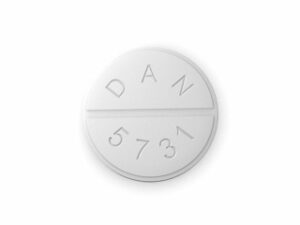
| Common forms | Oral tablets/capsules (brand/formulation may vary) |
| Typical onset | Some people notice benefit within weeks; full benefit may take longer |
| Availability in Australia | Availability can vary by formulation and supply; check with your pharmacy |
How flunarizine works (mechanism of action)
Flunarizine helps prevent migraine attacks. The exact process is complex, but it is mainly thought to:
- Block calcium entry into certain cells (calcium channel blocker activity), which can influence nerve and blood vessel function.
- Reduce brain-related “overexcitability” that may contribute to migraines.
- Support vascular stability by affecting how blood vessels respond to signalling molecules involved in headache.
- Modulate neurotransmitter activity linked to migraine pathways.
For many patients, this means fewer migraine days over time rather than immediate relief during an attack.
Pharmacokinetics (absorption, distribution, metabolism, excretion)
Understanding pharmacokinetics can help you anticipate how flunarizine behaves in the body.
- Absorption: Flunarizine is absorbed after oral dosing. Peak levels generally occur within several hours (exact timing can vary between individuals).
- Distribution: It has a large volume of distribution, meaning it distributes widely in body tissues.
- Metabolism: Flunarizine is metabolised mainly in the liver.
- Elimination: It is eliminated slowly. Because it stays in the body for a long time, steady effects may build gradually.
- Half-life: The elimination half-life is relatively long (often reported around a day or longer; actual values can vary).
Clinical takeaway: If you stop flunarizine, its effects may linger for some time due to slow elimination. Conversely, it may take weeks to judge whether it is effective for prevention.
Typical use and timing
Flunarizine is most commonly used for migraine prophylaxis. Depending on the local clinical approach, it may also be considered for other chronic neurologic or vertigo-related conditions in specific patients.
Timing:
- Many people are advised to take flunarizine in the evening, particularly if it causes drowsiness.
- Consistency matters—taking it around the same time each day can help maintain steadier levels.
Important: Flunarizine is generally used to prevent headaches. It is not intended as a rescue medicine for a migraine attack.
Indications (when it may be used)
In practice, flunarizine may be used for:
- Migraine prevention in patients who have frequent or disabling migraine attacks.
- Some patients with vertigo or other balance-related symptoms may be prescribed flunarizine based on clinical judgement.
- Other off-label or guideline-dependent uses may exist depending on regional practices and specialist advice.
Your healthcare professional will consider your history (frequency of headaches, previous treatments, other health conditions, and current medicines) before recommending flunarizine.
Dosing (general guidance)
Dose should be tailored to the individual. The information below is general and may differ from what you are prescribed.
Typical preventive dosing (adults):
- A common starting regimen is 5 mg once daily, often taken in the evening.
- If needed, some regimens may increase to 10 mg once daily, usually with careful monitoring for side effects.
Special populations:
- Older adults: Caution is often advised because sensitivity to adverse effects (e.g., drowsiness or mood changes) may be higher.
- Children and adolescents: Use in paediatric populations depends on evidence, local guidelines, and specialist assessment. Dosing and suitability should be specifically confirmed by a clinician.
- Liver or kidney impairment: Your clinician may adjust dose or monitor more closely.
Missed dose: If you miss a dose, take it when you remember unless it is close to the next dose. Do not take two doses at once.
How long to try: Prevention medicines often require a trial period to evaluate benefit. You should not stop early without discussing it, especially if you’re still within the early weeks of treatment.
Food interactions
Flunarizine can generally be taken with or without food. However, individual products may provide more specific instructions.
- Taking with food may reduce stomach discomfort for some people.
- Grapefruit and grapefruit juice: Grapefruit can affect certain drug-metabolising enzymes. Even when interactions are not always predictable, it’s a sensible precaution to avoid grapefruit unless your pharmacist confirms it is safe for your specific situation.
- High-fat meals: May slightly affect absorption for some oral medicines, though this often does not change overall effectiveness for prevention.
Practical tip: Choose a routine (e.g., with dinner) that you can maintain, and keep to it unless your pharmacist advises otherwise.
Alcohol interactions
Alcohol may increase drowsiness and impair coordination. Flunarizine can also cause sleepiness in some people, especially when starting or after dose changes.
- Avoid or limit alcohol until you know how flunarizine affects you.
- If you experience dizziness, slowed reaction time, or marked tiredness, do not drive or operate machinery.
Safety note: Alcohol can worsen dizziness and balance issues in susceptible individuals, so extra caution is needed if flunarizine is being used for vertigo-related symptoms.
Interactions with other medicines
Flunarizine can interact with other medicines, especially those that affect the nervous system or are processed through the liver.
Key interaction considerations
- Medicines that cause drowsiness (e.g., some antihistamines, sedatives, sleep medicines, opioid pain medicines): combined effects may increase sleepiness and impair driving ability.
- Anticholinergic medicines (some treatments for urinary symptoms or allergies): may increase side effects such as dry mouth or constipation.
- Antidepressants and antipsychotics: mood and neurologic effects should be monitored when these medicines are used together.
- Other medicines that affect heart rhythm: since some neurologic medicines can influence QT interval in certain settings, your clinician may consider your overall medication list and risk factors.
- Liver-metabolised medicines: drugs that strongly affect liver enzymes could alter flunarizine levels.
Always tell your pharmacist about:
- All prescription medicines
- Over-the-counter products
- Herbal supplements (e.g., St John’s wort)
- Any regular alcohol use
Safety profile (side effects and when to seek help)
Like all medicines, flunarizine can cause side effects. Many are mild and improve as your body adjusts, but some require prompt medical attention.
Common side effects
- Drowsiness or fatigue
- Dizziness
- Weight gain in some people
- Headache changes early in treatment for some individuals
- Stomach upset (less common)
Serious or less common side effects (seek advice urgently)
- New or worsening depression, significant mood changes, or unusual behaviour
- Severe restlessness, shaking, rigidity, tremor, or movement abnormalities
- Allergic reactions such as swelling of the face/lips, difficulty breathing, or widespread rash
- Chest pain, fainting, or palpitations (especially if you have heart rhythm history)
Special warning: mood and neurologic effects
Flunarizine has been associated (in some patients) with extrapyramidal symptoms (movement-related effects) and depression. If you notice these, contact a healthcare professional promptly. Do not stop suddenly without guidance, unless you are experiencing a serious reaction.
When to call your doctor immediately
- Severe dizziness leading to falls
- Signs of allergic reaction
- Confusion, fainting, or severe weakness
- Marked mood deterioration or suicidal thoughts
Practical use tips (getting the best results)
- Take it consistently: Prevention works best when taken regularly.
- Track your headaches: Keep a simple diary noting migraine days, severity, triggers, and any side effects.
- Allow time for benefit: It may take several weeks to judge effectiveness.
- Start at a low dose if advised: This reduces the chance of troublesome side effects.
- Manage sleepiness: Taking in the evening may help. Avoid driving until you know how you respond.
- Monitor weight: If weight gain occurs, discuss with your clinician early—diet and lifestyle strategies may help.
- Watch for movement symptoms: Report tremor, rigidity, or unusual restlessness.
- Review your medicines: Periodically check whether new prescriptions or supplements might interact.
Alternative options for migraine prevention (discuss with your clinician)
If flunarizine isn’t suitable (due to side effects, limited benefit, or personal factors), there are other preventive strategies. Alternatives vary depending on availability and clinical history.
Non-medicine approaches
- Lifestyle measures: consistent sleep, hydration, regular meals, and trigger management
- Behavioural therapy: stress management, biofeedback, or cognitive approaches
- Physiotherapy/posture care (for some patients with headache patterns influenced by neck muscles)
Medicine options (examples commonly used)
- Beta-blockers (e.g., propranolol or others)
- Anticonvulsants (e.g., topiramate)
- Tricyclic antidepressants (e.g., amitriptyline) for selected patients
- CGRP-targeting preventives (injections or tablets depending on local prescribing practices)
- OnabotulinumtoxinA (for chronic migraine in eligible patients)
Your clinician can help you choose an option based on your headache frequency, comorbidities (such as asthma, depression, epilepsy), and previous treatment response.
Australia: market and legal context
In Australia, medicine availability and prescribing pathways are regulated by the Therapeutic Goods Administration (TGA) and state/territory health frameworks. Whether flunarizine is stocked or supplied can depend on:
- Product registration status and formulation
- Pharmacy supply and wholesaler availability
- Whether the medicine is currently listed under relevant benefits or prescribing arrangements
- Clinical guidance used by GPs, neurologists, and headache specialists
Pharmacist support: In Australia, a pharmacist can help check suitability, interactions, and availability. If stock is limited, your pharmacy may arrange an alternative or advise on expected delivery times.
Recent guidance and clinical practice (general overview)
Headache prevention approaches in Australia are shaped by evolving migraine research and guideline updates internationally, alongside local clinical practice. Current trends often include:
- Personalised prevention: choosing medicines that match the patient’s comorbidities and risk factors.
- Measuring outcomes: assessing reduction in migraine frequency and severity, and quality of life improvement.
- Switching or stepping down: if benefit is achieved, clinicians may consider dose adjustments or reviewing the need for continued therapy.
- Safety monitoring: attention to mood changes, sedation, and neurologic side effects where relevant.
Because flunarizine is older compared with some newer preventive medicines, your clinician may weigh its risk-benefit profile carefully—especially if you have a history of depression, movement disorders, or excessive daytime sleepiness.
Delivery and availability (online pharmacy experience)
Availability can vary depending on the specific flunarizine product and pack size. When ordering through an online pharmacy, you can typically expect:
- Stock checks and estimated dispatch timelines
- Secure packaging to protect tablets/capsules during transit
- Delivery options available across Australia depending on courier services
- Support from pharmacists for questions about use, interactions, and side effects
Delivery tip: If you’re using flunarizine as a daily prevention medicine, plan ahead so you don’t run out. Consider ordering a refill before your current supply finishes.
FAQ – Flunarizine
1) What is flunarizine used for?
Flunarizine is commonly used for migraine prevention. It may also be used for other headache- or balance-related conditions based on clinical judgement.
2) When will it start working?
Some people notice improvement within a few weeks, but for many patients it takes several weeks to understand the full preventive effect. Tracking your migraine days can help you and your clinician evaluate benefit.
3) Can I take flunarizine during a migraine attack?
Flunarizine is intended for prevention and is generally not a rescue treatment. For attacks, your doctor may advise specific acute (relief) options instead.
4) Should I take flunarizine with food?
It can usually be taken with or without food. Taking with food may help if it upsets your stomach. Choose a routine that suits you.
5) Will it make me sleepy?
Drowsiness can occur. Taking it in the evening may help. Until you know how it affects you, be cautious with driving and operating machinery.
6) Can I drink alcohol while taking flunarizine?
Alcohol may increase drowsiness and worsen dizziness. It’s generally best to avoid or limit alcohol, especially at the start of treatment.
7) What side effects should I watch for?
Common effects include tiredness and dizziness. Seek medical advice promptly for severe mood changes, signs of movement problems (tremor, rigidity, unusual restlessness), allergic reactions, or fainting/palpitations.
8) What if I miss a dose?
Take it when you remember unless it’s close to your next dose. Don’t double up. If you miss several doses, ask your pharmacist or clinician for tailored advice.
9) Are there alternatives if flunarizine doesn’t help?
Yes. There are multiple preventive strategies and medicines for migraine, including other medicine classes and newer options like CGRP-targeting preventives or onabotulinumtoxinA for eligible chronic migraine patients. Your clinician can advise the best match for you.
10) Is flunarizine safe for everyone?
No medicine is. Your clinician will consider factors such as age, liver function, history of depression or movement disorders, and your current medicines to decide whether flunarizine is appropriate.
Summary
Flunarizine is a calcium channel blocker used mainly for migraine prevention. It works gradually over time to reduce the frequency of migraine attacks. While many people tolerate it reasonably well, it can cause side effects such as drowsiness and dizziness, and in some cases may be associated with mood or movement-related effects. Taking it consistently (often in the evening), avoiding alcohol-related sedation, and discussing any concerns early can help you use flunarizine safely and effectively.
If you have questions about how flunarizine fits your personal situation—such as interactions with your current medicines or expected side effects—speak with a pharmacist or healthcare professional.