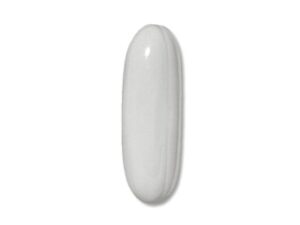
Anaprox (Naproxen) — Patient-Friendly Information (Australia)
Anaprox is a brand of naproxen, a medicine from the group known as non-steroidal anti-inflammatory drugs (NSAIDs). It is commonly used to relieve pain, inflammation, and fever in a variety of conditions. This guide explains how Anaprox works, how it is typically taken, key safety considerations, and practical tips to use it more safely.
Always read the product label and follow health professional instructions. Individual needs vary—especially for people with medical conditions such as stomach ulcers, kidney disease, asthma triggered by NSAIDs, or those taking certain interacting medicines.
Basic product information
| Feature | What you should know |
|---|---|
| Active ingredient | Naproxen (NSAID) |
| Common uses | Pain and inflammation (e.g., musculoskeletal pain), osteoarthritis, rheumatoid arthritis, period pain, some acute injuries |
| How it works | Reduces prostaglandins involved in pain, inflammation, and fever |
| Typical dosing frequency | Often 2 times daily (formulation dependent); follow your specific product instructions |
| Key risks | Stomach irritation/ulcers, kidney strain, increased cardiovascular risk in some people, and allergy/NSAID-exacerbated reactions |
How Anaprox works (mechanism of action)
Naproxen works by inhibiting cyclo-oxygenase (COX) enzymes, which play a role in making prostaglandins. Prostaglandins contribute to:
- Pain (by sensitising nerve endings)
- Inflammation (inflammatory signalling)
- Fever (set-point changes in the brain)
By lowering prostaglandin production, naproxen can reduce pain and inflammation and help relieve fever. Like other NSAIDs, it does not “cure” underlying conditions, but it can improve symptoms while the underlying cause is treated.
Pharmacokinetics (how the body handles naproxen)
Pharmacokinetics describes how a medicine is absorbed, distributed, metabolised, and eliminated. While individual results vary, the general pattern for naproxen is:
- Absorption: Naproxen is absorbed after oral dosing. Food can affect the speed of absorption, but it often improves stomach tolerance.
- Distribution: It binds to plasma proteins, helping determine how long it stays active in the body.
- Metabolism: The liver metabolises naproxen into metabolites.
- Elimination: Metabolites and drug are eliminated mainly through the kidneys (urine).
The practical takeaway is that naproxen’s effects typically last several hours, which is why many dosing schedules are taken multiple times per day. Because elimination depends on kidney function, dose suitability may be affected for people with kidney disease.
Typical uses and indications
Anaprox is used to treat a range of conditions where pain and inflammation are present. Indications can vary by product strength and formulation, but commonly include:
- Musculoskeletal pain (e.g., sprains, strains, back pain, tendon or joint pain)
- Osteoarthritis (joint pain and stiffness)
- Rheumatoid arthritis (inflammatory joint disease)
- Other inflammatory conditions as advised by a healthcare professional
- Period (menstrual) pain
- Dental pain or other acute painful inflammatory conditions (for short-term symptom relief)
- Fever in certain situations (when pain relief is also needed)
If your pain is severe, worsening, associated with swelling of the affected area, or you have a suspected injury (e.g., fracture), consider getting appropriate medical assessment.
Timing: when to take Anaprox
Timing depends on the specific Anaprox product you have (for example, immediate-release versus other formulations) and the reason you are taking it. In general:
- Follow the label/directions for your exact strength and formulation.
- Take at consistent intervals to maintain pain control.
- Start with the lowest effective dose for the shortest possible time that controls your symptoms.
If you are taking it for pain that comes and goes, you may find it helpful to take it early when symptoms begin (rather than waiting until pain becomes intense). However, if you are using naproxen regularly for a chronic condition, keep your schedule steady as directed.
Dosing guidance (general information)
Dosing must be individualised based on your condition, response, and risk factors. The most important advice is to use the exact dosing schedule provided with your Anaprox product. Below is general information often seen with naproxen-based NSAID therapy; your label may differ.
Adults (typical patterns)
- Often 2 times daily, especially for immediate-release naproxen products, with doses spaced evenly (e.g., morning and evening).
- Some regimens may start higher and then reduce depending on the condition.
Children and adolescents
Use in children should be guided by a healthcare professional and based on age/weight and the specific formulation. NSAID dosing in young people can be different and should not be guessed.
Do not exceed the maximum daily dose stated on the product packaging or by a clinician. Taking more does not usually provide proportionally better pain relief, but it can increase side effects.
Food interactions: taking Anaprox with meals
Food can affect how naproxen is tolerated and how quickly it begins to work. To reduce the likelihood of stomach upset:
- Consider taking with food, especially if you have a sensitive stomach.
- Take with a full glass of water.
- Avoid lying down immediately after taking your dose.
Food may slow absorption slightly, but it often improves gastrointestinal comfort. If you are taking naproxen for a sudden pain flare and you need quicker relief, you may follow label directions about whether food is required; however, comfort and safety often favour taking with food.
Alcohol interactions (important)
Alcohol can increase the risk of stomach irritation and bleeding when combined with NSAIDs. It can also worsen dizziness or stomach discomfort in some people.
- Limit or avoid alcohol while taking Anaprox, particularly if you have a history of ulcers or reflux.
- If you choose to drink, keep it minimal and do not take additional NSAID doses for “extra” relief.
Medicine interactions (what to watch)
Naproxen can interact with other medicines. Some combinations are particularly important due to increased bleeding risk, kidney effects, or changes in heart/blood pressure risk. Before starting or changing medicines, check for interactions—especially if you take any of the following:
Common interaction categories
- Other NSAIDs (e.g., ibuprofen, diclofenac, aspirin for pain): Avoid using multiple NSAIDs together unless specifically instructed.
- Blood thinners / anticoagulants (e.g., warfarin, some newer anticoagulants): Higher bleeding risk.
- Antiplatelet medicines (e.g., clopidogrel) and aspirin: Increased gastrointestinal bleeding risk.
- Oral corticosteroids (e.g., prednisone): Increased risk of stomach ulcers or bleeding.
- SSRIs/SNRIs (e.g., sertraline, venlafaxine): Increased risk of GI bleeding.
- ACE inhibitors / ARBs (e.g., enalapril, ramipril, losartan, valsartan) and diuretics: NSAIDs can reduce kidney function and affect blood pressure control, especially in dehydrated people or older adults.
- Lithium: NSAIDs can increase lithium levels, raising toxicity risk.
- Methotrexate: NSAIDs can increase methotrexate levels, especially at higher doses.
- Digoxin: May increase digoxin levels in some circumstances.
- Diabetes medicines (e.g., sulfonylureas): NSAIDs can sometimes affect blood sugar control.
Herbal and supplement interactions
Some supplements can affect bleeding risk or kidney function. Ask a pharmacist or check product information if you use:
- Fish oil or high-dose omega-3 (may increase bleeding tendency in some people)
- Ginkgo biloba, garlic supplements, or other agents that may affect clotting
- Other NSAID-containing products (including “cold and flu” combinations)
If you are unsure whether a product contains NSAIDs (for example, some cough/cold or headache preparations), check the ingredients and ask a pharmacist.
Safety profile: who should be extra careful
Like all NSAIDs, naproxen can cause side effects. Many people tolerate NSAIDs well when used correctly, but some risks can be serious. Your risk depends on dose, duration, age, medical history, and other medicines you take.
Key risks
- Gastrointestinal (GI) problems: stomach pain, indigestion, heartburn, nausea; more serious risks include ulcers and GI bleeding.
- Kidney effects: can reduce kidney blood flow, particularly if you are dehydrated, elderly, or have kidney disease.
- Cardiovascular risk: some NSAIDs may increase risk of cardiovascular events (e.g., heart attack, stroke), especially at higher doses and longer use.
- Allergic reactions: hives, swelling, wheezing, or worsening asthma symptoms in people sensitive to NSAIDs.
- Fluid retention and blood pressure: may cause swelling and affect blood pressure control.
- Rare but serious skin reactions: seek urgent help if you develop rash, blistering, or peeling skin.
Seek urgent medical attention if you notice
- Signs of GI bleeding: black/tarry stools, vomiting blood or material like coffee grounds
- Allergy/anaphylaxis: swelling of face/lips, trouble breathing, severe wheezing
- Severe chest pain, weakness on one side of the body, or sudden severe headache (possible stroke/heart event symptoms)
- Reduced urination or signs of severe kidney problems
- Severe skin reactions with fever or blisters
Special populations (extra caution)
- Older adults: higher risk of GI bleeding and kidney effects; require careful dosing and monitoring.
- People with a history of ulcers or GI bleeding: increased risk—discuss gastro-protection strategies with a pharmacist or clinician.
- People with kidney disease: NSAIDs may be unsuitable or require dose adjustment and monitoring.
- People with heart disease or risk factors: discuss the balance of benefits and risks.
- People with asthma sensitive to NSAIDs: may experience bronchospasm.
- Pregnancy: NSAID use may not be appropriate at certain stages—get advice before taking.
- Breastfeeding: discuss with a pharmacist/clinician to weigh benefits and risks.
Practical use tips for safer results
- Use the lowest effective dose for the shortest time needed to control symptoms.
- Do not combine with other NSAIDs (unless instructed). Check “cold & flu” products and headache combinations.
- Take with food or milk if you get stomach upset.
- Stay hydrated, especially if you’re unwell with vomiting/diarrhoea or in hot weather.
- Review your other medicines for interactions—particularly anticoagulants, steroids, SSRIs/SNRIs, ACE inhibitors/ARBs, and diuretics.
- Avoid alcohol or keep it minimal to reduce bleeding risk.
- Track symptom relief: if you need it beyond the short course on the label, seek advice.
- Consider non-drug options like rest, physiotherapy, heat/ice, gentle movement, and stretching (where appropriate).
When to get medical advice instead of self-managing
Consider seeking professional advice if:
- pain persists beyond a few days or keeps returning
- there is unexplained weight loss, fever, or significant fatigue
- you have severe swelling or inability to bear weight (possible serious injury)
- you have recurring period pain that interferes with daily activities
- your symptoms worsen despite correct use
Alternative options
Depending on the condition, doctors and pharmacists may suggest other treatments. Alternatives can include:
Other pain relievers
- Paracetamol (acetaminophen): can help pain and fever with different side-effect risks than NSAIDs.
- Other NSAIDs (e.g., ibuprofen, diclofenac): may be an option, but they share similar NSAID-related risks.
Non-medicine approaches
- Heat or cold packs for muscle/joint discomfort
- Physiotherapy and exercise plans
- Topical pain relief (e.g., topical NSAIDs for some localised joint pain)
- Activity modification and ergonomic supports
If you have a history of ulcers or are at higher risk of bleeding, ask a pharmacist about whether a different option may be safer for you.
Australia: market and legal context
In Australia, access to medicines is regulated through scheduling under the Poisons Standard and related state/territory rules. NSAIDs may be available in different forms and strengths depending on the specific product and how it is classified. Availability may differ between brands, formulations, and pack sizes.
Many pharmacies provide pharmaceutical advice for safe use. Online pharmacies typically supply medicines according to their legal supply requirements, including appropriate checks to confirm suitability and safe use.
Recent guidance and general safety reminders
Health authorities and professional bodies continue to emphasise key NSAID safety messages, including:
- Use NSAIDs at the lowest effective dose and for the shortest duration needed.
- Be cautious in people at higher risk of GI bleeding, kidney problems, or cardiovascular events.
- Review interactions with blood thinners, steroids, and certain antidepressants.
- Seek urgent help for warning signs such as black stools, vomiting blood, allergic reactions, or breathing difficulty.
If you are using naproxen regularly for chronic conditions, it may be appropriate to discuss longer-term risk mitigation with a pharmacist or clinician.
Delivery and availability (online shopping in Australia)
Availability of Anaprox/n naproxen products can vary depending on the specific strength and formulation (for example, different brands or release forms). When ordering online, ensure you select:
- the correct strength (mg per tablet/capsule)
- the correct form (e.g., immediate-release versus other types, if applicable)
- the expiry date and packaging integrity
Delivery timeframes depend on the pharmacy, location, and courier service used. Many Australian pharmacies provide tracking and standard delivery windows. If you need your medicine urgently, check the website for dispatch cut-off times and delivery estimates.
Frequently Asked Questions (FAQ)
Is Anaprox the same as naproxen?
Yes. Anaprox is a brand name that contains naproxen, the active NSAID ingredient.
How quickly does Anaprox work?
Many people feel pain relief within a few hours after taking naproxen, though timing can vary by formulation and whether you take it with food. If you have not experienced any benefit within the expected timeframe (based on your label), consider seeking advice.
Can I take Anaprox with food?
Usually, yes—and for many people it is preferred. Taking with food may reduce stomach upset. Follow your product label for the best approach.
Can I drink alcohol while taking Anaprox?
It’s best to limit or avoid alcohol. Alcohol can increase the risk of stomach irritation and bleeding when combined with NSAIDs.
What should I do if I forget a dose?
Take it when you remember unless it is close to the next scheduled dose. If you’re near the next dose, skip the missed dose. Do not take extra to make up for a missed dose. If unsure, ask a pharmacist.
Can I take Anaprox with other pain medicines?
Avoid combining naproxen with other NSAIDs (such as ibuprofen or diclofenac). For certain situations, paracetamol may be an alternative, but it’s important to confirm safe combinations for your personal health situation.
Who should not use Anaprox?
People who have had NSAID-triggered allergic reactions, asthma exacerbations linked to NSAIDs, certain active stomach ulcer conditions, severe kidney disease, or who have been advised to avoid NSAIDs should not use naproxen unless a healthcare professional has determined it is appropriate.
Does Anaprox treat the cause of inflammation?
NSAIDs like naproxen reduce inflammation signals that cause pain and swelling, but they do not cure the underlying condition. If symptoms persist, it may be necessary to treat the underlying cause as well.
How long can I take Anaprox?
For many short-term pain problems, a limited course may be sufficient. For chronic conditions, long-term use may occur under clinician guidance. As a general safety principle, use the shortest time that controls symptoms and review ongoing use if symptoms do not improve.
What are common side effects?
Common side effects include stomach discomfort, indigestion, nausea, and sometimes headache or dizziness. If you experience severe pain in the stomach, vomiting blood, black stools, breathing trouble, or facial swelling, seek urgent medical assistance.
Is Anaprox safe for everyone?
Not everyone. Safety depends on your medical history, age, other medicines, and the dose and duration used. People at higher risk of bleeding, kidney issues, or heart events should receive tailored advice.
Before you start: quick self-check
Before taking Anaprox, consider whether any of the following apply to you:
- You’ve had a stomach ulcer or GI bleeding before
- You have kidney disease or are often dehydrated
- You have heart disease or significant cardiovascular risk factors
- You’ve ever had an NSAID allergy or NSAID-triggered asthma
- You take blood thinners, steroids, or SSRIs/SNRIs
- You’re drinking alcohol regularly
If you answered “yes” to any, it’s wise to speak with a pharmacist before using naproxen.
Disclaimer: This information is intended as general education for patients in Australia and cannot replace personalised advice from a healthcare professional. If you have concerns or complex health needs, consult a pharmacist or clinician.