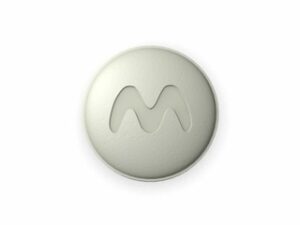

Arcoxia® (Etoricoxib) — Patient Information (Australia)
Arcoxia® is a medicine used to treat pain and inflammation in certain joint and musculoskeletal conditions. Its active ingredient is etoricoxib, a type of anti-inflammatory medicine known as a COX-2 selective NSAID (non-steroidal anti-inflammatory drug). This page explains what Arcoxia is, how it works, how it’s taken, important safety information, and frequently asked questions for people in Australia.
Note: Always follow the advice of your clinician and the directions on the product packaging. Individual suitability depends on your medical history.
Quick Facts
- Brand name: Arcoxia®
- Generic name: Etoricoxib
- Medicine type: COX-2 selective NSAID
- Used for: Pain and inflammation in specific conditions (e.g., osteoarthritis, rheumatoid arthritis, acute gout flares)
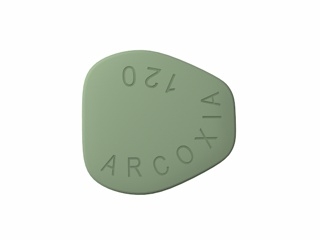
- Common strengths: 30 mg, 60 mg, 90 mg, and 120 mg tablets (availability may vary)
- How it’s taken: Usually once daily; timing depends on the condition and prescribed regimen
What Is Arcoxia and How Does It Work?
Mechanism of action (how it works): Etoricoxib reduces pain and inflammation by inhibiting the cyclooxygenase-2 (COX-2) enzyme. COX enzymes help produce prostaglandins, substances that contribute to inflammation, pain, and fever.
Because etoricoxib is more selective for COX-2 than COX-1, it can cause less stomach irritation than some older NSAIDs for many people. However, it can still carry important cardiovascular and gastrointestinal risks, particularly at higher doses or with longer use.
Pharmacokinetics (How the Body Handles It)
Pharmacokinetics describes what the body does to the medicine and how quickly it acts.
- Absorption: Etoricoxib is absorbed after oral dosing and reaches peak blood levels relatively quickly.
- Peak effect: The time to peak concentration is typically within a few hours after swallowing.
- Half-life: It has a fairly long duration of action, which is why once-daily dosing is common.
- Metabolism: It is metabolised primarily in the liver.
- Excretion: Metabolites are eliminated mainly via the kidneys and through bile/feces.
- Special populations: People with liver disease or kidney impairment may need different dosing or closer monitoring.
Typical Uses and Indications (Common Reasons It’s Prescribed)
Arcoxia is used to relieve pain and inflammation associated with certain conditions. Indications may vary by product label and clinical guidance.
| Condition | Purpose | Notes |
|---|---|---|
| Osteoarthritis | Relief of joint pain and inflammation | Typically used for symptomatic management during flare-ups or ongoing pain. |
| Rheumatoid arthritis | Reduction of pain and inflammatory symptoms | May be used to help manage symptoms alongside other treatments. |
| Ankylosing spondylitis | Relief of pain and stiffness | Helps improve function and mobility during active disease. |
| Acute gout | Short-term relief of severe gout flare pain | Used for acute episodes; duration is usually brief. |
Important: Arcoxia is an anti-inflammatory pain medicine. It does not cure the underlying condition, but it can make symptoms more manageable.
Dosing Overview (General Guidance)
Dose depends on the condition, severity, and your risk factors. In Australia, Arcoxia strengths are commonly 30 mg, 60 mg, 90 mg, and 120 mg tablets (exact availability can vary by pharmacy and timeframe).
General principles:
- Use the lowest effective dose for the shortest duration needed.
- Do not exceed recommended doses or take it more frequently than advised.
- If you have cardiovascular risk factors or previous stomach ulcers/bleeding, your clinician may choose a safer alternative or a different strategy.
Timing: Arcoxia is typically taken once daily. For many people it can be taken at any time of day, but it’s helpful to choose a consistent time. If you are taking it with other medicines, confirm timing instructions to avoid interactions.
Missed dose: If you miss a dose, take it when you remember unless it’s close to the next scheduled dose. Do not double up.
When Does It Start Working?
Etoricoxib generally begins to reduce pain and inflammation within the first hours after dosing. For persistent conditions, benefits may become more noticeable over several days of consistent use.
- Acute pain flares (e.g., gout): Some people experience noticeable relief relatively quickly.
- Chronic arthritis symptoms: Improvement may be gradual and can vary between individuals.
If you don’t feel better or your symptoms worsen, speak to a clinician rather than increasing the dose on your own.
Food Interactions (With and Without Meals)
Food generally has minimal clinically relevant effect on how much etoricoxib is absorbed. This means Arcoxia can often be taken with or without food.
Practical tip: If you have a sensitive stomach or experience nausea with NSAIDs, taking the medicine with food may reduce discomfort.
Still, avoid risky combinations: Food can’t protect you from all potential risks (such as blood pressure or kidney effects), which are influenced more by the drug itself and your personal health profile.
Alcohol and Medicine Interactions
Alcohol: Drinking alcohol while taking NSAID-type medicines may increase the risk of stomach irritation, ulcers, and bleeding, especially with higher doses or prolonged use.
General guidance for safety:
- Keep alcohol intake low or avoid alcohol if you have a history of ulcers, gastrointestinal bleeding, or heavy NSAID exposure.
- If you choose to drink, do so cautiously and never to “test” your tolerance.
Other medicine interactions: Arcoxia can interact with several common medications. Tell your pharmacist or clinician about everything you take, including supplements.
- Other NSAIDs (e.g., ibuprofen, naproxen, diclofenac): usually avoid combining, as it can increase GI and kidney risks.
- Blood thinners / anticoagulants (e.g., warfarin): increased bleeding risk.
- Antiplatelet medicines (e.g., aspirin, clopidogrel): may increase bleeding risk depending on the situation.
- ACE inhibitors / ARBs (e.g., perindopril, lisinopril, losartan, valsartan): combined use can affect kidney function, especially with dehydration.
- Diuretics (e.g., hydrochlorothiazide, furosemide): can increase kidney-related risks if you become dehydrated.
- Lithium: NSAIDs can increase lithium levels (toxicity risk).
- Methotrexate: can increase methotrexate toxicity at certain doses.
- Cyclosporine / tacrolimus: may raise kidney risk.
- Digoxin: NSAIDs can increase digoxin effects in some circumstances.
- Selective serotonin reuptake inhibitors (SSRIs) (e.g., sertraline, fluoxetine): may increase GI bleeding risk when combined with NSAIDs.
Always check compatibility—your pharmacist can help confirm safe combinations.
Safety Profile: Who Should Be Cautious?
Like all NSAIDs, etoricoxib can cause side effects. Most people tolerate it well when used appropriately, but the risk profile is important—particularly for heart, blood pressure, and kidneys.
Common side effects
- Headache
- Dizziness
- Stomach discomfort, indigestion, nausea
- Swelling/edema (fluid retention)
- Increased blood pressure in some people
Serious side effects (seek urgent medical help)
Stop and seek urgent help if you experience any of the following:
- Signs of allergy: swelling of face/lips, wheezing, severe rash
- Chest pain, shortness of breath, weakness on one side (possible cardiovascular event)
- Black, tarry stools or vomiting blood (possible GI bleeding)
- Severe stomach pain or persistent vomiting
- Sudden decrease in urine or severe swelling (kidney concerns)
- Yellowing of skin/eyes, dark urine, severe fatigue (possible liver problems)
Key risk groups
- Heart and circulation risk: Individuals with known cardiovascular disease, stroke history, uncontrolled hypertension, or high cardiovascular risk may require extra caution.
- History of ulcers or GI bleeding: NSAIDs can increase risk of serious bleeding, even without warning.
- Kidney disease: NSAIDs can reduce blood flow to kidneys, particularly when dehydrated.
- Liver impairment: Because it is metabolised in the liver, dose adjustments may be needed.
- Asthma or NSAID sensitivity: Some people with aspirin/NSAID sensitivity may experience reactions.
- Older adults: Higher risk of side effects; often the lowest dose and close monitoring are preferred.
- Pregnancy and breastfeeding: Suitability depends on trimester and clinical factors. Discuss with a clinician.
Practical Tips for Safe and Effective Use
- Use the lowest effective dose: Higher doses increase risk without necessarily improving safety.
- Short-term first: For flare-ups (e.g., gout), follow the planned short course.
- Stay hydrated: Dehydration increases the chance of kidney-related side effects—especially during hot weather or illness.
- Monitor blood pressure: If you have high blood pressure, check regularly and report changes.
- Watch for stomach symptoms: Heartburn, indigestion, or pain should be taken seriously—especially if you have risk factors.
- Avoid double-NSAID therapy: Do not combine with ibuprofen, naproxen, diclofenac, or other NSAIDs unless directed.
- Review all medicines: Some “over-the-counter” products (including cold/flu combinations) may also contain NSAIDs or interact.
- Don’t exceed recommended duration: If pain persists, seek guidance rather than continuing indefinitely.
Alternative Options (Depending on Your Condition)
Choosing an alternative depends on your diagnosis, pain severity, and risk factors. Common options include:
- Other NSAIDs: Such as ibuprofen or naproxen (may differ in risk profile, especially for stomach and cardiovascular outcomes).
- Paracetamol (acetaminophen): Useful for pain relief; does not have the same anti-inflammatory effect as NSAIDs.
- Topical anti-inflammatory medicines: Gels for localised osteoarthritis pain may reduce systemic exposure.
- Non-drug approaches: Physiotherapy, strengthening exercises, heat/cold therapy, weight management, and mobility aids.
- Disease-modifying treatments: For rheumatoid arthritis and some inflammatory conditions, longer-term medications may be needed to control the disease process.
If you’re considering switching from Arcoxia to another option, ask a clinician or pharmacist about safe timing between medicines.
Market and Legal Context for Australia
In Australia, medicines are regulated through the Therapeutic Goods Administration (TGA). COX-2 selective NSAIDs such as etoricoxib are typically supplied in accordance with Australian regulatory requirements, which may include prescription-only or other supply arrangements depending on product presentation and current scheduling.
Supply and availability can vary by region and by pharmacy stocking policies. When shopping online, ensure you use a reputable Australian pharmacy site and that your order complies with applicable laws and health requirements.
Always verify: product strength, dosage form (tablet), expiry date, and that you receive the medicine you intended to order.
Recent Guidance and Ongoing Safety Considerations
International and Australian regulatory and clinical guidance has emphasised that COX-2 selective NSAIDs should be used with caution, particularly regarding:
- Cardiovascular risk (heart attack, stroke), especially with higher doses and longer treatment
- Blood pressure effects
- Kidney risks in vulnerable people
- Gastrointestinal risks such as ulceration and bleeding
Clinicians commonly recommend using the lowest effective dose for the shortest possible time, and reassessing the need for ongoing therapy if symptoms persist.
Delivery and Availability (What to Expect Online in Australia)
Online pharmacies in Australia typically offer:
- Home delivery with tracking
- Packaging designed to protect tablet integrity during transport
- Customer support for order questions, dosing reminders, and medicine compatibility checks
Availability notes: Common strengths are more likely to be held in stock, while some strengths may require sourcing from suppliers. Delivery times can vary by location (metro vs regional/remote areas).
Before your order: confirm the exact tablet strength and quantity you need, and check that the product listing matches the medication name (Arcoxia) and active ingredient (etoricoxib).
FAQ
1) Is Arcoxia the same as other anti-inflammatory pain medicines?
Arcoxia contains etoricoxib, a COX-2 selective NSAID. While it is used for pain and inflammation like other NSAIDs, the COX selectivity and risk profile can differ from medicines such as ibuprofen or naproxen.
2) How should I take Arcoxia?
It’s usually taken once daily. You can often take it with or without food. Choose a time that fits your routine, and take it exactly as directed by your healthcare professional.
3) Can I take Arcoxia with food?
Yes. Food generally does not significantly change absorption. If you get indigestion, taking it with food may be more comfortable.
4) What if I drink alcohol?
Alcohol may increase the risk of stomach irritation, ulcers, and bleeding when combined with NSAID medicines. Keep alcohol to a minimum and avoid if you have GI risk factors.
5) Can I take it with aspirin or paracetamol?
Interactions depend on your situation. Paracetamol is often considered for pain relief alongside other medicines, but aspirin can increase bleeding risk and may affect cardiovascular plans. Ask your pharmacist or clinician for personalised guidance.
6) What should I avoid while taking Arcoxia?
Avoid combining with other NSAIDs (such as ibuprofen, naproxen, diclofenac) unless instructed. Be careful with “cold and flu” products that may contain NSAIDs.
7) How long can I take Arcoxia?
Use for the shortest effective duration. If you need it for ongoing symptoms, discuss a plan to reassess risks and benefits.
8) When should I stop and seek medical help?
Seek urgent care if you develop symptoms such as chest pain, shortness of breath, weakness, black stools, vomiting blood, severe abdominal pain, swelling of the face, or signs of an allergic reaction.
9) Is Arcoxia safe for everyone?
No. People with certain heart problems, a history of ulcers/bleeding, kidney disease, liver impairment, or NSAID sensitivity may need to avoid it or use it under close monitoring.
10) What are common side effects?
Headache, dizziness, indigestion/nausea, fluid retention, and raised blood pressure can occur. Report persistent or severe symptoms to a clinician.
Disclaimer
This information is intended to help patients understand Arcoxia (etoricoxib) and is not a substitute for professional medical advice. Always consult a healthcare professional for advice tailored to your health, especially if you have other medical conditions or take other medicines.