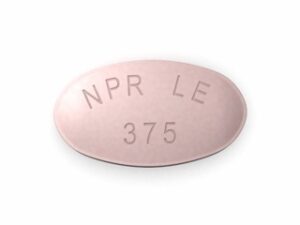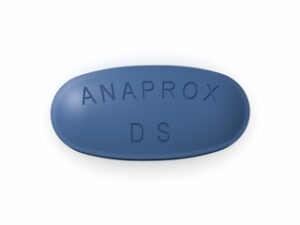
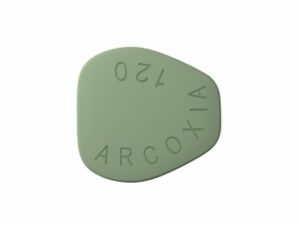

Etoricoxib (Australia): Patient-Friendly Guide
Etoricoxib is a medicine belonging to the anti-inflammatory drug class known as COX-2 selective NSAIDs (non-steroidal anti-inflammatory drugs). It is commonly used to help reduce pain and inflammation associated with certain musculoskeletal conditions.
This guide is written for people in Australia and is designed to be easy to read. It explains what etoricoxib is, how it works, how it is used, key safety considerations, and practical tips for day-to-day use.
1) Basic Product Information
- Generic name: Etoricoxib
- Drug class: COX-2 selective non-steroidal anti-inflammatory drug (NSAID)
- Common forms: Tablets (strengths may vary)
- Typical uses: Osteoarthritis, rheumatoid arthritis, ankylosing spondylitis, acute gout flares, and other pain/inflammation conditions (depending on local guidance)
- Brand names: Different brand names may exist; always check your specific product label
- How it’s taken: Usually once daily or as advised by your healthcare professional
Important: Always follow the directions on your medicine label. If you are unsure about dosing, ask a pharmacist for advice.
2) How Etoricoxib Works (Mechanism of Action)
Etoricoxib works by blocking an enzyme called cyclooxygenase-2 (COX-2). COX-2 is involved in the production of prostaglandins, which are chemicals that contribute to:
- Inflammation (swelling, redness, warmth)
- Pain
- Fever (in some conditions)
As a COX-2 selective NSAID, etoricoxib tends to have less effect on COX-1 in the stomach compared with some non-selective NSAIDs. However, it still carries meaningful risks, especially regarding the heart and blood vessels and the kidneys.
3) Pharmacokinetics (How Your Body Handles It)
Pharmacokinetics describes what happens to a medicine after you take it—absorption, distribution, metabolism, and elimination.
- Absorption: Etoricoxib is absorbed after oral dosing. With typical tablet use, peak levels are reached within a few hours (exact time can vary by person and formulation).
- Food effects: Food generally has minimal effect on overall absorption, but timing with meals can influence how quickly it starts working.
- Distribution: It circulates through the bloodstream and binds to proteins.
- Metabolism: The liver metabolises etoricoxib mainly through pathways involving cytochrome enzymes.
- Elimination: Metabolites are removed primarily via the kidneys and to some degree through bile.
Your doctor or pharmacist may adjust dosing in people with certain liver or kidney conditions.
4) Typical Use: What Etoricoxib Is Used For
Etoricoxib is used to relieve pain and inflammation related to:
- Osteoarthritis (OA): Joint pain and stiffness, often affecting knees, hips, hands, and spine.
- Rheumatoid arthritis (RA): Inflammatory joint disease.
- Ankylosing spondylitis: A form of inflammatory arthritis affecting the spine and sacroiliac joints.
- Acute gout flares: Sudden episodes of severe joint pain and inflammation (timing and dosing may differ from chronic conditions).
- Other conditions: In some cases, etoricoxib may be used for short-term pain conditions where NSAID therapy is appropriate.
Note: Indications and dosing can vary based on the product strength and local clinical recommendations. Always confirm with your healthcare professional.
5) Timing and When It Starts Working
Many people notice pain relief within the first day of use, though the timing may vary. For faster symptom relief, you may consider:
- Take at the same time each day if you are using it long-term.
- For acute pain (e.g., gout flare): follow your prescribed plan carefully. Do not extend treatment longer than advised.
- Expect gradual improvement: For chronic inflammatory conditions, benefits can build over several days.
If your symptoms worsen or do not improve as expected, seek advice rather than increasing the dose on your own.
6) Food Interactions (With Meals)
Compared with some other NSAIDs, etoricoxib generally has minimal interaction with food. However, food may affect how quickly the medicine begins to work.
- For many people: you can take it with or without food.
- If you want faster onset: taking it on an emptier stomach may help some people—unless your stomach tends to be sensitive with medicines.
- With frequent nausea: consider taking it with food (unless your clinician advised otherwise).
If you have a condition affecting absorption or your healthcare provider has given specific instructions, follow those instructions.
7) Alcohol and Medicine Interactions
Alcohol
Drinking alcohol while taking etoricoxib can increase the risk of side effects, particularly:
- Stomach irritation or bleeding (risk varies, but caution is important with all NSAIDs)
- Kidney stress (especially if you become dehydrated)
- Increased dizziness or general side effects
If you drink alcohol, it’s best to keep it modest and discuss your situation with a pharmacist—especially if you take other medicines that affect bleeding risk.
Common Medicine Interactions
Tell your pharmacist about all medicines you take, including over-the-counter products and supplements. Some medicines may interact with etoricoxib, including:
- Other NSAIDs (e.g., ibuprofen, naproxen, diclofenac): increases risk of side effects—usually avoid combining.
- Blood thinners (e.g., warfarin): can increase bleeding risk. Monitoring may be needed.
- Antiplatelet medicines (e.g., low-dose aspirin): can increase bleeding risk; do not change your aspirin unless advised.
- Diuretics (water tablets): can increase kidney-related risks.
- ACE inhibitors / ARBs (common for blood pressure): increases risk of kidney problems in some people.
- Lithium: levels may rise, increasing toxicity risk.
- Digoxin: possible changes in levels.
- Methotrexate: possible changes in toxicity risk, especially at higher doses.
- Corticosteroids (e.g., prednisolone): may increase risk of stomach side effects.
- Selective serotonin reuptake inhibitors (SSRIs) or other antidepressants affecting bleeding risk: may increase bleeding risk.
- Kidney and liver affecting medicines: additional monitoring may be necessary.
If you receive any new medication, check with your pharmacist or prescriber to confirm it’s safe with etoricoxib.
8) Indications in Plain Language
If you have conditions such as arthritis or gout flare-ups, etoricoxib may help by lowering inflammation and pain. It is typically used when symptoms affect daily activities such as walking, climbing stairs, or using your hands.
Depending on the condition, your clinician may consider:
- Short-term use during flare-ups
- Longer-term use for chronic inflammatory arthritis
- Non-drug strategies (exercise, physiotherapy, weight management) alongside medicine
9) Dosing (General Information)
Dosing depends on the condition, severity of symptoms, and your risk factors (heart, kidneys, liver). Always follow your product label or professional directions.
General dosing principles:
- Use the lowest effective dose for the shortest duration needed to control symptoms.
- Do not exceed the maximum dose listed for your specific product and indication.
- Do not combine with other NSAIDs unless your healthcare professional says otherwise.
Below is an example dosing overview structure (exact amounts vary by product strength and indication). Always refer to your local medicine information and label.
| Condition | Typical frequency | Notes |
|---|---|---|
| Osteoarthritis | Usually once daily | Often started at a lower dose; adjusted based on response and risk factors. |
| Rheumatoid arthritis | Usually once daily | Longer-term use may be considered; periodic review is important. |
| Ankylosing spondylitis | Usually once daily | May require ongoing assessment of benefits vs risks. |
| Acute gout flare | Short course, often once daily | Treatment duration is typically limited. Follow specific instructions closely. |
Special populations:
- Older adults: may be more susceptible to side effects; dose choice often becomes more cautious.
- Kidney impairment: dosing may need adjustment and monitoring.
- Liver impairment: higher caution is needed; do not exceed recommended limits.
- Cardiovascular risk: people with heart disease or high cardiovascular risk require careful evaluation.
10) Safety Profile: What to Watch For
Like all NSAIDs, etoricoxib can cause side effects. Many are mild, but some can be serious. The risk profile is especially relevant for: heart and blood vessels, kidneys, and gastrointestinal (GI) tract.
Common side effects
- Headache
- Fluid retention (swelling in ankles/feet)
- Indigestion or stomach discomfort (varies by person)
- Raised blood pressure in some people
- Dizziness
Serious side effects (seek urgent medical help)
Contact emergency services or seek urgent care if you experience:
- Chest pain, sudden shortness of breath, or weakness on one side of the body (possible heart attack or stroke symptoms)
- Black/tarry stools, vomiting blood, or severe stomach pain (possible GI bleeding)
- Severe allergic reaction (swelling of face/lips, trouble breathing, widespread rash)
- Reduced urination or sudden swelling (possible kidney problems)
- Yellowing of the skin/eyes or dark urine (possible liver issues)
Risk factors to discuss with your pharmacist or doctor
- History of heart disease, stroke, or high cardiovascular risk
- History of stomach ulcers or GI bleeding
- Kidney disease or dehydration
- Uncontrolled high blood pressure
- Use of blood thinners, steroids, or other medicines affecting bleeding
- Significant liver disease
11) Practical Use Tips (Safe, Effective Use)
- Check your strength: confirm you have the intended tablet strength before taking it.
- Follow the “lowest effective dose” principle: if symptoms improve, ask whether you can reduce the dose or shorten treatment.
- Don’t double up: avoid taking extra tablets to “catch up” a missed dose.
- Stay hydrated: dehydration can increase kidney-related risks, especially during hot weather or illness.
- Monitor blood pressure: etoricoxib can raise blood pressure; consider regular checks if you’re at risk.
- Consider gastroprotection if advised: some people may be recommended stomach-protecting medicines, especially with GI risk.
- Use non-drug supports: heat/cold packs, gentle exercise, physiotherapy, and weight management can improve outcomes.
If you miss a dose, take it when you remember only if it’s close to your next scheduled dose. If it’s almost time for the next dose, skip the missed dose. When in doubt, ask a pharmacist.
12) Alternative Options
Depending on the condition and your medical history, alternatives may include:
- Other NSAIDs (non-selective): such as ibuprofen or naproxen (choice depends on GI/cardiovascular and kidney risk).
- Topical NSAIDs (gel/cream): may help for some localized osteoarthritis pain with lower systemic exposure.
- Paracetamol (acetaminophen): may help with pain relief, though it may not reduce inflammation as much as NSAIDs.
- Non-pharmacological treatments: physiotherapy, strengthening, stretching, orthotics, activity modification, weight management.
- For inflammatory arthritis or gout: disease-specific therapies may be needed (your clinician will choose based on diagnosis and severity).
Always discuss alternatives with a healthcare professional, particularly if you have heart disease, kidney disease, ulcers, or take blood thinners.
13) Market & Legal Context for Australia
In Australia, medicines are regulated through the Therapeutic Goods Administration (TGA) and must comply with Australian product standards, labelling requirements, and safety monitoring.
The availability of etoricoxib products can vary by strength and brand, and some NSAIDs may have restrictions on supply depending on local scheduling requirements. For the safest and most accurate advice, consult product-specific information and your pharmacist.
Please note that guidance and availability may change over time as new evidence emerges and as regulators update recommendations.
14) Recent Guidance and Ongoing Precautions
COX-2 selective NSAIDs have been under ongoing review globally due to well-recognised risks related to cardiovascular events. In practice, clinicians often emphasise:
- Careful patient selection (avoiding or using caution in people with high cardiovascular risk)
- Lowest effective dose and shortest duration
- Monitoring for blood pressure changes, kidney function risk, and GI symptoms
- Consideration of non-drug measures and alternative medicines where appropriate
If you have multiple health conditions or take several regular medicines, it’s especially important to have a pharmacist review your plan before starting or continuing etoricoxib.
15) Delivery and Availability (Online Pharmacy Considerations)
We aim to provide fast, reliable service for customers across Australia. Availability can vary depending on local stock levels and the strength you require.
- Stock checks: product availability may change; your order may be processed once stock is confirmed.
- Dispatch times: orders are typically dispatched within business days, depending on verification and warehousing.
- Packaging: medicines are shipped in appropriate protective packaging to help preserve product integrity.
- Tracking: tracking details may be provided where available.
If you need help choosing the correct strength, or you’re unsure about whether etoricoxib is suitable for you, our pharmacy team can guide you on what information to provide and what to look for on the label.
16) Frequently Asked Questions (FAQ)
Is etoricoxib the same as ibuprofen or naproxen?
Etoricoxib is an NSAID, but it is COX-2 selective. Ibuprofen and naproxen are typically considered non-selective NSAIDs. They are not interchangeable without considering differences in risk, dosing schedules, and your medical history.
Can I take etoricoxib with food?
In many cases, yes. Food generally has minimal impact on how much is absorbed, though it may affect how quickly symptoms improve. If you get indigestion, taking it with food may help.
What if I forget a dose?
Take it when you remember only if it’s close to your next scheduled dose. If it’s almost time for the next dose, skip the missed dose and continue as normal. Avoid taking extra to make up for a missed tablet.
How long can I use etoricoxib?
Duration depends on the condition and your risk factors. The general principle is lowest effective dose for the shortest time needed. For chronic arthritis, longer review periods may be required.
Who should be extra cautious with etoricoxib?
Use extra caution and seek professional guidance if you have: heart disease or stroke history, high blood pressure, kidney disease, a history of ulcers or bleeding, liver disease, or you take blood thinners or multiple medicines that increase risk.
Does etoricoxib raise blood pressure?
It can. If you have hypertension or are at cardiovascular risk, consider regular blood pressure monitoring. Contact a clinician if you notice persistent increases or symptoms like headaches or shortness of breath.
Can I drink alcohol while taking etoricoxib?
It’s best to limit alcohol. Alcohol can increase the risk of side effects such as stomach irritation and kidney stress, particularly if you are dehydrated or taking other medicines that affect bleeding.
What should I avoid while taking etoricoxib?
Avoid combining it with other NSAIDs unless specifically advised (for example ibuprofen, naproxen, diclofenac). Also avoid non-prescribed “painkiller stacks” and check with a pharmacist before adding new medicines.
What are warning signs that mean I should stop and get help?
Seek urgent medical attention for signs of: chest pain, stroke symptoms, severe allergic reactions, black/tarry stools or vomiting blood, severe stomach pain, or signs of kidney problems such as reduced urination and sudden swelling.
17) Summary
Etoricoxib is a COX-2 selective NSAID used to reduce pain and inflammation in conditions such as osteoarthritis, rheumatoid arthritis, ankylosing spondylitis, and acute gout flares. It works by blocking COX-2, helping to lower prostaglandins that drive pain and inflammation.
While etoricoxib can be effective, it requires careful use due to potential risks—especially for the heart, blood pressure, kidneys, and gastrointestinal system. Taking the lowest effective dose for the shortest appropriate duration, avoiding unnecessary combinations with other NSAIDs, and watching for warning signs helps support safer use.
If you have questions about whether etoricoxib is suitable for you or how to take it safely alongside your other medications, speak with a pharmacist for tailored advice.