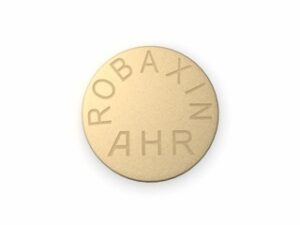
Tizanidine (Tizanidine Hydrochloride) – Patient Guide (Australia)
Tizanidine is a medicine used to reduce muscle stiffness and spasms, helping you move more comfortably and perform daily activities with less discomfort. This page explains how tizanidine works, how it is used, timing considerations, important safety information, and practical tips for using it effectively in Australia.
Basic product information
| Item | Details |
|---|---|
| Generic name | Tizanidine (often as tizanidine hydrochloride) |
| Medicine type | Central muscle relaxant (acts on the brain/spinal cord) |
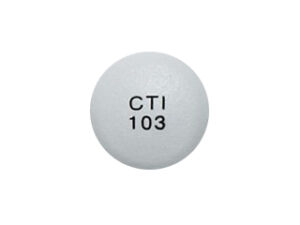
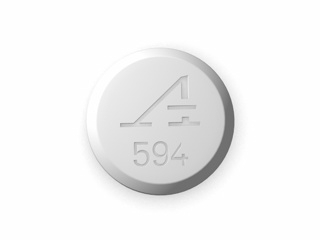
| Common forms | Oral tablets (strengths may vary by product) |
| How it works | Reduces overactive nerve signals that cause muscle spasticity |
| Typical onset | Often begins working within hours; full benefit may take a few days |
| Key precautions | Sleepiness, dizziness, low blood pressure, liver monitoring in some patients |
What tizanidine is used for
Tizanidine is used to treat muscle spasticity—a condition where muscles become stiff or tight due to abnormal signals from the nervous system. It is commonly used when spasticity affects movement, comfort, and function.
Common indications
- Spasticity due to multiple sclerosis
- Spasticity due to spinal cord injury
- Spasticity related to other neurological conditions where muscle tone is increased
- Sometimes, acute or chronic muscle spasm may be treated under clinician guidance
The goal is usually to reduce spasm frequency and severity, improve comfort, and support mobility and physiotherapy.
How tizanidine works (mechanism of action)
Tizanidine reduces muscle tone by acting on receptors in the brain and spinal cord. Specifically, it is an alpha-2 adrenergic receptor agonist. By stimulating these receptors, tizanidine helps:
- Decrease excitatory nerve signalling within the spinal cord
- Reduce reflex muscle contraction that contributes to spasticity
- Promote muscle relaxation, which can ease stiffness and spasms
Because its effects involve the central nervous system, some people may experience sedation or dizziness.
Pharmacokinetics (how the body handles tizanidine)
Understanding pharmacokinetics can help you use the medicine more safely and predict timing effects.
Absorption
- Tizanidine is absorbed after oral dosing.
- Peak blood levels occur within a few hours (the exact time can vary between people).
Distribution
- Tizanidine distributes through the body and crosses into the central nervous system to exert its effects.
Metabolism
- It is primarily metabolised by the liver enzyme CYP1A2.
- This is important because interactions can occur when medicines or substances inhibit CYP1A2.
Elimination
- Tizanidine is cleared from the body relatively quickly compared with some other muscle relaxants.
- This is why dosing is often divided through the day.
The combination of liver metabolism and relatively short duration means interactions and timing with other substances (including certain antibiotics and smoking status in some cases) can be clinically relevant.
Typical dosing and timing
Dosing is individual. Many people start on a low dose and gradually adjust based on response and side effects. Common clinical strategies include:
- Start low to reduce dizziness and sleepiness
- Increase gradually only if needed and tolerated
- Use the smallest effective dose
- Divide doses across the day when spasticity affects multiple periods
Example timing patterns (not a substitute for clinician advice)
- Evening dose for night-time stiffness or sleep interruption due to spasm
- Two or three divided doses across the day to maintain symptom control
If you experience excessive sleepiness or low blood pressure, your dosing schedule may need review (for example, reducing daytime doses or taking doses with more time in between).
How to take tizanidine
- Take tablets by mouth with water.
- Try to take doses at consistent times each day.
- Do not abruptly stop without advice if you have been taking it regularly—some people can experience rebound symptoms.
Food interactions
Food can influence how quickly tizanidine is absorbed and the level it reaches in the bloodstream. The most important general advice is:
- Be consistent with whether you take tizanidine with or without food.
- If your prescriber or pharmacist provides specific instructions for your brand, follow those directions.
In practice, many people use tizanidine with meals or after food to reduce stomach discomfort and to help stabilise absorption. However, the best approach is to follow the instructions relevant to your specific product.
Alcohol interactions
Alcohol can increase the risk of side effects from tizanidine, including:
- Sleepiness and impaired alertness
- Dizziness and falls
- Low blood pressure
For safety, it’s generally recommended to avoid alcohol or keep it minimal while using tizanidine.
Medicine interactions (important)
Because tizanidine is metabolised by CYP1A2, drug interactions can be significant. Always provide your pharmacist with a full list of medicines and supplements you take.
Common interaction categories to discuss
- Strong CYP1A2 inhibitors (may greatly increase tizanidine levels, increasing risk of severe sleepiness, dizziness, and low blood pressure). Examples may include some fluoroquinolone antibiotics (such as ciprofloxacin) and certain other medicines—your pharmacist can check specifics.
- Medicines that also lower blood pressure (additive effects can lead to dizziness/fainting).
- Other sedating medicines (e.g., benzodiazepines, some sleep medicines, opioids, certain antidepressants or antihistamines). Combined effects can worsen drowsiness and breathing safety.
- Other muscle relaxants (may increase sedation and weakness).
- Smoking status changes: because CYP1A2 is affected by components of tobacco smoke, changes in smoking patterns may alter how tizanidine is cleared. Tell your pharmacist if you smoke or recently stopped.
Non-medicine substances
- Herbal products and supplements can also interact. Ask before starting new products.
- Grapefruit: While grapefruit is more famous for CYP3A4 interactions, individual products may include relevant guidance. Your pharmacist can confirm for tizanidine specifically.
How quickly it works and when to expect benefit
Many people notice changes in muscle tightness and spasm within hours after taking a dose. For spasticity, the overall plan often includes:
- Short-term response: early improvement can occur quickly
- Ongoing adjustment: dose changes may be made over days to find the most effective and tolerable regimen
- Functional goals: benefits are often evaluated by ease of movement, comfort, sleep quality, and ability to participate in physiotherapy
If you do not notice improvement or your side effects are too strong, speak with your pharmacist or clinician to review timing, dose, and interaction risks.
Safety profile: common and serious side effects
Common side effects
- Drowsiness / fatigue
- Dizziness or light-headedness
- Dry mouth
- Low blood pressure (especially when standing)
- Nausea or gastrointestinal discomfort
- Weakness or reduced muscle power (dose-related)
Serious side effects (seek urgent medical help)
- Fainting, severe dizziness, or symptoms of significant low blood pressure
- Chest pain or signs of an abnormal heart rhythm
- Severe allergic reactions (swelling of face/lips, breathing difficulty, hives)
- Marked liver problems (yellow skin/eyes, dark urine, severe abdominal pain, unusual tiredness). Some patients may require liver function testing.
- Severe sedation or confusion, especially if combined with other sedating substances
Monitoring
Your clinician may consider blood pressure checks and, in some situations, liver function tests. Monitoring is more likely if:
- Doses are increased
- There are risk factors for liver disease
- Symptoms suggest liver injury
Practical use tips
- Stand up slowly to reduce dizziness or light-headedness.
- Be cautious driving or operating machinery until you know how tizanidine affects you.
- Plan your first doses when you can rest. Many people feel stronger sedation early in treatment or after dose increases.
- Hydrate and maintain regular meals where possible, particularly if you’re prone to low blood pressure.
- Keep a symptom diary to track spasm severity, sleep, and side effects. This makes dose review more effective.
- Don’t mix sedatives casually. Ask your pharmacist before using sleeping tablets, sedating antihistamines, or opioid pain medicines.
- Adherence matters: take doses at the recommended times and avoid skipping doses unless advised.
Alternative options for muscle spasticity
If tizanidine doesn’t provide enough benefit or causes side effects, there are alternatives. Options may include:
Other oral medications
- Baclofen
- Dantrolene (depending on the condition and risk profile)
- Diazepam or other benzodiazepines (often used cautiously due to sedation and dependence risk)
- Other centrally acting muscle relaxants as appropriate to the individual
Non-oral and supportive approaches
- Physiotherapy and stretching programmes
- Occupational therapy for daily function strategies
- Orthotics or splints (where indicated)
- Focal treatments such as botulinum toxin injections for targeted muscle groups
- Neuromuscular approaches in selected cases (your clinician can discuss suitability)
The best option depends on the cause of spasticity, which muscles are affected, your medical history, and your tolerance of side effects.
Australia: market and legal context (patient-friendly)
In Australia, medicines are regulated under the Therapeutic Goods Administration (TGA) and the Australian regulatory framework. Availability of tizanidine depends on its classification and local prescribing/dispensing requirements. Pharmacies must comply with Australian laws for supply, storage, labelling, and patient information.
If you’re ordering through an online pharmacy, you should expect:
- Clear product information (strength, form, manufacturer/brand)
- Advice from qualified health professionals when needed
- Secure payment and delivery options
- Compliance with Australian medicine handling standards
Guidance and recommendations can change over time. If you want to check the latest information relevant to your situation, speak with your pharmacist and refer to official medicine resources.
Recent guidance and evolving safety awareness
While specific guidance can vary by timeframe and product, key ongoing themes in practice include:
- Interaction vigilance due to CYP1A2 metabolism (particularly with medications that inhibit this pathway).
- Monitoring for low blood pressure and sedation, especially in older adults or those taking other central nervous system depressants.
- Awareness of liver risk and appropriate laboratory monitoring when indicated.
Your pharmacist can help ensure your current medication list is checked for clinically important interactions.
Delivery and availability (online pharmacy)
Availability may vary by strength, brand, and stock on the day you order. Many online pharmacies in Australia aim to provide:
- Product selection including different strengths or brands where available
- Tracking and delivery updates
- Well-packaged shipping to protect tablets during transit
- Customer support if you have questions about timing, usage, or compatibility with other medicines
Delivery times can depend on your location (metro vs regional), courier schedules, and whether the item is in stock. If your medication is urgent, contact customer service to check dispatch time and expected delivery window.
Frequently asked questions (FAQ)
1) How should I start tizanidine?
Many people begin with a low dose to reduce dizziness and drowsiness, then adjust based on effect and tolerability. Follow the dosing instructions provided for your specific regimen and confirm any changes with your pharmacist or clinician.
2) When is the best time to take it?
Timing depends on when your spasticity is worst (daytime stiffness, nighttime spasms, or both). Some people benefit from an evening dose for night-time symptoms, while others require divided doses. Keep consistent timing to maintain stable effects.
3) Can I take tizanidine with food?
Food may affect absorption. It’s generally recommended to be consistent with whether you take it with meals. If you’ve noticed changes in side effects or symptom control related to meals, discuss this with your pharmacist.
4) Can I drink alcohol while taking tizanidine?
It’s best to avoid alcohol or keep it very minimal. Alcohol can increase sedation, dizziness, and low blood pressure risk.
5) What medicines should I avoid?
Avoid combinations that interact with tizanidine, particularly strong inhibitors of CYP1A2 and medicines that cause sedation or lower blood pressure. Provide your full medication list to your pharmacist to check for interactions.
6) What if I feel very sleepy or dizzy?
Do not drive or operate machinery. If symptoms are severe or you feel faint, seek urgent medical help. For persistent side effects, speak with a pharmacist or clinician promptly; dose adjustments are often possible.
7) Does tizanidine affect my blood pressure?
Yes. Tizanidine can lower blood pressure, especially when standing. If you have a history of low blood pressure, dehydration, or falls, extra caution is recommended.
8) Will I need blood tests?
Some patients may require liver function monitoring, particularly if doses are higher, increased, or if symptoms suggest liver issues. Your clinician will decide what monitoring is appropriate.
9) Is it safe for older adults?
Older adults may be more sensitive to sedation and blood pressure changes. Extra caution, slower dose changes, and careful monitoring may be recommended.
10) What should I do if I miss a dose?
If you miss a dose, take it when you remember if it’s close to the next scheduled time. If it’s near the next dose, skip the missed dose and continue your schedule. Do not take double doses. If you’re unsure, ask your pharmacist.
When to seek urgent help
Get urgent medical attention if you experience severe dizziness, fainting, trouble breathing, signs of an allergic reaction, chest pain, or symptoms that suggest serious liver problems (such as yellowing of the skin/eyes or dark urine).
Summary
Tizanidine is a central muscle relaxant used to reduce spasticity-related stiffness and spasms. It works by stimulating alpha-2 adrenergic receptors in the brain and spinal cord, which helps decrease abnormal muscle reflex activity. Because it is metabolised by the liver enzyme CYP1A2, drug interactions can be important. Side effects such as sleepiness, dizziness, and low blood pressure can occur—especially early in treatment or after dose increases. Consistent dosing, careful avoidance of alcohol and sedating combinations, and prompt advice for troubling symptoms can help you use tizanidine more safely and effectively.