
Celecoxib (Celecoxib) — Patient-Friendly Guide (Australia)
Celecoxib is a widely used medicine belonging to the non-steroidal anti-inflammatory drug (NSAID) family. It is commonly used to relieve pain and inflammation in conditions such as arthritis. Compared with some older NSAIDs, celecoxib is designed to be more selective for COX-2, which can help reduce certain stomach side effects in some people.
This guide explains how celecoxib works, how it is used, what to consider before and during treatment, and practical tips for safer use. It is written for patients in Australia and includes general information you can discuss with a pharmacist or doctor.
Quick product information
| Category | Details |
|---|---|
| Medicine | Celecoxib |
| Drug class | NSAID (COX-2 selective) |
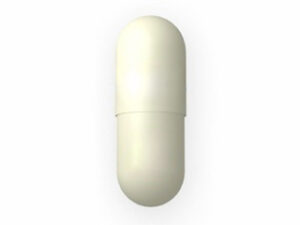
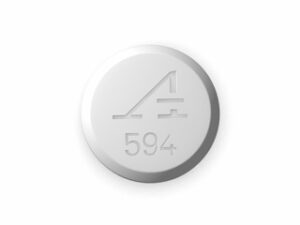
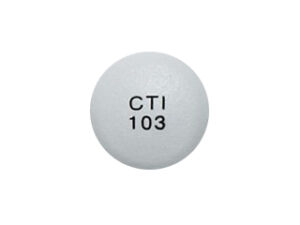
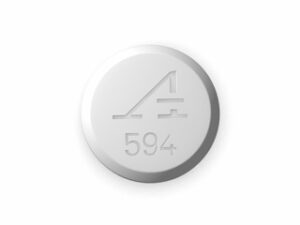
| Common forms | Tablets (strengths vary) |
| Typical uses | Osteoarthritis, rheumatoid arthritis, ankylosing spondylitis, pain/inflammation |
| How it’s taken | By mouth, once or twice daily depending on the condition |
| Key cautions | Heart/blood pressure risk, stomach/bleeding risk, kidney effects, interactions |
How celecoxib works (mechanism of action)
Celecoxib helps reduce pain, inflammation, and fever by affecting prostaglandins—chemicals your body releases during inflammation and pain. Specifically, celecoxib inhibits an enzyme called cyclooxygenase-2 (COX-2).
- COX-2 inhibition lowers the production of prostaglandins involved in inflammation and pain.
- Because celecoxib is more COX-2 selective than many non-selective NSAIDs, it may cause less stomach irritation in some people.
- However, it is still an NSAID and can still carry risks such as gastrointestinal bleeding and kidney effects—especially at higher doses or in higher-risk patients.
Pharmacokinetics (how the body handles celecoxib)
Pharmacokinetics describes what the body does to the medicine (absorption, distribution, metabolism, elimination). The following points are useful for understanding timing and interactions.
- Absorption: Celecoxib is absorbed from the gut after you take a dose. Absorption may vary slightly depending on whether you take it with food.
- Time to effect: Pain relief may begin within a few hours for many people, though full benefit for chronic conditions can take several days to weeks.
- Distribution: It binds to plasma proteins and distributes into tissues where inflammation occurs.
- Metabolism: Celecoxib is mainly metabolised in the liver, largely through the CYP2C9 enzyme pathway.
- Elimination: Metabolites are eliminated primarily through urine. The drug’s elimination half-life supports dosing once or twice daily depending on indication.
If you have liver disease or take medicines that affect CYP2C9, your clinician may adjust the dose or monitoring.
What celecoxib is typically used for (indications)
Celecoxib is used for conditions where inflammation and pain play a major role. Typical indications include:
- Osteoarthritis (OA): to reduce pain and inflammation in joints affected by wear-and-tear.
- Rheumatoid arthritis (RA): to reduce pain, swelling, and stiffness.
- Ankylosing spondylitis (AS): to relieve symptoms in inflammatory back conditions.
- Short-term pain and inflammation in some circumstances (depending on local prescribing guidance and product formulation).
Celecoxib does not cure arthritis, but it can improve comfort and function while you and your healthcare team manage the underlying condition.
Timing and how to take celecoxib
Timing depends on your specific condition and the prescribed dosing schedule shown on the medicine pack. As a general guide:
- Follow the dosing instructions on your pack or as advised by your healthcare professional.
- Take at the same times each day to maintain steadier pain relief.
- If your dose is twice daily, a common approach is to take it roughly 12 hours apart.
- If you miss a dose, take it when you remember unless it is close to the time of the next dose; do not take a double dose.
For long-term conditions, it may take some time to judge how well celecoxib works for you. Keep track of symptom relief and any side effects to discuss with your pharmacist.
Food interactions and what to eat
Food can influence the absorption rate of celecoxib. In most people, celecoxib can be taken with or without food. However, your overall stomach comfort may improve if you take it with food.
- With food: may reduce nausea or stomach discomfort for some people.
- Without food: may be acceptable but could be more irritating to the stomach in some individuals.
If you are also taking medicines that protect the stomach (such as proton pump inhibitors) or blood thinners, ask your pharmacist about the best schedule to reduce discomfort and interactions.
Alcohol interactions
Alcohol can increase the risk of stomach irritation and gastrointestinal bleeding when combined with NSAIDs, even COX-2 selective medicines. Alcohol may also worsen blood pressure and kidney effects in vulnerable people.
- To reduce risk, consider limiting or avoiding alcohol while using celecoxib—especially if you have a history of ulcers or GI bleeding.
- If you choose to drink, keep it moderate and avoid binge drinking.
Seek urgent medical help if you notice symptoms such as black/tarry stools, vomiting blood, or severe stomach pain.
Medicine interactions (important)
Celecoxib may interact with other medicines. Interactions can affect either the chance of side effects or the effectiveness of treatment. Always provide your pharmacist with a complete list of medicines and supplements, including “natural” products.
1) Other NSAIDs and aspirin
- Avoid taking other NSAIDs (such as ibuprofen, naproxen, diclofenac) at the same time unless specifically advised.
- Aspirin: low-dose aspirin may be prescribed for heart protection in some people. Do not stop aspirin without medical advice. Combination can increase GI risk.
2) Blood thinners and antiplatelets
- Medicines such as warfarin and some other blood thinners can increase bleeding risk when combined with NSAIDs.
- Clopidogrel and other antiplatelet medicines may also raise bleeding risk.
3) Medicines that affect blood pressure and kidneys
- Celecoxib can reduce the effect of some blood pressure medicines and may stress the kidneys in susceptible people.
- Extra caution is needed with medicines such as ACE inhibitors, angiotensin receptor blockers (ARBs), and diuretics.
4) Lithium and methotrexate
- Celecoxib may increase levels of lithium or methotrexate in some situations, raising toxicity risk.
- Monitoring may be required if these are used together.
5) CYP2C9 inhibitors or inducers
- Celecoxib is metabolised by CYP2C9. Medicines that inhibit this enzyme can raise celecoxib exposure.
- Always ask about interactions if you take medicines such as some antifungals or antibiotics known to affect CYP enzymes.
6) Corticosteroids, SSRIs, and other GI-bleeding risk medicines
- Taking celecoxib with corticosteroids or SSRIs (for depression/anxiety) may increase GI bleeding risk.
Dosing: typical adult regimens (general information)
Dosing depends on the condition, your age, kidney function, liver function, and other medicines you take. For patient understanding, below are common dosing approaches used in practice. Always follow the dose stated on your medicine pack.
- Osteoarthritis: often taken once or twice daily depending on strength and clinician advice.
- Rheumatoid arthritis: often taken twice daily.
- Ankylosing spondylitis: often taken once or twice daily depending on response.
- Pain or inflammation (short-term use): dosing may differ based on the indication and local product guidance.
General safety principle: Use the lowest effective dose for the shortest duration needed. Higher doses and longer treatment increase cardiovascular and gastrointestinal risks.
Safety profile: what to watch for
Like all medicines, celecoxib can cause side effects. Most people tolerate it well, but it is important to know warning signs.
Common side effects
- Indigestion, nausea, or abdominal discomfort
- Headache
- Swelling of ankles/feet (fluid retention) in some people
- Dizziness
Serious risks (seek urgent care)
The following symptoms can indicate serious problems and should be treated as urgent:
- Signs of gastrointestinal bleeding: black/tarry stools, blood in vomit, vomiting that looks like coffee grounds, severe stomach pain
- Signs of allergy: rash, facial swelling, wheezing, difficulty breathing
- Heart or stroke warning signs: chest pain, sudden shortness of breath, weakness on one side, sudden speech trouble
- Kidney problems: reduced urination, sudden weight gain, swelling, severe fatigue
- Severe skin reactions: blistering rash or peeling skin
Who needs extra caution?
- People with a history of ulcers or GI bleeding
- People with heart disease, history of stroke, or uncontrolled high blood pressure
- People with kidney impairment or dehydration
- Older adults (higher risk of side effects)
- People taking blood thinners or multiple medicines that affect bleeding or kidneys
- People with liver disease
If you are at higher risk, your pharmacist may suggest additional measures such as stomach protection and closer monitoring.
Practical use tips for safer, more effective treatment
- Stay hydrated: dehydration can increase kidney risk with NSAIDs—especially during hot weather or illness.
- Check your blood pressure: NSAIDs can affect blood pressure in some people.
- Review all medicines: include over-the-counter products (especially other pain relievers).
- Do not “stack” NSAIDs: avoid combining celecoxib with ibuprofen/naproxen/diclofenac.
- Use a pain diary: note pain levels, timing, and side effects to help optimise dose and duration.
- Take with food if your stomach is sensitive: this can improve tolerability for some people.
- Stop and seek advice if warning signs appear: early action can prevent complications.
Alternative options (if celecoxib isn’t suitable)
Depending on your condition and risk factors, a healthcare professional may consider other approaches. Alternatives can be divided into medication and non-medication strategies.
Other medicines
- Other NSAIDs: ibuprofen, naproxen, diclofenac (each has similar or different risk profiles).
- Paracetamol (acetaminophen): sometimes used for pain relief, particularly when inflammation is less prominent. Note that paracetamol does not reduce inflammation like NSAIDs.
- Topical NSAIDs: gels or creams (useful for certain joint pains, with lower systemic exposure).
- Medicines for inflammatory arthritis: disease-modifying therapies may be considered for RA/AS by your clinician.
Non-medicine options
- Physiotherapy, exercise programmes, strengthening and mobility work
- Heat/cold therapy and ergonomic adjustments
- Weight management (for osteoarthritis)
- Assistive devices (braces, walking aids) where appropriate
If you need an alternative, ask your pharmacist about options that match your risk level (stomach, kidney, heart) and the type of pain you have.
Australia market and legal context (general)
Medicines containing celecoxib are regulated under Australian health and medicines requirements. Supply arrangements and whether a product is available as a specific category (for example, prescription-only versus other regulated channels) can depend on the product strength and formulation.
- Regulation: Australian medicines are governed by the Therapeutic Goods Administration (TGA).
- Patient safety: pharmacists and other healthcare providers help ensure correct selection, dosing, and monitoring based on your history and other medicines.
- Branding and availability: different brands and pack sizes may be available through authorised suppliers.
If you have questions about the specific product you’re viewing, your pharmacist can confirm availability, pack strength, and instructions.
Recent guidance and risk awareness (what matters now)
In Australia and internationally, ongoing clinical guidance emphasises balancing benefits and risks with NSAIDs, including COX-2 selective agents. Key points that often shape current practice include:
- Individual risk assessment for cardiovascular and gastrointestinal side effects.
- Use the lowest effective dose and reassess the need for continued treatment regularly.
- Greater caution in people with risk factors such as prior ulcer/bleeding, established heart disease, uncontrolled blood pressure, or kidney impairment.
- Review interactions with anticoagulants, antiplatelets, ACE inhibitors/ARBs, diuretics, corticosteroids, and SSRIs.
Your pharmacist can help interpret your situation—for example, whether stomach protection or blood pressure monitoring is advisable.
Delivery and availability (online pharmacy information)
Availability of celecoxib products may vary by supplier and pack strength. When ordering online, you can typically expect:
- Stock dependent on demand: some strengths may be more readily available than others.
- Packaging: products are supplied in original packaging with patient information leaflets where required.
- Delivery: courier or Australia Post options may be offered depending on location.
- Identification and compliance checks: your order may include verification steps to ensure safe supply.
Delivery times vary by postcode and whether the item is in local warehouse stock. If you need your medicine by a specific date, check estimated delivery options before completing checkout.
FAQ — Common questions about celecoxib
1) Is celecoxib a steroid?
No. Celecoxib is an NSAID. It is not a corticosteroid (steroid). It works by reducing prostaglandin production via COX-2 inhibition.
2) How quickly will celecoxib help my pain?
Many people notice pain relief within a few hours. For chronic inflammatory conditions like rheumatoid arthritis or ankylosing spondylitis, improvement can be gradual over days to weeks. Your pharmacist can help you set realistic expectations.
3) Can I take celecoxib with food?
Yes, it can usually be taken with or without food. If you experience stomach discomfort, taking it with food may improve tolerability.
4) Should I avoid ibuprofen or naproxen while taking celecoxib?
In most cases, you should avoid combining celecoxib with other NSAIDs (such as ibuprofen or naproxen) because this can increase side effects, including stomach bleeding and kidney risk. If your clinician has advised a combination, follow that plan.
5) What about aspirin?
Some people take low-dose aspirin for heart protection. Do not stop aspirin unless your clinician advises it. Combining aspirin with NSAIDs can increase GI bleeding risk, so it’s important to follow personalised guidance.
6) Can I drink alcohol?
Alcohol may increase the risk of stomach irritation and bleeding when combined with NSAIDs. Limiting or avoiding alcohol is often the safest option, particularly if you have a history of ulcers or GI bleeding.
7) What should I do if I miss a dose?
Take it when you remember unless it’s near the next scheduled dose. Do not take a double dose. If you’re unsure, ask your pharmacist.
8) Who should not take celecoxib?
Celecoxib may not be suitable for everyone, particularly people with certain allergies, past severe allergic reactions to NSAIDs, active ulcer/bleeding, or significant kidney or heart problems. A pharmacist can help check suitability based on your medical history.
9) What side effects require urgent attention?
Seek urgent help for signs of gastrointestinal bleeding (black stools, vomiting blood), allergic reactions (swelling, breathing difficulty), chest pain or stroke-like symptoms, severe skin reactions, or signs of kidney problems (very reduced urination, significant swelling).
10) Are there alternatives if I can’t tolerate celecoxib?
Yes. Alternatives may include other pain relief options (including paracetamol or topical therapies) and different anti-inflammatory medicines, as well as non-drug approaches. The best choice depends on your condition and risk profile.
Important reminder
This information is general and designed to help you understand celecoxib. Individual suitability and dosing depend on your health conditions, age, other medicines, and specific product strength. If you have questions before or while taking celecoxib, speak with a pharmacist for tailored advice.