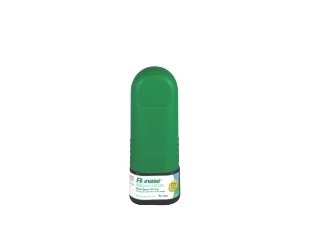
Flonase Nasal Spray (Fluticasone) – Patient Guide (Australia)
Flonase Nasal Spray contains fluticasone, a corticosteroid medicine used to help relieve symptoms of allergic and non-allergic inflammation in the nose. It works locally where it’s needed—inside the nasal passages—to reduce swelling and congestion, and to ease symptoms such as sneezing and blocked nose.
This guide is designed to be patient-friendly and practical. It covers how Flonase works, typical dosing, timing, interactions, safety, and frequently asked questions. Always follow the instructions provided with your product and your healthcare professional’s advice.
Basic Product Information
| Feature | What to know |
|---|---|
| Medicine name | Flonase Nasal Spray |
| Active ingredient | Fluticasone (intranasal corticosteroid) |
| How it works | Reduces nasal inflammation and allergic symptoms |
| Common uses | Allergic rhinitis (hay fever), nasal symptoms of inflammation |
| Route | Spray into the nose |
| Availability in Australia | Available through pharmacies and some retail channels (availability may vary by pack and strength) |
How Flonase Works (Mechanism of Action)
Flonase (fluticasone) is an intranasal corticosteroid. Corticosteroids reduce inflammation by:
- Inhibiting inflammatory chemicals involved in allergic and inflammatory responses.
- Decreasing swelling of the nasal lining (the mucosa).
- Improving airflow by reducing congestion.
- Lowering symptoms like sneezing, itching, runny nose, and post-nasal drip.
Unlike some rapid-relief medicines, corticosteroid nasal sprays are typically not instant. They work best with consistent daily use.
Pharmacokinetics (What the Body Does to the Medicine)
Pharmacokinetics describes how a medicine is absorbed, processed, and eliminated. With intranasal fluticasone, most of the effect is local in the nose.
- Absorption: After spraying, a portion of the medicine deposits in the nasal passages. A small amount may be swallowed and absorbed through the gastrointestinal tract.
- Metabolism: Fluticasone is largely metabolised in the liver (and also in the gut lining) by enzymes, primarily CYP3A4.
- Excretion: Metabolites are mainly cleared through bile and faeces, with only minor elimination via urine.
- Systemic exposure: With proper intranasal use, blood levels are generally low, but interactions with certain medicines can increase systemic exposure.
Practical takeaway: Because most action is local, many people tolerate intranasal fluticasone well. However, it’s still important to consider interactions, especially with medicines that affect CYP3A4.
Typical Use and Indications (What Flonase Is For)
Flonase is used to relieve symptoms caused by inflammation in the nose. Indications can vary by formulation and label instructions, but commonly include:
- Allergic rhinitis (hay fever), including seasonal symptoms (e.g., pollen) and perennial symptoms (e.g., dust mites)
- Relief of nasal inflammation associated with allergic nasal symptoms such as:
- stuffy or blocked nose
- sneezing
- runny nose
- itching of the nose
- post-nasal drip
- Non-allergic rhinitis symptoms (inflammation-related nasal symptoms), where appropriate and consistent with product directions
When it helps most: It’s especially beneficial if symptoms persist for days to weeks, or if you have ongoing triggers and want a treatment that reduces inflammation rather than only temporarily relieving a symptom.
When to Take It (Timing and How Long It Takes to Work)
Flonase is typically used , but some people may need dosing that varies with age and severity. The key is consistent use.
Suggested start
- Start daily use when allergy season begins or when symptoms first appear.
- If symptoms are severe or persistent, early and regular use often improves outcomes.
Onset of effect
- Some symptom relief may be noticed within the first day or two.
- For full effect, it often takes several days of consistent use.
- If you have long-standing congestion, it may take a bit longer to notice the biggest improvement.
Best time of day
- Take it at a time that suits you—often morning or evening.
- Choose a consistent time and stick with it.
Tip: If you miss a dose, take it when you remember unless it’s close to the next dose. Don’t double up.
Dosing (Adults, Children, and General Guidance)
Always follow the dosing directions on the product label. Dosing depends on the age group, symptom severity, and the specific Flonase pack/strength.
Below is general guidance commonly used for intranasal fluticasone products. Confirm the exact schedule for your particular Flonase pack.
| Age group | Typical dosing pattern* |
|---|---|
| Adults and adolescents | Often 1–2 sprays per nostril once daily, depending on severity and pack instructions |
| Children | Often 1 spray per nostril once daily for younger age groups, with adjustments only as advised by the product instructions or healthcare professional |
*This is general information. Your specific product’s label instructions are the most important source.
How to use a consistent dose
- Use the same number of sprays each dose.
- If symptoms are not well controlled after a suitable trial period, consult a pharmacist or doctor—rather than increasing the dose yourself.
- Once symptoms are controlled, some people may be advised to use the lowest effective dose.
Practical Use Tips (How to Get the Best Results)
Using Flonase correctly improves delivery to the nasal lining and helps minimise side effects like nose irritation or bleeding.
Preparation
- Gently blow your nose first to clear mucus.
- If you’ve been using saline rinses, allow time for your nose to clear before spraying.
- Check the spray is functioning (some pumps require priming when first used).
Step-by-step technique
- Shake the bottle if the label instructs it.
- Use your thumb to support the bottom of the bottle and your fingers on the nozzle.
- Insert the nozzle gently into one nostril, aiming slightly outward (toward the ear), not toward the centre of the nose.
- Press the pump to release the spray while breathing in gently.
- Repeat for the other nostril if your dose requires it.
- Avoid sniffing hard immediately after spraying, as this can send medicine away from the nasal lining.
After use
- Wipe the nozzle and replace the cap.
- If you get mucus right after spraying, you may need to re-check technique next time.
Priming and cleaning
- Prime the device if required by the label (commonly needed after first use or if it hasn’t been used for a period).
- Clean the nozzle regularly as instructed to prevent blockage.
Food Interactions
Food interactions with Flonase are generally not a major concern because the medicine is used in the nose and absorption is typically low. However, because a small amount may be swallowed, very unusual effects are unlikely.
Practical advice: You can take Flonase regardless of meals. If you notice throat irritation from swallowed medication, tell a pharmacist—technique adjustments (not sniffing hard) may help.
Alcohol and Medicine Interactions
Alcohol
There is no well-established direct interaction between intranasal fluticasone and alcohol. Most people can drink alcohol while using Flonase without specific issues.
Caution: If alcohol worsens your allergy symptoms (for example, by increasing nasal congestion in some individuals), you may notice symptom changes. If you feel unwell or experience significant nose/throat irritation, consider moderating alcohol intake and seek advice.
Medicine interactions
Fluticasone is metabolised by CYP3A4. Medicines that inhibit CYP3A4 can increase fluticasone exposure, which may increase the risk of systemic side effects (though this is less common with intranasal use).
Important medicines to be aware of:
- Ritonavir and cobicistat (commonly used in HIV therapy)
- Strong antifungal medicines (e.g., ketoconazole, itraconazole)
- Some antibiotics that affect CYP3A4 (e.g., clarithromycin)
- Other strong CYP3A4 inhibitors
What to do: If you take any of the above, or you’re unsure, check with a pharmacist. They can assess your medication list and help you choose the safest plan.
Other considerations:
- If you are already using a different nasal spray, avoid doubling up on similar steroid sprays unless advised.
- If you use oral corticosteroids (tablets), your overall steroid exposure may be higher—ask a healthcare professional about safe switching and monitoring.
Safety Profile and Possible Side Effects
Flonase is generally well tolerated when used as directed. Because it is a nasal spray, most side effects involve the nose and throat.
Common side effects
- Nose irritation or burning/stinging sensation
- Sneezing shortly after using the spray
- Dry nose
- Headache (in some people)
- Unpleasant taste or throat irritation (often from medicine draining backward)
Less common but important
- Nosebleeds (epistaxis), especially if the spray technique irritates the nasal lining or if you use it too forcefully
- Persistent nasal discomfort or significant irritation
Seek medical advice promptly if
- You have frequent or heavy nosebleeds
- Symptoms are worsening despite correct use
- You develop signs of serious infection in the nose/throat (e.g., fever, severe pain, unusual discharge)
- You experience signs of an allergic reaction (e.g., swelling of face/lips, breathing difficulty, widespread rash)
Long-term use considerations
Many people use intranasal corticosteroids seasonally or year-round with good safety records. If you plan to use it continuously for extended periods, it’s still a good idea to:
- Use the lowest effective dose once symptoms are controlled
- Have regular review with your pharmacist or doctor if using it for many months
- Watch for ongoing nose irritation or dryness
Practical Advice to Reduce Side Effects
- Aim correctly: Direct the spray slightly outward toward the ear to avoid hitting the nasal septum (the centre wall), which can cause bleeding.
- Gentle breathing: Breathe in gently; avoid a strong sniff.
- Use saline if needed: Saline sprays can help moisturise and reduce dryness (separate from Flonase by timing as advised on your routine).
- Check technique: If you get nosebleeds, it may be technique-related.
- Do not exceed the label dose: If symptoms aren’t controlled, consult before increasing.
Alternative Options (Other Treatments You May Consider)
Depending on your symptoms, you may have other options. Your pharmacist can help you compare choices.
Non-medicine measures
- Minimise exposure to known allergens (e.g., shower after outdoor exposure, keep windows closed during high pollen times)
- Use protective measures such as masks during high pollen or dust exposure
- Regular cleaning to reduce dust mites (where relevant)
Other medication options
- Oral antihistamines (help with sneezing/itching and runny nose)
- Antihistamine nasal sprays (may act faster for some people)
- Decongestants
- Short-term decongestant sprays may help temporarily, but long-term use can cause rebound congestion.
- Saline nasal rinses (help clear mucus and soothe the nasal lining)
Combination therapy: Some people use an intranasal steroid with an antihistamine for better symptom control. If you’re considering combining products, check with a pharmacist—especially to avoid duplicating steroid sprays.
Market & Legal Context in Australia (Patient-Friendly Overview)
In Australia, nasal corticosteroid sprays such as fluticasone are commonly supplied through pharmacies and may be available over-the-counter depending on the product strength and formulation.
Australia’s medicines are regulated by the Therapeutic Goods Administration (TGA). Medicines must comply with Australian labelling requirements, including indications, dosing instructions, warnings, and storage directions.
Why this matters: Label instructions and age-specific directions are important because dosing varies across different intranasal formulations and pack strengths.
Recent Guidance and Clinical Practice Trends (General)
Recent clinical guidance for allergic rhinitis generally emphasises that:
- Intranasal corticosteroids are a key option for moderate to severe symptoms and for congestion.
- Correct technique and consistent use improve effectiveness.
- Patients should allow enough time for effect (often several days) rather than switching too quickly.
- If symptoms persist, it may indicate incorrect technique, ongoing exposure, need for additional therapy, or another diagnosis.
If you experience persistent nasal symptoms, consult a pharmacist or doctor to ensure the cause is correctly identified (for example, differentiating allergies from sinusitis or other nasal conditions).
Delivery, Availability, and How to Order Online (Australia)
Flonase Nasal Spray is commonly stocked through Australian pharmacy retailers. Availability can vary by:
- Pack size and strength (sprays per bottle)
- Formulation availability with suppliers
- Seasonal demand
Online delivery: When ordered online, delivery timelines depend on your location and the pharmacy’s delivery service. Most pharmacy platforms provide estimated delivery times at checkout. Store the product as directed on the label.
Storage reminder: Keep the nasal spray in a safe place away from excessive heat and direct sunlight, and keep it out of reach of children.
FAQ – Frequently Asked Questions
1) How quickly does Flonase work?
Some relief may occur within 1–2 days, but best results usually take several days of consistent daily use. Congestion can improve gradually.
2) Should I use Flonase every day?
Often, yes—especially during allergy season or when symptoms are persistent. For some people, once symptoms are controlled, the dose may be adjusted to the lowest effective amount. Follow the label and advice from a pharmacist or clinician.
3) Can I use Flonase with other allergy medicines?
Many people can, such as with antihistamine tablets or other non-overlapping treatments. However, check before combining—particularly to avoid duplicating steroid sprays.
4) Will Flonase make my nose dry or bleed?
Nasal dryness and irritation can happen. Nosebleeds are sometimes reported, especially with incorrect technique. Aim the spray slightly outward, avoid forceful sniffing, and use saline if needed. If nosebleeds are frequent, seek advice.
5) Is it safe to use Flonase long-term?
Intranasal fluticasone is designed for long-term symptom control for many people. Still, if you need it continuously for many months, it’s sensible to have periodic review to confirm the lowest effective dose and check for side effects.
6) Can I use Flonase in children?
Dosing depends on the child’s age and the specific product strength. Always follow the label dosing instructions for children and ask a pharmacist if you’re unsure which schedule applies.
7) What if I miss a dose?
Use it when you remember unless it’s close to the next dose. Don’t take extra to make up for the missed dose.
8) Do food or alcohol affect Flonase?
Food interactions are generally not significant. Alcohol doesn’t have a known direct interaction for most people, but it may affect symptoms in some individuals.
9) What medicines interact with Flonase?
Because fluticasone is metabolised by CYP3A4, strong inhibitors (such as some antifungals, HIV medicines like ritonavir/cobicistat, and some antibiotics) can increase fluticasone exposure. If you take such medicines, discuss with a pharmacist.
10) When should I stop and see a doctor?
Seek advice if you experience severe or persistent nose/throat symptoms, frequent nosebleeds, signs of infection, or symptoms not improving after using it correctly for an adequate trial period.
Summary
Flonase Nasal Spray (fluticasone) helps treat nasal inflammation and is commonly used for allergic rhinitis symptoms such as sneezing, itching, runny nose, and congestion. It works best with daily, correct use and may take several days to reach maximum effect. When used according to label instructions, it is generally well tolerated, with most side effects being mild and local to the nose or throat.
If you have questions about dosing, technique, or interactions with your current medicines, a pharmacist can provide personalised guidance.