Fexofenadine (Antihistamine) – Patient Guide (Australia)
Fexofenadine is a commonly used non-drowsy antihistamine for allergy symptoms. It helps reduce sneezing, itching, watery eyes, and runny nose caused by hay fever and other allergic conditions. This page explains how it works, how to take it, what to expect, and important safety and interaction information—tailored for use in Australia.
Basic product information
| Item | Details |
|---|---|
| Active ingredient | Fexofenadine |
| Medicine class | Second-generation (non-sedating) antihistamine |
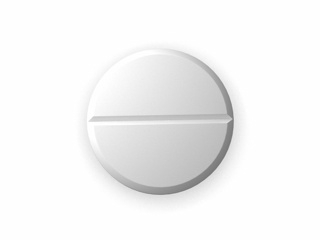
| Common forms | Tablets and oral liquid (availability varies by brand and strength) |
| Typical strengths | Common adult strengths include 120 mg and 180 mg (depending on the product) |
| How it’s used | For allergic rhinitis (hay fever) and related symptoms |
| Is it “non-drowsy”? | Generally less sedating than older antihistamines, but individual responses vary |
Important: Brand names and strengths differ across products sold in Australia. Always check your specific pack for exact dosing instructions, age recommendations, and whether the product is intended for adults, children, or both.
How fexofenadine works (mechanism of action)
Fexofenadine is an antihistamine that blocks histamine H1 receptors in the body. In allergies, the immune system releases histamine, which contributes to symptoms such as:
- sneezing and a runny nose
- itching (including itchy nose or eyes)
- watery eyes
- itchy skin in some allergic conditions
By preventing histamine from binding to H1 receptors, fexofenadine helps reduce these symptoms.
Because it is a second-generation antihistamine, it is designed to have less penetration into the brain compared with older antihistamines—often resulting in minimal drowsiness for many people.
Pharmacokinetics (how the body handles it)
Pharmacokinetics describes what happens to the medicine after you take it.
- Absorption: Fexofenadine is absorbed from the gut. Absorption can be affected by certain foods and drinks (see “Food interactions” below).
- Time to effect: Symptoms often begin to improve within about 1–2 hours after dosing (varies by person and the product).
- Duration: Many people find effects last for around 24 hours with once-daily dosing (depending on the strength and product instructions).
- Distribution: It has limited ability to cross into the brain compared with older antihistamines, which contributes to a lower likelihood of sedation.
- Metabolism and elimination: Fexofenadine is largely cleared from the body without extensive metabolism. It is eliminated mainly via the faeces (through bile) and to a lesser extent via the urine.
- Kidney/liver considerations: People with reduced kidney function may be more sensitive and may require adjusted dosing depending on clinical guidance and product instructions.
Typical use: what it’s commonly taken for
In Australia, fexofenadine is widely used for allergic rhinitis (hay fever) and other histamine-driven allergy symptoms.
Typical symptom targets include:
- sneezing
- runny nose (rhinorrhoea)
- itchy nose
- itchy/watery eyes
- nasal congestion (to a lesser extent than some other medicines, but may still help)
In some products and jurisdictions, fexofenadine may also be used for itchy skin conditions associated with histamine (for example, chronic idiopathic urticaria). Availability of dosing and indications depends on the specific product and strength.
Timing: when to take it and how fast it works
How you take fexofenadine depends on the product strength and your symptoms.
- Once daily products (commonly 180 mg): Often taken once every day at about the same time.
- Twice daily products (less common—depends on brand): Follow the pack instructions.
- For best symptom control: Start when allergy symptoms begin, and continue through the allergy season if needed.
When will you feel better? Many people notice improvement within 1–2 hours. If symptoms are severe, it may take a short period of consistent use over a day or two for the full effect.
Missed dose: If you miss a dose, take it when you remember unless it’s close to the next scheduled dose. Do not double up.
Food interactions: what to avoid or adjust
Food and drink can influence how much fexofenadine your body absorbs. This can affect how well it works.
Common guidance:
- Avoid fruit juice such as orange juice or grapefruit juice around the time you take fexofenadine.
- If you drink juice, consider spacing doses appropriately (for example, taking fexofenadine with water and avoiding juice from about 2 hours before to 2 hours after dosing—follow your specific product label).
- Water is the preferred drink when taking tablets or oral liquid.
Why this matters: Certain juices can reduce absorption of fexofenadine, leading to weaker symptom relief.
Alcohol and medicine interactions
Fexofenadine is generally less likely to cause drowsiness, so many people can use it without significant alcohol-related impairment. However:
- Alcohol may still affect alertness. If you feel sleepy or less coordinated, avoid driving or machinery.
- Interaction risk: There is no widely expected “dangerous” interaction for most people, but combining alcohol with any antihistamine can increase the risk of impaired reaction time for some individuals.
Be extra cautious if you are also taking medicines that cause sedation (sleepiness) or affect the nervous system.
Medicine interactions (other medicines)
Some medicines and supplements can change how fexofenadine is absorbed or increase side effects.
1) Antacids and acid suppressing medicines
Certain antacids and aluminium/magnesium-containing products can reduce absorption of fexofenadine.
- If you use an antacid, separate the doses (commonly by at least 2 hours, but follow your product label and pharmacist advice).
2) Fruit juice
- As noted above, fruit juices—especially orange and grapefruit—may reduce absorption.
3) Other antihistamines
- Taking multiple antihistamines together increases the risk of side effects such as drowsiness, dizziness, and dry mouth (even though fexofenadine is less sedating).
4) Kidney impairment and interacting medicines
- If you have reduced kidney function, tell your pharmacist or doctor about all medicines you take. Some medicines can affect kidney function or alter drug clearance.
Tip: Keep a list of your medicines (including vitamins and herbal products) and review it with your pharmacist if you’re using fexofenadine regularly.
Indications: what symptoms it’s for
Fexofenadine is used for histamine-mediated allergy symptoms, most commonly:
- Allergic rhinitis (hay fever): sneezing, itching, watery eyes, runny nose
- Skin itching conditions in some product indications: such as urticaria symptoms (depends on the specific formulation and approved indication)
Always check your pack for the exact approved uses for that brand and strength, as indications can differ between products.
Dosing (general guidance for adults and children)
Follow the specific dose on your product pack. Dosing can vary based on age, product strength, and the condition being treated.
Adults (common patterns)
- 180 mg once daily: common for many adults for hay fever symptoms.
- 120 mg once daily: may be used for some adult products (depending on brand).
- Alternative dosing schedules: some brands may use different strengths or schedules—use your pack instructions.
Children
- Child dosing must be based on the product label and age/weight recommendations.
- Only use the age-appropriate formulation (tablet strength vs oral liquid) recommended for children.
What if symptoms don’t improve?
- If symptoms continue after taking fexofenadine as directed for a few days, check dosing timing and whether interacting foods (e.g., juice) are reducing absorption.
- Consider additional measures (see “Practical use tips”).
- Seek advice from a pharmacist if you need an alternative approach.
Overuse warning: Do not take more than the recommended daily dose. If you think you’ve taken too much, contact Poisons Information or seek urgent medical help according to local guidance.
Safety profile: side effects and when to get help
Most people tolerate fexofenadine well. Side effects are usually mild and temporary.
Common side effects
- Headache
- Nausea or mild stomach discomfort
- Dizziness (less common)
- Dry mouth (sometimes)
Less common or allergy-related reactions
- Skin rash
- Increased sensitivity symptoms
Seek urgent medical help if
- you develop swelling of the face, lips, tongue, or throat
- you have difficulty breathing or severe wheezing
- you experience fainting or severe persistent dizziness
Who should use caution?
- People with kidney problems (may require adjusted dosing)
- Older adults (may be more sensitive to side effects)
- Anyone taking multiple medicines that may interact
If you have a chronic medical condition or take regular medicines, it’s a good idea to discuss fexofenadine use with a pharmacist.
Practical use tips (to get the best results)
- Take with water: Use water and avoid taking it with orange or grapefruit juice.
- Be consistent: Once-daily dosing works best when taken at the same time each day.
- Don’t combine antihistamines unless advised: Using multiple antihistamines may increase side effects without extra benefit.
- Check label instructions: Some brands advise spacing from antacids.
- Pair with non-medicine strategies:
- Keep windows closed on high pollen days
- Rinse nasal passages with saline
- Shower and change clothes after outdoor activity
- Monitor effect: If you don’t notice improvement, check timing, food/drink interactions, and whether your symptoms are due to allergy versus infection or other causes.
Alternative options (if fexofenadine isn’t right)
If your symptoms aren’t controlled or you experience side effects, there are other ways to manage allergies. Alternatives include both other antihistamines and non-antihistamine options.
Other non-drowsy antihistamines
- Loratadine
- Desloratadine
- Cetirizine / Levocetirizine (may cause drowsiness more often in some people)
Non-antihistamine allergy treatments
- Intranasal corticosteroid sprays (often preferred for persistent nasal symptoms like congestion)
- Saline nasal irrigation for flushing allergens
- Eye drops for itchy or watery eyes (depending on symptoms)
Choosing an alternative: A pharmacist can help you compare options based on your main symptoms (sneezing vs congestion vs itchy eyes) and your lifestyle needs (e.g., driving, work schedules).
Fexofenadine in the Australian market and legal context
In Australia, many antihistamines are available through community pharmacies and may be supplied without prescription depending on the product. Availability, pack size, and restrictions can vary across brands and formulations.
When purchasing, look for:
- the active ingredient and strength
- the approved indication on the label
- the age guidance for dosing
- expiration date and storage instructions
Pharmacy responsibility: Australian medicines are regulated through the Therapeutic Goods Administration (TGA). Online pharmacies typically provide information aligned to the product label and Australian standards.
Recent guidance and practical considerations (keeping up-to-date)
Allergy management advice can evolve as guidelines and product information are updated. Common themes in recent clinical and community guidance include:
- Prefer targeted symptom relief: fexofenadine helps histamine symptoms, but nasal congestion may respond better to nasal steroid sprays for many people.
- Minimise exposure to allergens: environmental control measures and nasal rinses often improve outcomes.
- Review interactions: juice and antacid spacing can be key to effective dosing.
- Use the correct formulation for age: especially for children.
If symptoms persist, worsen, or include fever, facial pain, or thick coloured nasal discharge, it may be more than typical hay fever—seek appropriate medical advice.
Delivery and availability (online pharmacy)
Fexofenadine products are generally available from Australian online pharmacies. Availability may vary by brand, strength, and form (tablet vs liquid).
- Typical delivery: Delivery times depend on your location (metro vs regional/remote) and the courier service used.
- Stock updates: Popular strengths may sell out during peak allergy season.
- Packaging: Medicines are usually dispatched in manufacturer packaging with clear labelling.
Storage: Keep tablets or oral liquid in a cool, dry place as directed on the pack, and keep out of reach of children.
FAQ: common questions about fexofenadine
1) Will fexofenadine make me drowsy?
Most people experience little to no drowsiness. However, individual responses differ. If you’re taking it for the first time, use caution with driving or operating machinery until you know how it affects you.
2) How long does fexofenadine take to work?
Many people notice symptom relief within 1–2 hours. Full benefit may take consistent daily use, especially during a busy allergy season.
3) Can I take it with fruit juice?
It’s generally recommended to avoid orange and grapefruit juice around the time you take fexofenadine, as it can reduce absorption and weaken the effect. Water is the safest option.
4) What about antacids?
Certain antacids (especially those containing aluminium or magnesium) may reduce absorption. Separate dosing by a couple of hours, or follow the specific instructions on your pack and/or pharmacist advice.
5) Can I drink alcohol while taking fexofenadine?
Alcohol does not usually cause a serious interaction with fexofenadine for most people, but it may still affect alertness. If you feel sleepy or dizzy, avoid alcohol and driving.
6) What symptoms is fexofenadine best for?
Fexofenadine is particularly useful for sneezing, itching, watery eyes, and runny nose related to allergies. Nasal congestion may require additional approaches for some people.
7) What if I miss a dose?
Take it when you remember unless it’s close to the next dose. Don’t double up.
8) How do I know if my symptoms aren’t from allergies?
If you have high fever, severe facial pain, shortness of breath, or symptoms that don’t match your usual allergy pattern, consider alternative causes such as infection. If in doubt, consult a pharmacist or doctor.
9) Can children take fexofenadine?
Some fexofenadine products are suitable for children at specific ages and doses. Use the age-appropriate product and follow the pack instructions carefully. If uncertain, ask a pharmacist.
10) Are there alternatives to fexofenadine?
Yes. Options include other antihistamines (e.g., loratadine or desloratadine) and non-antihistamine treatments such as intranasal corticosteroid sprays and saline rinses.
Disclaimer: This information is intended as general guidance and may not cover every individual situation. Always read the product label and consult a pharmacist if you have questions about your specific condition, age, or other medicines.