Azelastine: Patient-Friendly Guide (Australia)
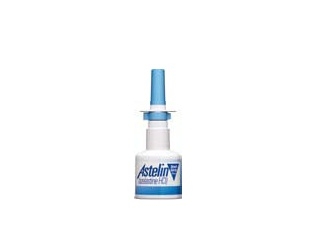
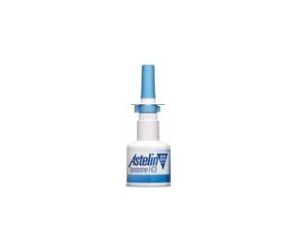
Azelastine is an anti-allergy medicine used to treat symptoms caused by allergic rhinitis (hay fever) and other allergic conditions of the nose and eyes. Depending on the product, azelastine may be supplied as a nasal spray and/or an eye drop.
This guide explains how azelastine works, how it is used, what to expect, and important safety and interaction information. If you are unsure which product you have (nasal spray vs eye drops), check the label or ask your pharmacist.
Basic Product Information
| Category | Details |
|---|---|
| Active ingredient | Azelastine |
| Common forms | Intranasal spray (nasal), ophthalmic drops (eyes) — depends on brand |
| Medicinal class | Antihistamine (H1 receptor antagonist) |
| Typical conditions | Allergic rhinitis, allergic eye symptoms (itching, watering) |
| Onset of relief | Often begins quickly for nasal symptoms (many people notice improvement within hours) |
| Availability in Australia | Availability varies by brand and formulation (OTC and/or pharmacy supply depending on product) |
How Azelastine Works (Mechanism of Action)
Azelastine blocks the action of histamine, a chemical released during allergic reactions. Histamine contributes to symptoms such as:
- Itching
- Sneezing
- Runny or blocked nose
- Watery/itchy eyes
By reducing the effect of histamine at the target site, azelastine helps to reduce allergic inflammation and relieve symptoms. Some formulations also show additional anti-inflammatory activity, which may contribute to the rapid improvement many people experience.
Pharmacokinetics (How the Body Handles It)
“Pharmacokinetics” describes what happens after using azelastine—absorption, distribution, metabolism, and elimination. Because azelastine is used mainly locally (in the nose or eyes), the amount reaching the bloodstream may be lower than with some oral medicines.
- Absorption: Intranasal or ophthalmic use delivers medicine locally. A portion may be absorbed systemically, depending on the product and technique.
- Metabolism: Azelastine is metabolised in the body (primarily via hepatic pathways).
- Elimination: The body clears the medicine over time via metabolism and excretion.
- Half-life (general concept): The duration of action is influenced by formulation and local effects, not only blood levels. Many patients find symptom relief within a short period, but consistent use can be important for best control.
If you have kidney or liver conditions, or take many medicines, discuss with a pharmacist for personal advice.
Typical Uses and Indications
Azelastine is commonly used for allergic rhinitis and allergic conjunctivitis (eye allergy). It may be used during seasonal allergies (e.g., spring grass pollen) or in year-round allergic conditions (e.g., dust mite exposure).
Indications (What it is used for)
- Allergic rhinitis: sneezing, itchy nose, runny nose, and nasal congestion associated with allergy
- Allergic eye symptoms: itchiness, watering, and irritation due to allergens
Depending on the specific product in Australia, indications and dosing can vary. Always follow the directions on your medicine label or advice from your healthcare professional.
When to Take It (Timing and Duration)
Timing can make a big difference, especially when pollen counts rise or symptoms begin early. The best timing depends on your symptoms and the product form.
- For seasonal allergies: consider starting before your worst days (if you know your pattern), and continue during the season while symptoms persist.
- For sudden flare-ups: azelastine may provide relatively fast relief for nasal itching/sneezing and eye itchiness. Results can vary between individuals.
- For night symptoms: some people benefit from dosing in the evening—particularly if they have post-nasal drip or night-time congestion.
- Consistency: if your pharmacist or label recommends regular use, it may control symptoms better than “only when you feel bad.”
Missed Dose
If you miss a dose, take it when you remember unless it is close to your next dose. Do not double up. If you are unsure, ask your pharmacist.
Dosing (General Guidance)
Dosing depends on the formulation and strength, and may vary by age. The information below is general and should not replace the product label.
Common dosing patterns
- Intranasal use (spray): A typical approach for adults is using azelastine nasal spray a few times daily, often morning and evening. Some people start with a lower frequency and adjust based on symptom control.
- Ophthalmic use (eye drops): Eye allergy products usually require multiple applications per day initially, then sometimes less frequent use once symptoms improve.
Important: Always follow the dosing instructions on your specific Australian product packaging. If you need help identifying the exact strength and schedule, contact your pharmacist.
How to use the nasal spray (practical technique)
- Gently blow your nose to clear mucus if needed.
- Shake the bottle if the label instructs you to do so.
- Lean slightly forward and aim the nozzle outward (toward the ear), not toward the nasal septum.
- Spray while breathing in gently.
- Repeat for the other nostril if your dose requires it.
- Wipe the nozzle and recap.
How to use azelastine eye drops (practical technique)
- Wash your hands.
- Tilt your head back and pull down the lower eyelid.
- Place the prescribed number of drops into the eye.
- Close your eye gently and press the inner corner of the eye (near the nose) for about 1 minute to reduce drainage.
- Wipe away excess with a clean tissue, then wash hands again.
Food Interactions
For most people, azelastine does not have significant interactions with food, particularly with nasal or eye preparations where systemic absorption is limited. Nevertheless:
- Nasal spray: there are generally no known meaningful food interactions.
- Eye drops: food is not expected to affect absorption significantly.
If you take other medicines that may affect alertness or you have complex health conditions, it’s still wise to review interactions with your pharmacist.
Alcohol and Medicine Interactions
Alcohol
Azelastine may cause drowsiness in some people, especially with certain formulations or higher doses. Because alcohol can also affect alertness, using azelastine alongside alcohol may increase the risk of feeling sleepy or less coordinated.
Advice: It may be safer to avoid alcohol or limit it, particularly when you are starting azelastine or if you notice drowsiness.
Other medicines that may interact (alertness/CNS effects)
Tell your pharmacist if you take medicines that can cause sedation or affect the central nervous system (CNS), such as:
- Some medicines for allergies (especially sedating antihistamines)
- Sleeping tablets
- Some anxiety medications (benzodiazepines)
- Some pain medicines (particularly opioids)
- Some antidepressants or antipsychotics that can cause drowsiness
Combining these with azelastine could increase sleepiness. Your pharmacist can help you choose a safe regimen.
Other allergy medicines
If you are already using other allergy treatments (e.g., oral antihistamines, nasal corticosteroids, decongestant sprays), do not add azelastine on top without guidance—especially if you have side effects. In some cases, combinations are used under advice; in other cases, it may be unnecessary.
Safety Profile and Side Effects
Most people tolerate azelastine well when used correctly. Side effects can depend on the formulation and frequency. If you experience an unexpected or severe reaction, stop use and seek medical advice promptly.
Common side effects
- Nasal spray: bitter taste, nasal irritation, mild burning or stinging, dryness, nosebleeds (occasionally)
- Eye drops: temporary eye irritation, mild burning/stinging, watery eyes, blurred vision shortly after instillation
- General (any formulation): headache, dizziness, or drowsiness in some individuals
Less common but important warnings
- Hypersensitivity/allergic reaction: rash, swelling of face/lips, breathing difficulty (seek urgent help)
- Significant drowsiness: avoid driving or operating machinery until you know how you respond
- Eye safety: if you wear contact lenses, follow product instructions and consult your pharmacist
When to seek urgent assistance
Seek urgent medical help if you develop signs of a serious allergic reaction (e.g., facial swelling, trouble breathing, widespread hives) or severe eye pain with vision changes.
Practical Tips for Better Use
Reduce the “bitter taste” (nasal spray tip)
A bitter taste is a common complaint with some nasal antihistamines. To reduce it:
- Aim slightly outward (toward the ear), not straight up the middle.
- Use the correct number of sprays and avoid over-spraying.
- Keep your head slightly forward while spraying.
- After use, avoid leaning back immediately.
Use consistently during peak allergen exposure
If your symptoms flare when pollen counts are highest, consider:
- Checking local forecasts/pollen information (if available)
- Closing windows during high pollen hours
- Showering and changing clothes after outdoor exposure
Combine with non-medicine strategies
Azelastine works best when paired with good allergen control:
- Regular nasal saline rinses may reduce irritants (ensure you use separate steps and let products settle)
- Wear sunglasses outdoors to reduce eye allergen exposure
- Vacuum with appropriate filters and wash bedding frequently for dust mite allergy
Driving and concentration
If you feel drowsy or dizzy after starting azelastine, avoid driving or operating machinery until you feel normal again. This is especially important on the first few doses or when you change dose timing.
Alternative Options
Depending on your symptoms (nose vs eyes), severity, age, and personal response, there are several alternatives. Options may include:
- Intranasal corticosteroids: often highly effective for nasal inflammation (commonly used daily during allergy seasons)
- Other intranasal antihistamines: similar concept but different active ingredient
- Oral non-sedating antihistamines: may help sneezing/itching
- Eye lubricants (artificial tears): can help flush allergens and reduce irritation
- Combination approaches: some people benefit from using different classes for different symptoms under guidance
If you have persistent congestion, recurrent sinus symptoms, or symptoms that don’t respond adequately, ask a pharmacist or doctor for an individual plan.
Market & Legal Context for Australia
In Australia, availability of medicines depends on the Australian regulatory classification. Some azelastine-containing products may be available without prescription, while others may be supplied under pharmacy guidance depending on the exact strength and formulation.
Online pharmacies in Australia typically require adherence to:
- Product-specific labelling and directions for use
- Pharmacist review where needed for safe supply
- Adherence to relevant state and federal requirements for dispensing and supply
Your pharmacist can advise whether your specific azelastine product is appropriate based on age, pregnancy/breastfeeding considerations, medical history, and other medicines you take.
Recent Guidance (Practical “what to know now”)
Allergy management guidance in Australia commonly emphasises:
- Correct diagnosis: distinguishing allergic rhinitis from viral colds, sinus infections, or non-allergic rhinitis.
- Product technique: correct spray and drop application is key to effectiveness.
- Stepwise control: using the most appropriate first-line treatment for your dominant symptoms (often nasal inflammation)
- Minimising unnecessary sedating medicines: especially if you need to drive, work, or manage young children.
If symptoms persist, worsen, or you require frequent rescue use, it may be time to review your treatment plan with a pharmacist.
Delivery and Availability
Availability varies by brand and product type (nasal spray versus eye drops), but azelastine is generally offered through pharmacy supply channels in Australia.
- Online ordering: You can typically order the required azelastine product online, select delivery, and receive updates via email or SMS where available.
- Stock levels: Stock can vary during peak allergy seasons.
- Packaging: Products are supplied in original packaging with dosing instructions.
For current stock status, delivery times, and shipping options to your area in Australia, check the product page.
FAQ: Azelastine (Australia)
1. Is azelastine for the nose or the eyes?
Azelastine products may be available as a nasal spray for allergic rhinitis and/or as eye drops for allergic eye symptoms. Use the formulation meant for your symptoms.
2. How quickly will I feel better?
Many people notice improvement within a few hours, particularly for itching and sneezing. Congestion may take longer and can also improve gradually over days with consistent use.
3. Can I use azelastine every day during allergy season?
Many allergy sufferers use antihistamines regularly during the season. Follow your specific product label or pharmacist advice. If you need long-term treatment, review your plan if symptoms change or worsen.
4. Will azelastine make me sleepy?
Some people experience drowsiness or dizziness. This is not everyone, but it can happen—especially early in treatment. Until you know your response, use caution with driving and machinery and consider evening dosing if suitable.
5. What if I get a bitter taste after the nasal spray?
This can occur with nasal antihistamines. Aim slightly outward, keep your head forward while spraying, and avoid over-spraying. If the taste remains troublesome, discuss with a pharmacist.
6. Can I take azelastine with other allergy medicines?
Sometimes azelastine is used alongside other treatments, but combining medicines can increase side effects. Ask a pharmacist if you’re using oral antihistamines, nasal corticosteroids, or other allergy sprays.
7. Are there food interactions?
Food interactions are generally not a major concern for azelastine nasal sprays or eye drops. If you have specific medical conditions or unusual regimens, check with your pharmacist for personal guidance.
8. Is it okay to drink alcohol?
If azelastine causes drowsiness for you, alcohol may make sleepiness worse. Consider avoiding alcohol or limiting intake, particularly when starting azelastine or when you notice any sedation.
9. What should I do if I accidentally miss a dose?
Take it when you remember unless it is almost time for your next dose. Don’t double up. Refer to the label or ask a pharmacist.
10. When should I see a clinician?
Consult a healthcare professional if you have severe symptoms, symptoms lasting beyond the expected allergy period, signs of infection (e.g., fever, facial pain), or eye symptoms that include significant pain, marked swelling, or vision changes.
Summary
Azelastine is a histamine-blocking anti-allergy medicine used to relieve symptoms such as sneezing, itching, runny nose, nasal congestion, and allergic eye irritation. It can start working relatively quickly, and is often used during allergy seasons or during flare-ups as directed on the product label or by a pharmacist.
- Use correctly: technique matters for sprays and eye drops.
- Be cautious with drowsiness: avoid alcohol or driving if you feel sleepy.
- Review persistent symptoms: if allergy control is not adequate, ask for a tailored plan.