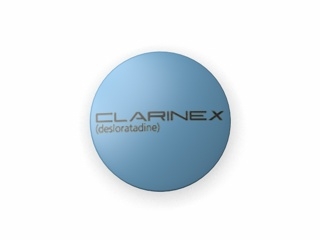


Clarinex (Desloratadine) – Patient Information
Clarinex contains the active ingredient desloratadine. It is an anti-allergy medicine used to relieve symptoms caused by allergies, such as hay fever (allergic rhinitis) and hives (urticaria). Desloratadine is part of a group of medicines called non-drowsy (second-generation) antihistamines.
This page provides general information about Clarinex in Australia. Always follow the instructions provided with your medicine and consult a health professional if you have questions about suitability or use.
Quick Facts
- Active ingredient: Desloratadine
- Medicinal type: Second-generation antihistamine
- Common uses: Allergic rhinitis (hay fever), chronic idiopathic urticaria (hives)
- Typical dosing schedule: Usually once daily
- Onset: Symptoms may improve within a few hours
- Duration: Effects generally last for about 24 hours
What Is Clarinex Used For?
Clarinex is used to relieve allergy-related symptoms. Depending on the product strength and formulation, it may be used for:
- Allergic rhinitis (hay fever): such as sneezing, runny nose, itching of the nose/palate, and watery eyes.
- Chronic idiopathic urticaria (hives): to reduce itching and number/size of hives.
Key symptom relief: Desloratadine works by reducing the effects of histamine—one of the main chemicals involved in allergic symptoms.
How Clarinex Works (Mechanism of Action)
Desloratadine is a selective antihistamine. In allergy, your immune system releases histamine, which binds to histamine receptors (especially H1 receptors) in tissues such as the nose and skin. This binding contributes to:
- Itching
- Sneezing and runny nose
- Watery eyes
- Swelling and hives
By blocking H1 receptors, desloratadine reduces the allergic response. Because it is a second-generation antihistamine, it is designed to act mainly in the body and generally causes less drowsiness than older antihistamines.
Pharmacokinetics (How the Body Handles It)
Pharmacokinetics explains how the medicine is absorbed, distributed, metabolised, and eliminated. Individual responses may vary.
- Absorption: Desloratadine is absorbed after dosing and begins working within hours.
- Distribution: It distributes into tissues and exerts its antihistamine effect at histamine receptors.
- Metabolism: The body metabolises desloratadine (primarily through liver pathways).
- Elimination: Desloratadine and its metabolites are eliminated mostly via urine and faeces.
- Duration: The effect typically lasts long enough for once-daily dosing.
Important note: If you have liver or kidney impairment, your healthcare professional may recommend adjustments or extra caution.
Typical Timing: When to Take Clarinex
For most people, Clarinex is taken once daily to provide 24-hour symptom relief.
- Same time each day: Helps maintain steady control of symptoms.
- If symptoms are seasonal: Start when allergy symptoms begin or as advised by your clinician.
- For hives: Continue regular dosing to help control recurrent symptoms.
How fast does it work? Many people notice improvement within a few hours, with best relief often developing over the first day of treatment.
Food Interactions
Desloratadine can generally be taken with or without food. Food is not expected to significantly reduce its effectiveness.
- With meals: You may take Clarinex during or after eating if that feels easier.
- Consistency matters: Try to take it at the same time each day.
Tip: If you feel stomach discomfort, taking the dose with food may be more comfortable.
Alcohol and Medicine Interactions
Alcohol
Because desloratadine is designed to be less sedating, most people experience minimal drowsiness. However, individual sensitivity varies. Alcohol may still increase the risk of tiredness or impaired reaction time.
- Recommendation: Avoid or limit alcohol until you know how Clarinex affects you.
- Be cautious: If you feel sleepy, avoid driving or operating machinery.
Other medicines (interactions)
Many medicines can be used alongside desloratadine, but it’s important to check for interactions—especially if you take multiple prescriptions or have ongoing conditions.
- Tell your pharmacist/doctor about all medicines you take, including herbal products and supplements.
- Common categories to mention: medications for infections, epilepsy, heart rhythm problems, and medicines that affect the liver.
Practical guidance: If you’re unsure whether something interacts, consult a pharmacist. They can check your medicine list for compatibility and advise on timing if needed.
Indications and Product Use in Australia
In Australia, Clarinex/desloratadine is commonly used for:
- Symptoms of allergic rhinitis including itching, sneezing, runny nose, and watery eyes.
- Relief of symptoms of chronic idiopathic urticaria (chronic hives), including itch and hive formation.
Exact approved indications can vary based on the formulation and product registration. The directions on your pack or the advice from your pharmacist are the best guide for your situation.
Dosing: How Much Should You Take?
Dosing depends on age and the specific product strength. Always check the pack for the exact dose schedule.
General dosing approach (typical)
- Adults and adolescents: Commonly take a single daily dose.
- Children: Doses are age-based and may differ by formulation (e.g., tablets vs syrup).
Follow the pack instructions: Use the dosing chart on your product label or the directions provided by your pharmacist.
| Age group | Typical once-daily dosing | Notes |
|---|---|---|
| Adults & adolescents | Often a single daily tablet dose (varies by strength) | Check your specific pack for the exact mg amount. |
| Children | Age-dependent dose (may be syrup or paediatric formulation) | Use an accurate measuring device for liquid forms. |
| Elderly | Usually standard adult dosing unless kidney/liver issues exist | Extra caution may be needed in frailty or organ impairment. |
Missed dose: If you forget a dose, take it when you remember if it is still close to the usual time. If it is nearly time for the next dose, skip the missed dose. Do not take a double dose.
Do not exceed the daily dose: Taking extra does not usually improve control and increases the risk of side effects.
Safety Profile: Side Effects and When to Seek Help
Most people tolerate desloratadine well. However, any medicine can cause side effects.
Common side effects
Commonly reported effects include:
- Headache
- Dry mouth
- Tiredness or sleepiness (less common than with older antihistamines)
- Fatigue
Less common or serious reactions
Seek urgent medical advice if you experience signs of a serious allergic reaction, such as:
- Swelling of the face, lips, tongue, or throat
- Difficulty breathing or wheezing
- Severe rash or widespread hives with dizziness
When to talk to a pharmacist or doctor
- Symptoms are not improving after several days of consistent use
- Symptoms worsen or hives become severe
- You have liver or kidney disease
- You are pregnant, breastfeeding, or planning pregnancy
- The medicine seems to affect your alertness (e.g., drowsiness)
Driving and operating machinery: Clarinex is generally non-sedating, but if you feel drowsy, avoid driving or dangerous activities.
Practical Use Tips (Getting the Best Results)
- Start early for seasonal allergies: If you know your symptoms follow pollen exposure, starting at the beginning of the season may help.
- Consistency helps: Taking it once daily at roughly the same time improves symptom control.
- Combine with allergen reduction: When possible, reduce exposure (e.g., keep windows closed on high pollen days, shower after outdoor activities, use air filtration).
- Expect symptom relief—not cure: Antihistamines help control symptoms but don’t remove the underlying allergy.
- For nasal blockage: If congestion is significant, a pharmacist may suggest additional options such as saline rinses or other allergy treatments.
- For persistent hives: If hives last longer than expected or are associated with other symptoms (fever, joint pain, swelling), seek medical advice.
Alternative Options
If Clarinex/desloratadine doesn’t suit you, several other allergy medicines may be considered. Options often include other antihistamines or different treatment types depending on the symptoms.
Other antihistamines
- Loratadine (similar class, non-drowsy for many people)
- Cetirizine and levocetirizine (often effective; may cause more sleepiness in some individuals)
- Fexofenadine (tends to be less sedating for many people)
Different allergy treatment types (depending on symptoms)
- Intranasal corticosteroids for persistent allergic rhinitis (particularly for nasal blockage)
- Saline sprays/rinses to soothe and clear nasal passages
- Ocular allergy drops for prominent itchy/watery eyes
Choosing an alternative: A pharmacist can help match the medicine to your main symptoms (sneezing/runny nose vs itching vs hives) and your lifestyle needs (e.g., work/school, driving, sensitivity to sedation).
Market and Legal Context for Australia (What to Expect)
In Australia, allergy medicines containing desloratadine may be supplied under different arrangements depending on formulation and intended use. Availability can differ between:
- Over-the-counter (OTC) options for common allergy symptoms
- Pharmacist-only supply for certain strengths or product types
Packaging, labelling, and instructions on the product cartoned information will indicate the appropriate supply category and recommended use. Always follow the directions specific to your product.
Important: Medicines laws and product listings may change. A reputable pharmacy will confirm the correct product for your needs and provide accurate directions for use.
Recent Guidance and Ongoing Advice (General Updates)
In general, Australian allergy guidance emphasises:
- Using non-drowsy antihistamines when appropriate
- Combining medication with trigger reduction (pollen control, dust mite measures)
- Reassessing treatment if symptoms persist, particularly if there is severe nasal blockage or asthma symptoms
If you have ongoing or severe allergy symptoms, it may be helpful to discuss with a pharmacist or healthcare professional whether desloratadine is the best fit or whether a different approach would work better.
Delivery and Availability
Clarinex (desloratadine) is typically available in Australia through pharmacies and online pharmacy retailers, with delivery options that vary by location and supplier.
- Dispatch: Many online pharmacies dispatch within 1–2 business days (subject to stock availability and payment confirmation).
- Delivery times: Shipping time depends on your postcode and courier services.
- Product freshness: Medicines are supplied in sealed packaging; check expiry dates before use.
- Bulk purchases: Some retailers offer multi-pack options during peak allergy seasons.
Tip: If you’re planning ahead for seasonal allergies, consider ordering before symptoms peak to help ensure availability.
FAQ – Clarinex (Desloratadine)
1) Is Clarinex truly non-drowsy?
Clarinex (desloratadine) is a second-generation antihistamine and is designed to cause less drowsiness than older antihistamines. However, some people still experience sleepiness or tiredness. If you feel drowsy, avoid driving or operating machinery.
2) How long does Clarinex take to work?
Many people notice improvement within a few hours after taking a dose. For ongoing allergy symptoms, consistent once-daily use helps maintain control across the day.
3) Can I take Clarinex every day during allergy season?
Generally, yes—provided it is used as directed on the product label. Continue during the period when symptoms are expected, and reassess if you no longer have symptoms.
4) Can I take Clarinex with food?
Yes. Desloratadine can usually be taken with or without food.
5) What if I miss a dose?
Take it when you remember if it is close to your usual time. If you’re near the next dose, skip the missed dose—do not take a double dose.
6) Can children take Clarinex?
Children may use desloratadine products, but the correct dose depends on the child’s age and the formulation strength (tablet vs syrup). Always follow the dosing instructions on the package or provided by your pharmacist.
7) Is it safe to drink alcohol while taking Clarinex?
Desloratadine is usually less sedating, but alcohol can still increase tiredness or impaired reaction time. Limit alcohol and avoid driving if you feel sleepy.
8) What should I do if my hives aren’t improving?
If hives persist, worsen, or you develop other symptoms (such as swelling of the face/lips, breathing difficulty, or severe rash), seek medical advice promptly. Hives can have different causes, and treatment may need review.
9) Are there any people who should be extra careful?
Extra caution may be needed if you have liver or kidney problems, are pregnant or breastfeeding, or are taking other medicines that could interact. Discuss your situation with a pharmacist if you’re unsure.
10) Can I use Clarinex alongside other allergy medicines?
Sometimes yes, but it depends on the products. If you already use nasal sprays, eye drops, or other antihistamines, ask a pharmacist to ensure the combination is appropriate and to avoid duplicate antihistamine dosing.
Reminder: For personalised advice, speak with a pharmacist. Follow the instructions on the pack, and contact urgent services if you experience symptoms of a serious allergic reaction.