

Etodolac (Lodine and other brands) — Patient Information for Australia
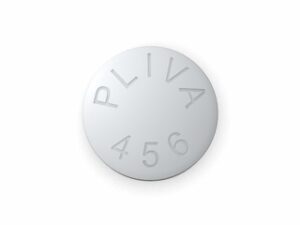
Etodolac is an anti-inflammatory medicine used to relieve pain and inflammation caused by a range of musculoskeletal conditions. In Australia, etodolac products may be supplied under brand names and in different strengths, depending on the manufacturer and formulation.
This page explains what etodolac is, how it works, how the body processes it, typical uses, dosing considerations, important safety information, interactions (including with alcohol and other medicines), and practical tips to use it more safely. It also includes information about alternatives and common questions.
Key product information
- Medicine name: Etodolac
- Medicine class: Non-steroidal anti-inflammatory drug (NSAID)
- Main actions: Reduces inflammation, pain, and swelling
- Common forms: Tablets/capsules depending on product brand
- Typical dosing frequency: Varies by formulation and your condition
- Availability: Depending on the product, may be available through pharmacy channels in Australia
Note: Always check the specific brand label for your exact strength and directions.
How etodolac works (mechanism of action)
Etodolac belongs to the NSAID family of medicines. NSAIDs reduce pain and inflammation by interfering with chemical messengers in the body called prostaglandins.
Prostaglandins are produced in response to injury and contribute to:
- Inflammation and swelling
- Pain sensitivity
- Fever and other inflammatory responses
Etodolac reduces prostaglandin production, leading to less inflammation and pain. It can also affect platelet function and kidney blood flow, which is why safety considerations (especially in people at higher risk) are important.
Pharmacokinetics: how the body handles etodolac
Pharmacokinetics describes what the body does to a medicine—absorption, distribution, metabolism, and elimination. While individual results vary, the following points help explain how etodolac generally behaves:
- Absorption: Etodolac is absorbed after oral administration. Peak blood levels typically occur within hours, depending on formulation and whether it is taken with food.
- Distribution: It distributes through body tissues and can reach sites of inflammation.
- Metabolism: Etodolac is metabolised mainly in the liver.
- Elimination: It is eliminated from the body through kidney and biliary pathways. Dose adjustment may be needed in some people with reduced kidney function.
Half-life: Etodolac has a half-life that supports dosing schedules used for NSAID therapy. However, the exact timing of pain relief and duration of action can differ between people.
What etodolac is used for (typical use)
Etodolac is commonly used to relieve symptoms related to inflammatory and painful conditions, such as:
- Osteoarthritis: joint pain and stiffness (e.g., knees, hips, hands)
- Rheumatoid arthritis: inflammation in multiple joints
- Other painful inflammatory musculoskeletal conditions: where an NSAID is considered appropriate
Your clinician may recommend etodolac specifically for its anti-inflammatory pain relief, based on your symptoms and overall health.
Indications: when etodolac may be considered
In practice, NSAIDs like etodolac are indicated for:
- Relief of pain and inflammation in conditions such as osteoarthritis and rheumatoid arthritis
- Management of chronic symptoms (for long-term inflammatory conditions) when benefits outweigh risks
- Short-term symptom control for flare-ups, if appropriate
Selection of an NSAID depends on factors such as gastrointestinal (GI) risk, cardiovascular risk, kidney function, age, and other medicines used.
How to take etodolac: timing and dosing
Correct dosing is important for effectiveness and safety. Always follow your product label instructions and the advice of a healthcare professional.
Typical dosing approach
- Dosing depends on the specific etodolac product, strength, and the condition being treated.
- Many NSAIDs are taken once or twice daily, but the schedule varies.
- Use the lowest effective dose for the shortest possible time to control symptoms.
Starting and adjusting dose
If you have been taking etodolac for the first time, it may take some days to observe a stable improvement in inflammation and function (pain may improve sooner). If symptoms are not controlled, do not increase the dose on your own—speak to a pharmacist or doctor to reassess your plan.
How long to use
- For acute flare-ups, NSAIDs are often used for limited periods.
- For chronic inflammatory conditions, long-term use may be considered for selected people—this requires ongoing risk-benefit review.
When to take it
- Take at the same times each day if using a regular schedule.
- If your stomach is sensitive, consider taking it with food (see “Food interactions” below).
Food interactions: should etodolac be taken with meals?
Food can affect how quickly and how well some NSAIDs are absorbed.
- Taking with food may reduce stomach irritation. Many people find it easier on the gut to take etodolac with meals or milk.
- Consistency matters: If you take it with food, continue to do so unless your pharmacist advises otherwise.
Practical tip: If you notice indigestion, heartburn, stomach pain, or black/tarry stools, stop taking etodolac and seek medical advice urgently (as these can be signs of GI bleeding).
Alcohol and medicine interactions
Alcohol: Combining NSAIDs with alcohol can increase the risk of stomach bleeding and gastritis and may worsen side effects like nausea and dizziness.
- Limit alcohol while using etodolac.
- Avoid heavy or binge drinking.
- If you drink regularly, discuss with a pharmacist—your risk profile may be higher.
Common medicine interactions to be aware of
NSAIDs interact with several medication groups. Important examples include:
- Other NSAIDs (e.g., ibuprofen, naproxen, aspirin for pain): increases GI and kidney risk—avoid combining unless specifically directed.
- Blood thinners (e.g., warfarin): increased bleeding risk.
- Antiplatelet medicines (e.g., clopidogrel): may increase bleeding risk.
- Selective serotonin reuptake inhibitors (SSRIs) or other antidepressants that affect serotonin: can increase GI bleeding risk.
- Diuretics and blood pressure medicines (e.g., ACE inhibitors/ARBs): NSAIDs can reduce kidney protection and may affect blood pressure.
- Lithium: NSAIDs may raise lithium levels, increasing toxicity risk.
- Methotrexate: NSAIDs can increase methotrexate toxicity.
- Kidney-stressing medicines: combining with etodolac may further increase kidney strain.
Always provide your pharmacist with a complete list of medicines, vitamins, and supplements you take. This includes over-the-counter products.
Safety profile: who should use caution?
Etodolac is generally well tolerated when used at the correct dose and for the right duration. However, NSAIDs have known risks. Your personal risk depends on age, medical history, and other medicines.
Important risks
- Gastrointestinal (GI) problems: stomach irritation, ulcers, and bleeding. Risk is higher with prior ulcers, higher doses, and prolonged use.
- Kidney effects: can reduce kidney blood flow, particularly in people who are dehydrated or have existing kidney disease.
- Cardiovascular risk: NSAIDs may increase risk for heart attack or stroke in some people, especially with higher doses or longer use.
- Fluid retention and blood pressure: can worsen swelling and raise blood pressure in some individuals.
- Allergic reactions: including asthma flare-ups in some people sensitive to NSAIDs.
People who should seek tailored advice
Discuss etodolac with a pharmacist or doctor before use if you:
- Have a history of stomach ulcers or GI bleeding
- Have heart disease, stroke history, or uncontrolled blood pressure
- Have kidney disease or reduced kidney function
- Are older (risk often increases with age)
- Are dehydrated (for example, vomiting or diarrhoea)
- Have asthma triggered by aspirin or NSAIDs
- Take medicines that increase bleeding or affect kidney function
Stop and seek urgent help if you experience
- Signs of GI bleeding: black/tarry stools, vomiting blood or material that looks like coffee grounds
- Severe abdominal pain or persistent indigestion that worsens
- Swelling of face/lips, wheezing, or trouble breathing (possible allergy)
- Chest pain, sudden weakness, trouble speaking (possible cardiovascular event)
- Reduced urination, severe dizziness, or signs of dehydration
Practical use tips for safer, more effective treatment
These tips can help you get relief while reducing avoidable risks:
- Use the lowest effective dose and avoid “stacking” NSAIDs (don’t take multiple NSAIDs together).
- Take with food if you get stomach upset.
- Stay hydrated, especially during hot weather or if unwell.
- Check expiry and storage according to the label.
- Review your medicine list with a pharmacist—especially if you start or stop any prescription medicines.
- Monitor symptoms: if pain is not improving or you’re needing it more often than planned, reassess your treatment.
- Don’t mix with other painkillers that are also NSAIDs. If you want an additional medicine, ask first (paracetamol is often used differently from NSAIDs).
Alternative options
NSAIDs like etodolac are one approach to pain and inflammation. Alternatives may include other medicines or non-medicine strategies, depending on your condition.
Medication alternatives
- Other NSAIDs: e.g., ibuprofen, naproxen, diclofenac (each has its own risk profile).
- Paracetamol (acetaminophen): may help with pain but does not have the same anti-inflammatory effect as NSAIDs.
- Topical anti-inflammatory treatments: some people benefit from gels/creams for local joint pain (less systemic exposure).
- For inflammatory conditions: doctors may consider non-NSAID anti-inflammatory strategies, such as disease-modifying treatments for certain arthritis types.
Non-medicine alternatives
- Physiotherapy and strengthening exercises
- Heat or cold packs for symptom relief
- Weight management for weight-bearing joint pain
- Assistive devices (e.g., braces, supportive footwear)
- Activity modification to reduce flare triggers
If etodolac isn’t suitable or isn’t providing adequate control, a pharmacist can discuss options and help you compare risks and benefits.
Market and legal context in Australia (overview)
In Australia, medicines are regulated under the Therapeutic Goods Administration (TGA). Etodolac products are marketed and supplied in accordance with Australian scheduling and product-specific requirements.
Availability can vary based on:
- The strength and formulation
- Whether the product is classified for prescription-only or pharmacist-only / supply categories
- Brand-specific packaging and indications
Important: Pharmacy supply rules and requirements may change. Your pharmacist can confirm the correct product category and what information you need to provide.
Recent guidance and safety trends
Across many NSAIDs, including etodolac, recent years have seen a continued focus on:
- Using the lowest effective dose for the shortest effective duration
- Screening for GI and cardiovascular risk before starting NSAID therapy, especially in older adults
- Considering stomach protection strategies for people at higher GI risk (as advised by a clinician)
- Avoiding routine long-term NSAID use unless clearly beneficial and monitored
These approaches align with broader medication safety messages from Australian health authorities and professional bodies about NSAID risk management.
Delivery and availability (online pharmacy)
When buying etodolac online in Australia, availability depends on stock levels and the specific brand/strength you choose. Online pharmacies typically:
- Display the brand name, strength, and pack size
- Provide information about delivery times by location
- Confirm the order and payment securely
- May require customer details to meet supply requirements
Delivery tip: If you use etodolac regularly, order early enough to avoid running out—especially if deliveries can be affected by holidays or regional transport delays.
Storage: Keep tablets in their original pack, away from heat and moisture, and out of reach of children.
FAQ about etodolac
1) How quickly does etodolac start working?
Many people notice pain relief within a short time after taking an NSAID dose, but for inflammation-related symptoms, steady improvement may take a few days. Timing varies by condition, dose, and formulation.
2) Should I take etodolac with food?
Taking it with food can reduce stomach irritation for many people. If your stomach is sensitive, taking etodolac with meals is often a sensible approach. Keep timing consistent day to day.
3) Can I take etodolac with paracetamol?
Paracetamol is different from NSAIDs and is often used alongside them for pain relief. However, check labels and talk to your pharmacist, especially if you have liver disease or drink alcohol regularly.
4) What should I avoid while taking etodolac?
Avoid:
- Other NSAIDs (unless specifically advised)
- Heavy alcohol consumption
- Dehydration (drink fluids, especially during illness)
5) What are the most common side effects?
Common side effects may include nausea, indigestion, stomach discomfort, headache, dizziness, and fluid retention. Seek urgent advice if you notice symptoms of GI bleeding or severe allergic reactions.
6) Who is at higher risk of side effects?
Risk is higher in people with prior ulcers or GI bleeding, older adults, those with kidney disease, those with cardiovascular disease, people taking blood thinners or certain antidepressants, and those using higher doses or taking NSAIDs for longer periods.
7) Can I drive or operate machinery?
Some people feel dizzy or light-headed while taking NSAIDs. If you experience dizziness, avoid driving or operating machinery until you know how etodolac affects you.
8) What if I miss a dose?
Take it when you remember if it is close to the time of the next dose. If it’s nearly time for the next scheduled dose, skip the missed dose. Do not take a double dose.
9) Is etodolac safe for everyone?
No. Etodolac may not be suitable for everyone, particularly those with certain stomach, kidney, heart, or allergy risks. A pharmacist can help screen your suitability based on your health history and medicines.
10) What alternatives are available if etodolac doesn’t suit me?
Options include other NSAIDs, paracetamol, topical anti-inflammatory therapies, or non-medicine treatments such as physiotherapy and exercise programs. For inflammatory arthritis, doctors may also consider disease-modifying options.
Quick reference: safety and interaction checklist
| Topic | What to know |
|---|---|
| Stomach/ulcers | NSAIDs can cause irritation, ulcers, and bleeding—seek urgent help for black stools or vomiting blood. |
| Kidneys | Higher risk with dehydration or kidney disease. Seek advice if urine output decreases. |
| Heart/blood pressure | NSAIDs may affect cardiovascular risk and fluid retention—use lowest dose and review if symptoms worsen. |
| Alcohol | Increases risk of GI bleeding and side effects. Limit alcohol; avoid heavy drinking. |
| Other NSAIDs | Avoid combining NSAIDs unless a clinician directs it—risk increases substantially. |
| Blood thinners/antiplatelets | May increase bleeding risk. Tell your pharmacist about all anticoagulant/antiplatelet medicines. |
| SSRIs | May raise GI bleeding risk—check with your pharmacist if you take antidepressants affecting serotonin. |
| Blood pressure/diuretics | NSAIDs can affect kidney function and blood pressure. Monitor if you take these medicines. |
Summary
Etodolac is an NSAID used to manage pain and inflammation associated with conditions such as osteoarthritis and rheumatoid arthritis. It works by reducing prostaglandin-related inflammatory processes. While it can provide meaningful symptom relief, it also carries risks typical of NSAIDs, particularly involving the stomach, kidneys, and cardiovascular system.
For safe use in Australia, take etodolac as directed for the lowest effective dose and consider taking it with food to reduce stomach irritation. Be cautious with alcohol, avoid combining with other NSAIDs, and discuss any relevant medical conditions or medicines with your pharmacist. If you experience warning signs such as GI bleeding, severe allergic reactions, chest pain, or reduced urination, seek urgent medical advice.