Desloratadine (Allergy Relief) – Patient-Friendly Guide (Australia)
Desloratadine is an antihistamine medicine commonly used to relieve the symptoms of allergic conditions such as hay fever (allergic rhinitis) and allergy-related skin reactions. It works by blocking histamine, a substance released by the body during an allergic response. Because it is generally non-sedating for many people, it is a popular choice for day-time allergy relief.
This guide explains how desloratadine works, when to take it, how it interacts with food, alcohol and other medicines, and what to expect in terms of safety. It also includes practical tips for allergy management and answers frequently asked questions.
Quick product basics
- Active ingredient: Desloratadine
- Type of medicine: Non-sedating (second-generation) antihistamine
- Main uses: Allergic rhinitis (hay fever) symptoms; hives (urticaria) symptoms
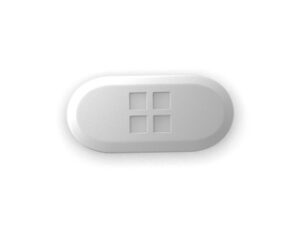
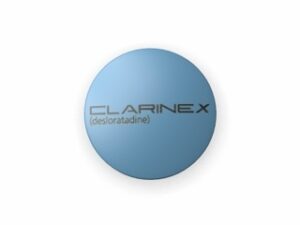
- Common forms: Tablets (and in some products, oral solution/liquid)
- Typical dosing frequency: Once daily (depending on age and formulation)
- Onset of relief: Often within hours of the first dose
What is desloratadine?
Desloratadine is an antihistamine that helps control allergy symptoms such as sneezing, itching, runny or blocked nose, and watery eyes. It can also help reduce the itch and number of hives in chronic urticaria (hives that last for weeks to months).
Allergies involve the immune system reacting to substances such as pollen, dust mites, animal dander, or certain triggers. During this process, histamine is released and contributes to many common symptoms. Desloratadine blocks histamine receptors, thereby reducing these symptoms.
How desloratadine works (mechanism of action)
Desloratadine is a selective antagonist of peripheral H1 histamine receptors. By blocking these receptors, it reduces the effects of histamine on allergy-related tissues.
- Reduces symptoms linked to histamine (itching, sneezing, runny nose, watery eyes).
- Helps control hives by reducing itch and the formation of new hive lesions (in many people).
- Non-sedating for many users compared with older antihistamines, although individual responses can vary.
Pharmacokinetics (how the body handles it)
Understanding pharmacokinetics can help you take desloratadine at the right times.
| Feature | What happens |
|---|---|
| Absorption | Desloratadine is absorbed from the gastrointestinal tract after oral dosing. |
| Time to peak (Tmax) | Peak levels generally occur within a few hours after taking a dose. |
| Distribution | It distributes into body tissues to exert its antihistamine effect. |
| Metabolism | Desloratadine is metabolised mainly in the liver through pathways that convert it to related metabolites. |
| Elimination | Primarily excreted through urine and faeces after metabolism. |
| Half-life | The duration of action supports once-daily dosing for many patients. |
If you have liver or kidney impairment, your doctor or pharmacist may advise an adjustment to dosing frequency or an alternative approach.
Typical uses and indications
Desloratadine is used to relieve symptoms of allergic conditions. Common indications include:
- Allergic rhinitis (hay fever): such as sneezing, itching, runny nose, blocked nose, and watery eyes.
- Chronic idiopathic urticaria (chronic hives): including itching and reducing the number of hive lesions.
- Other allergy-related symptoms (as directed by product guidance): depending on the formulation and age group.
Desloratadine helps manage allergy symptoms, but it does not cure the underlying tendency to allergy.
When and how to take desloratadine (timing)
Desloratadine is usually taken once daily. Consistency can help keep symptoms under control.
Typical timing
- Morning or evening: Many people choose a time they can remember consistently (for example, after breakfast).
- For seasonal allergies: start when symptoms begin—or earlier if you know your allergy pattern.
- For chronic hives: take daily as directed to maintain symptom control.
How to take
- Tablets: swallow whole with water.
- Oral solution (if available): use the provided measuring device and shake the bottle if the label instructs.
- Missed dose: take it when you remember unless it is close to the next dose. Do not take a double dose.
Dosing overview (age and product guidance)
Dosing varies by age and product type. Always follow the instructions on the packaging or the advice provided by your pharmacist.
General dosing examples commonly used (confirm your specific product):
- Adults and adolescents: often 5 mg once daily (common tablet strength).
- Children: dosing depends on age and the formulation. Some products use lower doses or weight-based guidance.
Important: If you are giving desloratadine to a child, check the exact strength and age instructions for that particular brand and formulation.
Food interactions
Desloratadine can generally be taken with or without food. Food does not typically prevent the medicine from working effectively.
- If you prefer: taking it with a meal can help some people remember.
- Absorption: routine food intake is not usually expected to significantly change allergy relief.
Alcohol interactions
Because desloratadine is a second-generation antihistamine, it is usually less sedating than older antihistamines. However, some people may still feel drowsy or less alert.
- Alcohol: it is generally best to use caution. Alcohol can increase the chance of drowsiness and impair coordination and reaction time.
- Driving or machinery: if you feel sleepy, avoid driving and operating machinery.
If you plan to drink alcohol, consider your personal response to antihistamines first.
Medicine interactions (including supplements)
Most people can take desloratadine without major interaction problems. Still, it’s important to check for interactions—especially if you are taking multiple medicines or have liver disease.
Common interaction considerations
- Other antihistamines: avoid taking multiple antihistamines together unless your pharmacist advises it, as this can increase side effects such as drowsiness, dry mouth or dizziness.
- Medicines that cause sedation: combining with sedating medicines (for example, some sleep aids, anxiety medicines, or strong pain medicines) may increase drowsiness in some individuals.
- Strong liver enzyme modifiers: in general, check with a pharmacist if you take medicines known to affect liver metabolism, particularly if you have liver impairment.
Tell your pharmacist if you take
- Any other allergy products (tablets, nasal sprays, or eye drops)
- Sleep or anxiety medicines
- Medicines for asthma or cough and cold products
- Herbal supplements (for example, St John’s wort) if relevant
- Any history of liver or kidney problems
Safety profile: side effects and when to get help
Desloratadine is generally well tolerated. Like all medicines, it can cause side effects. Many people experience none or only mild effects.
Common or mild side effects
- Headache
- Dry mouth (occasionally)
- Fatigue or tiredness (less common)
- Dizziness (uncommon)
- Gastrointestinal symptoms (for example, stomach discomfort; uncommon)
Seek urgent medical advice if you experience
- Signs of an allergic reaction to the medicine such as swelling of the face, lips or tongue, rash, or trouble breathing
- Severe or persistent symptoms that concern you
- Very unusual behaviour or severe drowsiness, especially if it impacts safety
Who should take extra care?
- People with liver disease: ask a pharmacist about dosing suitability.
- People who are sensitive to antihistamines: if you notice drowsiness, consider taking caution with driving or work.
- Pregnancy and breastfeeding: consult a healthcare professional for advice specific to your situation.
- Children: use only age-appropriate formulations and doses.
Practical use tips for better allergy control
Desloratadine can improve symptoms, but allergy management works best when combined with avoidance strategies and appropriate symptom measures.
Daily habits that help
- Reduce exposure: keep windows closed during high pollen days where possible.
- Shower after outdoor time: helps remove pollen from hair and skin.
- Manage dust mites: wash bedding regularly in hot water and consider allergen covers.
- Check triggers: track when symptoms flare to identify likely allergens.
When symptoms don’t fully settle
Some allergy symptoms (especially nasal congestion) may respond better to combination strategies, such as saline rinses and targeted nasal sprays, depending on the individual and product suitability.
- Consider nasal care: saline sprays or rinses can help clear allergens and mucus.
- Ask a pharmacist: if you need additional treatment for persistent symptoms, they can suggest options that complement desloratadine.
Alternative options (other treatments for allergy and hives)
If desloratadine doesn’t suit you or doesn’t fully control symptoms, there are alternatives. Availability and best choice depend on your symptoms, age, and medical history.
Other antihistamines
- Loratadine
- Fexofenadine
- Cetirizine (may be more likely to cause drowsiness in some people)
- Levocetirizine (may be more likely to cause drowsiness in some people)
For nasal allergy symptoms
- Intranasal corticosteroids (often very effective for nasal inflammation; check product and age guidance)
- Saline nasal sprays/rinses for gentle relief and allergen removal
For chronic hives (urticaria)
- Ongoing antihistamine management as advised
- Review triggers and medication factors if symptoms persist
If you are switching medicines, ask a pharmacist whether you should wait between treatments or use a straightforward switch based on your current dose and symptoms.
Market and legal context in Australia
In Australia, allergy medicines are commonly available through pharmacies and retail outlets, with classification and brand availability depending on local regulations and product formulation. Desloratadine is typically supplied as OTC (over-the-counter) in some forms/strengths and may be pharmacy-only depending on the product label and concentration. Always check the product packaging and the information provided on the website to confirm the specific brand type.
Regulatory standards for medicines in Australia are overseen by medicines and related guidelines administered by the relevant Australian health and medicines authority frameworks. Consumers are encouraged to use medicines as directed on the packaging and to speak with a pharmacist for personalised advice—especially for children, pregnancy, breastfeeding, and people with chronic conditions.
Recent guidance and how to stay updated
Allergy treatment recommendations can evolve based on clinical evidence and product safety information. For the most current advice in Australia, refer to:
- Product packaging and Consumer Medicines Information (CMI) included with the medicine
- Pharmacist guidance based on your symptoms and other medicines
- Trusted medical organisations that publish allergy and asthma guidance for Australia
If your symptoms are severe, last longer than expected, or you experience frequent hive episodes, it’s a good idea to seek professional review to confirm the cause and ensure the right long-term approach.
Delivery, availability and what to expect when ordering online
Desloratadine is commonly stocked by Australian pharmacies and online pharmacies. Availability can vary by brand, dosage strength, and formulation (tablet versus liquid).
- Stock availability: depends on the brand and strength currently held.
- Delivery times: vary by postcode and shipping service level selected at checkout.
- Packaging: products are typically shipped in protective packaging to help prevent damage.
- Storage: keep desloratadine in a cool, dry place and follow the storage instructions on the label.
If you need a specific strength or child-appropriate formulation, check product details before placing an order.
How to use desloratadine safely (practical checklist)
- Read the label carefully: confirm the active ingredient and strength.
- Take once daily: use a routine time to avoid missed doses.
- Avoid double dosing: if you miss a dose, take it when remembered unless close to the next dose.
- Be cautious with driving: while many people don’t feel sleepy, individual responses vary.
- Review other allergy products: don’t unintentionally duplicate antihistamines from combination cold/allergy products.
- Seek advice if symptoms worsen: particularly for breathing difficulties, facial swelling, or severe hives.
FAQ about desloratadine
1) Is desloratadine non-drowsy?
Many people experience minimal or no drowsiness with desloratadine because it’s a second-generation antihistamine. However, some individuals may still feel tired, dizzy, or less alert—especially when combined with alcohol or other sedating medicines. If you feel sleepy, avoid driving or operating machinery.
2) How fast does desloratadine work?
Relief often begins within a few hours after the first dose. For ongoing symptoms (such as hay fever or chronic hives), taking it once daily consistently can provide steadier control.
3) Can I take desloratadine with food?
Yes. Desloratadine is generally safe to take with or without food. Choose the option that helps you remember to take it regularly.
4) Can I drink alcohol while taking desloratadine?
Use caution. Although desloratadine is usually less sedating than older antihistamines, alcohol can still increase drowsiness and affect reaction time. If you notice sleepiness, avoid alcohol and consider discussing alternatives with a pharmacist.
5) What happens if I miss a dose?
Take the missed dose when you remember unless it’s near the time for the next dose. Do not take two doses at once to make up for the missed dose.
6) Can I take desloratadine for hay fever every day during allergy season?
Many people do take it daily during the allergy season to prevent and control symptoms. Follow the dosing instructions on the product label and consider adding other measures (like nasal saline or allergen avoidance) if symptoms persist.
7) Is desloratadine suitable for children?
There are child-appropriate formulations and age-based dosing instructions depending on the product. Always check the packaging for the correct age and dose. If you’re unsure, ask a pharmacist before giving it to a child.
8) Will desloratadine stop hives permanently?
Desloratadine can reduce symptoms and itching and help control hive outbreaks while you’re taking it. For chronic urticaria, management may be ongoing and should be reviewed if symptoms continue.
9) What should I do if my allergy symptoms are not improving?
If your symptoms are not controlled after consistent use, speak with a pharmacist. Sometimes the underlying trigger may be different than expected, or a different medicine/combination approach may be more effective for your symptom pattern.
10) Are there any long-term safety concerns?
Desloratadine is widely used for allergic conditions. Many people use antihistamines for extended periods under appropriate guidance, particularly for chronic hives. If you’re needing it long-term, discuss your treatment plan with a healthcare professional to ensure it remains appropriate.
Summary
Desloratadine is a widely used antihistamine for relieving symptoms of hay fever and chronic hives. By blocking histamine receptors, it reduces common allergy symptoms such as sneezing, itching, runny or blocked nose, watery eyes, and hive-related itch. It is generally taken once daily and can be used with or without food. While side effects are usually mild for many people, it’s important to consider individual sensitivity, be cautious with alcohol, and check for potential overlaps with other medicines.
For the most suitable option and dose for your age and symptoms, always refer to the product label and consult a pharmacist if you have questions—especially if you’re treating children, are pregnant or breastfeeding, or have liver or kidney conditions.