Bicalutamide (e.g., brand options such as Casodex®) — Patient-Friendly Guide
Bicalutamide is a medicine used most commonly for certain stages of prostate cancer. This guide explains how it works, how it is used, and what you should know about safety, interactions, and practical day-to-day tips. It is written to be easy to understand and is intended for general information.
Basic product information
| Feature | Details |
|---|---|
| Generic name | Bicalutamide |
| Common brand examples | Casodex® (brand names may vary) |
| Medicine type | Anti-androgen (androgen receptor blocker) |
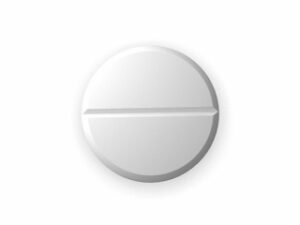
| How it is taken | Oral tablet |
| Typical strengths | Often 50 mg or 150 mg tablets (depends on indication and local availability) |
| Who it is for | Men with androgen-dependent prostate cancer (exact suitability varies) |
Bicalutamide works by blocking the effect of male hormones (androgens) on prostate cancer cells. It is not a chemotherapy medicine.
How bicalutamide works (mechanism of action)
Prostate cancer cells often rely on androgens such as testosterone and dihydrotestosterone (DHT) to grow and survive. Bicalutamide blocks the androgen receptor, which is a protein inside (and at the surface of) prostate cells that normally receives androgen signals. By preventing this signal, bicalutamide can slow cancer growth.
- Competitive blockade: It binds to the androgen receptor so androgens cannot activate it.
- Anti-androgen effect: Helps reduce androgen-driven tumour activity.
- Often used with other hormone treatments: Depending on the cancer stage, it may be used alongside medicines that reduce testicular androgen production (called LHRH or GnRH therapies) or as part of a broader management plan.
Pharmacokinetics (how the body handles it)
Pharmacokinetics describes what happens after you take a medicine: absorption, distribution, metabolism, and elimination. Understanding these can help explain dosing frequency and interaction risks.
- Absorption: Bicalutamide is absorbed after oral dosing. Peak blood levels typically occur several hours after ingestion (timing can vary between individuals).
- Protein binding: It is highly bound to blood proteins, which influences how it distributes.
- Metabolism: It is metabolised in the liver (mainly via CYP enzymes). This is one reason liver safety is important.
- Elimination and half-life: Bicalutamide has a long elimination half-life, meaning it stays in the body for an extended time. This allows once-daily dosing in many regimens.
Because it is metabolised in the liver, liver impairment may affect how the medicine behaves in your body. People with pre-existing liver problems should be assessed carefully.
Typical use in prostate cancer
Bicalutamide is used for androgen-dependent prostate cancer. The exact plan depends on the stage of disease and your overall treatment goals. Common scenarios include:
- Locally advanced prostate cancer: Often used in combination with other treatments that reduce androgen levels.
- Metastatic prostate cancer: It may be used as part of hormone therapy strategies.
- Non-metastatic disease (certain risk groups): Depending on clinical assessment, it may be used to slow disease progression.
The same medication can be used in different ways for different patients. Always follow the dosing schedule that matches your prescribed plan.
When to take bicalutamide (timing and routine)
Many people take bicalutamide once daily. A consistent routine helps maintain steady medication exposure.
- Choose a time: Pick a time that you can stick to daily (morning or evening).
- With or without food: Food generally does not require strict timing adjustments.
- Swallow whole: Swallow the tablet with water. Do not crush or break unless your pharmacist advises otherwise.
- Missed dose: If you miss a dose, take it when you remember unless it is close to the next scheduled dose. Do not take double doses to “catch up”.
Food interactions
For most people, bicalutamide can be taken with or without food. No major dietary restrictions are typically required. However, individual circumstances matter, especially if you have digestive issues, liver problems, or take multiple medicines.
- General rule: Eat normally and take the tablet at your usual time.
- Grapefruit and herbal products: Some substances can affect liver enzymes. If you use supplements or herbal products, check specifically for enzyme-influencing ingredients.
- Consistency: Keep your diet broadly consistent while you are on therapy, particularly if you notice side effects.
If you are unsure whether a particular food or supplement could interact with bicalutamide, ask your pharmacist.
Alcohol and medicine interactions
Alcohol does not have a simple, universal “allowed/not allowed” rule with bicalutamide, but there are important considerations. Bicalutamide is metabolised in the liver, and alcohol can also affect liver health and worsen certain adverse effects.
- Limit alcohol: If you drink, keep it moderate and consistent. Heavy or binge drinking increases risk to the liver.
- Watch for warning signs: Unusual fatigue, dark urine, yellowing of the skin/eyes, abdominal pain, or persistent nausea should be assessed promptly (see Safety Profile below).
- Medicines that also affect the liver: Combining multiple liver-active medicines can increase risk. Your pharmacist can review your full list.
Indications (what it is used for)
Bicalutamide is indicated for the treatment of androgen-dependent prostate cancer. Indications vary depending on the exact formulation and clinical context used by healthcare professionals.
It may be used for:
- Locally advanced prostate cancer (often with additional hormone-based strategies)
- Metastatic prostate cancer
- Other androgen-sensitive settings as determined by clinical assessment
Your prescriber will tailor the regimen based on disease stage, symptoms, test results, and other treatments.
Dosing (general information)
Dosing depends on the tablet strength and your treatment regimen. The most common approach is once-daily dosing. Always use the schedule provided for your situation.
Typical adult dosing examples (illustrative)
In practice, bicalutamide may be prescribed as:
- Once daily dosing (often using a fixed dose strength)
- Sometimes in combination with other hormone therapy or radiation
Because dosing varies by indication and local product strength, this website guide does not replace your healthcare team’s instructions. If you are unsure which strength you have or how often to take it, check with your pharmacist.
Important dosing considerations
- Liver monitoring: If you have known liver disease or develop symptoms suggestive of liver injury, seek medical advice promptly.
- Consistency matters: Take at the same time each day if possible.
- Do not adjust: Do not change the dose or stop suddenly without clinical advice.
Safety profile and side effects
Like all medicines, bicalutamide can cause side effects. Not everyone gets them. Many effects relate to reduced androgen signalling (for example, breast tenderness or sexual changes). Liver effects are uncommon but can be serious, so it is important to know what to look for.
Common side effects
- Breast tenderness or enlargement (gynecomastia)
- Hot flushes
- Reduced libido (sex drive)
- Erectile dysfunction
- Fatigue
- Nausea or stomach discomfort (varies by person)
- Diarrhoea (occasionally)
- Fluid retention or mild swelling in some individuals
Potentially serious side effects (seek medical advice promptly)
- Signs of liver problems: Yellowing of the skin/eyes (jaundice), dark urine, pale stools, severe or persistent nausea/vomiting, upper abdominal pain, unusual tiredness.
- Breast swelling with severe pain or sudden changes that worry you.
- Allergic reactions such as rash, swelling of face/lips, or breathing difficulty (urgent).
- Severe symptoms affecting mood or wellbeing—if you feel significantly unwell, depressed, or unsafe, contact a healthcare professional urgently.
Who needs extra caution?
- People with a history of liver disease or abnormal liver tests
- People taking multiple medicines metabolised by the liver
- People with significant medical comorbidities (e.g., cardiovascular disease)
Monitoring and follow-up
Regular follow-up is important. Clinicians may monitor:
- Prostate cancer markers (e.g., PSA) as appropriate
- Liver function tests based on your risk and regimen
- Side effects and overall treatment tolerability
Practical use tips (how to get the best experience)
- Keep a daily routine: Use a medication reminder on your phone or a pill organiser.
- Track symptoms: Note hot flush frequency, breast tenderness, fatigue, mood changes, or any urinary changes. This helps your healthcare team adjust supportive measures.
- Skin and comfort: If hot flushes disturb sleep, try cooling measures (light bedding, fan) and discuss options with your clinician.
- Breast tenderness: Wear supportive clothing; some people benefit from extra support or symptom-directed therapies (discuss options with your pharmacist/clinician).
- Know the red flags: Be alert for liver-related symptoms and seek medical help promptly if they occur.
- Stay hydrated and active: Gentle exercise and adequate hydration can improve fatigue and general wellbeing during long-term treatment.
Medicine interactions (including prescription medicines and supplements)
Bicalutamide can interact with other medicines, especially those that affect liver enzymes. Interactions can change how much medicine your body absorbs or metabolises, potentially increasing side effects or reducing effectiveness.
Common interaction themes to discuss with a pharmacist
- Liver enzyme pathways (CYP enzymes): Medicines that strongly inhibit or induce CYP enzymes may alter bicalutamide levels.
- Blood thinners: If you take medicines that reduce clotting (anticoagulants/antiplatelets), ask about interaction risk.
- Other hormone therapies: Combination regimens can be appropriate, but they may increase side effects.
- Herbal supplements: Some herbal products and supplements can affect metabolism. Examples include certain “liver support” products, and St John’s wort (for mood) is a well-known enzyme inducer. Always check before starting.
Provide your pharmacist with a complete list of medicines and supplements—including over-the-counter products and vitamins— to confirm safety for your specific situation.
Alcohol and medication stacking
Alcohol can worsen fatigue, dizziness, and nausea in some people and may add stress to the liver. When combined with other medicines that also burden the liver, caution is especially important.
Alternative options
Treatment for prostate cancer depends on disease stage, aggressiveness, and other health factors. Alternatives to bicalutamide may include other androgen deprivation or anti-androgen strategies. Your healthcare team may consider:
Other hormone-based treatments
- Androgen deprivation therapy (ADT): Medicines that reduce testosterone production (commonly GnRH/LHRH-type therapies).
- Other anti-androgens: Examples include enzalutamide, apalutamide, or darolutamide (depending on indication and availability).
Non-hormonal approaches (where appropriate)
- Radiation therapy (often for localised or locally advanced disease)
- Surgery in selected cases
- Chemotherapy or newer systemic therapies for certain metastatic settings
Discuss the best options for your specific case with your healthcare professional. This guide is for education and does not substitute for tailored medical advice.
Australia: market, legal and supply context
In Australia, medicines are regulated through the Therapeutic Goods Administration (TGA) and must be supplied in accordance with Australian rules. Availability of specific brands, strengths, and pack sizes can vary by dispensing arrangements and supply channels.
- Regulatory oversight: The medicine’s classification and dispensing requirements depend on the TGA scheduling for that product.
- Pharmacy supply: Online pharmacies typically supply medicines through licensed processes and may require appropriate verification steps.
- Quality standards: Reputable suppliers follow storage, handling, and dispensing standards to maintain product quality.
If you are unsure about the legal or supply process for bicalutamide in Australia, ask your pharmacy about their sourcing, handling, and dispensing checks.
Recent guidance and clinical practice notes
Clinical recommendations for prostate cancer can change as new evidence becomes available. In Australia, treatment decisions typically follow guidance from specialist groups and cancer organisations, aligned with current evidence and safety monitoring principles.
- Emphasis on monitoring: Regular assessment of symptoms and blood tests (including liver function where appropriate).
- Shared decision-making: Choosing therapy based on benefits, side effects, and patient preferences.
- Managing long-term effects: Supportive care for hot flushes, sexual health, and fatigue is increasingly addressed proactively.
Your treating team can provide the most up-to-date plan for your situation, including whether bicalutamide is used alone or combined with other therapies.
Delivery and availability (online pharmacy information)
Availability can vary based on stock levels, tablet strength, and dispensing supply. When ordering online, reputable pharmacies generally confirm the correct product and pack size before dispatch.
What to expect
- Packaging: Usually supplied in manufacturer-labelled packaging.
- Dispatch timing: Dependent on order verification and local warehouse processes.
- Tracking: Many services provide delivery updates.
- Storage: Store tablets in a cool, dry place, away from direct sunlight and out of reach of children.
Tip before you place an order
- Double-check the tablet strength and quantity you expect.
- If you take multiple medicines, keep your medication list handy for pharmacist checking.
FAQ
Is bicalutamide a chemotherapy medicine?
No. Bicalutamide is an anti-androgen hormone therapy. It works by blocking androgen signals that prostate cancer cells may use. It is different from chemotherapy medicines.
How long does it take to start working?
Some people notice effects on symptoms such as hot flushes or sexual changes relatively early, but treatment effectiveness is usually monitored over time using clinical reviews and blood tests (such as PSA, where appropriate). The timeline varies between individuals.
Can I take bicalutamide with food?
In general, bicalutamide can be taken with or without food. Choose a time you can remember and keep the routine consistent. If you develop stomach upset, try taking it with a meal.
What should I do if I miss a dose?
Take the missed dose when you remember unless it is close to your next dose. Do not take a double dose to make up for the missed tablet. If you are unsure, ask your pharmacist for advice.
What are the most important side effects to watch for?
Common effects include hot flushes, breast tenderness, and sexual changes. You should seek prompt medical advice if you notice symptoms suggestive of liver problems such as yellowing of the skin/eyes, dark urine, pale stools, severe abdominal pain, or persistent nausea/vomiting.
Can I drink alcohol while taking bicalutamide?
Moderate alcohol may be possible for some people, but alcohol can increase liver strain and worsen side effects like fatigue or nausea. If you drink, keep it limited and talk to a pharmacist—especially if you have liver conditions or abnormal liver tests.
Does bicalutamide interact with other medicines?
It can. Interactions may occur due to liver metabolism pathways. Tell your pharmacist about all medicines and supplements you take, including over-the-counter products and herbal remedies.
Should I stop bicalutamide if I feel unwell?
Do not stop or change your dose without medical advice. If you develop serious symptoms (particularly possible liver injury or allergic reactions), seek urgent medical help.
What are alternatives if bicalutamide is not suitable?
Alternatives depend on your cancer stage and treatment goals. Your healthcare team may consider other anti-androgens, ADT therapies, radiation, or other systemic treatments. A tailored discussion is the best next step.
How should I store bicalutamide?
Store at room temperature in a cool, dry place, protected from sunlight. Keep out of reach of children and pets.