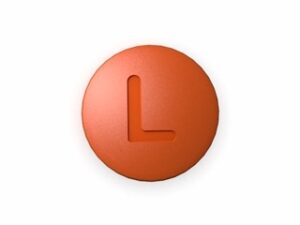
Xeloda (Capecitabine) – Patient-Friendly Information (Australia)
Xeloda is a medicine that contains capecitabine. It is used in the treatment of several cancers, usually as tablets taken by mouth. This page explains how Xeloda works, how it’s taken, important safety information, and practical tips for using it safely.
| Product name | Active ingredient | Dosage form | How it’s taken |
|---|---|---|---|
| Xeloda | Capecitabine | Oral tablets | Swallowed with water, in timed cycles |
Basic product information
- Medicine: Xeloda (capecitabine)
- Type: Anticancer medicine (a “cytotoxic” chemotherapy agent)
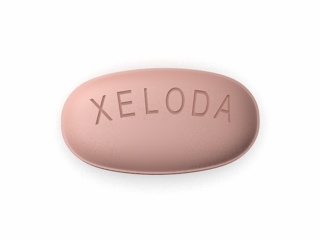
- Common presentation: Tablets in different strengths (availability may vary)
- How it works: After absorption, it is converted in the body into an active chemotherapy drug, targeting cancer cells more than normal cells
Important: Cancer treatment plans are personalised. Always follow the treatment schedule provided by your oncology team and the written instructions on your medicine label.
How Xeloda works (mechanism of action)
Capecitabine is designed as a prodrug. That means it becomes active through a series of chemical conversions inside the body.
Step-by-step overview:
- After you take capecitabine by mouth, it is absorbed into the bloodstream.
- It is then processed in the liver and further activated in tissues.
- In tumour tissue, enzymes help convert it into 5-fluorouracil (5-FU), a chemotherapy agent.
- 5-FU interferes with how cells make and repair DNA and how they produce RNA, slowing cell growth and leading to tumour cell death.
Why this matters: Because activation is more concentrated in tumour tissue, capecitabine may help improve effectiveness while reducing some exposure of healthy tissues compared with directly administered 5-FU (though side effects can still occur).
Pharmacokinetics (how the body handles it)
Pharmacokinetics describes what the body does with a drug—absorption, distribution, metabolism, and excretion.
- Absorption: Capecitabine is absorbed from the gastrointestinal tract after oral dosing.
- Activation/metabolism: It undergoes metabolism mainly in the liver and is further converted in tissues to the active form (5-FU).
- Peak levels: Like many oral medicines, blood levels rise after dosing and then gradually decline as the drug is metabolised and eliminated.
- Elimination: Metabolites are primarily cleared by the body through renal (kidney) pathways.
- Kidney considerations: Because elimination involves the kidneys, kidney function may affect how the medicine is tolerated.
Pharmacokinetics can vary between individuals, and dose adjustments may be required in practice—especially in older adults or people with reduced kidney function.
Typical uses and indications
Xeloda is used for specific cancers, often in combination with other treatments. Common indications include:
- Breast cancer: For example, in certain HER2-negative settings (sometimes with other therapies) and/or in metastatic disease strategies depending on tumour characteristics.
- Colon cancer (colorectal cancer): Including adjuvant treatment after surgery in certain stages, or in advanced/metastatic disease.
- Rectal cancer: In selected treatment plans (depending on stage and regimen).
- Gastric cancer: In some protocols, including combination chemotherapy depending on eligibility and clinical guidelines.
- Other regimen-specific uses: Some indications depend on whether Xeloda is used alone or alongside other anticancer medicines.
Note: Exact eligibility depends on tumour type, stage, biomarker results, prior treatment history, performance status, and local guideline recommendations. Your treating team will confirm whether Xeloda is appropriate for your situation.
How to time your doses
Xeloda is commonly given in cycles. A commonly used schedule is:
- Twice daily (morning and evening)
- Days on: Often 14 days
- Then off: Often 7 days rest (example: a 21-day cycle)
However, your exact schedule may differ based on the treatment plan. Always use your personalised instructions.
Practical “timing” tips
- Take doses at roughly 12-hour intervals when possible.
- Set reminders to reduce the chance of missed doses.
- If you miss a dose, do not double up to catch up unless your oncology team specifically instructs you to.
- If you vomit soon after taking a tablet, contact your treatment team for advice—timing matters.
Food interactions: take with or without food?
Food can significantly affect the absorption of capecitabine.
- As a general rule, Xeloda tablets are taken by mouth with food.
- Many instructions specify taking tablets
(or according to the label and your clinician’s guidance).
Why food matters: Taking capecitabine with food can improve drug absorption and help maintain consistent blood levels, which may support treatment effectiveness and safety.
Dietary consistency
- Try to eat consistently on dosing days.
- If appetite is poor, discuss options with your oncology team.
- Stay hydrated—particularly if you experience diarrhoea.
Alcohol and medicine interactions
Alcohol: There is no universal “safe limit” for everyone on Xeloda. Alcohol can worsen side effects such as fatigue, nausea, and dehydration, and it may increase stress on the liver.
- Many clinicians recommend limiting alcohol during treatment.
- If you plan to drink, discuss it with your healthcare provider to understand your personal risk.
Other medicines: Several drug interactions are clinically important. Always provide a full list of your medicines to your oncology team or pharmacist, including:
- Prescription medicines
- Non-prescription products (including herbal remedies)
- Vitamins and supplements
Particularly relevant interaction areas include:
- Warfarin and other blood thinners: Some anticancer therapies can increase bleeding risk by affecting clotting. Monitoring may be needed.
- Allopurinol: A medicine sometimes used for gout; interaction risks may exist depending on your regimen.
- Phenytoin: Used for seizure control; levels can be affected by cancer therapies.
- Leucovorin (folinic acid) and other fluoropyrimidines: These are often part of chemotherapy strategies and may alter toxicity.
- Kidney-impacting medicines: Because capecitabine is cleared partly by the kidneys, drugs that affect kidney function may influence tolerability.
What to do: If you start a new medicine or supplement, check with a pharmacist first—especially during active cycles when your body is more sensitive to side effects.
Dosing overview (general information)
Dosing for Xeloda is typically based on body surface area (BSA) and adjusted according to tolerability and blood test results (including kidney function and blood counts).
- Typical approach: Weight and height are used to calculate BSA, and doses may be prescribed as a mg strength schedule.
- Cycle-based timing: Often twice daily for a set number of days, then a rest period.
- Dose adjustments: Common reasons include diarrhoea severity, hand-foot syndrome (palmar-plantar erythrodysaesthesia), low white blood cells, low platelets, or kidney impairment.
Do not change your dose without guidance. Dose reductions and treatment holds are sometimes necessary to keep you safe and to manage symptoms.
Hand-foot syndrome and dose modification
One of the best-known Xeloda side effects is hand-foot syndrome, which can range from mild redness to painful peeling or ulceration. If this occurs, your oncology team may recommend:
- Temporary dose interruption
- Reduced dose in subsequent cycles
- Supportive care measures
Safety profile: common and serious side effects
Like many anticancer treatments, Xeloda can cause side effects. Many are manageable with early reporting and supportive care.
Common side effects
- Diarrhoea (sometimes can become severe)
- Nausea or vomiting
- Stomach pain or loss of appetite
- Fatigue
- Mouth sores (stomatitis)
- Rash and dry skin
- Hand-foot syndrome (redness, tingling, burning, pain, peeling)
- Low blood counts (may lead to infection risk or anaemia)
- Abnormal liver blood tests or other lab changes
Serious or urgent warning signs
Contact your healthcare provider promptly or seek urgent care if you experience:
- Severe diarrhoea or diarrhoea that doesn’t improve quickly
- Signs of infection such as fever or chills, especially if you have low white cells
- Severe dehydration (dizziness, fainting, very little urine)
- Uncontrolled vomiting
- Severe mouth ulcers preventing fluid intake
- Breathing problems or swelling suggesting an allergic reaction
- Hand-foot syndrome with blistering, ulcers, or intense pain
Monitoring during treatment
Your clinician may monitor:
- Full blood counts (white blood cells, platelets, haemoglobin)
- Kidney function (creatinine and estimated glomerular filtration rate)
- Liver function tests
- Assessment of symptoms (diarrhoea, mouth sores, rash, hand-foot syndrome)
Practical use tips for patients
Good “day-to-day” habits can reduce the impact of side effects and improve comfort.
Preventing and managing diarrhoea
- Start contacting your team early if diarrhoea begins—don’t wait for it to become severe.
- Maintain hydration with oral fluids; consider oral rehydration solutions if advised.
- Ask your pharmacist or oncology team about recommended anti-diarrhoea medicines and when to use them.
- Follow any diet guidance provided (some people find bland foods easier temporarily).
Preventing and managing hand-foot syndrome
- Keep hands and feet cool and avoid excessive heat and hot water soaks.
- Use gentle moisturisers and avoid friction (for example, rough shoes or vigorous rubbing).
- Tell your team early if you notice tingling, redness, swelling, or pain.
- Report blistering or skin breakdown urgently.
Mouth care
- Maintain good oral hygiene.
- Use a soft toothbrush and avoid irritants.
- Seek advice at the first sign of mouth ulcers.
Nausea and appetite support
- Take anti-nausea medicines if prescribed, before symptoms worsen.
- Small, frequent meals may be easier than large meals.
- Stay hydrated even if appetite is low.
How to store and handle tablets
- Store tablets according to the instructions on the pack (commonly at room temperature away from moisture and heat).
- Keep out of reach of children.
- Do not crush or split tablets unless your clinician or pharmacist instructs otherwise.
Handling tip: If you’re breaking tablets for dosing (only if approved), wash hands after handling. If tablet coating is damaged, avoid contact and follow pharmacy advice.
Alternative options
Cancer treatment choices depend on cancer type, stage, biomarkers, prior therapies, and individual health factors. If Xeloda isn’t suitable, alternatives may include:
- Other chemotherapy agents for colorectal, gastric, or breast cancers (depending on indication)
- Different oral fluoropyrimidines or intravenous fluorouracil-based regimens (your oncology team can explain options)
- Targeted therapies for cancers with specific biomarkers
- Immunotherapies in eligible cases
- Supportive care approaches to manage symptoms and improve quality of life
Your oncology team can discuss the likely benefits and risks of alternative regimens in your specific situation.
Market, reimbursement, and legal context for Australia
In Australia, Xeloda (capecitabine) is supplied through regulated medicine distribution channels and used under the oversight of healthcare professionals. Cancer medicines are generally managed within established clinical pathways.
- Availability: Xeloda can typically be obtained through Australian pharmacy systems and oncology services.
- Governance: Medicines are regulated through the Therapeutic Goods Administration (TGA) and associated systems.
- Safety: Use is guided by oncology protocols and monitored with blood tests and symptom review.
Reimbursement and access: Depending on your circumstances, treatment may be supported through government or private arrangements. Your clinic and pharmacy can advise on how access and costs are commonly handled.
Recent guidance and clinical updates (general)
In oncology, guidance can evolve as new evidence becomes available. Common recent focus areas include:
- Earlier recognition of side effects (especially diarrhoea and hand-foot syndrome)
- Prompt treatment holds and dose adjustments to reduce serious toxicity
- Improved supportive care strategies for hydration and symptom control
- Individualised dosing using kidney function and patient tolerance
Your treating team will follow up-to-date Australian and international clinical guidance relevant to your diagnosis and regimen.
Delivery and availability (online pharmacy)
Online pharmacies aim to provide reliable access to medicines while complying with Australian requirements. Availability and delivery can vary depending on stock levels, strength, and pack size.
- Check stock: Xeloda may be supplied in different strengths; availability can vary.
- Dispatch times: Delivery timeframes depend on the supplier and your location.
- Packaging: Medicines should arrive in original packaging with clear labelling.
- Cold chain: Xeloda is not typically a refrigerated medicine, but always follow storage instructions on the pack.
Receiving your order: Keep tablets in the labelled pack and store them as directed. If anything looks damaged or the label doesn’t match your treatment plan, contact the pharmacy before use.
FAQ
1) What is Xeloda used for?
Xeloda (capecitabine) is used to treat certain cancers, most commonly in colorectal (colon/rectal) and breast cancers and in some gastric cancer regimens, depending on your specific diagnosis and treatment plan.
2) How do I take Xeloda?
Follow your personalised dosing instructions. Xeloda is usually taken twice daily with food, often within about 30 minutes after a meal, and given in cycle schedules (such as days on followed by days off).
3) Can I take it on an empty stomach?
For most patients, capecitabine should be taken with food to support correct absorption and reduce variability in blood levels. If you’re struggling to eat, contact your oncology team or pharmacist for advice.
4) What should I do if I miss a dose?
Do not take extra doses to “make up” for a missed tablet unless your healthcare provider specifically instructs you. Contact your oncology team or pharmacist for instructions based on your cycle schedule and how many hours have passed.
5) What are the most important side effects to watch for?
The most common issues include diarrhoea, mouth sores, nausea, fatigue, rash, and hand-foot syndrome. Seek urgent advice if you develop severe diarrhoea, signs of infection (such as fever), severe dehydration, or painful blistering/ulceration of hands or feet.
6) How will I know if my dose needs adjusting?
Your clinician may adjust dosing based on symptoms and blood tests—especially kidney function and blood counts. Report side effects early so modifications can be made promptly.
7) Can I drive while taking Xeloda?
Some people feel fatigue or unwell during treatment. If you’re tired, dizzy, or otherwise affected, avoid driving until you feel safe.
8) Are there food interactions besides taking with meals?
The key interaction is timing with food. Beyond that, a balanced diet and hydration support may help tolerate treatment. If you have dietary restrictions, ask your oncology dietitian or pharmacist for tailored advice.
9) Should I avoid alcohol?
Many clinicians recommend limiting alcohol during anticancer treatment due to potential worsening of side effects (nausea, dehydration, liver stress). Discuss your situation with your healthcare provider.
10) What other medicines should I tell my pharmacist about?
Tell them about all medicines and supplements you take—especially blood thinners, seizure medicines, gout medicines, and any kidney-impacting therapies—so interaction risk can be checked.
11) Is Xeloda a “targeted therapy” or “immunotherapy”?
No. Xeloda is a chemotherapy-type medicine (cytotoxic), though it is activated preferentially in tissues to reduce exposure of healthy cells.
12) How long will treatment last?
Treatment length depends on cancer type, response, and tolerance. It is usually delivered in cycles, and your oncology team will plan how many cycles are needed.
When to contact your healthcare team urgently
Contact your oncology team or seek urgent medical care if you have:
- Fever or signs of infection
- Severe diarrhoea or inability to keep fluids down
- Severe weakness, dizziness, or signs of dehydration
- Severe hand-foot syndrome with blisters or ulcers
- Any sudden breathing difficulties or allergic-type swelling
Summary
Xeloda (capecitabine) is an oral anticancer medicine taken in cycle-based schedules. It works by converting to an active chemotherapy agent in the body, helping to disrupt cancer cell DNA and growth. Because side effects such as diarrhoea and hand-foot syndrome can occur, early reporting and dose adjustments when needed are key to safe treatment. Taking Xeloda with food and staying well hydrated are practical steps that can improve tolerability. If you have questions about your regimen, side effects, or interactions, speak with your oncology team or pharmacist.