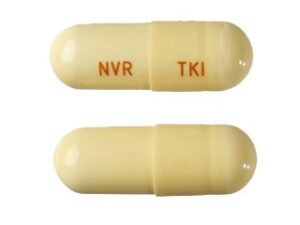


Aromasin (Exemestane) – Patient-Friendly Medicine Guide (Australia)
Aromasin (generic name: exemestane) is a medicine used to treat certain hormone-dependent cancers. This guide explains how it works, how it’s taken, what to expect, and important safety information. It’s written to be understandable and helpful, but it cannot replace advice from your healthcare professional.
Quick Overview
- Brand name: Aromasin
- Generic name: Exemestane
- Medicine type: Aromatase inhibitor (AI)
- Main use: Hormone receptor–positive breast cancer (in specific stages and settings)
- How it’s taken: Usually once daily by mouth, preferably after food
- Common strengths: Tablets (commonly 25 mg)
Basic Product Information
Exemestane is designed to reduce oestrogen production in the body. It belongs to a class of medicines called aromatase inhibitors. These medicines are used in postmenopausal women and in some situations involving women who are functionally postmenopausal (for example, after ovarian suppression), depending on the treatment plan.
Aromasin tablets are typically taken orally once per day. Your exact dose and duration depend on your diagnosis, stage of disease, treatment history, and overall health.
How Aromasin Works (Mechanism of Action)
Many breast cancers are “oestrogen-dependent.” They may grow when oestrogen stimulates cancer cells. In postmenopausal women, most oestrogen is produced by converting androgen hormones into oestrogen in peripheral tissues (such as fat and muscle) through an enzyme called aromatase.
Exemestane works by inhibiting aromatase, thereby lowering oestrogen levels. By reducing oestrogen exposure, it helps slow or stop the growth of hormone-sensitive breast cancer.
- Target: Aromatase enzyme
- Result: Lower oestrogen production
- Benefit: Helps control hormone receptor–positive breast cancer
Pharmacokinetics (How the Body Handles It)
Pharmacokinetics describes what happens to a medicine after you take it. While your individual response can vary, the general features of exemestane include:
- Absorption: Exemestane is absorbed after oral dosing. Taking it with food can improve absorption and reduce variability.
- Distribution: It spreads throughout the body and binds to proteins in the blood.
- Metabolism: It is metabolised in the liver and converted into less active forms (mainly through enzyme pathways such as CYP systems).
- Excretion: Metabolites are eliminated primarily via the urine and faeces.
- Half-life (general): The medicine’s effects last long enough to allow once-daily dosing in most regimens.
If you have liver disease or significant kidney impairment, dosing and monitoring may need adjustment—discuss this with your healthcare professional.
Typical Use and Indications in Plain Language
Aromasin is used for hormone receptor–positive breast cancer. Exact eligibility depends on your menopausal status, prior treatments, and stage.
Common indications include:
- Adjuvant treatment (after surgery) for early breast cancer in postmenopausal women or in other selected settings.
- Extended adjuvant treatment following earlier therapy.
- Treatment of advanced or metastatic breast cancer when the cancer is hormone receptor–positive and has progressed on or after other treatments (as directed in your care plan).
Your oncology team will decide whether exemestane is appropriate for you based on your pathology reports (e.g., oestrogen receptor status, progesterone receptor status), prior endocrine therapy, and overall risk-benefit considerations.
Dosing – What Is Usually Used
A common regimen is 25 mg once daily. Always follow the dose and schedule provided by your healthcare professional.
| Topic | Typical information (general) |
|---|---|
| Usual daily dose | Often 25 mg once daily |
| Best time to take | Preferably at the same time each day, after food |
| With or without food? | Typically taken after a meal (food improves absorption) |
| Missed dose | Take when remembered if close to the usual time; if near the next dose, skip the missed dose. Do not double. |
If you experience side effects, do not stop or change the dose on your own. Your prescriber can advise whether you need symptom management, monitoring, or dose adjustments.
Timing and Practical Tips for Taking Aromasin
To get the most benefit and improve consistency:
- Take after food: The medicine is commonly recommended to be taken after a meal.
- Pick a routine time: For example, after dinner or after breakfast—choose what fits your lifestyle.
- Swallow whole: Swallow the tablet with water unless your healthcare team gives different instructions.
- Use adherence tools: Consider a daily pill box, phone reminders, or calendar alerts.
- Track side effects: Keep notes of symptoms (pain, hot flushes, mood changes, joint stiffness) to help your care team.
If you’re having difficulties swallowing tablets, vomiting after dosing, or you frequently miss doses, let your healthcare professional know. They may suggest strategies to improve adherence.
Food Interactions
Food can affect absorption. Exemestane is typically taken after eating (rather than on an empty stomach) to reduce variability and support consistent absorption.
Practical guidance:
- Take it after a meal (even a light meal is usually better than an empty stomach).
- If you often skip meals, discuss an approach with your healthcare team.
No specific “forbidden” foods are usually required, but maintaining a balanced diet and adequate calcium/vitamin D intake (if recommended) can be important during long-term endocrine therapy.
Alcohol and Medicine Interactions
Alcohol may not directly interact with exemestane in a single-dose way for most people, but alcohol can affect:
- Side effects: It may worsen fatigue, dizziness, sleep disturbance, or hot flushes.
- Bone health: Heavy or regular alcohol intake may contribute to bone weakening.
- Medication routines: Alcohol may lead to missed doses or poor meal timing.
If you choose to drink alcohol, consider keeping intake modest and discuss what’s appropriate for you—especially if you have liver problems or are taking other medicines that affect the liver.
Important: Always tell your healthcare professional about your alcohol intake and all medicines (including over-the-counter products and supplements).
Medicine Interactions (Including Supplements)
Exemestane can interact with medicines that affect drug-metabolising enzymes in the liver. Some interactions may reduce effectiveness or increase risk of side effects.
Potential interaction themes include:
- Enzyme inducers (may lower exemestane levels): certain anti-seizure medicines, some tuberculosis medicines, and other drugs that strongly activate liver enzymes.
- Strong enzyme inhibitors (may increase exemestane levels): some antifungals and certain antibiotics can potentially affect metabolism.
- Hormonal therapies (may compete or oppose endocrine effects): do not combine with oestrogen-containing therapies unless specifically directed.
- Herbal products: some supplements may affect metabolism. Common examples to mention include products containing St John’s wort.
Action steps:
- Provide your medicine list to your pharmacist or prescriber.
- Check with a healthcare professional before starting new medicines, including antibiotics, antifungals, seizure medicines, or supplements.
- If you develop unusual symptoms after a medication change, seek advice promptly.
Safety Profile – What to Expect and When to Get Help
Like all medicines, Aromasin can cause side effects. Many people experience mild to moderate effects, especially early in treatment. However, some symptoms require urgent medical review.
Common Side Effects
- Hot flushes and sweating
- Joint and muscle pain (arthralgia, myalgia)
- Fatigue
- Headaches
- Nausea or mild stomach upset
- Vaginal dryness or discomfort
- Sleep disturbance
- Mood changes, including irritability or low mood in some people
Bone Health and Fracture Risk
Because aromatase inhibitors lower oestrogen, they may contribute to bone thinning (osteopenia/osteoporosis) and an increased risk of fractures over time. Your clinician may recommend:
- Baseline and follow-up bone density scans
- Calcium and vitamin D supplementation if appropriate
- Exercise (weight-bearing and resistance exercise)
- Medicines to protect bones in selected patients
Less Common but Important Risks
- Allergic reactions (rare): rash, swelling, breathing difficulty.
- Changes in liver function: signs include yellowing of the skin/eyes, dark urine, severe fatigue.
- Cardiovascular risk factors: discuss your personal risk and monitoring plan.
Seek urgent medical help if
- You develop swelling of the face/lips, difficulty breathing, or severe rash.
- You experience symptoms of liver problems (yellow skin/eyes, severe persistent nausea, dark urine).
- You have chest pain, sudden shortness of breath, or fainting.
If side effects are bothering you, it’s not unusual to manage them with supportive care (e.g., exercise, moisturisers, pain relief strategies, sleep measures). Do not stop the medicine without discussion.
Practical Use Tips (Day-to-Day Living)
These strategies may help you tolerate treatment better:
- For joint pain: Gentle stretching, regular movement, and graded exercise can help. Some people find warm baths or heat packs beneficial.
- For hot flushes: Keep your room cool, dress in layers, and consider pacing stress and triggers (like hot drinks or spicy foods).
- For vaginal dryness: Use appropriate vaginal moisturisers/lubricants (ask your healthcare professional about suitable options). Avoid self-prescribing oestrogen products unless approved.
- For fatigue: Prioritise rest, maintain light activity, and allow time for recovery after demanding days.
- For bone protection: Ensure adequate dietary calcium, consider vitamin D if recommended, and do weight-bearing exercise.
- For sleep: Maintain a consistent bedtime routine and limit caffeine later in the day.
Consider bringing this information to your pharmacist or clinician and reviewing your symptom management plan.
Alternative Options (Other Treatment Approaches)
Aromasin is one option within endocrine (hormone) therapy. Alternatives may include other aromatase inhibitors or different classes of medicines, depending on your cancer type and prior treatments.
Common alternatives discussed in clinical practice include:
- Other aromatase inhibitors: e.g., anastrozole, letrozole.
- Selective oestrogen receptor modulators (SERMs): e.g., tamoxifen (depending on menopausal status and specific situation).
- Fulvestrant (a selective oestrogen receptor degrader) for some advanced settings.
- Ovarian suppression strategies for premenopausal patients as part of combination regimens (where appropriate).
- Supportive and bone-protecting treatments to reduce risk of complications during endocrine therapy.
Choice of therapy depends on your stage, receptor status, prior endocrine treatments, tolerability, and your overall risk profile.
Pharmacovigilance and Recent Guidance (Australia Context)
In Australia, medicines are monitored through the national health system, including safety reporting and ongoing review processes. Updated clinical recommendations for hormone therapies may occur as new trial data and real-world evidence become available.
It’s common for oncology and endocrine therapy guidance to emphasise:
- Appropriate patient selection (e.g., hormone receptor status and menopausal status)
- Bone health monitoring during aromatase inhibitor therapy
- Managing side effects early to support adherence
- Reviewing drug–drug interactions when medicines change
Your healthcare team may also recommend periodic blood tests or other monitoring based on your overall condition.
Market and Legal/Regulatory Notes for Australia
Aromasin (exemestane) is regulated in Australia under the Therapeutic Goods Administration (TGA) framework. Availability and supply may depend on current product listings, prescribing practices, and pharmacy supply arrangements.
Online pharmacies in Australia typically require verification of eligibility and adherence to local regulations. This may include identity checks and confirmation of medication history.
Always ensure the product you receive is genuine, correctly labelled, and stored appropriately.
Delivery and Availability
Availability can vary by stock levels and distribution timelines. When ordering online, delivery is typically arranged through standard or express transport options.
- Dispatch timing: Often depends on whether the item is in stock.
- Delivery timeframes: Vary by location (metro vs regional) and carrier.
- Packaging: Usually includes protective wrapping and clear labelling for safe transit.
For the best experience, check the pharmacy’s delivery estimates at checkout and keep an eye out for tracking updates.
Storage Instructions
Store Aromasin tablets according to the instructions on the label or packaging. In general:
- Keep tablets in their original packaging
- Store at room temperature (unless otherwise stated)
- Keep out of reach of children
- Do not use after the expiry date
FAQ – Aromasin (Exemestane)
1) What is Aromasin used for?
Aromasin (exemestane) is used to treat hormone receptor–positive breast cancer in specific situations, such as after surgery (adjuvant/extended adjuvant therapy) or in advanced disease, depending on the overall treatment plan.
2) How should I take Aromasin?
It is commonly taken once daily after food. Try to take it around the same time each day. Swallow the tablet whole with water.
3) What should I do if I miss a dose?
If you remember soon after, take it after food when you can. If it’s close to the next dose, skip the missed dose. Do not double up.
4) Can I take Aromasin on an empty stomach?
It’s generally recommended to take it after a meal because food can improve absorption. If you regularly miss meals, ask your pharmacist or prescriber for practical advice.
5) What side effects are common?
Common side effects include hot flushes, joint and muscle pain, fatigue, headaches, nausea, and vaginal dryness. Bone thinning can also occur over time, so monitoring is important.
6) How long will I need to take it?
Treatment duration depends on whether Aromasin is being used as part of early-stage therapy, extended therapy, or for advanced disease. Your oncology team will set a plan based on your response and risk factors.
7) Does Aromasin affect bone health?
Yes. By lowering oestrogen levels, aromatase inhibitors may increase the risk of osteopenia/osteoporosis. Bone density monitoring and preventive strategies are often recommended.
8) Is it safe to drink alcohol while taking Aromasin?
Moderate alcohol may not directly interact for everyone, but alcohol can worsen fatigue, sleep, and hot flushes and may affect bone health. Discuss what’s appropriate for you, especially if you have liver issues or are taking other medicines.
9) What medicines and supplements should I avoid?
Interactions can occur with medicines that affect liver enzymes and with oestrogen-containing products unless specifically instructed. Avoid starting new supplements (including herbal products) without checking first.
10) When should I contact a healthcare professional urgently?
Seek urgent help for signs of an allergic reaction (such as swelling or difficulty breathing), severe or persistent symptoms, or possible liver problems (e.g., yellow skin/eyes or dark urine).
Remember: If you have questions about Aromasin or how to manage side effects, speak with your pharmacist or treating clinician. They can tailor advice to your individual medical history and treatment goals.