

Fluorouracil (5-FU) – Patient Information (Australia)
Fluorouracil (often called 5-fluorouracil or 5-FU) is an anticancer medicine used to treat a variety of cancers. It works by interfering with how rapidly dividing cells make DNA and RNA, which helps slow or stop the growth of some tumours.
This page explains how fluorouracil works, what it’s used for, how it’s typically given, important safety considerations, and practical tips to help you prepare for treatment. It is written for a general audience in Australia and aims to be clear and easy to understand.
Basic product information
| Category | Details |
|---|---|
| Medicine | Fluorouracil (5-FU) |
| Common forms | May be given as an injection (intravenous or sometimes other clinical routes). Exact form varies by product and cancer type. |
| Therapeutic class | Antimetabolite anticancer medicine |
| How it’s used | Often combined with other cancer medicines or radiation, depending on the cancer type and stage |
| Availability in Australia | Hospital and specialist oncology settings. Availability depends on local supply and product presentation. |
Availability can differ by state/territory and by the treatment plan. If you have questions about the exact brand/form used in your regimen, your treating team can confirm the product details.
How Fluorouracil works (mechanism of action)
Fluorouracil is a pyrimidine analogue. In the body, it is converted into active metabolites that disrupt nucleic acid synthesis:
- DNA synthesis interference: Fluorouracil metabolites can block key steps in the formation of DNA building blocks.
- RNA effects: It can also be incorporated into RNA, which may interfere with protein production and cell function.
- Selective pressure on fast-growing cells: Cancer cells often divide more rapidly than normal cells, making them more vulnerable to these disruptions.
While it cannot target cancer cells with perfect precision, clinicians use dosing schedules and combination therapies to improve effectiveness while managing side effects.
Pharmacokinetics (how the body handles Fluorouracil)
Pharmacokinetics describes what happens to the medicine after it enters the body—absorption (if relevant), distribution, metabolism, and elimination.
- Distribution: Fluorouracil distributes through body tissues, including tumour sites, as determined by circulation and the specific regimen.
- Metabolism: A major pathway involves liver enzymes converting fluorouracil into metabolites. Enzymes and tumour-related factors can affect activity.
- Elimination: Fluorouracil and its metabolites are cleared mainly via the urine and other metabolic pathways. Timing of dosing schedules is designed around how quickly levels change in the body.
- Clinical monitoring: Because effectiveness and side effects can vary, treatment plans usually include blood tests and close review of symptoms.
Your regimen (including dose and schedule) is selected by your oncology team based on your cancer type, overall health, other medicines, and blood test results.
Typical uses and indications in Australia
Fluorouracil is used for several cancers. It may be given alone or—more commonly—in combination with other anticancer medicines such as leucovorin, oxaliplatin, irinotecan, or targeted therapies, depending on the clinical scenario.
Common indications
- Colorectal cancer: Often used in advanced disease and also in selected adjuvant/neoadjuvant settings.
- Gastrointestinal cancers: Including cancers of the upper gastrointestinal tract, depending on treatment protocols.
- Head and neck cancers: In some combinations as part of multimodal therapy.
- Breast cancer: In particular regimens for specific subtypes/stages (treatment plan dependent).
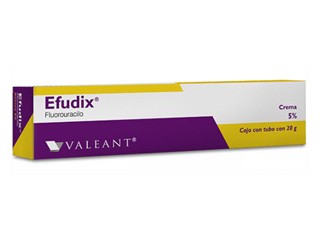
- Skin cancers (topical forms): Some people associate fluorouracil with topical therapy for certain skin conditions. This page focuses primarily on the anticancer medicine used in systemic treatment; specific topical product details differ.
If you’re unsure which cancer type your treatment is targeting or why fluorouracil is included, ask your treating team for a plain-language explanation of your regimen.
Timing and dosing schedules (what “timing” means in practice)
Fluorouracil dosing varies significantly by:
- the cancer being treated,
- the goal of therapy (curative, adjuvant, neoadjuvant, palliative),
- your body size/weight and blood results,
- whether it’s used alone or with other agents, and
- route and infusion schedule used in the clinic.
Typical schedules in oncology practice may include:
- Intermittent cycles (e.g., weekly or every few weeks), followed by a rest period to allow recovery of blood counts.
- Continuous or infusional regimens using a device for a set number of days in some protocols.
Your dosing plan should be provided by your oncology service and is usually adjusted based on:
- Full blood count (neutrophils, platelets, and other markers),
- liver function and sometimes kidney function,
- side effects (e.g., mouth sores, diarrhoea, fatigue), and
- any drug interactions.
Important: Always follow the exact schedule you are given. Changing timing or skipping doses can reduce effectiveness or increase risk of complications.
Food interactions
Food interactions depend on how fluorouracil is administered and on the specific regimen. For many systemic (injection/infusion) uses, food is not expected to directly “block” absorption in the way it can for some oral medicines. However, meals can still matter indirectly because of:
- Nausea or reduced appetite (eating small, frequent meals may help),
- Diarrhoea or gut sensitivity (some foods may worsen symptoms), and
- Hydration needs (especially if you develop diarrhoea).
Practical nutrition considerations during treatment
- Choose gentle foods if your stomach is upset (e.g., plain rice, toast, bananas, soups).
- Avoid greasy or highly spicy foods if they worsen nausea or diarrhoea.
- Stay hydrated, especially if you experience loose stools.
- Consider dietitian support if appetite is low or weight changes quickly.
If you are taking fluorouracil with other medicines, those medicines may have more explicit food guidance. Confirm specific diet instructions with your cancer care team.
Alcohol interactions
Alcohol is not an “absolute” interaction for fluorouracil in every case, but it can affect treatment safety and comfort in several ways:
- Increased side effects: Alcohol can worsen nausea, fatigue, and dehydration.
- Liver stress: Fluorouracil and other cancer medicines may affect liver function; alcohol can add additional strain.
- Medication interactions: Some supportive medicines used during chemotherapy (e.g., for nausea or pain) may interact with alcohol.
Many oncology teams advise avoiding alcohol or keeping it to very small amounts during treatment, particularly if you have nausea, mouth sores, diarrhoea, or abnormal liver blood tests.
If you want to drink occasionally, discuss it with your oncology team—your personal situation and other medicines matter.
Medicine interactions (other medicines that may matter)
Fluorouracil can interact with other medicines—either by changing how it’s processed in the body or by overlapping side effects (such as lowered immunity, bleeding risk, diarrhoea, or mouth inflammation).
Examples of medicine interaction categories
- Blood-thinning medicines (anticoagulants/antiplatelets): Some patients may have altered bleeding risk when undergoing cancer therapy, especially if platelet counts fall.
- Medicines that affect liver enzymes: Changes in enzyme activity can alter fluorouracil metabolism.
- Other chemotherapy agents: Combination regimens are intentional but still require careful monitoring for overlapping toxicity.
- Herbal products and supplements: Some products can affect drug metabolism or immunity. Always check before starting.
Always tell your team about:
- all medicines you take (including “as needed” medicines),
- vitamins and supplements,
- herbal products (including teas/extracts), and
- recent vaccinations or planned vaccinations.
Your oncology pharmacist can help review interaction risk more specifically once your full list is known.
Safety profile: common and serious side effects
Like all medicines, fluorouracil can cause side effects. Many are manageable, especially when caught early. However, some symptoms require urgent medical attention.
Common side effects
- Mouth sores (stomatitis) or painful swelling in the mouth
- Diarrhoea (can be mild to severe)
- Nausea and reduced appetite
- Fatigue and weakness
- Skin changes such as dryness or rash
- Low blood counts (leading to infection risk, anaemia-related fatigue, or bruising/bleeding if platelets drop)
- Hair thinning (not always, and depends on regimen)
Serious side effects: seek urgent help
Contact your oncology team or seek urgent medical advice if you develop:
- Signs of infection: fever, chills, or feeling very unwell
- Severe diarrhoea, especially if frequent or with dehydration
- Severe mouth ulcers preventing adequate fluid intake
- Bleeding or unusual bruising
- Allergic reactions: swelling of face/lips, wheeze, or difficulty breathing
If you feel seriously unwell, do not wait for the next appointment.
Practical use tips (patient-friendly)
Because fluorouracil is typically administered in a healthcare setting, “practical use” often means preparing for appointments and caring for yourself during the treatment cycle.
Before each treatment visit
- Keep up with blood tests and bring any results if requested.
- Inform the team about any new symptoms since your last visit.
- Plan transport: fatigue, dizziness, or nausea can make driving difficult.
- Have contact details ready for urgent queries.
During treatment
- Hydrate regularly, especially if you experience diarrhoea.
- Oral care matters: use a gentle mouth rinse as advised; keep the mouth clean and moisturised.
- Nutrition support: aim for small, frequent meals if appetite is low.
- Track symptoms: note diarrhoea frequency, mouth pain, and temperature.
After treatment / between cycles
- Rest when needed, but include light activity if you feel up to it.
- Protect against infection if your blood counts are low: follow hygiene advice from your team.
- Take medicines only as directed for supportive care (anti-nausea medicines, mouth treatments, or other prescriptions).
Alternative options
Alternative treatments depend on the cancer type, stage, biomarkers, and your general health. Your oncology team may consider:
- Other chemotherapy agents used in similar settings (varies by protocol).
- Combination chemotherapy that does not include fluorouracil, or uses different backbones.
- Targeted therapies for cancers with specific genetic markers.
- Immunotherapy where appropriate based on tumour characteristics.
- Radiation therapy as part of multimodal treatment.
- Supportive and palliative care measures to manage symptoms and improve quality of life.
If fluorouracil is not suitable or you experience unacceptable side effects, alternative regimens may be considered. Discuss the goals of treatment and options with your specialist team.
Market and legal context for Australia
In Australia, cancer medicines such as fluorouracil are regulated under the TGA (Therapeutic Goods Administration) and must meet standards for quality, safety, and supply. The availability and prescribing/dispensing requirements are governed by Australian health system rules and the product’s approval status.
Fluorouracil is generally supplied through healthcare providers and specialist channels due to:
- the need for appropriate cancer diagnosis and treatment selection,
- monitoring requirements (blood tests, symptom assessment), and
- the need for safe handling and administration protocols.
Treatment decisions should be made by qualified clinicians. If you are exploring options for treatment access, your oncology clinic and local hospital pharmacy can guide you on what is available and how it will be delivered.
Recent guidance and evolving clinical practice
Oncology care standards evolve as new evidence emerges. “Recent guidance” can include updates to:
- dose modification strategies for diarrhoea or low blood counts,
- supportive care (e.g., prevention and management of mouth sores, nausea, and infection risk),
- combination regimens based on biomarker status, and
- monitoring practices to improve safety and reduce unnecessary delays.
Your treating team will follow the most up-to-date clinical protocols relevant to your cancer type and location within Australia.
Delivery and availability (what to expect)
Because fluorouracil is often administered in clinic settings, delivery arrangements are usually organised by the treating facility rather than personally through a typical retail delivery experience.
Depending on the specific product form and your care model:
- Hospital/clinic supply: the oncology unit may receive and prepare the medicine for scheduled administration.
- Support for outpatient therapy: some patients receive treatment at day centres where medicines are handled on-site.
- Scheduling logistics: appointments may be set around stock availability and pre-treatment blood test results.
If you are using an online pharmacy service to support your care, availability can vary. For the most accurate information, check product availability status and expected timelines, or contact the pharmacy team directly.
FAQ
1) What is fluorouracil used for?
Fluorouracil is an anticancer medicine used in the treatment of several cancers, including (in many protocols) colorectal and certain gastrointestinal and head & neck cancers. It is often given in combination regimens.
2) How is fluorouracil administered?
Fluorouracil is commonly given as an injection or infusion in a healthcare setting. The exact route and schedule depend on your cancer type and treatment protocol.
3) How long does it take to work?
Some effects may begin quickly, but measurable tumour responses and side-effect patterns vary. Clinicians usually assess response over weeks to months using scans and blood markers when appropriate.
4) What should I do if I miss a scheduled dose?
Contact your oncology clinic or treatment centre as soon as possible. Missed doses may require rescheduling or adjustment of your plan to maintain safety and effectiveness.
5) Can I eat normally while on treatment?
Many people can eat normally, but side effects like nausea, mouth sores, or diarrhoea can affect appetite. Choose gentle foods if symptoms arise and ask your team about diet support or anti-nausea strategies.
6) Does alcohol interact with fluorouracil?
Alcohol may worsen side effects and can affect hydration and liver health. Many oncology teams recommend avoiding alcohol or using only minimal amounts during treatment, especially if your blood tests or symptoms suggest increased risk.
7) What are the most important warning signs?
Seek urgent advice for fever or signs of infection, severe diarrhoea, severe mouth sores, bleeding/unusual bruising, or symptoms of an allergic reaction.
8) Are there alternatives if I can’t tolerate it?
Yes. Alternative chemotherapy agents, targeted therapies, immunotherapies, or radiation may be considered depending on your cancer type and specific medical factors.
9) How do clinicians reduce the risk of side effects?
Risk reduction includes pre-treatment blood tests, careful dosing, supportive medicines (like anti-nausea treatments), symptom monitoring, and dose adjustments if side effects occur.
10) Where can I get help during treatment?
Your oncology team and oncology pharmacist are your best sources for personalised advice. Keep their contact numbers and emergency instructions accessible at all times.
Note: This information is general and may not cover all individual circumstances. Treatment with fluorouracil requires medical supervision and monitoring, and your healthcare team can provide guidance tailored to your regimen and personal health.