Beloc (Metoprolol) — Patient Information (Australia)
Beloc is a brand of metoprolol, a medicine from the group called beta‑blockers. It is commonly used to treat certain heart and blood pressure conditions and to help reduce symptoms such as palpitations. This guide is written to be patient‑friendly and explains how metoprolol works, how it is used, what to expect, and important safety information.
| Product name | Beloc (metoprolol) |
|---|---|
| Active ingredient | Metoprolol |
| Medicinal class | Beta‑blocker |
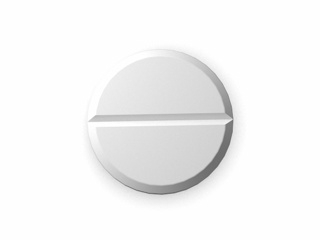
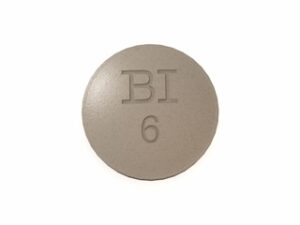
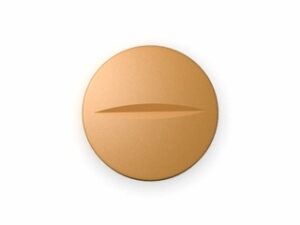
| Common forms | Immediate‑release tablets and other metoprolol presentations may be available (depending on brand and country) |
| Common uses | High blood pressure, angina, certain heart rhythm conditions, and sometimes to prevent migraines (depending on local guidance and individual needs) |
| How it works (summary) | Reduces the effects of adrenaline on the heart, lowering heart rate and blood pressure |
Basic product information
Metoprolol helps the heart beat more slowly and with less force. It can also reduce the workload on the heart, which is why it may be used for several cardiovascular conditions.
Beloc may come in different strengths. Your prescribed dose and timing depend on the specific condition being treated, your age, other medicines you take, and how your heart rate and blood pressure respond.
How Beloc (Metoprolol) works — mechanism of action
Metoprolol is a beta‑1 selective beta‑blocker (often described as “cardio‑selective”). It mainly blocks beta‑1 receptors in the heart. This leads to:
- Lower heart rate (slower pulse)
- Reduced force of heart contraction
- Reduced electrical excitability, helping stabilise some abnormal heart rhythms
- Lower blood pressure by decreasing cardiac output and helping reduce stress on blood vessels
In people with angina, the reduced heart workload can help decrease symptoms such as chest tightness, especially during exertion. In some rhythm disorders, metoprolol can help control the rate of the heartbeat.
Pharmacokinetics (how the body handles metoprolol)
Pharmacokinetics describes what the body does to a medicine, including absorption, distribution, metabolism, and excretion.
- Absorption: Metoprolol is absorbed through the gastrointestinal tract. The speed and extent of absorption can vary by formulation.
- Distribution: It spreads throughout the body, including the heart. Metoprolol is lipophilic and can cross biological membranes.
- Metabolism: Metoprolol is primarily metabolised by the liver enzyme CYP2D6. People can metabolise metoprolol at different speeds due to genetic differences, which may influence drug levels.
- Excretion: The metabolites and some unchanged drug are eliminated mainly via the kidneys.
- Half-life (typical concept): The duration of action is influenced by formulation and individual metabolism. Some presentations provide longer effects than immediate‑release tablets.
What this means for you: Because metabolism involves liver enzymes, interactions with other medicines (and liver health) can affect how metoprolol works and how strongly it affects your heart rate.
Typical uses (indications)
Metoprolol is used for a range of cardiovascular conditions. Common indications include:
- High blood pressure (hypertension)
- Angina (chest pain due to reduced blood flow to the heart)
- Some heart rhythm conditions, particularly where controlling heart rate is important
- Heart attack aftercare in selected patients (as part of long‑term management strategies)
- Migraine prevention in some patients (where beta‑blockers are considered an option)
Which indication applies to you depends on your diagnosis and overall health. Your prescriber will choose the most suitable form and dose.
Timing and how to take Beloc (practical use)
Timing can matter for maintaining steady effects. Many people take metoprolol once or twice daily depending on the formulation and their healthcare plan.
General timing tips
- Take it at the same times each day to keep blood levels steady.
- Do not change the schedule without medical advice.
- If you miss a dose: take it when you remember if it is close to the next dose. If the next dose is near, skip the missed dose. Do not take double doses.
- Stopping abruptly is usually not recommended: stopping beta‑blockers suddenly can lead to worsening symptoms (such as chest pain) or other problems.
With or without food?
Metoprolol absorption can be affected by food to varying degrees depending on formulation. In many cases, it can be taken with or without food, but consistency is important.
- If your product information indicates it can be taken with or without food, choose what suits you and take it the same way each day.
- If you notice nausea or stomach discomfort, taking it with food may help.
Food interactions
Food interactions with metoprolol are generally less dramatic than many other medicines, but a few points are relevant:
- Take consistently with respect to meals (either always with food or always on an empty stomach) to reduce day‑to‑day variation.
- Grapefruit juice: Grapefruit is more commonly known for interactions with certain other medicines (not typically the main issue with metoprolol). However, because metoprolol metabolism involves liver enzymes, it’s sensible to discuss significant dietary changes or new supplements with your pharmacist.
- Alcohol-containing foods/drinks: See the alcohol section below.
If you have digestive issues or are changing meal patterns (e.g., due to reflux, weight loss plans, or shift work), ask your pharmacist whether your metoprolol type should be taken with food.
Alcohol interactions
Alcohol can increase the blood‑pressure‑lowering and dizziness‑causing effects of many medicines, including beta‑blockers.
- Possible effects: dizziness, light‑headedness, faint feeling, and sometimes lower blood pressure.
- Practical advice: keep alcohol intake moderate and be cautious when drinking, especially when starting or adjusting metoprolol.
- Driving and machinery: avoid driving or operating machinery if alcohol and metoprolol make you feel drowsy, dizzy, or unsteady.
If you want to drink alcohol regularly (e.g., weekly), it’s best to discuss this with your pharmacist or doctor so your dose timing and monitoring can be appropriate.
Medicine interactions (important)
Metoprolol interacts with other medicines that affect heart rate, blood pressure, and liver metabolism (particularly CYP2D6).
Common interaction categories
- Other heart‑rate lowering medicines (e.g., some calcium channel blockers, other beta‑blockers, some antiarrhythmics): may further slow the heart.
- Medicines that affect blood pressure: increased risk of hypotension (low blood pressure).
- Strong inhibitors of CYP2D6: can raise metoprolol levels, potentially increasing side effects (for example, dizziness, slow heart rate, fatigue).
- Medicines affecting diabetes management: beta‑blockers can mask warning signs of hypoglycaemia (such as fast heartbeat).
- Some antidepressants and other drugs metabolised via CYP2D6: may alter metoprolol metabolism.
Examples to consider (not exhaustive)
- Diabetes medicines (including insulin): beta‑blockers may hide hypoglycaemia symptoms; regular monitoring is important.
- Some antidepressants (particularly those that inhibit CYP2D6): may increase metoprolol exposure.
- Some migraine medicines or other cardiovascular medicines: may have additive effects on blood pressure/heart rate depending on the drug.
- Non‑steroidal anti‑inflammatory drugs (NSAIDs) (e.g., ibuprofen, naproxen): can affect blood pressure control in some people by influencing kidney function and fluid balance.
Important: Always provide your pharmacist with a list of all medicines you take, including prescription medicines, over‑the‑counter products, vitamins, herbal supplements, and occasional medicines. This helps avoid harmful interactions.
Dosing — how the right dose is chosen
Dosing of metoprolol depends on the condition being treated and the formulation (immediate‑release vs longer‑acting). Clinicians usually start at a lower dose and adjust based on:
- Heart rate (pulse) and blood pressure
- Symptoms (e.g., chest pain, palpitations)
- Side effects (e.g., fatigue, dizziness)
- Other medicines and medical conditions (including asthma/COPD history and liver function)
General dosing principles (patient-friendly)
- Start low, go slow: dose increases are typically gradual.
- Monitor response: you may have follow‑up blood pressure and pulse checks.
- Do not self‑adjust: changing the dose without advice can lead to over‑ or under‑treatment.
Note: Because metoprolol comes in different strengths and formulations, and because dosing varies widely, it’s not appropriate to list exact dosing schedules here. Your pharmacist can help interpret the specific directions on your Beloc pack.
Safety profile — what to watch for
Like all medicines, metoprolol can cause side effects. Many people tolerate it well, but some effects are more common—especially during the first days or after a dose increase.
Common side effects
- Fatigue or tiredness
- Dizziness, especially when standing up quickly
- Slow heart rate (bradycardia)
- Cold hands or feet
- Headache
- Nausea or mild stomach discomfort
- Sleep disturbance or vivid dreams in some people
Serious side effects — seek urgent help
Get urgent medical help if you experience:
- Fainting or severe dizziness
- Very slow heartbeat, extreme weakness, or signs of shock
- Breathing difficulties (especially if you have asthma or COPD)
- Chest pain worsening or new severe chest pain
- Signs of an allergic reaction such as swelling of the face/lips, hives, or trouble breathing
Special cautions
- Asthma/COPD: Even though metoprolol is beta‑1 selective, at higher doses it may affect beta‑2 receptors and can worsen breathing problems in susceptible individuals. Monitoring is important.
- Diabetes: beta‑blockers can mask some symptoms of low blood sugar, such as palpitations and tremor.
- Peripheral circulation problems: may worsen coldness or discomfort in the hands/feet.
- Low blood pressure: may cause dizziness or falls, particularly in older adults.
Practical use tips for patients
- Check your pulse and blood pressure if advised. Keep a simple log of readings and symptoms.
- Stand up slowly to reduce dizziness, especially after taking a dose.
- Carry a list of medicines (or use a medication reminder app) to avoid duplicate beta‑blocker dosing.
- Keep consistent hydration, particularly if you have a tendency toward low blood pressure.
- Do not stop suddenly: if discontinuation is needed, your clinician will usually reduce the dose gradually.
- Be alert to “masked” symptoms: if you have diabetes, ensure you know how to recognise hypoglycaemia without relying only on heartbeat sensations.
Alternative options to consider
If metoprolol is not suitable (because of side effects, interactions, or not controlling symptoms enough), there may be alternative treatments. Options depend on the condition being treated.
For blood pressure and angina
- Other beta‑blockers (different agents and formulations)
- Calcium channel blockers (e.g., certain types used for angina and hypertension)
- ACE inhibitors or ARBs for blood pressure control (depending on your situation)
- Diuretics in selected patients
For heart rhythm rate control
- Alternative rate‑control medicines including other beta‑blockers or specific calcium channel blockers (choice depends on your rhythm and overall health)
For migraine prevention
- Other preventive medicines (choice depends on your migraine pattern and medical history)
- Non‑medicine approaches (sleep consistency, hydration, trigger management, and some supplements where appropriate)
Important: Alternatives should be selected by a healthcare professional based on your diagnosis, medical history, and current medicines.
Beloc (metoprolol) in the Australian market — context and legal considerations
In Australia, medicines such as metoprolol are regulated under the Therapeutic Goods Administration (TGA) framework. Product availability and classification (for example, whether a medicine is prescription‑only) is determined by safety, efficacy, and regulatory requirements.
In practice, metoprolol is widely used across Australia for cardiovascular conditions. Online pharmacies typically provide clear information about product details, expiry dating, and how to place an order safely. Always ensure the product you receive matches the strength and form you intended.
Recent guidance and monitoring (what to expect)
Guidance for beta‑blocker use can evolve through safety updates and clinical practice. Key themes that often appear in modern guidance include:
- Individualised dosing based on heart rate, blood pressure, and tolerability
- Careful monitoring when starting or adjusting dose, particularly for dizziness and slow pulse
- Avoiding abrupt discontinuation to reduce risk of symptom flare or cardiac complications
- Reviewing drug interactions during medication reviews
Because clinical recommendations may be updated, it’s sensible to keep your healthcare team informed about any changes in your symptoms or medicines.
Delivery, availability and what to check when it arrives
Online pharmacy services in Australia can vary, but common expectations include secure ordering, tracking, and compliance with storage requirements. To help ensure you receive the correct medicine:
- Check the pack details on arrival (brand name, strength, and dosage form).
- Confirm expiry date and that packaging is intact.
- Store correctly (follow the storage instructions on the label, usually at room temperature away from moisture and heat).
- If you receive the wrong product, do not use it—contact customer support promptly.
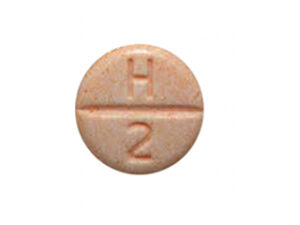
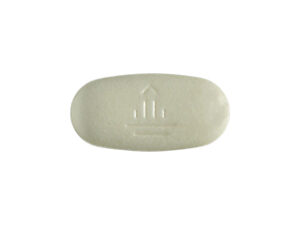
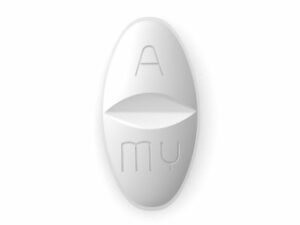
If you have not used metoprolol before, consider asking your pharmacist to explain how to identify tablets, when to take them, and what side effects are normal vs concerning.
Beloc (metoprolol) FAQ
1) How long does it take to work?
Many people notice effects on heart rate and palpitations within days, while blood pressure benefits may take longer. The exact timing varies by formulation and the condition being treated. If symptoms worsen after starting, contact a healthcare professional.
2) Can I take Beloc at night?
Some people take metoprolol in the morning and some at night depending on side effects such as fatigue or dizziness. The best timing for you depends on your dosing schedule and how you respond. Follow the directions provided on your medicine label.
3) Will metoprolol cause weight gain?
Weight changes can occur with many conditions and medications. Metoprolol is not typically considered a primary cause of weight gain, but fatigue and reduced activity can contribute indirectly. If you notice rapid or significant weight change, seek advice.
4) Does metoprolol affect exercise?
Metoprolol reduces heart rate response. You may feel you reach your “limit” sooner during exercise until your body adapts. Use your clinician’s guidance for safe activity levels. If you have chest pain, stop and get medical advice.
5) Can I stop Beloc if I feel better?
Do not stop metoprolol suddenly. Even if you feel well, stopping can cause worsening symptoms. If discontinuation is needed, dose reduction should be planned with a healthcare professional.
6) What if I miss a dose?
If you remember soon after the missed time, take it. If it is close to your next scheduled dose, skip the missed dose. Do not take a double dose.
7) Is it safe with other medicines?
Some medicines increase the risk of slow heart rate or low blood pressure when taken with metoprolol. Others can raise metoprolol levels via liver metabolism. Tell your pharmacist about all medicines and supplements you use.
8) Can I drive after taking Beloc?
If you feel dizzy, unusually tired, or light‑headed, avoid driving. If you feel normal, driving may be fine. Be especially cautious when starting or after dose changes.
9) What should I do if I have breathing problems?
If you have asthma/COPD or you develop wheezing, shortness of breath, or chest tightness after starting metoprolol, seek medical advice promptly. Beta‑blockers can worsen some breathing conditions.
10) Are there any lab tests or monitoring needed?
Often, routine monitoring focuses on blood pressure and pulse. Your clinician may also review kidney/liver function and check your overall cardiovascular status during treatment, especially after dose changes.
Summary
Beloc (metoprolol) is a beta‑blocker used to treat conditions such as high blood pressure, angina, and some heart rhythm problems. It works by blocking beta‑1 receptors in the heart, lowering heart rate and reducing the heart’s workload. Metoprolol is metabolised mainly by the liver enzyme CYP2D6, which helps explain why interactions with other medicines can occur. To use metoprolol safely, take it consistently at the right times, avoid stopping suddenly, and watch for side effects such as dizziness or an unusually slow pulse. If you’re unsure about food, alcohol, or medication interactions, speak with your pharmacist for personalised guidance.