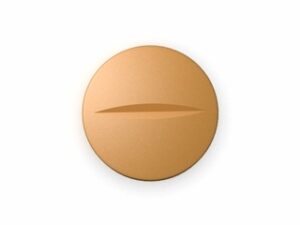
Amiloride (Amiloride Hydrochloride) — Patient Information (Australia)
Amiloride is a medicine used mainly to help your body get rid of excess salt (sodium) and water, while also helping protect potassium levels. It belongs to a group of diuretics known as potassium-sparing diuretics. This page explains what Amiloride is, how it works, how it’s usually taken, and what to watch for.
This information is designed to be patient-friendly and to support discussion with a healthcare professional. Always follow the directions provided with your medicine and read the patient information leaflet included with your product.
Basic product information
| Item | Details |
|---|---|
| Generic name | Amiloride (often as amiloride hydrochloride) |
| Medicine type | Potassium-sparing diuretic |
| Main effect | Increases urine output and reduces sodium while conserving potassium |
| Common uses | Edema (fluid retention) and prevention of low potassium caused by other diuretics; certain conditions involving aldosterone |
| Availability (Australia) | May be available through pharmacy supply channels as listed medicines (availability can vary by brand and strength) |
How Amiloride works (mechanism of action)
Amiloride works in the kidney. In the collecting ducts (a part of the nephron), sodium is normally reabsorbed back into the body. Amiloride blocks sodium channels (ENaC) on the surface of cells in the kidney.
- Less sodium reabsorbed → more sodium is excreted in urine.
- Water follows sodium → urine volume may increase (diuretic effect).
- Potassium is conserved → less potassium is lost compared with “loop” or “thiazide” diuretics.
Because of potassium conservation, Amiloride is often chosen when someone needs a diuretic effect but is at risk of low potassium (hypokalaemia). At the same time, it can increase the chance of high potassium (hyperkalaemia) in susceptible people.
Pharmacokinetics (how the body handles Amiloride)
Pharmacokinetics describes absorption, distribution, metabolism, and elimination—how Amiloride behaves in the body. Exact values can vary by product and individual factors.
- Absorption: Amiloride is absorbed after oral dosing. Effects generally develop within hours.
- Distribution: It distributes to body tissues and acts primarily in the kidneys.
- Metabolism: Amiloride is not extensively metabolised.
- Elimination: Amiloride is mainly eliminated by the kidneys. This is why kidney function is important.
- Duration of action: The diuretic effect usually lasts several hours; dosing schedules are often once daily or divided depending on the condition.
If you have kidney impairment, Amiloride can accumulate and raise potassium levels. Monitoring may be more frequent in these situations.
Typical uses of Amiloride
Your doctor may use Amiloride for conditions where reducing fluid retention is helpful and where preserving potassium is important. Common indications include:
- Fluid retention (oedema): especially when there is a need to reduce sodium and water without causing significant potassium loss.
- Prevention of low potassium due to other diuretics: when thiazide or loop diuretics are used and potassium levels need protection.
- Conditions involving aldosterone: Amiloride can help reduce sodium reabsorption and conserve potassium in certain electrolyte disorders.
The exact reason you’re taking Amiloride will depend on your diagnosis, your current medication list, and your blood test results.
When to take Amiloride (timing and daily routine)
How you time your dose can affect comfort and convenience—especially if it increases urination. Many people are advised to take it earlier in the day.
- Common approach: take at the time(s) recommended on your label.
- To reduce night-time urination: taking it earlier (e.g., morning) may be more comfortable if it affects your sleep.
- Consistency matters: aim to take it around the same time each day.
- If you miss a dose: take it when you remember unless it’s close to the next dose. Do not take a double dose to make up for a missed one.
Food interactions and diet considerations
Food interactions are usually less about specific foods and more about overall electrolyte and hydration balance. While taking Amiloride, consider the following:
- Potassium intake: Amiloride can increase potassium levels. Avoid or limit high-potassium foods and salt substitutes unless your clinician has advised you to. Salt substitutes often contain potassium chloride and may be risky with potassium-sparing diuretics.
- Hydration: Drink adequate fluids as advised, especially if you’re also dealing with illness or hot weather. Over-restriction or dehydration can affect kidney function and potassium balance.
- General eating: There are no widely known “must avoid” specific foods for Amiloride in most people. Follow your healthcare professional’s dietary guidance.
If you have been told you need to manage potassium, your healthcare professional may provide tailored dietary advice.
Alcohol interactions and cautions
Alcohol can indirectly affect your safety while taking diuretics. Potential concerns include dehydration, dizziness, and changes in blood pressure.
- Risk of dizziness or low blood pressure: alcohol may worsen light-headedness—particularly when starting treatment or adjusting dose.
- Electrolyte balance: heavy alcohol use can affect nutrition and fluid status, which may influence electrolyte levels.
- Practical advice: keep alcohol intake modest and observe how you feel, especially when beginning or changing dose.
If you’re unsure about alcohol use, ask your healthcare professional for advice specific to your condition.
Medicine interactions (important)
Interaction risk is particularly relevant for Amiloride because it affects potassium handling. Several medicines can raise potassium levels or affect kidney function.
Medicines that may increase potassium (hyperkalaemia risk)
- Other potassium-sparing diuretics (e.g., spironolactone, eplerenone, triamterene)
- ACE inhibitors (e.g., enalapril, lisinopril)
- Angiotensin II receptor blockers (ARBs) (e.g., losartan, valsartan)
- Potassium supplements (including some multivitamins containing potassium)
- Salt substitutes containing potassium chloride
- Non-steroidal anti-inflammatory drugs (NSAIDs) (e.g., ibuprofen, naproxen) can affect kidney function and potassium balance, especially with dehydration or kidney disease.
Medicines that may affect kidney function or electrolyte balance
- Some medicines used for heart failure or blood pressure may compound potassium effects.
- Dehydrating illnesses and medications (e.g., vomiting/diarrhoea) can make kidney function worse, increasing the risk of electrolyte problems.
Practical interaction tips
- Keep a complete list of all medicines and supplements (including herbal products).
- Tell your pharmacist or doctor about new medicines or over-the-counter NSAIDs.
- Be especially cautious if you have reduced kidney function, diabetes, or heart failure.
Indications (who it may be for)
Amiloride is indicated for people who need a diuretic effect with a lower risk of potassium loss, or who have a condition where aldosterone effects are involved in sodium retention.
In practice, the decision to prescribe Amiloride is based on:
- your diagnosis (fluid retention, electrolyte imbalance, aldosterone-related conditions)
- your current electrolyte levels (especially potassium and sodium)
- your kidney function
- your other medications
Dosing: common approaches and what to expect
Dosing can vary depending on the reason you’re taking Amiloride, your age, kidney function, and your blood test results. Always follow your label directions.
- Adults: dosing is individualised. Some regimens use once-daily dosing, while others may split the dose.
- Children: use in children depends on diagnosis and clinician assessment. Dose must be determined by a healthcare professional.
- Kidney impairment: may require dose adjustment and closer monitoring.
- Blood tests: potassium and kidney function are commonly monitored, especially early in treatment or after dose changes.
If you have been instructed to take Amiloride with another diuretic, the purpose may be to reduce risk of low potassium from the other medicine. In such cases, monitoring remains important.
Safety profile: side effects and when to seek help
Like all medicines, Amiloride can cause side effects. Many are mild and temporary, but some can be serious—particularly those related to potassium levels or kidney function.
Common or possible side effects
- increased urination
- nausea or stomach discomfort
- headache or dizziness
- tiredness
- mild changes in electrolytes
Serious side effects (seek medical help promptly)
- Signs of high potassium (hyperkalaemia): muscle weakness, tingling sensations, abnormal heartbeat, severe fatigue. High potassium can become dangerous and may require urgent review.
- Signs of dehydration or significant low blood pressure: fainting, severe dizziness, confusion, reduced urination.
- Allergic reaction: swelling of face/lips, rash, difficulty breathing.
- Kidney problems: reduced urine output, worsening fluid retention, or unusual swelling.
Who needs extra caution
- people with kidney impairment
- people with diabetes
- people taking ACE inhibitors/ARBs or other medicines that affect potassium
- older adults (often require closer monitoring due to changes in kidney function)
If you feel unwell after starting or changing dose—especially with palpitations, severe dizziness, or muscle weakness—contact a healthcare professional promptly.
Practical use tips for patients
- Attend blood test monitoring: routine checks of potassium and kidney function help prevent complications.
- Know your “potassium rules”: ask whether you should limit high-potassium foods or avoid potassium salt substitutes.
- Check labels: avoid supplements that may contain potassium unless your clinician has approved them.
- Track symptoms: if you experience dizziness, weakness, or changes in urination, note when they started and relate them to your dose timing.
- Be careful during illness: vomiting or diarrhoea can dehydrate you and affect kidney function. Seek advice if you become unwell.
- Stand up slowly: especially if you notice light-headedness.
Delivery and availability (Australia)
Availability of Amiloride can vary depending on brand, strength, and local supply. Online pharmacies may offer ordering where permitted and where products are available through Australian supply chains.
- Ordering: select the listed strength and format; ensure it matches your current prescribed product directions.
- Dispatch: many online pharmacies dispatch within business days (timeframes vary).
- Shipping: delivery times depend on your location within Australia and courier availability.
- Packaging: medicines are typically packed in appropriate tamper-evident packaging.
If a product is temporarily unavailable, some pharmacies may offer alternatives in the same active ingredient or an option to restock alerts. Availability is subject to supply conditions and regulatory requirements.
Alternative options
Whether an alternative is appropriate depends on your underlying condition and your potassium and kidney status. Options healthcare professionals may consider include:
- Other diuretics: thiazide diuretics or loop diuretics may be used for fluid retention, but they can increase potassium loss (and may require potassium protection).
- Other potassium-sparing agents: such as spironolactone or eplerenone (choice depends on diagnosis and side effect considerations).
- Combination strategies: using a diuretic that removes excess fluid plus an agent that helps maintain potassium may be used in some patients.
- Non-medicine approaches (condition-dependent): salt restriction, monitoring fluid intake, and lifestyle measures may help with fluid retention.
Do not change or stop Amiloride without medical advice. Diuretic adjustments can affect blood pressure, fluid balance, and electrolyte levels quickly.
Market and legal context in Australia (overview)
In Australia, medicines are regulated under the Therapeutic Goods Administration (TGA) framework. Supply of medicines can be subject to pharmacy and scheduling rules based on product type, dose, and clinical use.
For the safest use of Amiloride, pharmacies and healthcare professionals aim to:
- verify the correct product and strength
- support safe use through counselling and interaction checking
- encourage appropriate monitoring, especially of potassium and kidney function
Current pharmacy processes may require patient details and may involve clinical checks prior to dispensing. Requirements can change, and specific product instructions should always be read carefully.
Recent guidance and monitoring considerations
While exact “recent guidance” can vary over time and by clinical setting, the key safety focus for medicines like Amiloride has consistently been:
- monitoring potassium to reduce the risk of hyperkalaemia
- monitoring kidney function (especially in older adults and those with kidney disease)
- reviewing interacting medicines, particularly ACE inhibitors/ARBs, NSAIDs, and potassium supplements
- advising patients about illness and dehydration (vomiting/diarrhoea and reduced fluid intake can increase risk)
If you’re starting Amiloride, changing dose, or adding another medicine that could affect potassium, confirm when and how often blood tests should be done.
FAQ: Amiloride (patient questions)
1) What is Amiloride used for?
Amiloride is used to help reduce fluid retention by increasing urine output, while conserving potassium. It may also be used to prevent low potassium that can happen with other diuretics, depending on your situation.
2) How quickly does Amiloride work?
Many people notice increased urination within hours of taking Amiloride. Full effects can depend on the condition being treated and your kidney function.
3) Should I take Amiloride with food?
In most cases, it can be taken with or without food. Choose the routine that best helps you remember and follow the directions on your label. If you experience stomach upset, taking it with food may help.
4) Can I use salt substitutes?
Salt substitutes commonly contain potassium chloride. Because Amiloride can raise potassium levels, salt substitutes may be unsafe unless your clinician has specifically approved them.
5) What foods should I avoid?
If you have been advised to limit potassium, follow that advice. If not, it’s still wise to avoid taking potassium-containing supplements unless approved. Discuss diet guidance with your healthcare professional, especially if you have kidney issues.
6) What are the signs of too much potassium?
Signs can include muscle weakness, tingling, unusual fatigue, and irregular heartbeat or palpitations. These can be serious—seek medical advice promptly.
7) Can I drink alcohol while on Amiloride?
Alcohol may increase dizziness or dehydration. Keep intake modest and monitor how you feel. If you’re prone to low blood pressure or feel light-headed, discuss alcohol with your healthcare professional.
8) What should I do if I miss a dose?
Take it when you remember unless it is close to the next scheduled dose. Do not double up to replace a missed dose.
9) Are there medicines I should avoid?
Some medicines can increase the risk of hyperkalaemia or kidney problems, including ACE inhibitors, ARBs, potassium supplements, potassium-containing salt substitutes, and NSAIDs. Always check with your pharmacist or healthcare professional when starting or stopping other medicines.
10) How often will I need blood tests?
Testing frequency varies. It is often more frequent when starting treatment or after dose changes, then may reduce if stable. Your clinician will advise based on your kidney function and potassium results.
Summary
Amiloride is a potassium-sparing diuretic used to support kidney salt and water excretion while helping protect potassium levels. Its safe use depends heavily on monitoring electrolytes (especially potassium) and kidney function, and on reviewing interacting medicines. If you take Amiloride, follow your dosing schedule, be cautious with potassium-containing supplements and salt substitutes, and seek advice promptly if you notice symptoms such as muscle weakness, dizziness, or palpitations.