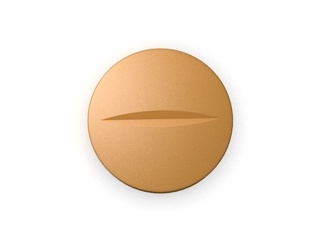
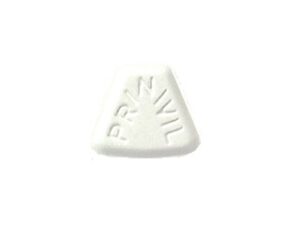
Frumil (Amiloride) – Patient-Friendly Medicine Information (Australia)
Frumil contains amiloride, a medicine used to help the body remove excess salt while conserving potassium. It is commonly prescribed as part of treatment for conditions where fluid balance and electrolyte levels need careful management.
This guide explains how Frumil works, when it’s typically used, how to take it, and what to watch for—written in clear, patient-friendly language for people in Australia.
Basic product information
- Active ingredient: Amiloride
- Medicine type: Potassium-sparing diuretic (also called a “water tablet” that helps reduce fluid retention)
- Common use: Helps increase removal of sodium and water while reducing potassium loss
- Brand: Frumil
Strengths and pack sizes can vary depending on the product available. Your pharmacy listing should show the exact strength and presentation.
How Frumil works (mechanism of action)
Amiloride belongs to the group of medicines known as potassium-sparing diuretics. It works mainly in the kidneys.
Key idea: It blocks a channel (the epithelial sodium channel) in the kidney’s tubules.
- Less sodium reabsorption: By blocking sodium reabsorption, more sodium is left in the urine.
- Less potassium loss: When less sodium is reabsorbed, the body doesn’t “swap” as much potassium into urine—so potassium is conserved.
- Diuretic effect: The increased sodium in urine draws water out, reducing fluid retention.
This is especially useful when other diuretics (which tend to lower potassium) are used, or when clinicians want to avoid potassium depletion.
Pharmacokinetics (how your body handles it)
Pharmacokinetics describes how the medicine is absorbed, distributed, metabolised, and eliminated. While individual responses vary, the following general points help explain typical effects and timing.
- Absorption: Amiloride is absorbed after oral dosing. Absorption may be influenced by food to some extent, depending on the formulation and individual factors.
- Onset of action: Diuretic effects generally begin within a short time after dosing, often within a few hours.
- Duration: Effects may last longer with continued dosing; many people are treated once or twice daily depending on the dose and condition.
- Distribution: The medicine reaches the kidneys to exert its effect on sodium channels.
- Elimination: Amiloride is primarily eliminated via the kidneys. This makes kidney function particularly important for safe use.
Because clearance depends heavily on kidney function, higher levels of amiloride can accumulate in people with reduced kidney function—raising the risk of side effects, especially high potassium (hyperkalaemia).
Typical use and indications
Frumil is used to treat or manage fluid and electrolyte problems. It may be used alone or in combination with other diuretic medicines.
Common indications include:
- Oedema (fluid retention) where conserving potassium is important
- Prevention of low potassium (hypokalaemia) when other diuretics or medications that lower potassium are used
- Hypertension (high blood pressure) in some treatment regimens where appropriate (depending on clinical assessment)
Your healthcare professional will decide the best approach based on your condition, blood test results (especially potassium and kidney function), and other medicines you take.
Dosing: how Frumil is commonly taken
Dosing varies depending on the condition being treated, your kidney function, and your current electrolyte levels. Always follow the dose recommended for you.
Typical dosing principles:
- Start low, monitor closely: Clinicians often begin with a conservative dose, especially in older adults or people with kidney impairment.
- Adjust based on blood tests: Potassium and kidney function tests may guide dose changes.
- Use as directed: Do not change dose or stop suddenly without advice.
If you are unsure about your exact dose, check the label on your medicine or contact your pharmacist.
Timing: when to take Frumil
Many people take diuretics at times that minimise disruption to daily life, particularly if they notice increased urination.
- Follow your dosing schedule: Take Frumil at the time(s) advised by your healthcare professional.
- Consider daytime dosing: If you take it once daily, daytime dosing may reduce night-time bathroom visits.
- Consistency matters: Taking it at the same times each day can help you maintain steady blood levels.
If your schedule changes (work shifts, travel, bedtime), ask your pharmacist about the most suitable timing for your routine.
Food interactions
Food can affect how some medicines are absorbed. For amiloride, the practical guidance is generally:
- Take with or after food if recommended: If your prescriber advised taking it with food to reduce stomach upset, follow that advice.
- Do not take with potassium-containing supplements unless advised: Avoid unnecessary potassium intake, as amiloride can raise potassium levels.
- Be cautious with “salt substitutes”: Many salt substitutes are rich in potassium and may increase the risk of hyperkalaemia.
Tip: If you use low-sodium products, check labels for potassium content.
Alcohol interactions
Alcohol can affect blood pressure, hydration, and in some people can worsen dizziness—especially when combined with medicines that affect fluid balance.
- Limit alcohol if you feel light-headed: If Frumil makes you feel dizzy, be cautious with alcohol.
- Watch for dehydration: Alcohol can contribute to dehydration; staying adequately hydrated may be important unless your clinician has restricted fluids.
There is no single universal “absolute” alcohol rule for everyone, but moderation is sensible. Ask your pharmacist for advice tailored to your health conditions and other medicines.
Medicine interactions (important safety information)
Frumil affects electrolytes and kidney handling of substances, so interactions—especially those increasing potassium—are particularly important.
Common medicine interaction categories include:
- Other potassium-raising medicines (increased risk of high potassium), such as:
- Potassium supplements
- Salt substitutes containing potassium
- Some heart and blood pressure medications that can raise potassium
- ACE inhibitors (used for blood pressure, heart failure, kidney protection in some people)
- Angiotensin receptor blockers (ARBs)
- Non-steroidal anti-inflammatory drugs (NSAIDs) (e.g., ibuprofen, naproxen, diclofenac):
- In some people, NSAIDs can reduce kidney function and affect potassium levels.
- Use NSAIDs carefully and only when needed.
- Other diuretics (your clinician may combine them intentionally, but monitoring is essential)
- Trimethoprim (an antibiotic), which can also affect potassium levels
Tell your pharmacy about all medicines you use—including over-the-counter products, supplements, herbal remedies, and occasional pain relief—so interactions can be checked.
Safety profile: what to know before and during treatment
Most people taking Frumil do so safely, but certain risks are important to understand. The main safety concern relates to potassium and kidney function.
Key risks
- High potassium (hyperkalaemia): This can be serious and may affect heart rhythm. Risk is higher if you have kidney impairment, diabetes with kidney involvement, dehydration, or if you take potassium-raising medicines.
- Changes in kidney function: Because the medicine relies on kidney elimination, worsening kidney function can increase levels and side effects.
- Low blood pressure or dizziness: Especially when starting, adjusting the dose, or when combined with other blood-pressure-lowering treatments.
Common side effects
- Dizziness or light-headedness
- Headache
- Nausea or stomach discomfort (occasionally)
- Changes in urination pattern (expected diuretic effect)
Serious symptoms to seek urgent advice
Contact urgent medical help if you experience symptoms that could indicate high potassium or significant blood pressure changes.
- Palpitations, chest discomfort, fainting, or severe weakness
- Severe dizziness, confusion, or signs of significant dehydration
- Unusual muscle cramps or inability to move normally
Monitoring (blood tests)
Monitoring is a common part of therapy. Your clinician may arrange blood tests to check:
- Potassium levels
- Kidney function (e.g., creatinine/eGFR)
- Other electrolytes, depending on your overall situation
Monitoring frequency varies. It may be more frequent during dose changes or in people at higher risk.
Practical use tips (how to take Frumil well)
- Take it regularly at the same times: Consistency helps maintain stable effects.
- Keep track of blood test results: Potassium and kidney function are central to safe use.
- Be careful with salt substitutes: Many contain potassium—avoid unless your clinician has approved it.
- Stay hydrated appropriately: Follow your clinician’s guidance, especially if you have heart failure or fluid restrictions.
- Review your medicines whenever you start a new one: Antibiotics, pain relief, and heart medications can all influence potassium and kidney function.
- Watch for early warning signs: Dizziness, muscle weakness, unusual fatigue, or heart-rhythm symptoms should not be ignored.
If you miss a dose, do not double up unless advised. Check with your pharmacist for the best action based on your dosing schedule.
Alternative options
Depending on why you’re using Frumil, alternatives may include other diuretics or different medicine classes. Choice depends on your condition, kidney function, and potassium levels.
Examples of alternative approaches (discuss with your clinician):
- Other diuretics (for fluid management), sometimes combined intentionally with potassium-sparing strategies
- Different blood pressure treatments if high blood pressure is the main reason for therapy
- Non-medicinal management (e.g., diet sodium reduction, fluid management strategies) alongside medicines where appropriate
Because alternatives may have different side effect profiles, it’s important to get individualised advice. Never switch between diuretics without blood-test planning.
Market and legal context in Australia
In Australia, medicines are regulated under the Therapeutic Goods Administration (TGA) framework. Medicines may be available with different supply categories (for example, “prescription only” or “pharmacist-only”), depending on the active ingredient, dose, and product classification.
Availability can vary across brands and strengths, and supply is subject to Australian regulatory and pharmacy requirements.
For online pharmacies, products must be supplied in line with Australian rules, including identity verification and appropriate screening for safe use.
Recent guidance and what to know right now
Clinical guidance for medicines like amiloride generally emphasises:
- Regular monitoring of potassium and kidney function, especially in older adults and people with kidney impairment
- Careful review of interacting medicines that can raise potassium or affect kidney function
- Patient education about salt substitutes, potassium supplements, and warning signs
Guidance can evolve as new evidence becomes available. Your healthcare professional and pharmacist can provide the most up-to-date advice for your situation in Australia.
Delivery and availability (online pharmacy information)
If Frumil is available through an Australian online pharmacy, delivery options may include standard and express shipping, depending on location. Packaging typically protects tablets from moisture.
Common practical points for delivery:
- Order processing: Orders may be dispatched after verification and checking.
- Cold chain: Amiloride tablets generally do not require refrigeration.
- Postage times: Delivery time varies by state and shipping service.
- Missing or damaged items: Contact customer support promptly if items arrive damaged or incomplete.
Availability can change due to supply logistics. If a specific strength or pack size is out of stock, the pharmacy may suggest alternative equivalent products (if appropriate).
FAQ – Frequently asked questions
1) What is Frumil used for?
Frumil (amiloride) is used to help manage fluid retention and electrolyte imbalance. It helps the body remove excess salt and water while conserving potassium. It may also be used to prevent low potassium when other diuretics are used.
2) How quickly does Frumil work?
Diuretic effects typically begin within a few hours after taking a dose. The overall effect depends on your dose, kidney function, and the reason you’re taking it.
3) Can I take Frumil with food?
Many people can take it with or after food if that suits them. Follow the instructions on your product label or from your healthcare professional. If you feel nausea or stomach discomfort, taking it with food may help.
4) Should I avoid salt substitutes?
Often, yes. Many salt substitutes contain potassium, which can increase the risk of high potassium when taking amiloride. Check the label and speak to your pharmacist before using salt substitutes.
5) What foods should I be careful about?
Pay special attention to foods or supplements that are very high in potassium, including potassium-containing salt substitutes. Your doctor may provide specific dietary advice depending on your blood test results.
6) Does Frumil raise potassium?
Yes, amiloride is designed to conserve potassium. This means it can lead to higher potassium levels in some people, especially those with reduced kidney function or when combined with other potassium-raising medicines.
7) What blood tests will I need?
Your clinician may check potassium and kidney function. Testing frequency depends on your risk factors and whether the dose is being changed.
8) Can I drink alcohol while taking Frumil?
Moderate alcohol may be possible for some people, but alcohol can worsen dizziness and contribute to dehydration. If you feel light-headed, consider avoiding alcohol or speak to your pharmacist for personalised advice.
9) What should I do if I miss a dose?
If you miss a dose, take it when you remember if it’s close to the usual time. If it’s near the time for your next dose, skip the missed dose—do not double up. Ask your pharmacist if you’re unsure.
10) Are there alternatives to Frumil?
Yes, depending on the reason for treatment. Alternatives may include other diuretics or different medication classes. Discuss options with your healthcare professional—especially because electrolyte monitoring may differ.
11) Who should be extra cautious?
People with kidney disease, older adults, and people taking medications that can increase potassium should be extra cautious and should follow monitoring schedules closely.
Summary
Frumil (amiloride) is a potassium-sparing diuretic used for conditions where reducing fluid retention while maintaining potassium is important. It works by blocking a sodium channel in the kidney, leading to increased sodium and water excretion with less potassium loss. The most important safety considerations are potassium levels and kidney function, which is why monitoring and careful management of interacting medicines matter.
If you have questions about your dose, side effects, or interactions, your pharmacist can help you interpret your specific instructions and provide Australia-appropriate guidance.
| Section | What to remember |
|---|---|
| Medicine type | Potassium-sparing diuretic (water tablet) |
| Main benefit | Helps remove excess salt and water while conserving potassium |
| Blocks sodium reabsorption in the kidney | |
| High potassium, especially with kidney impairment or interacting medicines | |
| Avoid potassium-rich salt substitutes unless advised | |
| Use moderation; watch for dizziness or dehydration | |
| Blood tests for potassium and kidney function may be required |