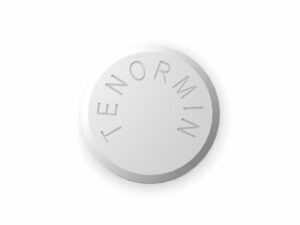
Atenolol (Atenolol) — Patient Information for Australian Customers
Atenolol is a widely used medicine from the beta-blocker group. It works by affecting signals from the nervous system to the heart and blood vessels, helping to lower heart rate and blood pressure. This page explains how atenolol works, what it’s used for, how to take it safely, and what to watch for—written in clear, patient-friendly language for people in Australia.
Always follow the instructions provided with your specific medicine and discuss any concerns with your healthcare professional.
Quick Overview
- Medicine name: Atenolol
- Medicine type: Beta-blocker (selective beta-1 blocker)
- Common strengths: Vary by product (e.g., 25 mg, 50 mg, 100 mg)
- How it helps: Lowers heart rate and blood pressure; helps control certain heart rhythm problems
- How it’s taken: Usually by mouth once or twice daily, depending on the condition
- Key safety points: Do not stop suddenly; monitor dizziness, slow heart rate, and low blood pressure
Basic Product Information
What is atenolol?
Atenolol is a beta-blocker that primarily blocks beta-1 receptors found mainly in the heart. By doing so, it reduces the effects of adrenaline and related stress hormones on the heart.
Brand names and presentations
Atenolol may be available under different brand names depending on availability. It is commonly supplied as tablets (and sometimes in different strengths).
Who should use caution?
People with certain medical conditions—such as asthma or significant breathing problems, certain heart conduction disorders, very low blood pressure, or diabetes with frequent hypoglycaemia—may need extra monitoring.
How Atenolol Works (Mechanism of Action)
Atenolol belongs to the class of beta-blockers. These medicines reduce the heart’s workload and the body’s “fight-or-flight” responses.
- Slows the heart rate: Decreases the speed of electrical signalling in the heart.
- Reduces force of contraction: Less strain on the heart muscle.
- Lowers blood pressure: By reducing cardiac output and contributing to overall vascular effects.
- Helps control some abnormal rhythms: By stabilising the heart’s electrical activity.
Because atenolol is relatively beta-1 selective, it tends to affect the heart more than the lungs at typical doses; however, selectivity is not absolute. People with asthma should still use it only with appropriate medical advice.
Pharmacokinetics (How the Body Handles Atenolol)
“Pharmacokinetics” describes how the body absorbs, distributes, metabolises, and excretes a medicine. Understanding this helps explain dosing frequency and how interactions may affect levels.
Absorption
- Atenolol is absorbed from the gastrointestinal tract after oral dosing.
- Onset of effect can occur within hours, with steady benefits developing over time.
Distribution
- Atenolol distributes through the bloodstream and reaches target organs, particularly the heart.
- Compared with some other beta-blockers, atenolol is often described as having relatively limited penetration into certain tissues.
Metabolism
- Atenolol is not extensively metabolised by the liver.
- This is one reason it may be less affected by some liver drug interactions than medicines that are heavily liver-metabolised.
Elimination
- Atenolol is eliminated mainly through the kidneys.
- People with reduced kidney function may require dose adjustments and closer monitoring.
Half-life and dosing implications
Atenolol has a relatively long duration of action for many people, which is why it is often taken once daily for many conditions. In some situations it may be taken more than once daily.
Typical Uses in Practice
Atenolol is commonly used to manage conditions involving the heart and blood pressure. The exact use depends on your individual diagnosis and health history.
Common indications
- High blood pressure (hypertension)
- Angina (chest pain due to heart disease)
- Heart rhythm problems (certain types), where slowing heart rate is beneficial
- Heart attack management in selected circumstances as part of overall cardiovascular care
Your healthcare professional will decide if atenolol is appropriate based on your condition, other medicines, and risk factors.
When to Take Atenolol (Timing and Routine)
General timing
- Take atenolol at the same time each day to keep levels steady.
- If prescribed once daily, many people take it in the morning or evening—choose a time that fits your routine.
- If prescribed twice daily, the doses are typically spaced about 12 hours apart.
Starting and dose adjustment
Some patients may feel tired, dizzy, or notice a slower pulse at the start of treatment, especially if they are sensitive to blood pressure changes. Your prescriber may start at a lower dose and increase gradually.
Missing a dose
If you miss a dose:
- Take it when you remember if it is close to the planned time.
- If it’s almost time for the next dose, skip the missed dose and continue your usual schedule.
- Do not take a double dose to make up for the missed one.
If you’re unsure, check your medicine label or ask a pharmacist.
Food Interactions and Administration with Meals
Many patients can take atenolol with or without food. However, food may affect absorption for some medicines, and consistency can help maintain predictable effects.
- If your label or pharmacist’s instructions say “take with food,” follow that advice.
- If not specified, taking it the same way each day (either always with food or always on an empty stomach) can be helpful.
If you have stomach upset, taking atenolol with a light meal may be more comfortable for some people.
Alcohol and Atenolol: What to Know
Alcohol can lower blood pressure and may increase dizziness or light-headedness. When combined with beta-blockers, this effect may be stronger in some people.
- Avoid heavy drinking—especially when you are starting atenolol or adjusting dose.
- Be cautious with driving or operating machinery if you feel dizzy or unusually tired.
- If you regularly drink alcohol, discuss a safe limit with your pharmacist or doctor.
Medicine Interactions (Important Safety Information)
Atenolol can interact with other medicines that affect heart rhythm, blood pressure, or heart conduction. Always tell your pharmacist about all medicines you take, including over-the-counter products and herbal supplements.
Common interaction categories
- Other blood pressure medicines (e.g., certain diuretics, ACE inhibitors, ARBs, calcium channel blockers): may further lower blood pressure.
- Other heart rhythm medicines: may increase risk of slow pulse or conduction issues.
- Non-dihydropyridine calcium channel blockers (e.g., verapamil, diltiazem): may increase risk of bradycardia or heart block.
- Medicines that affect heart rate (some antiarrhythmics and certain sedating agents): combined effects can be significant.
- Diabetes medicines: beta-blockers may mask some warning signs of low blood sugar (like fast heartbeat).
- Clonidine: abrupt withdrawal of clonidine (while on a beta-blocker) can be risky; changes should be managed carefully.
- NSAIDs (e.g., ibuprofen, naproxen): can sometimes reduce the blood-pressure-lowering effect for some patients.
Why monitoring matters
Atenolol affects heart rate and blood pressure. Interactions that increase its effect can lead to symptoms such as:
- unusually slow pulse
- dizziness or fainting
- marked fatigue or weakness
If you develop these symptoms, seek medical advice promptly.
Dosing Guidance (General Information)
Dosing is individual and depends on the condition being treated, your age, kidney function, other medicines, and how you respond.
The following table provides typical dosing ranges used in clinical practice. Your exact dose should be taken from your medicine label.
| Condition | Typical starting dose (example) | Typical range / adjustments (example) | Dosing frequency (common) |
|---|---|---|---|
| High blood pressure | 25 mg once daily | May increase based on response | Once daily |
| Angina | 25–50 mg once daily | Adjusted for heart rate and symptoms | Often once or twice daily |
| Some heart rhythm conditions | 25–50 mg once daily | May be titrated | Often once or twice daily |
| Kidney impairment | May be lower than standard | Dose adjustment may be required | May be once daily or reduced dosing |
Important: Do not adjust your dose or stop atenolol without medical advice. Beta-blockers should generally be tapered when discontinuing to reduce the risk of rebound symptoms (such as increased heart rate, blood pressure, or angina).
Safety Profile and Side Effects
Most people tolerate atenolol well, but like all medicines it can cause side effects. Some effects are related to its intended action (lowering heart rate and blood pressure).
Common side effects
- Tiredness, low energy
- Dizziness or light-headedness (especially when standing up)
- Slow heart rate (bradycardia)
- Cold hands or feet
- Sleep disturbances or unusual dreams
Less common but important effects
- Breathing difficulty in susceptible individuals (e.g., people with asthma)
- Mood changes in some people
- Gastrointestinal upset (nausea, diarrhoea)
Seek urgent medical help if you experience
- fainting or severe dizziness
- chest pain that is new or worsening
- severe shortness of breath, wheezing, or swelling of the face/lips
- signs of allergic reaction (hives, swelling, difficulty breathing)
Who needs extra monitoring?
- People with kidney disease
- People with diabetes or frequent hypoglycaemia
- People with asthma or chronic obstructive lung disease
- People with heart block or certain rhythm disorders
Practical Tips for Safer, More Comfortable Use
- Check your pulse and blood pressure: Especially when starting or changing dose. Keep a simple log if advised.
- Stand up slowly: To reduce dizziness from blood pressure changes.
- Don’t stop suddenly: If you need to discontinue, ask about a tapering plan.
- Carry a medication list: Include your atenolol dose and timing.
- Be cautious with exercise: If you feel fatigued or dizzy, reduce intensity and seek advice if symptoms persist.
- Diabetes safety: Beta-blockers may hide rapid heartbeat warning signs of low blood sugar—rely on blood glucose checks if you’re at risk.
- Use consistency: Take it at the same time every day and in the same way (with or without food) unless advised otherwise.
Alternative Options (If Atenolol Isn’t Suitable)
Several other medicines may be used for the same conditions. The best choice depends on your diagnosis, comorbidities, and tolerance. Options may include:
Other beta-blockers
- Metoprolol
- Bisoprolol
- Propranolol
Non-beta-blocker options
- For blood pressure: ACE inhibitors, ARBs, thiazide-like diuretics, calcium channel blockers
- For angina or rhythm control: additional cardiac-specific therapies may be used depending on the cause
Your healthcare professional can explain which alternatives may be appropriate for you and whether switching is safe.
Australia Market and Legal/Regulatory Context
In Australia, medicines are regulated through the Therapeutic Goods Administration (TGA) and supplied under Australian scheduling rules. Beta-blockers such as atenolol are typically supplied as pharmacist-only and/or prescription medicines depending on formulation and local requirements.
Australian online pharmacy services operate under compliance obligations, including:
- dispensing only approved products
- following Australian medicine scheduling requirements
- providing appropriate patient information and safety checks
Availability can vary by strength and brand. Your pharmacist can confirm product options and expected delivery timelines.
Recent Guidance and Practical Updates (What to Expect)
Guidance for cardiovascular medicines is updated over time based on emerging evidence, safety signals, and clinical best practice. In recent years, broader beta-blocker messages have commonly included:
- Individualising treatment: Dose and choice should match the condition and patient characteristics.
- Avoiding abrupt cessation: Stopping beta-blockers suddenly may increase risk for rebound effects.
- Monitoring heart rate and blood pressure: Especially during initiation and dose changes.
- Greater attention to comorbidities: such as asthma, diabetes, kidney function, and concurrent medicines.
If you have questions about how atenolol fits with your current care plan, ask your pharmacist or doctor for guidance tailored to you.
Delivery and Availability (Online Pharmacy Information)
Availability of atenolol can vary by brand and strength. When ordering online in Australia, typical considerations include:
- Stock confirmation: Some strengths may be in limited supply at times.
- Packaging: Medicines are usually supplied in original manufacturer packaging.
- Delivery timeframes: These depend on location and courier service; your checkout or confirmation page should show estimated dates.
- Cold chain: Atenolol tablets generally do not require refrigeration.
If you need a specific strength or formulation, check it carefully before placing your order.
FAQ — Atenolol for Australian Patients
1. How long does atenolol take to start working?
Many people notice effects within hours of a dose. Full benefit for blood pressure and angina control may take longer, often over days to weeks, as your body adjusts and dosing becomes stable.
2. What happens if I stop atenolol suddenly?
Stopping suddenly can cause “rebound” effects—such as increased heart rate, higher blood pressure, or worsening angina. If you need to stop, ask your healthcare professional about a safe tapering approach.
3. Can I take atenolol with food?
In many cases, atenolol can be taken with or without food. The most important thing is to take it consistently the way your label instructs.
4. Will atenolol make me feel tired?
Tiredness and reduced energy are common early side effects. They often improve as your body adapts. If fatigue is severe or worsening, contact a pharmacist or doctor.
5. Is atenolol safe for people with asthma?
Because atenolol can affect beta receptors in the lungs at higher doses or in sensitive individuals, people with asthma should use it only under medical guidance with appropriate monitoring.
6. Can atenolol affect diabetes?
Beta-blockers can mask some signs of low blood sugar, such as a fast heartbeat. If you have diabetes, it’s important to monitor blood glucose as advised and be alert to other symptoms like sweating, confusion, or shakiness.
7. What should I do if my pulse is very slow?
A slower pulse can be expected to some degree. However, very slow heart rate, fainting, severe dizziness, or unusual weakness should be assessed promptly. Seek urgent medical help if severe symptoms occur.
8. Are there common drug interactions?
Yes. Medicines that lower blood pressure or slow the heart rate—such as some calcium channel blockers, antiarrhythmics, and other cardiac medicines—can increase the risk of side effects. Always provide a full list of medicines to your pharmacist.
9. Can I drink alcohol while taking atenolol?
Moderate alcohol may be acceptable for some people, but it can increase dizziness and lower blood pressure. Avoid heavy drinking and be cautious, especially when starting or adjusting dose.
10. What if I miss a dose?
If you miss a dose, take it when you remember if it is near the scheduled time. If it is close to the next dose, skip the missed dose. Do not take a double dose.
When to Contact a Healthcare Professional
Contact a pharmacist, general practitioner, or emergency services if you experience concerning symptoms such as fainting, severe dizziness, worsening chest pain, significant shortness of breath, or signs of an allergic reaction. If you’re unsure whether a symptom is related to atenolol, it’s safer to ask.
This information is intended to help you understand atenolol. It does not replace individual medical advice.