

Irbesartan (AUST Brand Variations) — Patient Information
Irbesartan is a medicine used to treat high blood pressure (hypertension) and to protect the kidneys in certain people with diabetes. It belongs to a group of medicines known as angiotensin II receptor blockers (ARBs). This page explains how irbesartan works, how it is typically used, what to expect, and important safety information for people in Australia.
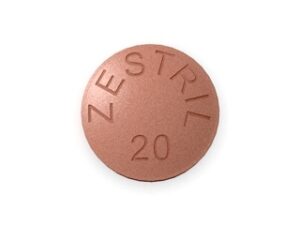
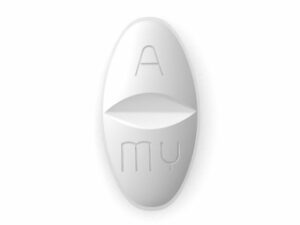
Note: Product appearance, tablet strength, and brand names may vary. Always read the consumer medicine information (CMI) included with your specific product.
Quick Facts
- Medicine name: Irbesartan
- Medicine type: ARB (angiotensin II receptor blocker)
- Common uses: High blood pressure; kidney protection in type 2 diabetes with kidney disease
- How it’s taken: Usually once daily
- Common effects: Lowering of blood pressure; reduced strain on heart and kidneys
- Key precautions: Not for use in pregnancy; caution with kidney function and high potassium
Basic Product Information
Irbesartan is available in tablet form. Strengths vary by brand and product range. Your pharmacist or the product label will specify the dose.
Common tablet strengths (examples)
- 75 mg
- 150 mg
- 300 mg
Because brands and excipients can differ, ensure you are using the exact strength and instructions provided with your medicine.
How Irbesartan Works (Mechanism of Action)
Irbesartan blocks the action of angiotensin II at the AT1 receptor. Angiotensin II is a hormone that causes blood vessels to tighten (vasoconstriction) and helps increase blood pressure by supporting salt and water retention.
By blocking AT1 receptors, irbesartan helps to:
- Relax blood vessels to lower blood pressure
- Reduce the pressure inside kidney blood vessels, which can protect kidney function
- Lower the workload on the heart over time
Pharmacokinetics (How the Body Handles It)
“Pharmacokinetics” describes how the medicine is absorbed, distributed, metabolised, and eliminated.
- Absorption: Irbesartan is absorbed after oral dosing. Food can influence absorption slightly, but overall effect is usually not clinically significant for many people.
- Distribution: It distributes throughout the body and binds to plasma proteins.
- Metabolism: Primarily metabolised in the liver.
- Elimination: Excretion occurs through bile and urine.
- Onset: Some blood pressure reduction occurs early, with a fuller effect developing over days to weeks.
- Duration: The medicine’s effect supports once-daily dosing for many patients.
Practical takeaway: Even if you feel fine, blood pressure may still be improving gradually—try not to stop or adjust the dose without medical advice.
Typical Use in Australia
In Australia, irbesartan is commonly used for the following indications:
- Hypertension: To lower high blood pressure and reduce risk of cardiovascular complications.
- Diabetic kidney disease (type 2 diabetes): Often used to help protect the kidneys in people with type 2 diabetes who have kidney involvement, particularly when albumin is present and/or kidney function is impaired.
Whether irbesartan is suitable for you depends on your blood pressure, kidney function, potassium levels, other medicines, and individual risk factors.
Indications (What It Treats)
Irbesartan is indicated for:
- Treatment of hypertension in adults.
- Renal protection in adults with type 2 diabetes who have evidence of kidney disease (for example, albuminuria), as determined by clinical assessment and guideline recommendations.
Not everyone with diabetes needs an ARB; your clinician selects medicines based on lab tests and overall risk.
How to Take Irbesartan (Timing and Dosing)
Typical dosing schedule
Irbesartan is usually taken , at about the same time each day. Your exact dose depends on your condition and response to treatment.
General dosing guidance (examples)
| Condition | Common starting approach | Typical maintenance range |
|---|---|---|
| Hypertension | Often started at a lower dose | 150 mg to 300 mg once daily (varies by patient) |
| Type 2 diabetes with kidney disease | Often started based on kidney status and overall risk | Typically 300 mg once daily (as directed) |
Important: The above ranges are general. Follow the dose on your medicine label and the advice provided with your product.
When to take it
- Morning or evening: Either is generally acceptable. Choose a time you can consistently remember.
- If you miss a dose: Take it when you remember on the same day. If it’s close to the next dose, skip the missed dose and resume your usual schedule. Do not double up.
- If you start a new medication: Check for interactions (especially with other blood pressure medicines, potassium supplements, and “salt substitutes”).
Food Interactions
Irbesartan can be taken with or without food. Food interactions are generally not major for most people, but it helps to develop a consistent routine.
- Consistency matters: Take your dose the same way each day (either always with meals or always without) to reduce variability.
- Monitoring: If your blood pressure readings change significantly after starting or changing the timing, discuss this with your healthcare professional.
Alcohol and Medicine Interactions
Alcohol can affect blood pressure and may increase dizziness or light-headedness, particularly when starting or increasing the dose of irbesartan.
- Alcohol and blood pressure: Alcohol may lower blood pressure temporarily, which can make some people feel more faint.
- Dehydration risk: Heavy drinking or dehydration may affect kidney function, which is important for ARB safety.
- Practical approach: If you drink alcohol, keep amounts moderate and monitor how you feel when starting or changing irbesartan.
If you have liver disease, are older, or already have kidney impairment, ask your pharmacist for personalised advice about safe alcohol intake.
Medicine Interactions (Other Medicines to Discuss)
Some medicines can change irbesartan levels or increase the risk of side effects (especially effects on kidneys and potassium). Inform your pharmacist about all medicines you take, including over-the-counter products and supplements.
Key interaction groups
- Other blood pressure medicines: Combined therapy may strengthen blood pressure lowering. This can be beneficial but may also increase the risk of low blood pressure.
- Potassium supplements and salt substitutes: ARBs can increase potassium. Avoid extra potassium unless specifically advised.
- Diuretics (especially potassium-sparing types): May affect potassium and kidney function.
- NSAIDs (e.g., ibuprofen, naproxen, diclofenac): Regular or high-dose NSAID use can reduce kidney blood flow and increase risk of kidney impairment when combined with ARBs.
- Medicines that affect potassium: Some treatments raise potassium; combined use may increase hyperkalaemia risk.
- Dual blockade medicines: Using irbesartan with another medicine that blocks the renin-angiotensin system (e.g., another ARB or an ACE inhibitor) may increase kidney and potassium side effects. Such combinations are usually avoided unless specifically planned.
Practical tip: Keep a current list of your medicines and bring it to pharmacy visits to ensure interaction checks are up to date.
Safety Profile: Common and Serious Side Effects
Like all medicines, irbesartan can cause side effects. Many people experience no problems or only mild effects, but it’s important to know what to watch for.
Common side effects (usually mild)
- Dizziness or light-headedness (especially when standing up)
- Fatigue
- Headache
- Low blood pressure symptoms (in some patients)
Less common but important effects
- Raised potassium (hyperkalaemia): May not cause symptoms, but may be detected on blood tests. Severe cases can affect heart rhythm.
- Changes in kidney function: Blood tests may show creatinine changes, especially in people with dehydration, kidney artery narrowing, or concurrent NSAID use.
- Allergic-type reactions: Seek medical attention if you develop swelling or trouble breathing.
Seek urgent help if you experience
- Fainting, severe dizziness, or chest pain
- Swelling of the face, lips, tongue, or throat
- Severe weakness or unusual palpitations (possible potassium-related effects)
Who should take extra care
- People with kidney impairment
- People with high potassium history
- Those who are dehydrated (e.g., vomiting/diarrhoea)
- People on medicines that can affect kidney function or potassium
- Older adults who may be more sensitive to blood pressure changes
Practical Use Tips (Getting the Best Results)
- Check blood pressure regularly: Home readings can help track effectiveness. Use a validated monitor and record values.
- Keep appointments for lab tests: Blood tests may be needed to monitor kidney function and potassium levels.
- Stand up slowly: If you feel light-headed, rise gradually from sitting or lying positions.
- Stay hydrated: Adequate fluid intake supports kidney function—especially during hot weather or illness.
- Know your “sick day” plan: During vomiting/diarrhoea, some people may need temporary review of blood pressure medicines. Ask your clinician/pharmacist for a personalised plan.
- Avoid potassium “boosters”: Unless advised, avoid salt substitutes and potassium supplements.
- Don’t stop abruptly: Irbesartan helps over time. Stopping suddenly may worsen blood pressure control.
Alternative Options (Other Medicines You May Be Offered)
For hypertension and kidney protection in appropriate patients, clinicians may consider other medicine groups depending on your history and test results.
Common alternatives
- ACE inhibitors (e.g., enalapril, perindopril) — related pathway; similar kidney/potassium considerations.
- Other ARBs (e.g., losartan, valsartan, telmisartan) — same class with different properties.
- Calcium channel blockers (e.g., amlodipine) — helpful for blood pressure control.
- Thiazide-like diuretics (e.g., indapamide) — often used in combination regimens.
- Beta-blockers or other agents in selected cases — depending on heart rate and comorbidities.
If you need an alternative due to side effects, interactions, or availability, your pharmacist can help discuss options to bring to your healthcare provider.
Market and Legal Context for Australia
In Australia, medicines are regulated under the Australian Government Department of Health and Aged Care and related regulatory frameworks. Availability of irbesartan depends on its listed status in the Australian Register of Therapeutic Goods (ARTG) and the product’s schedule/approval category.
Irbesartan is commonly supplied as prescription medicines in Australia. Pharmacy supply typically requires appropriate professional checks and may include medication history review to ensure safety (including allergy checks and interaction screening).
Price and subsidy considerations: Some products may be listed on the Pharmaceutical Benefits Scheme (PBS) depending on indication and patient eligibility. Prices and subsidy eligibility can change over time, so check current listings or ask your pharmacist.
Recent Guidance and Ongoing Monitoring
Clinical practice evolves with emerging evidence. For ARBs like irbesartan, ongoing guidance commonly emphasises:
- Cardiovascular risk reduction: Appropriate blood pressure control is central to reducing stroke, heart failure, and kidney complications.
- Kidney and potassium monitoring: Regular blood tests are important, particularly after dose changes or when illness occurs.
- Pregnancy avoidance: ARBs are generally contraindicated in pregnancy; urgent review is required if pregnancy is possible.
- Careful use with NSAIDs: Avoid unnecessary frequent NSAID use; discuss safer options for pain or inflammation when taking an ARB.
Your pharmacist can also advise on local monitoring schedules and how often labs are recommended for your situation.
Delivery and Availability (Online Pharmacy Considerations)
Availability of irbesartan tablets may vary by brand and strength. Online pharmacies typically offer:
- Standard delivery: Parcels may arrive within business days depending on the service area.
- Tracking: Many deliveries include tracking for added confidence.
- Discrete packaging: To help protect privacy.
What to expect when ordering: You may be prompted to confirm medicine details (name, strength, quantity) and answer screening questions to ensure safe supply. Delivery times depend on stock and ordering cut-off times.
Storage: Store tablets at room temperature in a dry place, away from direct sunlight, and keep out of reach of children.
FAQ — Frequently Asked Questions
1) What is irbesartan used for?
Irbesartan is used to treat high blood pressure and to help protect the kidneys in adults with type 2 diabetes who have signs of kidney disease, as determined by clinical assessment.
2) How quickly does irbesartan start working?
Blood pressure can begin to improve within hours to days, but the full effect typically develops over 1–4 weeks. Consistent daily use is important.
3) Can I take irbesartan with food?
Yes. You can generally take irbesartan with or without food. If you prefer consistency, take it the same way each day.
4) Is it safe to drink alcohol while taking irbesartan?
Moderate alcohol may be acceptable for some people, but it can increase the risk of dizziness or low blood pressure. Avoid heavy drinking and monitor how you feel, especially when starting or increasing your dose.
5) What should I do if I miss a dose?
If you remember on the same day, take it when you can. If it’s almost time for the next dose, skip the missed one and continue your regular schedule. Do not take a double dose.
6) Will irbesartan affect my kidneys?
Irbesartan can protect kidneys long-term in appropriate patients, but it can also cause changes in kidney function in some circumstances. Blood tests are often used to monitor kidney health, particularly after starting or dose changes.
7) How will I know if my potassium is too high?
High potassium often has no symptoms and is detected via blood tests. Occasionally it can cause weakness or palpitations. If you experience unusual symptoms, seek urgent medical advice.
8) Can I take ibuprofen or other painkillers with irbesartan?
Occasional use may be fine for many people, but regular or high-dose NSAID use can increase kidney risk when combined with ARBs. Discuss your pain relief options with your pharmacist, especially if you take irbesartan daily.
9) What about pregnancy?
Irbesartan is not suitable in pregnancy. If you are trying to conceive, pregnant, or think you may be pregnant, speak with your healthcare professional promptly to discuss safer alternatives.
10) Are there alternatives if I can’t tolerate irbesartan?
Yes. Depending on your condition, clinicians may consider other ARBs, ACE inhibitors, calcium channel blockers, or diuretic-based regimens. Selection depends on your blood pressure goals, kidney function, potassium levels, and other medicines.
Summary
Irbesartan is an ARB medicine used in Australia to treat high blood pressure and to help protect the kidneys in certain adults with type 2 diabetes. It works by blocking angiotensin II, which helps relax blood vessels and reduce stress on the heart and kidneys.
For best results, take irbesartan once daily at a consistent time, monitor blood pressure, and attend recommended blood tests to check kidney function and potassium levels. If you have any concerns—especially regarding dizziness, swelling, or reduced urine output—seek prompt advice.
If you’d like, tell me the tablet strength you’re considering (e.g., 150 mg or 300 mg) and whether the goal is blood pressure control or kidney protection, and I can tailor the “timing and practical tips” section to match that situation.