Hygroton (Chlorthalidone) — Patient Information for Australia
Hygroton contains chlorthalidone, a medicine in the group known as thiazide-like diuretics. It helps your kidneys remove extra salt and water from the body, which can reduce swelling and lower blood pressure. Hygroton is used for several common conditions, including high blood pressure and certain types of fluid retention.
This guide is designed to be clear and practical. It explains how Hygroton works, how it’s taken, what to expect, important food and medicine interactions, safety considerations, and frequently asked questions for people in Australia.
Basic product information
| Product | Active ingredient | Medicine class | Common use |
|---|---|---|---|
| Hygroton | Chlorthalidone | Thiazide-like diuretic (sometimes referred to as a “water tablet”) | High blood pressure; oedema (fluid retention) in selected conditions |
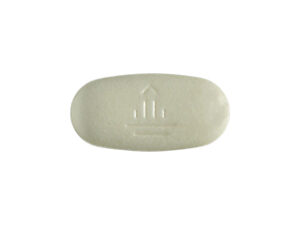
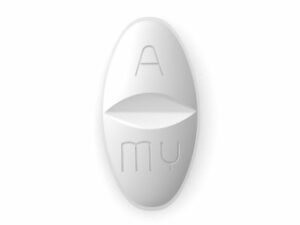
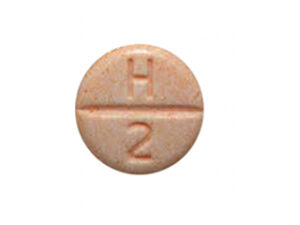
How it may come as: Tablets (strengths vary by product/market).
Who makes it: Dependent on brand and local supply arrangements.
How Hygroton works (mechanism of action)
Chlorthalidone helps the kidneys remove sodium (salt) and water. It works mainly at a specific part of the kidney tubule (the distal convoluted tubule) to reduce sodium reabsorption. When sodium is removed, water follows, which can:
- Lower blood pressure by reducing circulating fluid volume and helping blood vessels relax over time.
- Reduce swelling (oedema) by decreasing fluid retention.
Because it increases urine output and can shift salts in the body, Hygroton may affect levels of electrolytes such as potassium, sodium, and magnesium.
Pharmacokinetics (what the body does to the medicine)
While individual responses vary, the following general features are important for understanding dosing and timing:
- Absorption: Chlorthalidone is absorbed after you take it by mouth.
- Distribution: It spreads into body tissues and works on kidney function.
- Onset: You may notice more frequent urination within hours after a dose.
- Duration: Hygroton is considered longer-acting than many other diuretics, which is why it’s often taken once daily.
- Metabolism and elimination: It is eliminated primarily through the kidneys. In people with reduced kidney function, levels may change, so your healthcare team may adjust the dose and monitor you more closely.
Tip: If you miss a dose, do not double up. Follow your healthcare professional’s instructions or the directions on the product label.
Typical indications (when Hygroton is used)
In Australia, Hygroton (chlorthalidone) may be used for:
- Hypertension (high blood pressure) — to help lower and control blood pressure.
- Oedema (fluid retention) — in selected conditions where diuresis is appropriate.
- Sometimes additional cardiovascular-related management as part of a broader treatment plan, depending on the person’s overall health and risk profile.
Because each person’s condition is different, the exact reason you’ve been prescribed Hygroton (and your dose) should be confirmed with your healthcare professional.
Dosing and timing
Always follow the dose recommended on your product label and by your healthcare professional. The information below provides general guidance on how diuretics are commonly scheduled.
Common dosing approach
- Once daily is typical for many patients.
- Dose may be started low and adjusted based on blood pressure response and blood tests (electrolytes and kidney function).
- In some situations, additional medicines may be combined to better control blood pressure or fluid balance.
What time of day to take it
Diuretics can increase urination. To reduce disruption to sleep:
- Many people take Hygroton in the morning.
- If your doctor advises a different schedule, follow that plan.
Consistency matters: Try to take Hygroton at the same time each day.
Food interactions and dietary considerations
Food can influence how your body manages electrolytes while you are taking a diuretic. The main interactions are typically related to salt (sodium) and potassium balance.
Salt (sodium)
- Since Hygroton helps your body excrete sodium, a high-salt diet may reduce blood pressure control.
- Your healthcare professional may recommend a sodium-restricted diet for some patients.
Potassium
- Hygroton can sometimes lower potassium, which may lead to muscle weakness, cramps, or heart rhythm changes in severe cases.
- Do not start potassium supplements or salt substitutes without medical advice. Some “low-salt” substitutes contain potassium, which may be unsafe for people with certain kidney problems or those taking medicines that raise potassium.
Alcohol and hydration
- Alcohol can worsen dehydration and dizziness (see the alcohol section below).
- Because you may urinate more, aim to maintain normal fluid intake unless your doctor has restricted fluids.
Practical advice: Try to follow a balanced diet consistent with your overall cardiovascular plan. If you’ve been given dietary instructions, prioritise those over general advice.
Alcohol and medicine interactions
Alcohol
Combining Hygroton with alcohol may increase the risk of:
- Dizziness or light-headedness, particularly when standing up
- Low blood pressure symptoms (faintness in some people)
- Dehydration
Guidance: If you drink alcohol, do so in moderation and be cautious with the first few times you combine alcohol and Hygroton. Avoid driving or operating machinery if you feel unwell.
Common medicine interactions
Hygroton can interact with other medicines that affect kidney function, blood electrolytes, and blood pressure. Tell your healthcare professional and pharmacist about all medicines you take, including over-the-counter products and supplements.
Particular interactions may occur with:
- Other blood pressure medicines (e.g., ACE inhibitors, ARBs, calcium channel blockers, beta-blockers): may increase blood pressure lowering, sometimes leading to dizziness.
- Non-steroidal anti-inflammatory drugs (NSAIDs) such as ibuprofen or naproxen: may reduce the diuretic/antihypertensive effect and can increase risk of kidney strain in some people.
- Lithium: diuretics can increase lithium levels, raising toxicity risk.
- Digoxin: low potassium or magnesium can increase risk of digoxin-related heart rhythm effects.
- Diuretics/other electrolyte-altering medicines: combined effects can significantly alter sodium, potassium, and magnesium.
- Medicines that raise potassium (e.g., certain potassium-sparing diuretics or some heart failure medicines): may increase potassium and require monitoring.
- Diabetes medicines (including insulin): diuretics can affect blood glucose in some people.
- Colestyramine or colestipol (cholesterol-lowering resins): may affect absorption of some medicines—timing advice may be needed.
Vitamins and supplements: Herbal products and supplements may also interact. If you take potassium supplements, magnesium, or herbal diuretics, discuss them with a pharmacist.
Safety profile and important warnings
Like all medicines, Hygroton can cause side effects. Many are mild and manageable, but some require urgent attention.
Common and possible side effects
- Increased urination (especially soon after starting)
- Low potassium (hypokalaemia) — may cause weakness, muscle cramps, or palpitations
- Low sodium (hyponatraemia) — may cause confusion, headache, or fatigue
- Low magnesium (hypomagnesaemia) — may contribute to cramps or abnormal heart rhythms
- Dizziness, especially after standing up
- Headache or tiredness
- Increased uric acid, which may worsen gout in some people
Serious side effects — seek urgent medical attention if
- Fainting, severe dizziness, or symptoms of very low blood pressure
- Signs of an electrolyte emergency: severe weakness, muscle paralysis, severe confusion, or persistent vomiting
- Irregular heartbeat, fast heartbeat, or chest discomfort
- Allergic reaction: swelling of face/lips, difficulty breathing, or widespread rash
Who needs extra monitoring
Your clinician may monitor you more closely if you have:
- Kidney impairment
- History of electrolyte disturbances
- Gout or high uric acid
- Diabetes
- Heart rhythm problems or conditions where electrolyte balance is critical
Practical use tips (how to get the best results)
During the first weeks
- Expect frequent urination after starting. This often improves as your body adjusts.
- Be cautious standing up if you feel light-headed. Rise slowly from sitting or lying.
- Check blood pressure at home if recommended. Record results.
Keep up with blood tests
Because chlorthalidone can change electrolyte levels and kidney function, your healthcare professional may request periodic blood tests (commonly including sodium, potassium, creatinine/eGFR, and sometimes magnesium).
Hydration and hot weather
- In hot weather, dehydration can increase the risk of dizziness and kidney strain.
- Maintain normal hydration unless your doctor has advised fluid restriction.
Manage gout risk
- If you have gout, discuss flare prevention strategies with your clinician.
- Report early symptoms such as painful, hot, swollen joints.
Alternative options (other ways to treat the same conditions)
There are many effective treatments for high blood pressure and fluid retention. Alternatives depend on your medical history, kidney function, electrolyte balance, and other medicines.
For high blood pressure
- Other diuretics (including thiazides or loop diuretics in selected cases)
- ACE inhibitors (e.g., perindopril, enalapril)
- ARBs (e.g., losartan, valsartan)
- Calcium channel blockers (e.g., amlodipine)
- Beta-blockers (e.g., metoprolol) when appropriate
For fluid retention
- Loop diuretics (often used when stronger diuresis is needed)
- Potassium-sparing diuretics in selected patients, sometimes combined with other diuretics
- Underlying cause treatment (e.g., heart failure management) when oedema is secondary to another condition
Important: Do not switch medicines or stop Hygroton without medical advice. If you have side effects, your clinician may adjust your dose or recommend a different option.
Market and legal context in Australia (availability and supply)
In Australia, medicines are supplied through approved channels and regulated under the Australian Government’s therapeutic goods framework. Availability, brand presentation, and strength may vary by supplier and state/territory distribution networks.
When using an online pharmacy in Australia, choose services that:
- Source stock from authorised supply chains
- Provide clear product information and instructions
- Ensure secure delivery and appropriate packaging
Always check that the product name and active ingredient match your treatment plan.
Recent guidance and monitoring considerations
Clinical practice for diuretics often emphasises:
- Electrolyte monitoring (especially potassium and sodium) after starting or changing dose
- Kidney function monitoring (creatinine/eGFR) in people at higher risk
- Awareness of dehydration during illness, vomiting/diarrhoea, or hot weather
- Clear communication about all medicines (including NSAIDs and supplements)
If you become unwell (e.g., significant vomiting/diarrhoea or unable to drink normally), contact a healthcare professional promptly for advice about continuing medicines and protecting kidney function.
Delivery and availability (online pharmacy)
Hygroton is commonly available through Australian pharmacy supply networks, though stock levels can vary. For online orders:
- Check product details (brand name, strength, pack size).
- Confirm delivery timing at checkout or in the pharmacy’s shipping information.
- Store tablets in line with label directions (typically at controlled room temperature, away from moisture and heat).
If you require specific quantities, consider ordering early to avoid delays during periods of high demand.
FAQ: Hygroton (Chlorthalidone)
1) What is Hygroton used for?
Hygroton (chlorthalidone) is used to treat high blood pressure and may also be used for fluid retention (oedema) in selected conditions, as directed by your healthcare professional.
2) How soon will Hygroton start working?
You may notice increased urination within hours. Blood pressure control and longer-term effects develop over days to weeks. Your response depends on your dose, kidney function, and other medicines.
3) What time should I take it?
Many people take it in the morning to reduce the need to urinate at night. Follow your specific instructions.
4) Will Hygroton make me pee more?
Yes. Hygroton is a diuretic, so it can increase urine output. The frequency often reduces as your body adjusts.
5) Can I take Hygroton with food?
In most cases, diuretics can be taken with or without food. However, follow your label instructions and keep timing consistent. If you notice stomach upset, taking it with a light meal may help.
6) What foods should I avoid?
The most relevant diet issues are salt and potassium. Avoid making major dietary changes (including potassium supplements or salt substitutes) without medical advice. A clinician may recommend sodium restriction depending on your blood pressure and health.
7) Can I drink alcohol while taking Hygroton?
Alcohol may increase dizziness and low blood pressure and contribute to dehydration. If you drink, do so in moderation and avoid activities that require full alertness if you feel light-headed.
8) Are there medicines I should not combine with Hygroton?
Some medicines require extra monitoring or adjustment. Examples include NSAIDs, lithium, digoxin, and medicines that affect potassium or kidney function. Always discuss your full medication list with a pharmacist or healthcare professional.
9) What side effects should I watch for?
Common ones include increased urination and dizziness. Watch for symptoms that could indicate low potassium/sodium (weakness, cramps, confusion), or heart rhythm symptoms (palpitations), and seek urgent help if severe symptoms occur.
10) What should I do if I miss a dose?
Follow the directions on the product label or your healthcare professional’s advice. In general, don’t double up to make up for a missed dose.
11) Who should get extra blood tests?
People with kidney disease, older adults, those on multiple medications, and anyone with previous electrolyte problems may need closer monitoring. Your healthcare professional will determine the schedule.
12) What are some alternatives if I can’t tolerate it?
Alternatives depend on why you’re taking Hygroton. Options may include different diuretics or non-diuretic blood pressure medicines. Your clinician can help choose the best fit.
Summary
Hygroton (chlorthalidone) is a thiazide-like diuretic used mainly for hypertension and sometimes oedema. It lowers blood pressure by improving fluid and salt balance and can help reduce swelling. Because it can affect electrolytes and kidney function, regular monitoring and careful attention to interactions—especially with NSAIDs, alcohol, and other medicines that alter potassium—are important. Taking it consistently (often in the morning), following dietary guidance, and reporting concerning symptoms early can help you get the most benefit safely.