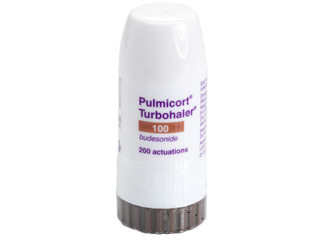
Pulmicort (Budesonide) – Patient Information (Australia)
Pulmicort contains budesonide, an inhaled corticosteroid used to help control inflammation in the airways. It is commonly used for asthma and certain other breathing conditions where airway inflammation plays a key role.
This guide is designed to be patient-friendly and helpful for people in Australia who want to understand how Pulmicort works, how to use it, and what to consider for safety and interactions.
1. Basic product information
- Medicine name: Pulmicort
- Active ingredient: Budesonide
- Type: Corticosteroid (inhaled)
- Therapeutic category: Anti-inflammatory controller medicine for the lungs
- Common dosage forms (varies by product): Inhalers/nebuliser solutions depending on brand presentation
- Prescription status: In Australia, inhaled budesonide products are generally available via the medicines regulatory framework and may require a clinician’s oversight depending on the exact product and strength.
Note: Product strengths, devices, and dosing schedules can differ between presentations. Always follow the instructions provided with your specific Pulmicort product and device.
2. How Pulmicort works (mechanism of action)
Budesonide is a corticosteroid that reduces inflammation in the airways. In asthma and similar conditions, the airways may become swollen and sensitive, leading to coughing, wheezing, shortness of breath, and tightness in the chest.
When inhaled, budesonide works mainly locally in the lungs:
- Reduces the release of inflammatory substances.
- Decreases airway swelling (inflammation) and mucus production.
- Helps improve airway responsiveness over time.
- Supports improved symptom control and fewer flare-ups (exacerbations).
Important: Pulmicort is a controller medicine. It helps prevent symptoms, but it is not designed for immediate relief of an acute asthma attack. A reliever inhaler (such as a short-acting bronchodilator) may be used for quick symptom relief if prescribed as part of the asthma plan.
3. Pharmacokinetics (what the body does to the medicine)
Pharmacokinetics describes how a medicine is absorbed, processed, and eliminated.
3.1 Absorption
Because Pulmicort is inhaled, much of its effect occurs within the lungs. A portion may still be swallowed after inhalation, especially with certain devices.
3.2 Metabolism (breakdown)
Budesonide is primarily metabolised in the liver (commonly via the CYP3A4 pathway). This metabolism reduces systemic exposure compared with many oral steroids.
3.3 Distribution
Systemic absorption (the part that leaves the lungs and enters circulation) is generally lower than if budesonide were taken by mouth, helping reduce whole-body steroid effects.
3.4 Elimination
Metabolites are eliminated mainly through the kidneys and with bile. The overall clearance is influenced by liver function and other medicines that affect drug-metabolising enzymes.
Practical takeaway: Proper inhaler/nebuliser technique supports best lung delivery and helps reduce side effects such as oral thrush.
4. Typical use and indications (what it’s used for)
Pulmicort is used to control chronic airway inflammation. Depending on the product and local clinical guidance, indications may include:
- Asthma as maintenance therapy to help prevent symptoms and exacerbations.
- Inflammatory airway conditions where a steroid controller is appropriate (for example, some chronic respiratory conditions as determined by a clinician).
- Croup (in certain forms/presentations): Some budesonide inhalation solutions may be used in emergency or clinical settings for croup in children, depending on dosing and product availability.
Because indications and eligible use can vary by product presentation and strength, check the product-specific Consumer Medicine Information (CMI) and your clinician’s advice.
5. Timing: when to take Pulmicort and when you’ll feel effects
Inhaled budesonide helps control inflammation, and improvement is usually seen over days. However, full benefit may take longer.
- Regular use: Use on the schedule provided (often once or twice daily for maintenance, depending on your plan).
- Onset of effect: Some benefits may be noticed within days, but maximum effect can take 1–2 weeks (or longer) in certain people.
- Do not stop suddenly: Even if symptoms improve, continue unless advised. Stopping can allow inflammation to return.
Missed dose: If you miss a scheduled dose, use it when you remember unless it’s close to the next dose. Do not double doses. Follow the guidance in your product’s CMI.
6. Dosing overview (general guidance)
Dosing depends on the specific Pulmicort presentation (inhaler vs nebuliser solution), strength, your age, symptom severity, and response to treatment.
General principles:
- Use the lowest effective dose that controls symptoms.
- Titration: Clinicians may adjust dose upward if control is poor, then step down when stable.
- Children: Dose schedules may differ and require careful measurement of nebuliser doses and accurate device technique.
Important: For safety, the exact dose for you (or your child) should be determined by your clinician and specified on your prescription/medicine plan and product label. This page provides general educational information and cannot replace individual dosing instructions.
7. Food interactions
Because budesonide is inhaled, it usually has fewer direct food interactions than oral medications. In general, you can take Pulmicort with or without food.
Key practical points:
- Oral hygiene matters: To reduce thrush risk (a fungal infection in the mouth), rinse your mouth and gargle with water after inhaling (unless your product instructions differ).
- Spit out rinse water: Do not swallow the rinse water if you were told to gargle and spit.
If you have nausea or swallowing difficulty, ask your pharmacist or clinician for technique suggestions.
8. Alcohol and medicine interactions
Alcohol: There is no strong, common direct interaction between inhaled budesonide and alcohol. However, alcohol can worsen breathing symptoms in some people and may affect sleep and asthma control. Moderate alcohol use and monitoring symptoms are generally sensible. If you notice increased shortness of breath after alcohol, discuss it with your clinician.
Medicine interactions: Budesonide is metabolised mainly in the liver. Certain medicines can increase or decrease budesonide levels.
8.1 Medicines that may increase budesonide effects
- Strong CYP3A4 inhibitors (examples may include some antifungal medicines such as ketoconazole/itraconazole, and some antibiotics/antivirals depending on the product and local availability) can increase budesonide exposure. This may raise the risk of steroid side effects.
- Some HIV medicines and other drug classes that affect CYP3A4 may also interact.
8.2 Medicines that may reduce budesonide effects
- CYP3A4 inducers (examples may include certain anti-seizure medicines like carbamazepine and some other enzyme inducers) may reduce budesonide levels and reduce effectiveness.
8.3 Steroid-related considerations
- If you take other corticosteroids (tablets, injections, or additional inhaled steroids), the total steroid load may increase.
- Long-term high-dose therapy can increase the chance of systemic effects. Your clinician may monitor your dose and health.
Always tell your pharmacist about all medicines you use, including:
- Prescription and over-the-counter medicines
- Vitamins and herbal products
- Nebulised solutions and other inhaled therapies
9. Safety profile: side effects and when to seek help
Most people tolerate Pulmicort well, especially when used correctly. Side effects are usually related to local steroid effects in the mouth or throat and, less commonly, to systemic steroid effects at higher doses.
9.1 Common side effects
- Hoarseness (voice changes)
- Throat irritation
- Oral thrush (white patches in the mouth or tongue, sore mouth)—risk decreases with mouth rinsing and correct technique
- Cough or mild breath discomfort after inhalation (device-related)
9.2 Less common but important side effects
- Asthma symptoms worsening if the medicine is not used regularly or technique is incorrect
- Systemic steroid effects (more likely with higher doses, long-term use, or frequent added steroid courses): e.g., bruising, mood changes, weight changes, elevated blood sugar, or effects on bones
- Adrenal suppression risk with higher-dose or long-term steroid use (your clinician will guide tapering if stopping)
9.3 Seek urgent medical help if
- You experience severe breathing difficulty, blue lips, or inability to speak full sentences
- You suspect an allergic reaction (swelling of face/lips, rash, wheeze soon after taking the medicine)
- Thrush or mouth sores worsen despite rinsing and mouth care
Children: Monitor growth and overall health when on long-term inhaled corticosteroids. Your clinician may track growth patterns as part of routine care.
10. Practical use tips (technique and day-to-day guidance)
Correct technique is crucial for getting the right amount of budesonide into the lungs and reducing side effects.
10.1 General tips
- Use the device as instructed for your specific Pulmicort presentation.
- Keep a consistent routine (e.g., morning and evening) to improve adherence.
- Check mouth care after each use: rinse/gargle and spit if advised.
- Use a spacer if your clinician/pharmacist recommends one for your inhaler type.
10.2 Tips for inhalers
- Breathe out gently before inhaling the dose.
- Start a slow, steady inhalation at the right time (depending on inhaler mechanism).
- Hold breath briefly after inhalation to improve lung deposition.
- If you experience coughing right after using your inhaler, your technique or timing may need adjustment.
10.3 Tips for nebuliser solutions
- Use only the prescribed/labelled nebuliser solution and correct tubing/mask.
- Keep the equipment clean according to manufacturer instructions to reduce infection risk.
- Encourage calm, slow breathing during treatment for more effective delivery.
10.4 Managing oral thrush
- Rinse your mouth after each dose.
- Ensure good denture hygiene if applicable.
- If thrush develops, contact your pharmacist or clinician. Treatment may be required, and your technique may need checking.
11. Missed doses, stopping, and “stepping down”
If your asthma or symptoms have been stable, clinicians may consider reducing the dose over time. Do not abruptly stop inhaled corticosteroids without guidance, as inflammation can return.
- Missed dose: take when remembered; avoid doubling.
- Long-term plan: follow your asthma action plan or clinician’s instructions for step-up/step-down therapy.
- During illness: do not stop Pulmicort during colds/respiratory infections unless advised. Illness can increase airway inflammation.
12. Alternative options
If Pulmicort is not suitable, alternatives depend on the condition, severity, and your current regimen. Options may include:
- Other inhaled corticosteroids (different active ingredients and devices)
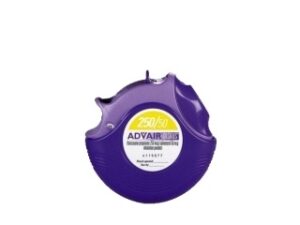
- Combination inhalers that include an inhaled corticosteroid plus a long-acting bronchodilator
- Leukotriene receptor antagonists in selected patients (not a steroid)
- Reliever medicines for symptom rescue (not a controller)
Your pharmacist or clinician can advise what alternatives exist in Australia for your specific situation, including device preferences and dosing schedules.
13. Pulmicort in Australia: market and legal context
Australia regulates medicines through the Therapeutic Goods Administration (TGA). Inhaled budesonide products are used widely for asthma and other airway conditions, and availability may vary by brand, formulation, and strength.
Online pharmacies in Australia must comply with relevant legal requirements regarding:
- Identifying products correctly (name, strength, form, and expiry)
- Supplying medicines according to permitted channels
- Providing appropriate consumer information resources (e.g., CMI)
- Protecting patient safety through correct handling and delivery practices
Recent guidance and best practice (general): Asthma management commonly emphasises using a controller medicine consistently, checking inhaler technique, and reviewing action plans regularly. Clinicians may adjust therapy based on symptom control and risk of future flare-ups. If you have concerns about technique or dose, a pharmacist or respiratory nurse can help review your use.
14. Delivery and availability (online pharmacy considerations)
Availability of Pulmicort depends on the specific product presentation (e.g., inhaler vs nebuliser solution), strength, and local supply. Online pharmacies may offer different pack sizes.
What to expect when ordering:
- Check the product form and strength: Ensure the label matches what you use (e.g., nebuliser ampoules/solution vs inhaler).
- Expiry date: A reputable supplier will dispatch within acceptable expiry timelines.
- Packaging protection: Inhaler devices and solutions should be packaged to reduce risk of damage.
- Delivery timeframes: Vary by region and courier; check the pharmacy’s estimated delivery options.
Storage: Follow the storage instructions on the label (commonly “store below 25°C” or similar directions for inhaler devices and solutions). Keep away from heat, moisture, and direct sunlight.
15. FAQ – Frequently asked questions
Is Pulmicort the same as a reliever inhaler?
No. Pulmicort (budesonide) is an anti-inflammatory controller. Reliever inhalers act quickly to open the airways, while Pulmicort works over time to reduce inflammation and prevent symptoms.
How quickly does Pulmicort work?
Some improvement may be noticed within a few days, but the full anti-inflammatory effect may take longer (often 1–2 weeks or more). Continue regular use as directed for the best outcomes.
Do I need to rinse my mouth after using Pulmicort?
In many cases, yes. Rinsing and gargling after inhaled corticosteroids can reduce the risk of oral thrush and throat irritation. Follow the instructions specific to your product.
What if I get thrush?
If you develop mouth sores or white patches, stop and seek advice from your pharmacist or clinician. You may need antifungal treatment, and your inhalation technique and mouth care should be reviewed.
Can I drink alcohol while using Pulmicort?
There is typically no direct interaction with alcohol for inhaled budesonide. However, alcohol can worsen asthma control in some people. If you notice breathing changes after drinking, discuss it with your clinician.
What medicines can interact with Pulmicort?
Medicines that affect liver enzymes—especially CYP3A4 inhibitors or inducers—can change budesonide levels. Always provide a full list of medicines and supplements to your pharmacist.
Can I take Pulmicort with food?
Generally, yes. Food does not usually cause significant direct interactions with inhaled budesonide. The more important step is mouth rinsing after inhalation.
Is Pulmicort safe for children?
Inhaled budesonide is widely used in children for appropriate indications. Dosing and monitoring are important, including attention to growth when used long term. Your clinician will tailor therapy to the child’s needs.
What should I do if I miss a dose?
Use it when you remember unless it is close to the next dose. Do not double doses. Follow the specific advice in your product information.
When should I review my asthma plan?
If your symptoms are not improving, you are needing reliever medication more frequently, or you experience flare-ups, it’s time to review your management plan. A clinician or pharmacist can assist with technique checks and dose review.
16. Summary
Pulmicort (budesonide) is an inhaled corticosteroid used to manage airway inflammation, particularly in asthma. When used correctly and consistently, it can reduce symptoms and the risk of flare-ups. Key factors for safety and effectiveness include correct inhaler/nebuliser technique, regular use as a controller medicine, and mouth rinsing after doses to lower the risk of thrush.
If you have questions about how to use your Pulmicort device, possible interactions with your current medicines, or side effects you’re experiencing, speak with your pharmacist or clinician.