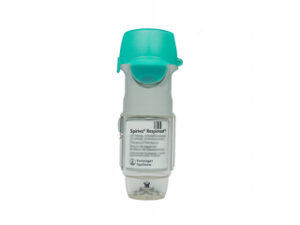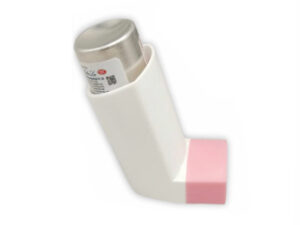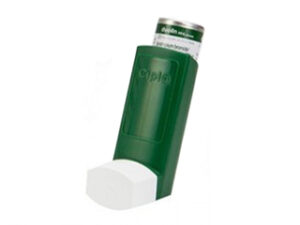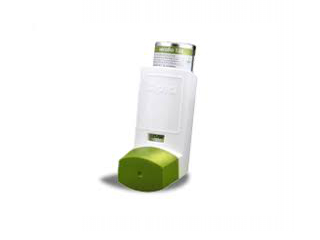

Seroflo Inhaler (Fluticasone + Salmeterol) — Patient Information (Australia)
Seroflo Inhaler is a combination medicine used for long-term control of asthma and, in some cases, chronic obstructive pulmonary disease (COPD). It contains two medicines: fluticasone (an inhaled corticosteroid) and salmeterol (a long-acting bronchodilator). Together, these help reduce airway inflammation and keep the airways open to improve breathing.
This page explains how Seroflo works, how it’s used, key safety information, and practical tips. It is written for general patient education and does not replace advice from your healthcare professional.
Basic Product Information
| Feature | What to know |
|---|---|
| Medicine(s) | Fluticasone + Salmeterol |
| Type | Combination inhaler (inhaled corticosteroid + long-acting beta2-agonist) |
| Main uses | Asthma maintenance (and, in some situations, COPD maintenance depending on strength and local prescribing practices) |
| How it’s taken | Inhalation using a metered-dose inhaler (MDI) device |
| Common schedule | Usually twice daily, about 12 hours apart (exact regimen depends on your prescribed strength) |
| Onset | Salmeterol provides bronchodilation within minutes; anti-inflammatory benefit of fluticasone builds over days to weeks |
How Seroflo Works (Mechanism of Action)
Seroflo contains two complementary medicines:
- Fluticasone (inhaled corticosteroid, ICS): Reduces inflammation in the airways. Over time, this helps lower airway swelling and mucus production, making asthma symptoms less frequent and less severe.
- Salmeterol (long-acting beta2-agonist, LABA): Relaxes smooth muscle around the airways, helping them stay open for around 12 hours or more. This improves airflow and helps prevent symptoms.
Important: Because it is a controller medicine, Seroflo is intended for regular use to maintain asthma control. It is not typically used as a fast reliever during sudden attacks (your reliever inhaler is usually used for immediate symptom relief).
Pharmacokinetics (Absorption, Distribution, Metabolism, Excretion)
While exact numbers can vary by inhaler technique and individual factors, the general pharmacokinetic behaviour of inhaled fluticasone and salmeterol is well understood:
Fluticasone (ICS)
- Absorption: Inhaled fluticasone delivers drug to the lungs; a portion may be swallowed and absorbed through the gut.
- Metabolism: Primarily metabolised by the liver enzyme CYP3A4.
- Elimination: Excreted mainly as metabolites (primarily through bile and faeces), with only minor renal excretion.
Salmeterol (LABA)
- Absorption: Absorbed from the lungs; swallowed fraction may be absorbed through the gut.
- Metabolism: Metabolised mainly by CYP3A4.
- Elimination: Excretion mainly via faeces as metabolites.
Clinical takeaway: Because both components rely on CYP3A4 pathways, some medicines (especially certain antifungals and some antibiotics) can increase levels and side effects. See “Alcohol and medicine interactions” below.
Typical Use in Australia
In Australia, Seroflo is commonly used as part of long-term asthma management plans. It helps reduce:
- Daytime symptoms such as wheeze, coughing, chest tightness, and breathlessness
- Night-time symptoms that interrupt sleep
- Use of reliever inhalers
- Risk of asthma flare-ups (exacerbations) requiring urgent treatment
It may also be considered for COPD maintenance in selected patients depending on the specific product strength and local clinical judgement. Your healthcare professional will determine the best controller for your condition.
Indications (When Seroflo Is Used)
Seroflo is indicated for:
- Asthma: For maintenance treatment when symptoms are not adequately controlled with inhaled corticosteroid alone or when a combination approach is appropriate.
- COPD (selected situations): Some patients with COPD may be prescribed LABA/ICS combinations as maintenance therapy when indicated by their clinician.
Your exact indication may depend on the inhaler strength and your health history. If you are unsure whether Seroflo is for asthma or COPD, check your treatment plan or ask your pharmacist.
Dosing & Timing (How to Use It Properly)
Seroflo is typically taken twice daily, aiming for roughly 12 hours apart. However, the precise dose depends on the inhaler strength prescribed for you.
Typical schedule
- Morning: Take your prescribed dose
- Evening: Take your prescribed dose
Consistency matters: Controller medicines work best when used regularly. Even if you feel well, stopping suddenly can lead to worsening symptoms.
Missed dose
- If you miss a dose, take it when you remember if it is not close to your next scheduled dose.
- If it’s nearly time for the next dose, skip the missed dose and continue your normal schedule.
- Do not take extra puffs to make up for the missed dose.
Practical Use Tips (Getting the Best Results)
Correct inhaler technique is one of the biggest factors affecting how well an inhaled medicine works. Poor technique can reduce lung delivery and increase side effects.
General technique guidance (MDI-style inhaler)
- Follow the instructions supplied with your Seroflo inhaler device.
- Before first use or if the inhaler has not been used for a while, you may need to prime the device (your product instructions will specify this).
- Shake the inhaler if your product instructions say to do so.
- Breathe out gently away from the mouthpiece.
- Seal your lips around the mouthpiece.
- Start a slow, deep breath in, and press the canister at the same time to release a puff.
- Continue breathing in slowly and deeply.
- Hold your breath for about 5–10 seconds (or as long as comfortable) to allow medicine to deposit in the airways.
- Close your lips and breathe out slowly.
- If a second puff is required, wait the recommended interval (commonly about 30–60 seconds unless your instructions say otherwise).
Rinse and spit
After using fluticasone-containing inhalers, it’s important to:
- Rinse your mouth with water
- Spit it out (do not swallow)
This helps reduce the risk of oral thrush (candidiasis) and hoarseness.
Check your inhaler technique regularly
If possible, ask your pharmacist or nurse to observe your technique during a visit—small adjustments can make a meaningful difference.
Food Interactions
Food is generally not expected to directly affect the way inhaled Seroflo works in the lungs. However, there are a few practical considerations:
- Swallowed fraction: A small portion of inhaled medicine can be swallowed. This is not usually a problem, but if you experience stomach upset, you may find it helpful to use your inhaler after food.
- Rinsing mouth: Rinsing after each dose is recommended regardless of meals.
If you have specific dietary concerns or stomach symptoms, discuss them with your healthcare professional.
Alcohol and Medicine Interactions
Alcohol
There is no well-established direct interaction between alcohol and Seroflo that would require complete avoidance for most patients. However, alcohol can potentially worsen breathing in some people, trigger reflux, or contribute to sleep disruption—factors that may affect asthma control.
- Limit alcohol if it worsens your breathing or sleep.
- Seek advice if you have severe asthma/COPD, liver disease, or frequent exacerbations.
Medicines that may interact (important)
Both fluticasone and salmeterol are affected by drug-metabolising enzymes, particularly CYP3A4. Some medicines can raise levels of Seroflo components and increase side effects.
Examples of medicines that may increase risk
- Antifungal medicines (e.g., ketoconazole, itraconazole)
- Some antibiotics (e.g., clarithromycin)
- HIV protease inhibitors
- Other strong CYP3A4 inhibitors
The result of strong CYP3A4 inhibition can include increased corticosteroid effects or increased beta-agonist effects (e.g., palpitations or tremor). Your pharmacist can help check your current medicines for interactions.
Medicines that may affect heart rhythm or potassium levels
- Other beta-agonists (including certain cough/cold medicines) may increase cardiovascular side effects if used in excess.
- Diuretics (“water tablets”) can lower potassium. Beta-agonist effects may further influence potassium levels in some cases.
- Some heart rhythm medicines may require additional caution if you are at risk of irregular heartbeats.
If you use any regular medicines (including tablets, eye/skin drops, and herbal products), it’s a good idea to review them with your pharmacist.
Safety Profile (What to Watch For)
Seroflo is generally well tolerated when used correctly. Side effects depend on dose, technique, and individual health factors. Inhaled medicines deliver less medicine to the rest of the body than oral steroids, but some effects can still occur.
Common side effects
- Hoarseness or voice changes
- Throat irritation
- Oral thrush (white patches in the mouth, soreness) — reduced by rinsing and spitting
- Headache
- Tremor or mild jitteriness (more related to salmeterol)
- Palpitations (feeling your heartbeat)
- Muscle cramps (occasionally)
Seek medical help urgently if you notice
- Signs of severe allergy: swelling of the face/lips, hives, trouble breathing
- Worsening breathing soon after inhaling, or severe wheeze not relieved by your reliever
- Chest pain, fainting, or severe palpitations
- High fever or significant infection symptoms with steroid use
- Signs of adrenal suppression (rare with inhaled therapy, but risk increases with higher doses or long-term use): unusual tiredness, weakness, nausea, dizziness
Long-term safety considerations
Inhaled corticosteroids can affect the body when used at higher doses over long periods. Clinicians monitor for:
- Growth effects in children (regular monitoring is important)
- Bone health (risk may increase with long-term higher-dose steroid exposure)
- Cataracts or glaucoma (eye check-ups as appropriate)
Do not adjust your dose or stop Seroflo without medical guidance, especially if you’ve been using it for a while.
What to Expect During Treatment
- Relief of airflow limitation: Salmeterol may provide noticeable improvements within minutes.
- Better long-term control: Fluticasone’s anti-inflammatory effect typically improves symptoms over days to weeks.
- Fewer exacerbations: With correct regular use, many patients experience fewer flare-ups.
If symptoms remain poorly controlled, it doesn’t always mean the medicine is ineffective—common causes include incorrect technique, missed doses, or needing an adjusted asthma action plan.
Recent Guidance & Treatment Principles (Australia)
In Australia, asthma and COPD care commonly emphasises:
- Stepwise treatment: matching controller intensity to symptom severity and risk.
- Regular review: reassessing symptom control, inhaler technique, and adherence.
- Controller optimisation: using inhaled corticosteroids appropriately to reduce inflammation and exacerbations.
- Reducing risk from LABAs: ensuring long-acting bronchodilators are used as part of an appropriate controller strategy (often with an inhaled steroid in asthma).
Recommendations and product preferences can evolve over time. Your pharmacist can explain how Seroflo fits into current care pathways and what alternatives might be considered for your specific situation.
Delivery, Availability & Market/Legal Context in Australia
Seroflo inhalers are supplied in Australia under medicines and pharmacy regulations. Availability can vary by brand and strength, and stock levels may change. Online pharmacies typically supply medicines through authorised channels, and orders may be subject to eligibility checks and delivery constraints depending on the product classification.
- Delivery: Many online pharmacies offer standard and express delivery within Australia, with dispatch times depending on warehouse location and stock availability.
- Packaging: Your medicine should arrive in original packaging with patient information for that specific strength.
- Storage: Keep your inhaler at room temperature, protected from heat and direct sunlight. Do not puncture or burn the canister.
If you need a repeat supply, consider planning ahead—controller medicines are most effective when you never run out.
Alternative Options
Depending on your condition (asthma vs COPD), symptom pattern, and current control, alternatives to Seroflo may include:
Asthma alternatives
- Inhaled corticosteroid (ICS) alone for mild to moderate controller needs.
- Other ICS/LABA combination inhalers with different device types and strengths.
- Adjusting the reliever/controller approach (your clinician may choose a different strategy based on your asthma severity and history).
COPD alternatives
- LABA inhalers alone or in combination with other bronchodilators.
- LAMA inhalers (long-acting muscarinic antagonists).
- Triple therapy options (LABA/LAMA/ICS) for selected patients.
If you’re considering switching, the “best” option depends on your response, side-effect profile, inhaler technique, and whether your symptoms flare at particular times of day or seasons.
Frequently Asked Questions (FAQ)
1. Is Seroflo the same as a reliever inhaler?
No. Seroflo is a controller inhaler intended for regular maintenance to reduce inflammation and prevent symptoms. During sudden symptoms, your clinician may advise using a separate reliever inhaler (commonly a fast-acting bronchodilator).
2. When will I feel better after starting Seroflo?
Some people notice airflow improvement soon due to salmeterol. However, fluticasone works over time, and better overall control often develops over days to weeks. If you don’t notice improvement after the expected timeframe, review technique and adherence with your pharmacist or clinician.
3. What if my asthma symptoms get worse while taking Seroflo?
Don’t automatically increase the dose without advice. Check:
- Whether you are using the inhaler correctly
- Whether doses are being taken consistently
- Whether your reliever is being used as directed in your asthma action plan
If symptoms are severe or you have signs of an exacerbation (e.g., worsening breathlessness, need for frequent reliever use, or poor response), seek urgent medical care according to your asthma action plan.
4. Can I use Seroflo if I have thrush or frequent mouth infections?
Thrush can occur with inhaled corticosteroids. Rinsing and spitting after each use significantly reduces risk. If you develop thrush, you may need antifungal treatment and a review of inhaler technique and dose with your healthcare professional.
5. Should I stop Seroflo when I feel well?
Generally, no. Seroflo helps maintain control. Stopping abruptly can lead to worsening symptoms or increased risk of flare-ups. If your treatment needs change, discuss it with your clinician.
6. Can children use Seroflo?
Some inhaler strengths and strategies are used in children under clinician guidance. Growth monitoring and technique coaching are important. Always follow dosing guidance for your child’s specific plan.
7. Are there any special storage instructions?
Store at room temperature and protect from heat and sunlight. Do not expose to high temperatures. Follow the product instructions for handling your specific inhaler canister.
8. Does it matter if I swallow after inhaling?
Some medicine can be swallowed after inhalation. This is expected and usually not a problem. Rinsing and spitting helps reduce oral side effects.
9. Can I take Seroflo with other medicines?
Many medicines can be taken safely, but interactions can occur—especially with strong CYP3A4 inhibitors such as certain antifungals and some antibiotics. Tell your pharmacist about all medicines you take, including over-the-counter products and herbal supplements.
10. What should I do if I feel chest tightness or palpitations after using it?
Mild tremor or palpitations can occur with LABA medicines. If symptoms are mild and improve, it may still be safe to continue—but you should report it. If symptoms are severe, persistent, or accompanied by dizziness, chest pain, or worsening breathing, seek urgent medical advice.
Key Takeaways
- Seroflo (fluticasone + salmeterol) is a long-term controller inhaler.
- Fluticasone reduces airway inflammation; salmeterol helps keep airways open.
- Use twice daily (about 12 hours apart) unless told otherwise.
- Rinse and spit after use to reduce thrush and hoarseness.
- Watch for side effects and seek urgent help for severe allergic reactions, significant breathing worsening, or severe palpitations.
- In Australia, treatment is typically reviewed stepwise—your pharmacist can help ensure your inhaler technique and medicine plan are optimised.