Proventil (Salbutamol) – Patient Information (Australia)
Proventil contains salbutamol, a medicine used to quickly relieve symptoms of asthma and other breathing problems where airways narrow. It works by relaxing the muscles around the airways, helping you breathe more easily.
This guide is designed to help you understand how Proventil works, when it’s used, how to take it safely, and what to consider regarding interactions and practical use. Always follow the instructions on your product label and your healthcare professional’s advice.
Quick Overview
| Feature | What to know |
|---|---|
| Medicine | Proventil (salbutamol) |
| Medicinal class | Short-acting beta2-adrenoceptor agonist (SABA) |
| Main role | Relieves acute symptoms (wheezing, shortness of breath, chest tightness) |
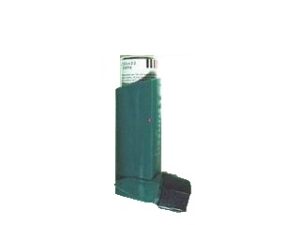
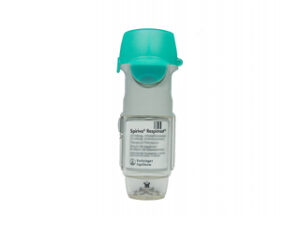
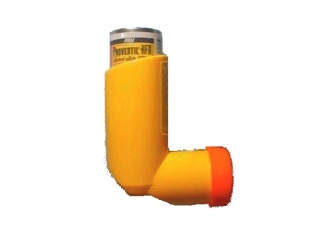
| Common forms | Inhaler devices (varies by product brand/strength) |
| Typical onset | Often within minutes when inhaled correctly |
| Duration | Usually lasts about 4–6 hours (may vary) |
| Key side effects | Tremor, palpitations, headache, nervousness; rarely low potassium with frequent/high doses |
What is Proventil?
Proventil is a brand name for salbutamol. Salbutamol is a fast-acting “reliever” medicine used in conditions where the airways become narrow (bronchoconstriction). By opening the airways, it helps ease breathing difficulty.
Proventil is commonly used in asthma and may also be used in chronic obstructive pulmonary disease (COPD) or other obstructive airway conditions, depending on individual circumstances and product instructions.
Mechanism of Action (How it Works)
Salbutamol belongs to a group of medicines called beta2-adrenoceptor agonists. When you inhale salbutamol:
- It binds to beta2 receptors on smooth muscle in the airways.
- It stimulates pathways that cause the airway smooth muscle to relax.
- Relaxation leads to bronchodilation—airways widen and airflow improves.
Because it acts quickly, it’s especially useful during sudden worsening of symptoms or before situations that trigger breathing problems (for some people).
Pharmacokinetics (Absorption, Distribution, Metabolism, Excretion)
Pharmacokinetics describes what the body does with the medicine. With inhaled salbutamol, most benefit is local in the lungs, but some portion is absorbed into the bloodstream.
- Absorption: Inhaled salbutamol enters the lungs and a portion may be swallowed (for inhalers where some medicine deposits in the mouth/throat).
- Onset: Symptom relief is typically felt within minutes when inhaled correctly.
- Distribution: Salbutamol absorbed into the bloodstream can act on receptors in other tissues as well.
- Metabolism: It is primarily metabolised in the liver.
- Elimination: Metabolites are excreted mainly via urine (and to a smaller extent via faeces).
Practical meaning: Frequent or high-dose use increases the likelihood of systemic side effects (like tremor and palpitations) because more medicine reaches the bloodstream.
Typical Uses and Indications
Proventil is used to relieve symptoms caused by airway narrowing.
In asthma
- Relief of wheezing, shortness of breath, and chest tightness
- Relief during acute asthma symptoms
- Prevention of symptoms triggered by activity for some individuals (as advised)
In COPD and other obstructive airway conditions
- Relief of breathlessness and wheeze related to reversible component of airway narrowing (varies by person)
Important: Proventil is a reliever. It does not replace controller medicines (such as inhaled corticosteroids) for long-term asthma control.
When to Take Proventil (Timing)
Timing depends on why you’re taking it.
- For sudden symptoms: Use immediately when symptoms start (follow your personal action plan).
- For prevention (exercise/allergen exposure): Use shortly before triggers if your clinician has advised this.
- During worsening periods: If your symptoms are increasing or reliever use is rising, your asthma/COPD plan should be reviewed promptly.
Seek urgent medical help if you need reliever doses more often than usual, if you’re not getting adequate relief, or if breathing is getting worse rapidly.
Dosing Information (General Guidance)
Exact dosing varies by age, formulation, and product strength. Use the dosing written on the specific Proventil product you have or the instructions given by your healthcare professional.
Below are general dosing principles commonly seen with salbutamol inhalers; confirm with your label.
Adults and adolescents
- Acute symptoms: Typically 1–2 inhalations per episode (follow your action plan; wait as directed).
- Repeat dosing: If needed, repeat after the time specified in the product instructions or action plan.
Children
- Doses are often lower than adult dosing and depend strongly on the child’s age and inhaler type.
- Using a spacer (where recommended) can improve delivery to the lungs and reduce throat deposition.
Maximum daily use
Do not exceed the maximum dose stated on your product label. Overuse can increase risk of side effects such as fast heart rate, tremor, and low potassium—especially with frequent, high-dose use.
Talk to a healthcare professional if you find you need Proventil very often (for example, more than your usual pattern), as this may indicate your condition is not well controlled.
How to Use Proventil Inhaler Correctly (Practical Tips)
Correct inhaler technique is one of the most important factors affecting how well Proventil works.
- Shake the inhaler if your specific device is a pressurised metered-dose inhaler (pMDI), as indicated.
- Breathe out fully away from the mouth.
- Seal lips around the mouthpiece (or use the spacer/mask if recommended for children).
- Start inhaling slowly and press the canister to release the dose at the start of the breath.
- Continue breathing in slowly and deeply.
- Hold your breath for about 10 seconds (or as long as comfortable), then breathe out.
- If taking multiple puffs, wait the time stated in the instructions between puffs.
Use of a spacer: If your product label recommends a spacer, this can improve lung delivery and reduce medicine that lands in the mouth/throat.
Rinse your mouth after use if you’re also using corticosteroid inhalers. (Salbutamol alone doesn’t always require rinsing, but rinsing is often recommended as part of good inhaler hygiene, especially when combination regimens are used.)
Food Interactions
Food interactions are generally not a major concern with inhaled salbutamol. Because it is primarily delivered to the lungs, what you eat typically has little effect on how it works.
- If some of the dose is swallowed, food may slightly affect absorption of swallowed medicine, but this is usually not clinically significant for most people.
- For best results, focus on inhaler technique and timing rather than meal planning.
Alcohol Interactions
Moderate alcohol use is not usually expected to have a strong direct interaction with inhaled salbutamol. However, alcohol can sometimes worsen breathing in some individuals (for example, by affecting sleep, airway irritation, or existing respiratory symptoms).
- If you notice alcohol makes your asthma/COPD worse, avoid it or discuss with your healthcare professional.
- Be cautious with alcohol if you experience palpitations or tremor from Proventil—alcohol may worsen awareness of these symptoms in some people.
Seek medical advice if you drink heavily or have significant liver problems, as this can affect how medicines are processed in the body.
Interactions With Other Medicines
Some medicines can affect how safe or effective salbutamol is for you. Tell your pharmacist or doctor about all medicines you take, including:
- Prescription medicines
- Over-the-counter medicines
- Herbal products and supplements
Key interaction categories
- Other beta-agonists (including some cough/cold products): may increase side effects such as fast heart rate or tremor.
- Beta-blockers (including some eye drops): can reduce salbutamol’s effect or worsen bronchospasm in people with asthma. Non-selective beta-blockers are of particular concern.
- Diuretics (water tablets) and other medicines that lower potassium: frequent high doses of salbutamol can further lower potassium. Low potassium can increase the risk of abnormal heart rhythms in susceptible individuals.
- Corticosteroids (systemic) and other medicines affecting potassium: can contribute to potassium changes, especially during exacerbations.
- Some medicines for rhythm problems or other risk factors for arrhythmias: discuss with your clinician, particularly if you have heart disease.
Practical tip: If you’re taking multiple inhalers, keep an updated list of them and share it with your pharmacist. This reduces the risk of mixing incompatible instructions.
Safety Profile (Side Effects and What to Watch For)
Like all medicines, Proventil can cause side effects. Many are mild and improve as your body adjusts, but some need urgent attention.
Common or expected side effects
- Tremor (shaking)
- Nervousness or feeling “wired”
- Headache
- Palpitations (awareness of heartbeat), sometimes fast heart rate
Less common but important effects
- Low potassium (hypokalaemia): more likely with frequent/high doses; may lead to muscle weakness or cramps.
- Chest pain or significant heart rhythm changes (rare).
- Worsening breathing paradoxically: uncommon; seek medical advice if you experience increased wheeze after inhaling.
Seek urgent medical help if
- Your breathing is getting worse despite taking your reliever
- You have severe chest tightness, fainting, or signs of serious allergic reaction (swelling of face/lips, hives, trouble breathing)
- You have rapid or irregular heartbeat that doesn’t settle
Don’t stop your controller therapy if you’re already using one, unless advised by your clinician.
When Proventil May Be Used With Caution
Discuss with a healthcare professional if you have:
- Heart disease, rhythm disorders, or a history of palpitations
- Hyperthyroidism
- Diabetes (beta-agonists can affect blood sugar in some people)
- Low potassium or are prone to electrolyte imbalance
- Severe asthma/COPD exacerbations (your plan may require specialist management)
Practical Use Tips for Best Results
- Use the right device: Ensure you’re using the correct Proventil inhaler for your prescribed plan.
- Check technique: If you don’t get relief, inhaler technique or device issues are common reasons.
- Keep track of doses: Note how often you use Proventil. Frequent use can be a sign your condition needs review.
- Use a spacer for children where appropriate—this can improve delivery and reduce side effects.
- Don’t delay help: If you’re struggling to breathe, rely on your asthma/COPD action plan and seek urgent care when indicated.
- Store correctly: Keep the inhaler at recommended temperatures and protect from extreme heat or cold (follow label guidance).
Alternative Options
If Proventil isn’t suitable or isn’t relieving symptoms adequately, there are other medicines and approaches. Alternatives may include:
Other reliever medicines
- Other short-acting beta2-agonists (SABAs)
- Short-acting antimuscarinics for selected COPD or exacerbation scenarios (as advised)
Controller options (for long-term control)
- Inhaled corticosteroids (ICS) for asthma control
- ICS/long-acting beta-agonist combinations (LABA) for some patients
- For severe asthma, specialist therapies may be considered
Note: The best alternative depends on your diagnosis, symptom frequency, technique, and response to current therapy. A clinician or pharmacist can help you choose an appropriate regimen.
Market and Legal Context in Australia
Australia regulates medicines through the TGA (Therapeutic Goods Administration). Medicines like salbutamol inhalers are available through appropriate pharmacy supply channels depending on product category and safety requirements.
In general, many reliever bronchodilators are widely used and may be available under pharmacy arrangements. Availability can vary by:
- Product formulation and pack size
- Brand name and device type
- Changes to schedule or restrictions over time
Always check the product page for the exact strength, device type, and instructions for that specific product.
Recent Guidance and Asthma/COPD Considerations
Australian respiratory guidance commonly emphasises that:
- Frequent reliever use can indicate poor control and should trigger review of your treatment plan.
- Inhaler technique is a frequent cause of inadequate symptom relief.
- Controller therapy (for asthma) should be optimised to reduce exacerbations.
- Action plans should be followed during flare-ups, including when to seek urgent care.
Local recommendations may be updated periodically by respiratory organisations and clinical bodies. If your symptoms are changing, ask your pharmacist or clinician to review your current action plan and inhaler technique.
Delivery and Availability (Online Pharmacy)
Availability may vary by stock levels and demand. When ordering online in Australia, delivery options typically depend on:
- Current warehouse stock
- Your delivery location (metro vs regional/remote)
- Shipping speed selected at checkout
After you place an order, you’ll usually receive an order confirmation and shipping updates. If a product is temporarily out of stock, the pharmacy may offer a suitable alternative (subject to availability and matching your needs).
Tip: Ensure the product you select matches your inhaler type (pMDI vs other devices) and dose instructions.
FAQ
1) How quickly does Proventil work?
When inhaled correctly, salbutamol often starts working within minutes. Symptom improvement typically occurs quickly, but exact timing can vary depending on technique, severity of symptoms, and individual response.
2) How long does one dose last?
Relief often lasts around 4–6 hours for many people. Some individuals may experience shorter or longer effects. If you’re needing frequent doses, discuss this with a healthcare professional.
3) Can I use Proventil every day?
Proventil is intended as a reliever. If you find you need it frequently, your asthma/COPD may not be well controlled and you may need a review of controller therapy. Follow your action plan and label instructions.
4) Is Proventil safe for children?
Salbutamol inhalers can be used in children, but dosing must be age-appropriate and based on the specific product instructions. Many children benefit from using a spacer to help delivery to the lungs.
5) What should I do if I miss a dose?
For a reliever inhaler, “missing a dose” usually isn’t the same as for daily preventive medicines. Use Proventil only when you need symptom relief (or as advised for prevention before triggers). If you’re unsure, ask a pharmacist.
6) Can I take Proventil with my other inhalers?
Often yes—many people use relievers alongside controller inhalers. However, using multiple inhalers correctly (timing and technique) matters. If you’re unsure, review your regimen with a pharmacist.
7) Does Proventil interact with food?
Generally, food does not significantly affect inhaled salbutamol. Focus on correct inhaler technique and proper timing instead.
8) Can I drink alcohol while using Proventil?
Moderate alcohol is usually not expected to cause a direct interaction with inhaled salbutamol, but alcohol may worsen breathing in some people. If you notice an effect, reduce or avoid alcohol and seek advice.
9) What side effects should make me stop and get help?
Seek urgent help if you experience severe breathing trouble, swelling/hives suggesting allergy, fainting, or significant irregular heartbeat. For bothersome tremor or palpitations, discuss with your pharmacist—especially if these occur after each use or are increasing.
10) Why isn’t Proventil working for me?
Common reasons include incorrect inhaler technique, empty inhaler, not using a spacer when recommended, or needing assessment for uncontrolled asthma/COPD. If you’re not getting relief, follow your action plan and get medical advice.
References and Further Information (Australia)
For general asthma and COPD education, you may find it helpful to refer to resources from reputable Australian health organisations. Product-specific details (including exact dosing and instructions) are always provided on the packaging and consumer medicine information.
Disclaimer: This page is for patient education only and does not replace advice from a healthcare professional. If you have concerns about your condition or how to use Proventil, speak with a pharmacist or clinician.