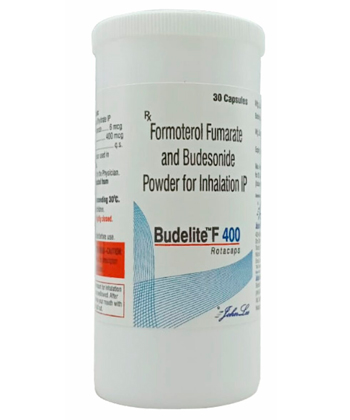
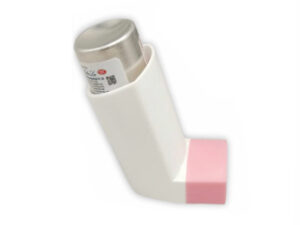
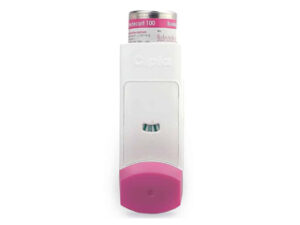
Budesonide/Formoterol Rotacaps (Inhaler) — Patient Guide (Australia)
Budesonide/Formoterol Rotacaps are inhaled medicines used to help control and prevent symptoms of chronic lung conditions such as asthma and chronic obstructive pulmonary disease (COPD). They combine two medicines in one inhaler:
- Budesonide (an inhaled corticosteroid, “steroid” that reduces inflammation in the airways)
- Formoterol (a long-acting bronchodilator that opens the airways, belonging to the LABA class)
This guide explains how the medicine works, how it’s used, what to expect, and important safety information. It is written for patients in Australia to help you use your inhaler correctly and discuss options with your healthcare professional.
Basic product information
| Product | Budesonide/Formoterol Rotacaps (rotacaps inhalation capsules) |
|---|---|
| Common uses | Asthma control; COPD symptom relief and prevention of exacerbations (as advised) |
| How it works | Anti-inflammatory (budesonide) + bronchodilation (formoterol) |
| Administration | Inhaled via Rotacap-style inhaler device (requires correct inhalation technique) |
| Typical frequency | Usually twice daily (exact regimen depends on your diagnosis and dose strength) |
| Strengths | Available in different strengths (your pharmacist or doctor can confirm the exact strength) |
Important: Budesonide/Formoterol Rotacaps are not the same as “puffer” devices that you can simply squeeze. Rotacaps require a compatible inhalation device and the correct technique to deliver medicine to the lungs.
Mechanism of action (how it helps)
Budesonide (inhaled corticosteroid)
Budesonide reduces inflammation in the airways. It helps:
- Decrease airway swelling and irritation
- Reduce mucus production
- Lower sensitivity to triggers (such as dust, smoke, cold air, allergens)
Formoterol (long-acting bronchodilator)
Formoterol relaxes the muscles around the airways, widening them. This helps:
- Improve airflow and breathing
- Relieve symptoms such as wheeze, tight chest, and shortness of breath
Because budesonide and formoterol work in different ways, the combination can improve day-to-day control and reduce the risk of worsening symptoms.
Typical use and what it’s for
Budesonide/Formoterol Rotacaps are commonly used for:
- Asthma: to maintain control and reduce symptoms and flare-ups when symptoms persist despite appropriate therapy.
- COPD: to help manage breathlessness and reduce exacerbations in selected patients (depending on severity and treatment history).
Your exact plan may differ depending on your symptoms, lung function, and prior treatments. If you’re not sure why this inhaler was chosen, ask your doctor or pharmacist.
How quickly does it work?
Formoterol can provide relatively fast relief because it acts quickly on the airways. Budesonide’s anti-inflammatory effect builds over time.
- Short-term: many people notice easier breathing sooner (often within minutes after correct inhalation).
- Long-term: asthma and COPD control improves over days to weeks as inflammation settles.
Even if you feel better, it’s usually important to keep using the medicine as prescribed to maintain control.
Timing: when to take it
Many regimens use twice-daily dosing (e.g., morning and evening), roughly 12 hours apart. Choose a routine that you can maintain consistently.
- If you take doses at 8:00 am and 8:00 pm, try to keep those times steady.
- Set reminders if you tend to forget.
- If you miss a dose, take it when you remember unless it’s close to the next dose. Do not double up.
Rescue medicines: Most patients also have a separate “reliever” inhaler for sudden symptoms. Budesonide/Formoterol is designed for ongoing control, not as a substitute for emergency rescue treatment.
Indications (when doctors may recommend it)
Indications can vary based on individual assessment. In general, Budesonide/Formoterol may be indicated for:
- Asthma for patients needing maintenance therapy with an inhaled corticosteroid plus a long-acting bronchodilator.
- COPD for patients with persistent symptoms or a history of exacerbations where combination inhaled therapy is appropriate.
Treatment decisions may also consider symptom frequency, risk of exacerbations, and previous inhaler response.
How it is absorbed and processed (pharmacokinetics)
“Pharmacokinetics” describes what happens to the medicine in the body—how much reaches the lungs, how it’s absorbed, and how it’s cleared.
After inhalation
- Local lung deposition: Most of the inhaled dose aims to deposit in the airways. Correct technique improves delivery.
- Absorption: Some medicine may be swallowed and then absorbed from the gastrointestinal tract.
Distribution and metabolism
- Budesonide: Metabolised primarily in the liver (notably by CYP3A4 enzymes) and cleared from the body.
- Formoterol: Also metabolised and eliminated mainly through renal (kidney) pathways and metabolism products.
Elimination
The medicines have varying clearance rates. This contributes to why they’re typically taken regularly to maintain effect. Your clinician may adjust therapy if you have liver or kidney conditions.
If you take other medicines, tell your pharmacist—because some drugs can affect metabolism and increase side effects.
Dosing (general guidance)
Dosing depends on:
- Your diagnosis (asthma vs COPD)
- Your age
- The strength of your Rotacaps
- How well you respond and any side effects
Many people use budesonide/formoterol twice daily. However, do not adjust your dose unless instructed by your healthcare professional.
Practical approach to dosing
- Use the correct strength and number of capsules per inhalation as indicated.
- Keep a consistent schedule for best control.
- If your symptoms aren’t controlled, your prescriber may adjust your treatment plan rather than repeatedly increasing doses on your own.
Food interactions (including timing with meals)
Because Budesonide/Formoterol is inhaled, food interactions are usually minimal. However, swallowed medicine may occur, and individual metabolism varies.
- General advice: You can usually take your inhaler before or after meals.
- Mouth rinse: It’s strongly recommended to rinse your mouth and spit after inhaling (especially with budesonide) to reduce the risk of mouth thrush and hoarseness.
If you notice nausea, a sore mouth, or persistent hoarseness, speak to your pharmacist—technique changes and mouth rinsing can make a difference.
Alcohol and medicine interactions
Alcohol
There is no common direct interaction where moderate alcohol automatically makes the inhaler unsafe. However, alcohol can sometimes worsen breathing in people with lung disease or reduce adherence to medications. If you drink alcohol, do so moderately and monitor symptoms.
Medication interactions (important)
Several medicines can interact with inhaled budesonide/formoterol by affecting metabolism or increasing side effects:
- CYP3A4 inhibitors: Some medicines can increase budesonide levels (e.g., certain antifungals or antibiotics). This may raise the risk of steroid side effects.
- Other bronchodilators: Using additional beta-agonists may increase effects such as tremor or a fast heartbeat.
- Beta-blockers: Some heart medicines (non-selective beta-blockers) may reduce bronchodilator effect and can worsen asthma symptoms.
- Diuretics and certain medicines affecting potassium: When combined with beta-agonists, electrolyte imbalance (low potassium) may become more likely.
- Monoamine oxidase inhibitors (MAOIs) and certain antidepressants: May increase cardiovascular effects with beta-agonists.
Provide your pharmacist with a list of all medicines you take, including:
- Prescription and over-the-counter medicines
- Herbal products
- Eye drops and topical creams (some can still have systemic effects)
Safety profile: what to watch for
Like all medicines, Budesonide/Formoterol may cause side effects. Many are mild and improve with correct technique and regular mouth rinsing. Your risk can also depend on dose and your underlying health.
Common side effects
- Hoarseness or voice changes
- Oral thrush (mouth fungal infection) — reduce risk by rinsing and spitting after each use
- Tremor or shakiness
- Headache
- Fast heartbeat or palpitations
- Muscle cramps (less common)
Less common but serious concerns
- Paradoxical bronchospasm: Rarely, inhaled medicines can worsen wheeze immediately after dosing. If this occurs, seek medical help.
- Chest pain, severe palpitations, or fainting: Stop and seek urgent advice.
- Signs of infection: Persistent fever, worsening cough, or breathlessness may indicate infection or exacerbation.
- Allergic reaction: Swelling of face/lips, rash, or difficulty breathing requires urgent care.
When to get urgent help (Australia)
Seek emergency assistance (call 000 in Australia) or urgent medical review if you have:
- Severe shortness of breath that is not responding to your reliever
- Blue/grey lips, inability to speak full sentences, or marked chest tightness
- Severe chest pain, collapse, or severe palpitations
Practical use tips for Rotacaps
Correct technique is crucial for getting the right amount of medicine into your lungs. Use the device instructions provided with your Rotacaps inhaler. If you’re unsure, ask your pharmacist to observe your technique.
General steps (follow your device leaflet)
- Prepare: Wash and dry hands.
- Load: Insert the correct Rotacap into the device chamber as directed.
- Inhale correctly: Usually you need a strong, steady breath through the mouthpiece to disperse the powder.
- Hold your breath: After inhaling, hold breath briefly if comfortable (per device instructions).
- Close and store: Close the device and keep Rotacaps sealed until use.
- Rinse: Rinse your mouth with water and spit after each dose (reduces thrush/hoarseness risk).
Tips that commonly improve outcomes
- Check capsule integrity: Don’t use broken capsules.
- Don’t “bite” the mouthpiece: Keep a comfortable seal with your lips.
- Avoid exhaling into the device: Exhaling into the device can affect powder delivery.
- Track your symptoms: If you regularly need your reliever, it may mean asthma/COPD control needs review.
If you’re struggling with technique (for example, due to age, tremor, or coordination issues), ask about other inhaler types that may be easier for you.
Alternative options (inhaler choices you can discuss)
If Budesonide/Formoterol Rotacaps isn’t suitable or you find the technique difficult, there are alternative inhaler formats. Your clinician may choose based on your condition, ability to use the device, and response.
Common alternatives
- Other budesonide/formoterol devices: Some people use pressurised metered-dose inhalers or dry powder inhalers that contain the same two medicines.
- Different inhaled steroid + LABA combinations: Options may include other inhaled corticosteroids combined with a long-acting bronchodilator.
- Triple therapy (COPD): For selected COPD patients, treatment may include an inhaled corticosteroid plus two bronchodilators (LABA/LAMA) rather than steroid/LABA alone.
- Standalone inhaled corticosteroid: For certain asthma patients where LABA is not indicated.
Don’t switch between products without guidance. Equivalent dose strength may differ and incorrect switching can reduce control or increase side effects.
Market and legal context in Australia (general overview)
In Australia, inhaled medicines like budesonide/formoterol are regulated under the Australian Therapeutic Goods framework. Availability and the exact requirements for dispensing can vary by product type, strength, and local pharmacy policies.
Many inhaler products are commonly prescribed for asthma and COPD under Australian clinical guidance. Your pharmacist can explain the appropriate steps for accessing the specific product you’ve selected.
Recent guidance (high-level)
Australian asthma and COPD management generally emphasises:
- Using inhaled corticosteroids to control airway inflammation in asthma
- Using bronchodilators to relieve symptoms and improve airflow
- Regular review of inhaler technique and symptom control
- Reducing exacerbations by optimising maintenance therapy
- Smoking cessation support where relevant for COPD
Guidance is updated over time by Australian health authorities and professional bodies. Your clinician may adjust your plan to align with the most current recommendations.
Delivery and availability (online pharmacy information)
Availability can vary by brand strength and stock levels. When you order online through an Australian pharmacy, you may be able to choose delivery options depending on your location.
- Delivery: Standard and express options may be available where permitted.
- Packaging: Products are typically supplied in original manufacturer packaging.
- Temperature considerations: Inhaled dry powder medicines are normally stable under typical pharmacy storage conditions; follow label instructions.
- Proof of eligibility: Some products may require confirmation of suitability for your healthcare needs.
If you need urgent supply (e.g., you’re about to run out), contact the pharmacy to ask about dispatch times and stock availability.
Storage advice
- Store at room temperature unless the label states otherwise.
- Keep Rotacaps sealed in the blister/pack until use (to protect from moisture).
- Protect from moisture and heat.
- Keep out of reach of children.
- Check expiry dates and dispose of medicines safely according to local guidance.
Frequently Asked Questions (FAQ)
1) What is Budesonide/Formoterol used for?
It’s used to help control asthma and to manage COPD symptoms and reduce exacerbations in selected patients. It works by reducing airway inflammation (budesonide) and opening the airways (formoterol).
2) How often should I take it?
Many people use it twice daily. Your exact dosing schedule depends on your diagnosis and prescribed strength. Follow your healthcare professional’s instructions.
3) Can I use it when I’m having an asthma attack right now?
During sudden symptoms, people usually rely on a separate reliever inhaler. Budesonide/Formoterol may provide bronchodilation, but it is typically used as part of maintenance therapy. If you’re unsure about your action plan, ask your pharmacist or doctor.
4) Will I get thrush or hoarseness?
Inhaled corticosteroids can increase the risk of mouth thrush and hoarseness. Rinsing your mouth and spitting after each dose reduces this risk significantly.
5) What if I forget a dose?
Take the missed dose when you remember if it’s not close to the next scheduled dose. If it is close, skip it and return to your regular schedule. Do not double your dose.
6) Can I eat or drink before using it?
Yes. Food interactions are usually not significant for inhaled budesonide/formoterol. After inhaling, rinse your mouth and spit.
7) Are there important medicine interactions?
Yes. Tell your pharmacist about all medicines, including antifungals, certain antibiotics, antidepressants, beta-blockers, and diuretics. These can affect metabolism or side effects such as heart rate or potassium levels.
8) Can I drink alcohol?
Moderate alcohol is not typically a direct interaction with inhaled budesonide/formoterol, but alcohol can worsen breathing in some people and may affect medication habits. Keep to moderation and monitor symptoms.
9) How do I know if my inhaler technique is correct?
Signs you may need help include ongoing symptoms despite correct use, frequent reliever use, or visible powder spilling. Ask a pharmacist to check your technique and whether you’re using the right breath strength and timing.
10) Are there alternatives if this inhaler isn’t right for me?
Yes. Depending on your condition, there are other inhalers with similar medicines or different treatment combinations. Discuss options with your healthcare professional rather than switching yourself.
Summary
Budesonide/Formoterol Rotacaps combine an inhaled anti-inflammatory (budesonide) with a long-acting bronchodilator (formoterol) to help control asthma and manage COPD. With correct technique, consistent timing, and routine mouth rinsing, many people achieve better breathing and fewer flare-ups.
If you experience worsening symptoms, side effects, or you’re unsure how to use your Rotacaps device, contact your pharmacist or clinician for personalised advice.