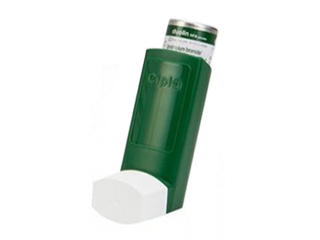
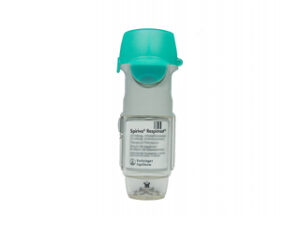
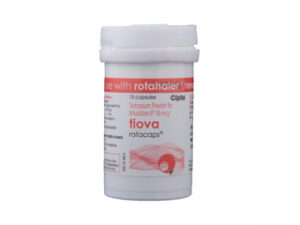
Tiova Inhaler (Tiotropium Bromide) — Patient Information (Australia)
Tiova Inhaler contains tiotropium bromide, a long-acting inhaled medicine used to help open the airways and make breathing easier. It is commonly prescribed in Australia for chronic obstructive pulmonary disease (COPD) and may also be used in some asthma management plans under specialist advice. This guide explains what Tiova Inhaler does, how it works, how to use it correctly, and what to expect.
If you have any questions about your treatment plan, check with your doctor or pharmacist. Never change your inhaler routine without advice from your healthcare professional.
Quick Overview
- Medicine: Tiotropium bromide
- Brand example: Tiova Inhaler
- Type: Long-acting muscarinic antagonist (LAMA), inhaled
- Used for: COPD (and in some cases asthma maintenance plans)
- Typical dosing: Once daily inhalation (exact regimen varies by device/prescription)
- Main benefit: Helps prevent airflow limitation and reduces breathlessness over time
What Is Tiova Inhaler?
Tiova Inhaler is an inhaled bronchodilator that works by relaxing muscles in the airways. Tiotropium helps reduce symptoms such as shortness of breath and can improve lung function and quality of life. Because it is long-acting, it is intended for maintenance (ongoing control), not immediate relief of sudden breathlessness.
Tiova Inhaler delivers tiotropium directly to the lungs, where it helps keep the airways open for longer periods. Many people use a separate “reliever” inhaler (for example, a short-acting bronchodilator) for sudden symptoms.
How It Works (Mechanism of Action)
Tiotropium bromide is a long-acting muscarinic antagonist (also called an anticholinergic). In the airways, nerve signals release acetylcholine, which binds to muscarinic receptors and can cause airway narrowing (bronchoconstriction).
Tiotropium blocks these muscarinic receptors, leading to:
- Bronchodilation: Relaxation of bronchial smooth muscle to help air move more easily
- Reduced airway resistance: Less narrowing and improved airflow
- Long-lasting effect: Designed to provide control over the day and night
Tiotropium does not act like an immediate “rescue” medicine. Instead, it helps prevent symptoms from returning throughout the day.
Pharmacokinetics (How the Body Handles Tiotropium)
“Pharmacokinetics” describes how the medicine is absorbed, distributed, metabolised, and eliminated. With inhaled tiotropium, most of the relevant drug movement occurs after it reaches the lungs and then some portion is absorbed into the bloodstream.
Absorption
- Local lung action: The primary effect is in the airways after inhalation.
- Systemic absorption: Some tiotropium is absorbed from the lungs and/or swallowed saliva, then enters circulation.
Distribution
- Tiotropium has a distribution profile that supports ongoing activity at muscarinic receptors.
- Because it is inhaled, higher local airway concentrations are achieved compared with oral use.
Metabolism
- Tiotropium is primarily excreted unchanged.
- Metabolism is limited compared with some other medicines.
Elimination
- Renal elimination: The kidneys play an important role in clearing tiotropium from the body.
- Long duration: Long-acting receptor binding helps maintain the effect over 24 hours.
Kidney function matters: If you have kidney impairment, your doctor may choose a dosing regimen carefully and monitor you for side effects.
Typical Use and Indications
Common Indications
Tiova Inhaler is used to manage chronic breathing problems where long-acting airway opening is beneficial, particularly:
- COPD (Chronic Obstructive Pulmonary Disease): Helps relieve symptoms and improve lung function; can reduce exacerbations for many patients.
- Asthma (selected cases): In some asthma treatment plans, a long-acting bronchodilator may be added for maintenance control under clinician guidance.
It is important to use Tiova Inhaler as part of an overall management plan, which may include other inhalers (such as corticosteroids and/or relievers).
When You Should Seek Help
Contact your healthcare professional promptly or seek urgent care if you have:
- Sudden worsening of breathlessness
- Chest pain, severe wheeze, or swelling of the face/throat
- Symptoms that do not improve with your usual reliever medicine
Dose and Timing (General Guidance for Patients)
The exact dose can depend on your device and your personal treatment plan. Many Tiotropium inhalers are used . Always follow the instructions given by your prescriber and the leaflet supplied with your product.
Typical timing
- Once daily: Choose a time you can keep consistently (for example, morning or evening).
- Try to take it at the same time each day to maintain steady control.
If you miss a dose
- Take it when you remember if it is not close to the next dose.
- If it is almost time for the next dose, skip the missed dose and resume your usual schedule.
- Do not use extra doses to make up for a missed one.
Note: Device-specific instructions may differ (including whether multiple puffs are required for a dose). Check your product packaging or ask your pharmacist to confirm how your device is used.
How to Use Tiova Inhaler Correctly (Practical Tips)
Correct inhaler technique is essential for medicines to reach the lungs. Even if you take the medicine at the right time, poor technique can reduce benefit and increase side effects.
Before you start
- Read the instructions that come with your inhaler.
- If possible, ask your pharmacist to observe your technique once.
- Ensure the mouthpiece is clean and the device is ready to use.
General inhalation steps
- Prepare: Sit upright or stand if comfortable.
- Exhale gently: Breathe out fully away from the mouthpiece.
- Seal your lips: Place the mouthpiece in your mouth and close your lips firmly around it.
- Inhale steadily: Breathe in through the mouth as directed by the device instructions.
- Hold your breath briefly: Hold your breath for the number of seconds recommended in the leaflet.
- Exhale slowly: Remove the mouthpiece and breathe out gently.
After using
- If your plan includes an inhaled steroid as well, consider rinsing your mouth after steroid doses (follow your plan).
- Check your inhaler schedule and refill plan before you run out.
Common technique issues to avoid
- Breathing in too quickly or too shallowly (may reduce lung delivery).
- Not holding your breath briefly after inhalation.
- Forgetting to inhale when the device is activated (if required by your device type).
- Using the inhaler with a dry, obstructed mouthpiece (keep it clean).
Food and Drink Interactions
Tiova Inhaler is administered by inhalation, so food interactions are generally not a major concern. Some tiotropium can be swallowed after inhalation (because of normal saliva movement), but the systemic exposure is typically low.
In most patients, it is safe to take Tiova Inhaler with or without food. However, always follow advice from your healthcare professional if you have additional conditions (such as kidney disease) or take many medicines.
Alcohol and Medicine Interactions
Alcohol
Moderate alcohol use is not usually expected to directly interfere with tiotropium. However, alcohol may affect breathing, sleep, and medication routines—especially in people with COPD. If alcohol worsens breathlessness or dizziness for you, discuss alternatives with your clinician.
Medicine interactions
Tiotropium acts on muscarinic receptors. The most relevant interaction considerations involve other medicines that have similar or complementary airway effects. Discuss your full medication list with a pharmacist if you use:
- Other anticholinergic medicines: Using more than one anticholinergic can increase the risk of side effects (such as dry mouth or constipation).
- Other bronchodilators: Long-acting or short-acting bronchodilators may be combined in COPD/asthma plans; your prescriber will ensure the regimen is appropriate.
- Medicines affecting heart rhythm: While tiotropium is not typically a direct rhythm-problem drug, any new symptoms should be reviewed.
A practical step: keep an up-to-date list of your medicines (including over-the-counter products and herbal remedies) and show it to your pharmacist.
Safety Profile and Possible Side Effects
Like all medicines, Tiova Inhaler can cause side effects, though not everyone experiences them. Most side effects are mild and improve as your body adjusts.
Common side effects
- Dry mouth
- Sore throat or throat irritation
- Cough
- Constipation or difficulty with bowel movements (anticholinergic effects)
- Headache or dizziness (reported by some patients)
Less common but important effects
- Urinary retention (more likely in people with prostate enlargement or bladder issues)
- Blurred vision or eye pain (see below)
- Allergic reactions (rash, swelling, difficulty breathing)
Eye safety (important)
Inhaled medicines can sometimes reach the eyes and trigger symptoms. Seek medical advice urgently if you experience:
- Eye pain
- Blurred vision
- Halos around lights
- Red eyes
When to get urgent help
- Severe allergic reaction: swelling of face/lips/tongue, hives, wheezing, or trouble breathing
- Rapidly worsening breathing or chest tightness not relieved by your reliever
- Significant difficulty urinating
Your pharmacist can also provide an information leaflet listing side effects and advice tailored to your product version.
Safety in Special Circumstances
Pregnancy and breastfeeding
If you are pregnant, trying to conceive, or breastfeeding, speak with your healthcare professional. They will weigh potential benefits and risks based on your individual condition.
Kidney impairment
Because tiotropium is partly cleared by the kidneys, people with reduced kidney function may require extra monitoring. Always tell your clinician if you have kidney disease or reduced kidney function.
Prostate/bladder conditions
If you have symptoms of urinary retention, an enlarged prostate, or bladder problems, discuss this with your pharmacist before using tiotropium.
Glaucoma
If you have glaucoma (especially narrow-angle glaucoma), let your healthcare professional know. Eye symptoms should be treated promptly.
What to Expect: Timing and How Quickly It Works
Tiotropium is long-acting, meaning it is designed for day-to-day control rather than immediate relief. Many people notice improved breathing over days as consistent dosing helps maintain open airways.
- Maintenance benefit: Use daily as planned, even if you feel well.
- Reliever still needed: For sudden breathlessness, follow your asthma/COPD action plan and use your reliever medication.
If you experience no improvement or your symptoms worsen, your treatment may need adjustment. Do not stop Tiova Inhaler without medical advice.
Alternative Options (Discuss with Your Clinician)
Treatment for COPD or asthma often depends on symptom severity, lung function, and exacerbation history. Alternatives may include other inhaled bronchodilators and anti-inflammatory medicines.
Other long-acting bronchodilators
- Other LAMAs (long-acting muscarinic antagonists)
- LABAs (long-acting beta2-agonists)
- LAMA/LABA combinations for some patients
Anti-inflammatory options (especially for asthma)
- Inhaled corticosteroids (ICS) as part of asthma maintenance plans
- ICS/LABA combinations may be used depending on the condition and severity
Your pharmacist can explain what alternatives might be suitable based on your current inhaler regimen and medical history.
Market and Legal Context for Australia (General Information)
In Australia, medicines are regulated by the Therapeutic Goods Administration (TGA). Inhaled medicines for COPD and asthma must comply with Australian regulatory standards for safety, quality, and performance. Tiotropium bromide inhalers are supplied through pharmacy channels and are intended for appropriate use as described in Australian product information.
Availability and brand presentation can vary. Pharmacy stock is typically dependent on manufacturer supply and the specific inhaler/device type.
Recent guidance (high-level)
Australian COPD and asthma management commonly emphasises:
- Using inhaled medicines correctly (inhaler technique checks)
- Maintaining long-term controller therapy for chronic symptoms
- Personalised treatment based on symptoms and exacerbation risk
- Regular review of symptoms, inhaler use, and side effects
Clinical pathways may update over time; your healthcare professional can advise what is current for your condition.
Delivery, Availability, and Ordering (Australia)
Online pharmacies in Australia typically offer delivery services to eligible postcodes and may provide standard or express options. Availability of Tiova Inhaler can depend on the specific strength/device and current stock levels.
- Check stock status: “In stock” items can usually dispatch quickly.
- Packaging: Inhalers are commonly supplied in manufacturer cartons with patient instructions.
- Delivery timeframe: Standard delivery times depend on the courier service.
If you need delivery by a specific date, contact customer support to confirm dispatch timing.
Storage and Handling
- Store at room temperature unless the product label says otherwise.
- Keep the inhaler in its packaging to protect from moisture and light if advised.
- Do not freeze.
- Keep out of reach of children.
- Check expiry date on the carton and do not use after expiry.
If your inhaler becomes damaged or you suspect it is not working properly, ask your pharmacist for advice.
Food, Breathlessness, and Lifestyle Support
Medication helps open the airways, but lifestyle measures often improve results in COPD and asthma:
- Smoking cessation: If you smoke, stopping is one of the most effective steps.
- Vaccinations: Ask your clinician about flu and pneumococcal vaccines for COPD risk reduction.
- Pulmonary rehabilitation (COPD): Exercise training and education can improve symptoms.
- Infection prevention: Hand hygiene and avoiding close contact with people who are unwell.
Always follow your personalised action plan for symptom flare-ups.
Table: Key Patient Facts
| Topic | What it means for you |
|---|---|
| Medicine type | Long-acting inhaled anticholinergic (LAMA) |
| Main purpose | Helps keep airways open and improves breathing over time |
| Typical timing | Often once daily; take at the same time each day |
| Relief for sudden symptoms | Not designed for immediate rescue—use your reliever as planned |
| Food interaction | Usually not significant; can be taken with or without food |
| Alcohol | Usually no direct interaction, but may affect breathing and routines |
| Key side effects | Dry mouth, throat irritation, constipation |
| Important warnings | Seek help for eye pain/blurred vision or signs of allergy |
| Kidney considerations | Renal function can affect clearance; monitoring may be needed |
FAQ — Tiova Inhaler (Tiotropium Bromide)
1) Is Tiova Inhaler a reliever or a preventer?
Tiova Inhaler is a maintenance/preventer medicine. It helps control symptoms over time, but it is typically not used for immediate relief of sudden breathlessness. Follow your COPD/asthma plan for a separate reliever inhaler.
2) How long will it take to work?
Some people notice breathing improvement gradually. The full benefit usually comes from consistent daily use. If you do not feel any improvement or you worsen, discuss with your healthcare professional.
3) Can I use Tiova Inhaler if I feel breathless right now?
If you are suddenly short of breath, use your reliever inhaler as directed in your action plan. Tiova Inhaler is generally for ongoing control rather than rescue treatment.
4) What should I do if I accidentally double the dose?
If you think you took more than your usual dose, contact a pharmacist or healthcare professional for advice. Keep the inhaler packaging available and mention the exact dose and time taken.
5) Can I take it with other inhalers?
Many people use Tiova Inhaler alongside other inhaled medicines (for example, relievers and/or inhaled steroids). Combination regimens should match your condition and symptom profile. Ask your pharmacist to review your inhaler schedule so you don’t mix up devices.
6) Are there interactions with antihistamines or cold medicines?
Some allergy and cold medicines can have anticholinergic effects. Using multiple anticholinergic-type products may increase side effects such as dry mouth, constipation, or urinary difficulties. If you plan to take over-the-counter products, ask your pharmacist what is suitable for you.
7) Will Tiova Inhaler dry out my mouth?
Dry mouth is a commonly reported anticholinergic side effect. Sip water, maintain good oral hygiene, and let your pharmacist know if it becomes troublesome. Seek advice urgently if you develop swelling or breathing difficulty.
8) What if I accidentally get it in my eyes?
If any inhaled medicine contacts your eyes and you develop eye pain, blurred vision, or halos around lights, seek urgent medical advice. Avoid inhalation techniques that direct spray/aerosol toward the face (follow device instructions).
9) Can children or teenagers use Tiova Inhaler?
Use in children depends on the specific condition and the product’s approved age indications. If this applies to your household, ask your paediatrician or pharmacist for advice based on the child’s age and diagnosis.
10) How should I dispose of my inhaler?
Follow local pharmacy or council guidance for inhaler disposal. Do not puncture inhalers or dispose of in a way that could be hazardous. Your pharmacist can provide practical instructions.
Need Help Using Your Inhaler?
If you are unsure about how to use Tiova Inhaler, or if your symptoms are not controlled, speak with a pharmacist. Small technique adjustments—such as inhalation speed, breath-hold time, and mouth sealing—can make a meaningful difference.
This information is general and does not replace advice from your healthcare professional. Always read the consumer medicine information provided with your product and follow your personalised care plan.