
Budesonide Inhaler (Budesonide) — Patient Guide (Australia)
Budesonide Inhaler is a medicine used to help control inflammation in the airways. It belongs to a group of medicines called corticosteroids (inhaled steroids). Inhaled budesonide works mainly in the lungs to reduce swelling and mucus, helping you breathe more comfortably and preventing flare-ups.
This guide explains how budesonide inhalers work, how they are typically used, safety information, practical tips, and what to discuss with your pharmacist or doctor. It is written for people in Australia and includes general information about market and regulatory context.
Quick facts
- Active ingredient: Budesonide
- Type: Inhaled corticosteroid (controller medicine)
- Main benefits: Reduces airway inflammation, improves asthma control, helps prevent symptoms and exacerbations
- Common uses: Asthma and other steroid-responsive airway conditions (as advised)
- Important: Not for rapid relief of sudden breathing attacks (a separate “reliever” inhaler is used for that)
- How long it takes: Some symptom improvement may be felt within days, but full benefit often takes longer
Basic product information
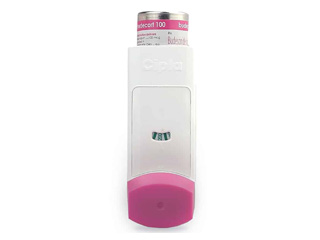
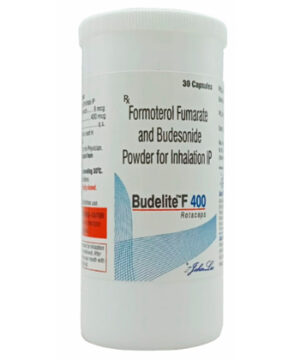
Budesonide inhalers come in different device types and strengths depending on the brand and the needs of the person using them. In Australia, you may see budesonide available as:
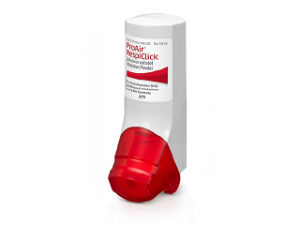
- Pressurised metered-dose inhalers (pMDIs)
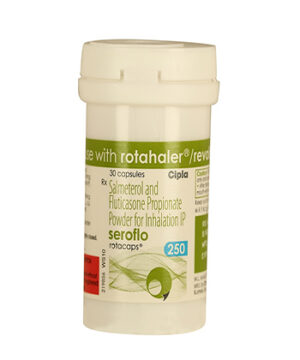
- Dry powder inhalers (DPIs) (where applicable for the specific product)
- Nebuliser solutions (some people use nebulisers rather than inhalers)
Your inhaler’s device type affects the correct technique. If you are unsure, ask your pharmacist for a demonstration with your own inhaler and spacer (if used).
How budesonide inhalers work (mechanism of action)
Airway symptoms in asthma and similar conditions are often driven by inflammation. Budesonide is a corticosteroid that:
- Reduces the activity of inflammatory cells in the airways
- Decreases inflammatory chemicals (mediators) that lead to swelling and mucus
- Improves airway responsiveness over time
- Helps prevent episodes of wheeze, cough, chest tightness and shortness of breath
Because budesonide acts on inflammation, it is considered a controller medicine rather than a quick “rescue” treatment.
Pharmacokinetics (how the body processes budesonide)
Pharmacokinetics describes what happens to a drug after it is used. With inhaled budesonide:
- Local lung effect: Most benefits come from the medicine acting in the airways after inhalation.
- Absorption: A portion deposits in the lungs and some may be swallowed and absorbed through the gastrointestinal tract.
- Metabolism: Budesonide is extensively metabolised in the liver (mainly by CYP enzymes) into metabolites with less activity than the original drug.
- Elimination: Metabolites are eliminated primarily by the kidneys and through other routes depending on individual factors.
- Onset and duration: Anti-inflammatory effects build over time; improvements may be gradual rather than immediate.
These properties support its role as a preventative medicine when used regularly as directed.
Typical uses and indications (what it may be used for)
Budesonide inhalers are used to control inflammation in the airways. Depending on your condition and the specific product, budesonide may be indicated for:
- Asthma — as a controller to reduce symptoms and risk of flare-ups
- Certain steroid-responsive chronic airway conditions — when advised by your healthcare professional
Your exact indication and dosing schedule depend on your age, symptom pattern, severity, and whether you are also using other inhalers.
How to use your budesonide inhaler (timing & routine)
1) Follow your action plan and device instructions
Many people do best when budesonide is taken consistently. Use the inhaler at the same times each day if this is how it has been prescribed.
2) Typical timing examples
Your dosing schedule can differ by product strength and personal plan. Common schedules include:
- Once daily (for some people and some strengths)
- Twice daily (morning and evening)
3) Not for immediate relief
Budesonide is not designed to rapidly stop sudden symptoms. If you have an asthma attack or sudden wheeze, follow your asthma action plan and use your reliever medicine (often a short-acting bronchodilator) as directed by your clinician.
4) If you miss a dose
If you forget a dose, take it when you remember unless it is close to the time of the next dose. Avoid doubling up. If you are unsure, ask your pharmacist for guidance based on your specific schedule.
Dose guidance (general information)
Important: Doses vary by product, device, strength, and the condition being treated. Always use the dose and schedule recommended for you.
Below is general guidance to help you understand dosing patterns; it is not a substitute for instructions on your product label or advice from your healthcare professional.
| Patient group (general) | Common use pattern | Notes |
|---|---|---|
| Adults | Often once or twice daily | Dose may be adjusted based on asthma control and risk of flare-ups |
| Adolescents/children | Often once or twice daily | Technique and device choice are especially important; spacers may be used with pMDIs |
| People using nebulisers (where applicable) | Multiple daily sessions may be used | Schedules depend on solution strength and prescribed regimen |
Your clinician may step up or step down dosing depending on symptom control. Do not change your dose without professional advice.
Practical use tips (getting the best effect)
Proper inhaler technique helps ensure the medicine reaches your airways. The tips below apply broadly; your device may have specific steps.
- Check your technique regularly: Ask your pharmacist to watch you use it.
- If using a pMDI: Many people benefit from a spacer to improve lung delivery and reduce medication deposited in the mouth and throat.
- Rinse and spit after inhalation: This can reduce the chance of mouth/throat side effects such as oral thrush and hoarseness. (Some people may also be advised to brush teeth or rinse with water.)
- Breathe correctly: Follow the inhalation steps for your exact device (slow deep inhale for many DPIs; quick steady inhale for pMDIs with correct coordination).
- Keep track of doses: Consider setting phone reminders if you have a twice-daily regimen.
- Use consistently: Regular use reduces symptoms over time; occasional use during symptoms may not achieve the same anti-inflammatory control.
If you experience persistent throat irritation or hoarseness, speak to your pharmacist—technique and after-use rinsing may help.
Mechanism-related safety considerations
Because budesonide is a corticosteroid, side effects are possible. However, inhaled therapy delivers medicine to the lungs with lower whole-body exposure than oral steroids when used correctly.
Risk of side effects can increase with:
- High doses
- Incorrect technique leading to more medicine in the mouth/throat
- Frequent or prolonged use without review
- Drug interactions that increase steroid levels
Safety profile and side effects
Common side effects
- Hoarseness or voice changes
- Throat irritation
- Oral thrush (candidiasis) — white patches or soreness in the mouth
- Cough or mild airway irritation right after inhalation
Less common but important risks
- Systemic corticosteroid effects (especially at higher doses): may include effects on growth in children, bruising, cataracts or changes in bone health
- Adrenal suppression (rare, more likely with high dose or long-term use, especially if previously on oral steroids)
- Eye problems in susceptible individuals (talk to your clinician if you have vision changes)
When to seek urgent help
Seek urgent medical attention if you develop:
- Severe difficulty breathing or an asthma attack that does not respond to your reliever
- Swelling of the face, lips, tongue, or throat, or widespread rash (possible allergy)
- Signs of severe infection (e.g., fever with worsening breathing symptoms)
Food interactions
For inhaled budesonide, food interactions are usually minimal because the medicine primarily acts in the lungs. However, the inhaled drug may be swallowed in small amounts, and overall exposure is still low when used as directed.
Practical guidance:
- There is typically no need to avoid specific foods.
- After-use rinsing helps reduce local side effects in the mouth and throat.
- If you are taking other medicines, your pharmacist can check for interactions overall.
Alcohol and medicine interactions
Alcohol
Alcohol does not usually have a direct interaction with inhaled budesonide at standard doses. However, alcohol may worsen asthma symptoms for some people (for example, by affecting sleep, reflux, hydration, or triggering symptoms).
If you notice that alcohol worsens your breathing or triggers reflux, consider avoiding it or discussing options with your healthcare professional.
Interactions with other medicines
Some medicines can affect how budesonide is metabolised, potentially increasing steroid exposure. Tell your pharmacist or doctor about all medicines you use, including:
- Antifungal medicines (some can increase steroid levels)
- Some antibiotics (depending on which one)
- HIV medicines (certain classes may interact)
- Oral corticosteroids or other steroid-containing medicines
- Diuretics and medicines that affect potassium balance (risk can vary depending on overall steroid dose)
If you start or stop any interacting medicine, ask whether your asthma controller plan should be reviewed.
Alternative options
Depending on your asthma severity and goals, there are alternative controller options. Your clinician may adjust therapy based on control, side effects, device preference, and the presence of triggers.
Common alternatives
- Other inhaled corticosteroids (e.g., fluticasone, beclomethasone, ciclesonide)
- Inhaled corticosteroid + long-acting bronchodilator combinations for better control in some people
- Leukotriene receptor antagonists (tablet options for some individuals)
- Biologic therapies for severe asthma in selected patients (managed by specialists)
If you change from budesonide to another inhaled medicine, you may need a new plan for timing and technique. Do not switch without professional guidance.
Recent guidance and care considerations (Australia)
In Australia, asthma management commonly follows evidence-based stepwise care principles: start with appropriate controller therapy and then adjust (“step up” or “step down”) based on control and risk of future flare-ups. Inhaled corticosteroids remain a cornerstone for people who need controller treatment.
Points often emphasised in current care approaches include:
- Using a reliever correctly for quick relief, alongside controller therapy
- Regular review of inhaler technique and adherence
- Minimising steroid exposure when possible while maintaining control
- Managing triggers (allergens, smoke, viral infections, exercise, reflux)
Your healthcare team can tailor your regimen to your symptoms, history of flare-ups, and personal risk factors.
Delivery, dosage form, and availability in Australia
Budesonide inhalers are commonly supplied through Australian pharmacy channels. Availability depends on the brand, device type (pMDI vs DPI), strength, and whether a nebuliser solution form is used instead.
When ordering online, you may see different pack sizes and strengths. Before purchase, check that:
- The strength matches what you need
- The device type matches your technique (pMDI vs DPI, and whether you use a spacer)
- The dose schedule aligns with your care plan
- The expiry date is suitable
Delivery times vary by pharmacy and location. For time-sensitive needs (e.g., if your inhaler is nearly empty), consider ordering early or asking about express delivery options.
Market and legal context in Australia
In Australia, medicines are regulated through the Therapeutic Goods Administration (TGA) and listed in accordance with Australian medicines legislation. Many inhaled medicines are supplied through pharmacies under pharmacy supply arrangements.
Availability on an online pharmacy platform may depend on the specific product category, required checks, and local regulatory requirements. Always use the medicine exactly as labelled and follow the guidance of your healthcare professional.
Frequently Asked Questions (FAQ)
1) Is budesonide inhaler the same as a “reliever” inhaler?
No. Budesonide is a controller medicine that reduces inflammation over time. Most reliever inhalers provide quick bronchodilation for sudden symptoms. Use your reliever for acute symptoms as advised in your asthma action plan.
2) How long does it take to work?
Some people notice improvement within days, but full anti-inflammatory benefit often takes longer. Using it consistently, as directed, is important even when you feel better.
3) Should I stop budesonide when I feel well?
Do not stop suddenly unless your clinician tells you to. Many asthma patients benefit from ongoing control therapy. Stopping can increase the risk of worsening symptoms.
4) Can I use my inhaler with a spacer?
If you use a pressurised metered-dose inhaler (pMDI), a spacer is commonly recommended to improve delivery and reduce mouth deposition. Use a spacer compatible with your inhaler and follow the device instructions.
5) How do I reduce the risk of thrush?
Rinse your mouth and spit after each dose. Also use correct inhaler technique and ensure you inhale as instructed for your device type.
6) What should I do if my inhaler technique is not correct?
Technique errors are common and can reduce effectiveness. Ask your pharmacist for hands-on coaching. If your inhaler or spacer is new, request a demonstration.
7) Will budesonide affect my growth in children?
At recommended doses, inhaled corticosteroids are generally considered safe, but growth should be monitored for children using controller therapy. If you have concerns, discuss them with your child’s healthcare professional.
8) Are there long-term risks?
Long-term use may carry risks typical of corticosteroids, but inhaled delivery lowers overall exposure compared with oral steroids. The goal is to use the lowest effective dose to maintain control, with regular review.
9) Can I take other medicines while using budesonide?
Many people take other medicines without issues, but interactions are possible. Tell your pharmacist about all medicines (including antifungals, antibiotics, and HIV medicines) to check for potential interactions.
10) Does alcohol interfere with budesonide?
Alcohol usually does not directly interact with inhaled budesonide. However, it can trigger or worsen symptoms in some people, especially if it affects reflux or sleep. Use your own symptom experience to guide choices.
Summary
Budesonide inhaler is an inhaled corticosteroid designed to control airway inflammation. When used correctly and consistently, it helps improve breathing and reduce the likelihood of asthma flare-ups. Key steps for best results include correct inhaler technique, considering a spacer for pMDIs, rinsing and spitting after use, and following your asthma action plan (including reliever use for sudden symptoms).
If you have questions about your inhaler, device technique, timing, or side effects, your local pharmacist can help you get the most from your treatment.