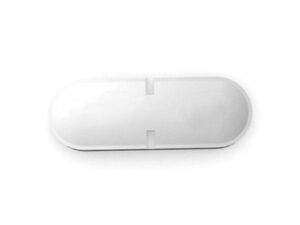


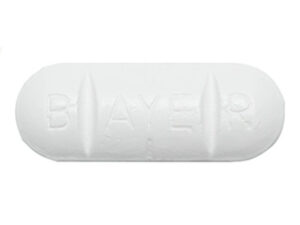
Albenza (Albendazole) – Patient Information (Australia)
Albenza contains albendazole, an anti-parasitic medicine used to treat certain infections caused by worms (helminths) in the body. It works by stopping the parasite’s ability to use energy, helping your immune system clear the infection.
This guide is designed to be clear and practical for everyday use in Australia. It covers what Albenza does, typical uses, how it is taken, safety information, and common questions.
Basic product information
| Feature | Information |
|---|---|
| Medicine name | Albenza |
| Active ingredient | Albendazole |
| Common dosage form | Oral tablets (strength varies by product presentation) |
| Type | Anthelmintic (anti-parasitic) |
| How it is used | Usually taken for a defined number of days, depending on the parasite and site of infection |
Note: Always check the strength on your specific pack and follow the dosing instructions provided with your product. Different worm infections can require different schedules.
How Albenza works (mechanism of action)
Albendazole belongs to the benzimidazole group of medicines. It works mainly by:
- Blocking parasite energy production: Albendazole inhibits beta-tubulin, disrupting microtubule formation in the parasite.
- Impairing nutrient uptake and cellular transport: Without functional microtubules, the parasite can’t absorb glucose effectively.
- Leading to parasite death or inability to reproduce: This helps reduce the parasite burden and allows the body to clear the infection.
In many worm infections, albendazole is taken for a short course. In some long-term or complex cases (for example, certain larval infections), longer treatment and monitoring may be needed.
Pharmacokinetics (absorption, distribution, metabolism, elimination)
Understanding how the medicine moves through the body can help you take it correctly.
- Absorption: Albendazole absorption from the gut can be variable. Taking it with food can increase absorption for many people.
- Metabolism: Albendazole is metabolised in the liver to its active metabolite, mainly albendazole sulfoxide.
- Distribution: The active metabolite can reach different body tissues. This is important because some parasites live in tissues rather than the intestine.
- Elimination: Metabolites are eliminated primarily via the bile and urine pathways.
Practical takeaway: For best effect, follow food instructions closely and complete the full course even if you feel better early.
Typical uses and indications
Albenza is used to treat infections caused by certain parasites (worms). Indications can vary by country and by the availability of specific dosing schedules. Common uses include:
- Intestinal nematode and tapeworm infections (depending on the specific organism and local treatment guidance)
- Echinococcosis (hydatid disease) and related infections caused by Echinococcus species—this often requires specialist management
- Neurocysticercosis (larval Taenia solium infection affecting the brain)—typically specialist-led and may require additional medicines
- Other specific helminth infections where albendazole is a recommended therapy based on the parasite type and location
Important: The correct dose depends on the organism and the site of infection (gut vs. tissue). If symptoms are severe or you’re unsure what parasite you may have, confirm the diagnosis with a clinician or appropriate testing before starting.
When and how to take Albenza (timing)
Many people take albendazole as a course of tablets over several days. The exact schedule differs by infection.
General timing tips:
- Take it at the same time each day during your course to help you remember.
- Do not stop early even if symptoms improve—parasites can persist despite symptom relief.
- Finish the full course as directed for the specific infection.
- If vomiting occurs shortly after a dose: contact a pharmacist or clinician for advice (timing matters).
If you miss a dose: take it as soon as you remember unless it is close to the next dose. Do not take double doses to “catch up.”
Food interactions and absorption
Food can affect how well albendazole is absorbed.
- Taking with food: Many regimens advise taking albendazole with meals because absorption may be improved.
- High-fat meals: Some evidence suggests fat-containing meals can further enhance absorption in some circumstances.
- Consistency: If your pack or instructions advise “with food,” try to take it consistently with meals each day.
Practical example: If you’re instructed to take it with food, choose a meal you can reliably manage (breakfast or dinner) and take the tablet with that meal daily.
Alcohol interactions
There is no universally required rule that you must avoid alcohol with albendazole for every patient, but alcohol can increase the risk of liver strain and may make side effects more likely (such as dizziness or nausea).
Safer approach:
- Limit or avoid alcohol during treatment, especially if you have known liver problems.
- If you drink, consider keeping it to small amounts and monitor how you feel.
If you develop symptoms such as unusual fatigue, right upper abdominal discomfort, dark urine, or yellowing of the eyes/skin, seek medical advice promptly.
Medicine interactions (including common ones)
Albendazole can interact with some medicines, mainly those affecting liver enzymes or those with overlapping side effect profiles.
Tell a pharmacist or clinician if you take:
- Some antiseizure medicines (e.g., carbamazepine, phenytoin, phenobarbital), which may reduce albendazole levels or affect metabolism.
- Certain medicines for fungal infections that may affect liver metabolism (examples vary).
- Other medicines that can affect the liver, including some long-term antibiotics or immunosuppressants.
- Medicines that cause low blood counts or are associated with bone marrow effects.
- Oral anticoagulants (e.g., warfarin): in some cases, monitoring may be needed due to changes in coagulation status or liver metabolism.
Herbal and supplement interactions: Some herbal products and supplements can affect liver enzymes. Include them when discussing medicines you use.
Always check: Interaction severity can depend on your health conditions, dose, and duration of treatment.
Dosing (general guidance)
Dosing for Albenza depends on the type of parasite infection and the location of infection. Common regimens include short courses for some intestinal infections and longer courses for certain tissue infections.
General considerations:
- Follow the schedule for your specific diagnosis.
- Age and weight may influence dosing, especially in children.
- Longer courses may require blood tests to monitor safety.
- Some infections may require repeat dosing (for example, scheduled follow-ups).
Because dosing varies widely, this site information does not replace the dosing instructions specific to your infection and product strength. If your pack instructions are different from what you were told, confirm with a pharmacist before starting.
Safety profile and side effects
Most people tolerate albendazole well, particularly for short treatment courses. However, side effects can occur, and certain infections may require longer treatment that increases the need for monitoring.
Common side effects
- Nausea
- Abdominal pain or cramps
- Headache
- Dizziness
- Diarrhoea
- Fatigue
Less common but important side effects
- Changes in liver function (more relevant with longer courses)
- Changes in blood counts (e.g., low white blood cells), especially with extended therapy
- Skin reactions (rash, itching)
Seek urgent medical advice if you get
- Signs of allergy: swelling of the face/lips, difficulty breathing, severe rash
- Severe or worsening symptoms: persistent vomiting, severe abdominal pain
- Possible liver problems: yellow eyes/skin, dark urine, severe right-sided upper abdominal pain
Special safety considerations
- Pregnancy: Albendazole may not be suitable in early pregnancy. Use careful contraception and follow medical guidance if there is any chance of pregnancy.
- Breastfeeding: Discuss with a pharmacist or clinician if you are breastfeeding.
- Children: Use age-appropriate dosing and guidance; some regimens differ by age.
- Liver disease: Longer courses or higher risk patients may need closer monitoring.
Practical tips for safe, effective use
- Complete the full course even if you feel better.
- Take with food if your instructions say so—this can improve absorption.
- Use a calendar or phone reminder to avoid missed doses.
- Consider household hygiene measures: Parasites can spread. Wash hands, keep nails short, and follow advice for laundering bedding/clothing if relevant to your infection.
- Track symptoms: Note changes in abdominal discomfort, bowel habits, or any neurologic symptoms (such as headaches or seizures). Seek advice if symptoms worsen.
- Plan follow-up: Some infections require repeat testing or scheduled follow-up doses.
- Avoid sharing: Do not use others’ tablets. Ensure correct dosing for the person and infection.
What to expect during treatment
How quickly symptoms improve varies depending on the parasite and your body’s response. Some people feel better after a few days, while others may notice improvement later.
During treatment, mild gastrointestinal symptoms can occur. However, severe or persistent symptoms should be assessed promptly.
Alternative treatment options
Depending on the specific parasite, doctors and guidelines may use other anti-parasitic medicines. Alternatives may include:
- Mebendazole (another benzimidazole option for some intestinal worm infections)
- Praziquantel (often used for certain tapeworm infections)
- Ivermectin (used for specific parasitic infections such as scabies and certain helminths)
- Other targeted therapies for specific tissue infections
Why alternatives matter: Different parasites respond to different medicines, and the required duration can vary. If you’re not sure which organism you have, testing and clinical advice can help ensure you receive the most effective option.
Albenza in the Australian market: legal and guidance context
In Australia, medicines are regulated under the Therapeutic Goods Administration (TGA). Access to medicines depends on the product classification and prescribing/dispensing requirements at the time of supply.
Key points:
- Quality and regulation: Approved products in Australia must meet TGA requirements for quality, safety, and efficacy.
- Pharmacist support: Community pharmacists can guide you on how to take albendazole safely, what side effects to watch for, and possible interactions with your current medicines.
- Public health guidance: For certain parasites, local health services and guidelines may recommend specific dosing schedules, household measures, or follow-up testing.
Recent guidance note: Treatment recommendations can evolve as local public health advice and clinical evidence updates occur. Always follow the dosing and monitoring approach advised for your specific infection and health situation in Australia.
Delivery and availability (online pharmacy)
Availability can vary depending on stock levels and product presentation. Many online pharmacies aim to provide prompt dispatch and tracking for eligible areas.
Typical online ordering experience may include:
- Order processing: packaging and dispatch after verification where required
- Delivery timeframes: depend on location and courier service
- Packaging: tablets are typically supplied in original manufacturer packaging
- Tracking: dispatch notifications may include tracking details
For best outcomes: Check delivery cut-off times, ensure someone is available to receive the parcel if needed, and store the medicine as directed on the pack.
Storage advice
- Store tablets in their original packaging.
- Keep at the temperature conditions stated on the pack (commonly below 25°C unless otherwise noted).
- Keep out of reach of children.
- Do not use after the expiry date printed on the carton.
FAQ – Frequently asked questions
1) What is Albenza used for?
Albenza (albendazole) is used to treat infections caused by certain parasitic worms. The exact indication depends on the parasite (and often where it lives in the body, such as the intestine or tissues).
2) How long does Albenza take to work?
Symptom improvement can occur within days for some intestinal infections, but complete clearing of the parasite may take longer. For tissue infections or complex cases, treatment duration may be longer and may require follow-up assessments.
3) Should I take Albenza with food?
If your instructions say to take it with food, it’s recommended. Food can improve absorption. Try to be consistent with meal timing during your treatment course.
4) Can I drink alcohol while taking albendazole?
It’s generally safer to limit or avoid alcohol during treatment, particularly if you have any liver-related risk. If you do drink, keep it moderate and stop if you feel unwell. Seek medical advice for symptoms of liver problems.
5) What if I miss a dose?
Take it when you remember if it’s not too close to the next dose. Don’t take double doses to compensate. If you are unsure, ask a pharmacist.
6) Are there side effects I should watch for?
Common effects include nausea, abdominal discomfort, headache, and dizziness. Seek urgent help for severe rash, breathing difficulty, signs of allergy, or possible liver problems such as yellow skin/eyes or dark urine—especially if you’re on a longer course.
7) Does Albenza interact with other medicines?
Yes, some medicines may affect albendazole metabolism or increase side-effect risk. Tell your pharmacist about all medicines you take, including prescription medicines, non-prescription products, and supplements.
8) Is Albenza safe for children?
Albendazole can be used in children for certain infections, but dosing depends on age and weight and the specific parasite. Use only the dosing schedule appropriate for your child’s situation and follow pack instructions.
9) Can Albenza be used in pregnancy?
Albendazole may not be appropriate in early pregnancy. If pregnancy is possible, discuss options with a healthcare professional before use and use effective contraception as advised.
10) How can I prevent reinfection?
Prevention measures depend on the parasite type, but often include good hand hygiene, avoiding sharing towels, laundering bedding/clothing where relevant, and treating close contacts when recommended by local health guidance.
Summary
Albenza (albendazole) is an anti-parasitic medicine used to treat specific worm infections in Australia. It works by disrupting parasite energy and cellular processes. Taking it with food can improve absorption for many people, and completing the full course is important for success.
If you have complex symptoms, a suspected tissue infection, existing liver problems, or you’re taking other medicines, ask a pharmacist for tailored advice. Always consult the relevant product pack and local guidance for your specific situation.