
Praziquantel (Praziquantelum) — Patient Guide (Australia)
Praziquantel is an antiparasitic medicine used to treat several types of parasitic worm infections. It works by damaging the parasites so they can no longer survive in the body, allowing them to be cleared. This guide is written to help you understand what praziquantel is, how it works, when it’s used, and how to take it safely.
Important: Always follow the directions provided with your medicine and the advice of your healthcare professional. Parasitic infections can differ in type and severity, and the best dose can depend on the specific diagnosis, age, weight, and overall health.
Basic product information
| Item | Details |
|---|---|
| Generic name | Praziquantel |
| Common uses | Schistosomiasis (flukes/worms), and other trematode (fluke) infections |
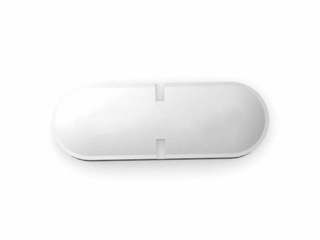
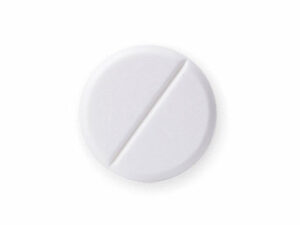
| Medicinal form | Tablets (varies by brand) |
| How it works | Causes parasite muscle dysfunction, leading to death and removal |
| Typical dosing schedule | Often a single dose or split dose depending on infection type |
Mechanism of action (how praziquantel works)
Praziquantel targets flatworm parasites (trematodes and some related species). It primarily works by affecting calcium movement within the parasite’s cells. This leads to:
- Spasms and muscle paralysis: The parasite’s muscles contract abnormally and then become unable to function.
- Damage to the outer surface: The parasite’s protective covering can be disrupted, making it vulnerable.
- Death and clearance: The damaged parasites are then killed and cleared from the body.
Praziquantel is particularly effective against many adult worm stages, though effectiveness can vary depending on parasite species and whether immature forms are present.
Pharmacokinetics (absorption, distribution, metabolism, elimination)
Pharmacokinetics describes what the body does to a medicine. Understanding these processes can help explain timing and side effects.
Absorption
- Oral absorption: Praziquantel is taken by mouth and is absorbed from the gastrointestinal tract.
- Food may help absorption: Taking it with food can increase absorption and improve effectiveness for some patients.
Distribution
- Widespread distribution: Praziquantel reaches various tissues, allowing it to act on parasites in different sites.
Metabolism
- Metabolised in the liver: The medicine is primarily metabolised by liver enzymes.
Elimination
- Excreted mainly in urine: Metabolites are largely eliminated through the kidneys.
Because praziquantel is processed by the liver, liver function can influence how the medicine behaves in the body. If you have liver disease, discuss this with a clinician before using praziquantel.
Typical use and indications
Praziquantel is used to treat infections caused by specific parasitic worms, including:
- Schistosomiasis (bilharzia): infections caused by Schistosoma species (commonly affecting urinary or intestinal tracts).
- Other trematode (fluke) infections: certain infections caused by blood flukes or intestinal/liver flukes.
- Some tapeworm-related infections: While praziquantel is famous for flukes and schistosomiasis, activity against certain cestodes (tapeworms) may be relevant depending on local recommendations and the parasite involved.
The best regimen depends on the exact parasite. If you’re unsure of the diagnosis, ask your healthcare professional what species you’re treating and whether additional testing or follow-up is planned.
Timing: when to take praziquantel
Timing can vary based on the infection being treated. However, general guidance includes:
- Follow the schedule on your medicine instructions: Some treatments are single-dose, while others are split into two doses.
- Take with food if advised: Many people are instructed to take praziquantel with meals to improve absorption.
- Complete the full course: Even if you start to feel better, finish the prescribed schedule for the infection.
If you miss a dose, seek advice from a pharmacist or clinician rather than doubling up automatically. The correct response depends on how far past the scheduled time you are.
Food interactions (what to eat and avoid)
Food effects can influence how much praziquantel is absorbed. In many cases, taking praziquantel with a meal can increase absorption.
- Recommended: Take with food if this is how your instructions indicate.
- Not usually a strict “avoid”: There are generally no common food “bans,” but consistency matters.
- Gastrointestinal upset: If you get nausea, taking the medicine with food and staying hydrated can help.
If you have a sensitive stomach, consider small, easily tolerated meals and avoid very greasy foods if they worsen nausea. Always follow your specific product directions.
Alcohol and medicine interactions
Alcohol
There is no universally required “no alcohol” rule for praziquantel, but alcohol may worsen side effects such as:
- dizziness or drowsiness
- nausea or vomiting
- headache
- dehydration
For the safest approach, it’s sensible to avoid or limit alcohol around the time you take praziquantel, especially if you feel unwell.
Other medicines
Praziquantel is metabolised in the liver. Medicines that strongly affect liver enzymes may change praziquantel levels. Speak with a pharmacist or clinician if you take any regular medicines, especially:
- Antiseizure medicines (some can reduce praziquantel levels)
- Some antibiotics/antifungals (may alter metabolism)
- Medicines for HIV (some antiretrovirals can change levels)
- Certain medicines affecting liver enzyme activity
A pharmacist can check for interactions with your specific regimen. Provide them with a full list, including over-the-counter products and herbal supplements.
Dosing: general principles (Australia)
Dosing varies by the parasite type, patient weight, and whether the infection involves urinary, intestinal, or other sites. In many regimens for schistosomiasis, dosing is calculated by body weight and may be administered as:
- Single-dose treatment, or
- Split-dose treatment given on the same day
Always use the dose provided with your medicine. Doses are typically measured in milligrams (mg) per kilogram (kg) of body weight for many parasitic treatments.
How clinicians decide the dose
- Type of parasite and stage: adult worms vs immature forms
- Site of infection: urinary vs intestinal vs other
- Patient factors: age, weight, liver function, and overall health
- Whether follow-up treatment may be needed (for some parasites)
What to do if you have liver problems
Because praziquantel is processed by the liver, clinicians may adjust treatment plans if you have significant liver disease. If you have jaundice, hepatitis, or elevated liver enzymes, seek medical advice before using praziquantel.
Safety profile: side effects and precautions
Most people tolerate praziquantel reasonably well. Side effects are often short-lived and may relate to parasite “die-off” or temporary effects on the body.
Common side effects
- nausea
- abdominal discomfort or pain
- diarrhoea
- headache
- dizziness
- fatigue
- feeling flushed
Less common but more serious reactions (seek urgent help)
- Severe allergic reaction: swelling of the face/lips, trouble breathing, widespread rash
- Severe or worsening neurologic symptoms: severe dizziness, confusion, fainting, seizures
- Significant vomiting or inability to keep fluids down
- Very high fever or marked worsening of symptoms
If you experience severe symptoms, seek urgent medical care. For mild side effects, supportive care such as rest, hydration, and taking the medicine with food (if appropriate) may help.
Special populations
- Children: dosing is weight-based; safety and dosing depend on age and infection type.
- Pregnancy: use in pregnancy depends on risk–benefit for the specific infection; discuss with a clinician.
- Breastfeeding: advice may vary depending on timing and infection severity; seek medical guidance.
- Liver impairment: may require caution or adjustment.
Never start praziquantel without appropriate advice if you are pregnant, breastfeeding, or treating a young child. Parasitic infections can be medically important and may require follow-up testing.
Practical use tips (how to take it safely)
- Take with food if directed to improve absorption and reduce nausea.
- Stay hydrated, especially if you have diarrhoea or vomiting.
- Plan for rest on the day of dosing if you tend to feel dizzy or tired.
- Avoid driving if you feel dizzy, drowsy, or unsteady.
- Keep track of timing if doses are split across the day—use your phone’s timer.
- Don’t stop early unless advised—completing the schedule helps ensure treatment success.
For many parasitic infections, symptoms can initially worsen as the parasite dies. This doesn’t always mean treatment has failed, but it can be uncomfortable. If symptoms become severe or you develop new concerning signs, contact a healthcare professional promptly.
Follow-up and treatment outcomes
Treatment success often requires follow-up testing, because infection may not fully clear immediately. Some parasites have life cycles with stages that are not eliminated by a single dose.
- Possible repeat dosing: some conditions may require another dose later.
- Testing: stool or urine testing is sometimes used to confirm clearance.
- Symptom monitoring: track symptoms like blood in urine/stool, abdominal pain, fever, or skin changes.
Your clinician or treating service can advise the ideal follow-up plan based on the parasite and initial test results.
Alternative options (depending on the parasite)
There is no single “one-size-fits-all” antiparasitic. Alternative medicines depend on the specific parasite:
- For some tapeworm infections: other antiparasitics such as albendazole or niclosamide may be used, depending on species and site.
- For certain nematode (roundworm) infections: medicines like mebendazole or ivermectin may be considered.
- For some lung fluke infections: other agents may be used depending on local guidance.
- For malaria: medicines are different from those used for worms (not an alternative to praziquantel for schistosomiasis).
If you’re unsure which medicine fits your infection, ask your pharmacist or clinician what parasite has been identified. The correct choice is determined by diagnosis, not just symptoms.
Market and legal context in Australia
In Australia, medicines are regulated under the Therapeutic Goods Administration (TGA) framework. Availability and supply conditions depend on product classification, indications, and prescriber requirements.
Praziquantel may be supplied in different ways depending on the specific product and the infection being treated. When purchasing through an online pharmacy, you may be asked to complete an eligibility check or provide relevant health information. This helps ensure appropriate use and safe supply.
Australia also has public health guidance for people who have travelled internationally or who may have exposure risks. If you suspect schistosomiasis or another worm infection, it’s recommended to seek medical advice for diagnosis and appropriate treatment.
Recent guidance and public health considerations
Recommendations can evolve based on emerging resistance patterns, updated diagnostic approaches, and guidance from health authorities. In general, clinicians and specialist services focus on:
- Correct parasite identification: treatment choice and dosing depend on the species
- Assessing risk of complications: for example, urinary tract or intestinal involvement
- Follow-up testing: because cure can require more than one treatment cycle for some life stages
- Co-management of symptoms: controlling pain, nausea, or inflammation as needed
If you have recently returned from travel or have ongoing symptoms, contact a healthcare professional for advice tailored to your situation.
Delivery and availability (online pharmacy)
Availability can vary by brand and stock levels. When ordering online, you may be prompted to confirm:
- the correct strength and dosing instructions
- your age and/or weight category (where relevant)
- any key safety factors (such as liver disease)
- whether your intended use matches the medicine’s indication
Delivery: Most online pharmacies offer tracked shipping within Australia. Delivery timeframes depend on location and order processing. Check the product listing for current dispatch estimates.
Storage: Keep tablets in their original packaging and store at room temperature unless the label says otherwise. Protect from moisture and avoid storing in the bathroom.
FAQ: Praziquantel
1) What is praziquantel used for?
Praziquantel is used to treat certain parasitic worm infections, especially schistosomiasis and other fluke (trematode) infections. The exact indication depends on the parasite species.
2) How quickly will it work?
Some symptoms may begin to improve within days, but complete clearance may take longer. Follow-up testing may be recommended to confirm cure, especially for schistosomiasis.
3) Should I take it with food?
Often, yes—taking praziquantel with food can improve absorption and reduce stomach upset. Follow the instructions supplied with your medicine.
4) Can I drink alcohol while taking praziquantel?
It’s best to limit alcohol around the time you take praziquantel, as alcohol can worsen dizziness, nausea, and dehydration. If you choose to drink, do so cautiously and consider avoiding it until you feel well.
5) What if I vomit soon after taking a dose?
If you vomit shortly after taking praziquantel, the dose may not have been fully absorbed. Contact a pharmacist for advice—what to do next depends on how soon you vomited.
6) Are there any medicines I must avoid?
Some medicines can affect praziquantel metabolism. Always provide your full medicine list (including supplements and herbal products) to a pharmacist or clinician to check for interactions.
7) What side effects are normal?
Common side effects include nausea, abdominal discomfort, headache, dizziness, and tiredness. These are often temporary. Seek medical help if symptoms are severe or you develop signs of an allergic reaction.
8) Will I need a repeat dose?
Sometimes, depending on the infection and parasite life cycle. Your clinician will advise whether follow-up or repeat dosing is needed.
9) Is praziquantel safe for children?
It can be used in children, but dosing is weight-based and depends on the infection type. Children should only receive praziquantel with appropriate medical guidance.
10) When should I seek urgent medical care?
Seek urgent care for breathing difficulty, facial/lip swelling, severe rash, seizures, severe confusion, persistent high fever, or severe worsening symptoms.
Summary
Praziquantel is a widely used antiparasitic medicine for infections caused by certain flukes, including schistosomiasis. It works by disrupting parasite muscle and protective surface function, leading to parasite death and clearance. Taking it with food (as directed) can improve absorption and reduce nausea, and completing the full dosing schedule is essential.
If you have questions about the correct dose, timing, interactions, or whether follow-up testing is needed, consult a pharmacist or healthcare professional. Parasitic infections can be medically important, and guidance should be tailored to your specific diagnosis.