

Albendazole (Tablet) — Patient Information (Australia)
Albendazole is an anthelmintic medicine used to treat infections caused by parasitic worms (helminths). It is used for several worm infections affecting the gut and, in some cases, the tissues. This guide explains how albendazole works, how it’s used, what to expect, and important safety considerations for people in Australia.
Please read this information carefully and follow the directions provided by your healthcare professional or pharmacist. If you are unsure which infection you have or which dose is suitable, speak with a pharmacist.
Basic Product Information
- Medicine name: Albendazole
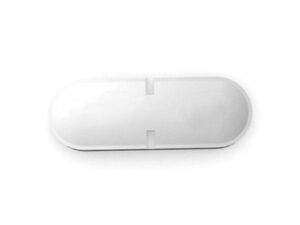
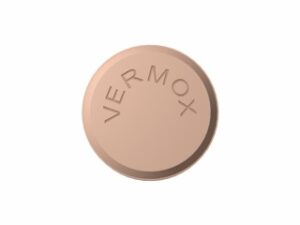
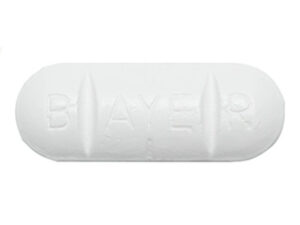
- Common form(s): Tablets (brand and strength vary by supplier)
- Medicinal class: Anthelmintic (anti-parasitic)
- Common uses: Treatment of intestinal worms and certain tissue infections
- Who it’s for: Depends on the specific infection, age, and dosing regimen
Important note: In many settings, access to albendazole for specific indications may depend on local availability and clinical assessment. Your pharmacist can advise the most appropriate product and regimen.
How Albendazole Works (Mechanism of Action)
Albendazole works by targeting key processes inside the parasite:
- Disrupts microtubule formation: Albendazole binds to beta-tubulin in the parasite, preventing normal microtubule development.
- Reduces glucose uptake: By interfering with energy metabolism, it impairs the parasite’s ability to absorb glucose.
- Stops worm survival and reproduction: The result is degeneration and death of susceptible worms.
Albendazole is effective against a range of worm species. The exact dosing depends on the type of parasite and the site of infection (intestinal vs tissue).
Pharmacokinetics (How the Body Handles It)
Pharmacokinetics describes how the medicine is absorbed, distributed, metabolised, and eliminated.
- Absorption: Albendazole has variable oral absorption. Taking it with food may increase absorption (see Food interactions).
- Metabolism: It is metabolised in the liver to its active metabolite, albendazole sulfoxide.
- Distribution: The active metabolite can distribute to various tissues, which is relevant for tissue-dwelling infections.
- Elimination: Metabolites are excreted primarily via the bile and urine.
- Effect of treatment duration: Longer courses may require additional monitoring, particularly of liver function (your clinician/pharmacist may advise tests).
Typical Use in Australia
Albendazole is commonly used to treat certain intestinal worm infections. It may also be used for some tissue infections as guided by specialist care. The dosing schedule differs by infection type.
Commonly treated conditions include:
- Ascariasis (roundworm)
- Enterobiasis (threadworm)
- Hookworm infections
- Trichuriasis (whipworm)
- Tapeworm infections (specific types may require specific regimens; tissue involvement needs extra caution)
- Other helminth infections under clinical guidance
Not effective for: Albendazole is designed to treat worms and does not treat bacterial infections or viruses.
Indications (When Albendazole Is Used)
Albendazole may be indicated for:
- Intestinal helminth infections caused by susceptible worms.
- Certain tissue helminth infections where benefits outweigh risks and where treatment plans may include additional medicines and monitoring.
Because different parasites require different dosing durations and precautions, always confirm the likely parasite and regimen with a qualified health professional.
Dosing (Typical Adult and Paediatric Approach)
Dosing varies based on the worm species, patient age/weight, severity, and whether it’s intestinal or tissue involvement.
General dosing principles:
- Follow the specific regimen for your diagnosis.
- Do not self-adjust the dose or duration.
- Paediatric dosing often uses body weight and age-specific guidance.
- Repeat dosing may be required for certain parasites (for example, threadworm is often managed with repeat doses and hygiene measures).
Below is an illustrative dosing overview for common intestinal worm infections. Your pharmacist or clinician can confirm the correct dosing for your situation and product strength.
| Infection (example) | Typical dosing approach | Notes |
|---|---|---|
| Threadworm (Enterobius) | Often a single dose with repeat dosing after about 2 weeks | Household hygiene and, sometimes, treating close contacts may be advised to reduce reinfection. |
| Roundworm (Ascaris) | Often single-dose therapy | Local guidance may vary by region and severity. |
| Hookworm and whipworm (various) | Often single or short course dosing depending on guidance | Some regimens may extend for multiple days. |
| Tapeworm (certain types) | Regimens vary; may involve different dosing schedules | Some tapeworm infections require specialist assessment, especially if tissue involvement is possible. |
Practical tip: Albendazole tablet strengths vary. Always calculate dose based on your product strength and the prescribed regimen. If you have tablets of different strengths, double-check the number of tablets per dose with your pharmacist.
When to Take It (Timing and Missed Dose)
Timing: Many albendazole regimens are taken as a single dose or on specific days within a short course. If your regimen is daily, aim to take it at the same time each day.
With meals: Taking albendazole with food may improve absorption (see Food interactions).
If you miss a dose:
- If you remember soon after the scheduled time, take it as soon as possible.
- If it’s close to the next dose, skip the missed dose and continue the schedule.
- Do not double dose unless advised by a healthcare professional.
Food Interactions (Absorption and Practical Advice)
Albendazole absorption may be enhanced when taken with food, particularly with a fatty meal.
- If your regimen allows, consider taking albendazole with a meal.
- If you experience stomach upset, taking it after food may be more comfortable.
- Stay consistent: if your instructions say “take with food,” follow that direction each time.
Note: Food interactions can differ depending on the specific product formulation and individual factors, so follow the directions provided for your medicine.
Alcohol and Medicine Interactions
Alcohol
There is no universal rule that alcohol must be completely avoided for every patient on albendazole. However, cautious use is recommended because:
- Albendazole can be processed by the liver.
- Alcohol may increase stress on the liver, particularly with longer courses.
Practical advice: For short courses, moderate alcohol intake may be tolerated by many people, but avoiding alcohol during treatment is often the safest approach—especially if you have any history of liver disease or require longer treatment courses.
Other medicines
Albendazole may interact with some medications, especially those that affect liver enzymes.
Tell your pharmacist about all medicines you take, including:
- Prescription medicines
- Over-the-counter products (including herbal supplements)
- Vitamins or minerals
Common interaction categories to mention:
- Enzyme inducers (some anti-seizure medicines and other drugs) may reduce albendazole levels.
- Enzyme inhibitors may increase albendazole levels and side effects.
Your pharmacist can check the specific interaction risk for your medication list.
Safety Profile (Who Should Be Cautious)
Most people tolerate albendazole reasonably well, especially for short intestinal infections. However, like all medicines, it can cause side effects and may not be suitable for everyone.
Common side effects
- Headache
- Nausea, stomach discomfort, abdominal pain
- Diarrhoea
- Dizziness
Less common but important effects
- Changes in liver function: Long courses may increase risk. Symptoms can include fatigue, dark urine, yellowing of eyes/skin.
- Allergic reactions: Rash, itching, swelling, or difficulty breathing.
- Blood cell changes: With prolonged use, rare effects on white blood cells can occur.
When to seek urgent help
Get urgent medical attention if you experience:
- Signs of a serious allergy (swelling of face/lips, wheezing, severe rash)
- Severe or persistent vomiting
- Yellowing skin/eyes, severe right upper abdominal pain, or dark urine (possible liver issue)
Practical Use Tips (Getting the Best Results)
Albendazole works best when paired with infection control measures, particularly for threadworm and household reinfection cycles.
- Follow the full regimen: Completing the recommended number of doses is important.
- For threadworm: Consider treating household members and follow hygiene advice (handwashing, cleaning bedding and underwear, keeping nails short).
- Hygiene matters: Wash hands after using the toilet and before preparing food.
- Wash bedding/clothes: Especially if symptoms recur soon after treatment.
- Reinfection awareness: Albendazole may kill worms, but re-exposure can happen, particularly in schools and close-contact households.
- Monitor symptoms: If symptoms worsen or don’t improve after treatment, seek advice and consider testing.
Safety in Pregnancy and Breastfeeding (General Guidance)
Safety recommendations depend strongly on trimester, infection type, and risk/benefit assessment.
- Pregnancy: Many anthelmintic decisions require careful timing. If you are pregnant or planning pregnancy, discuss with a healthcare professional or pharmacist before using albendazole.
- Breastfeeding: If you are breastfeeding, ask your pharmacist or clinician for individual guidance.
Additional precautions: Tissue helminth infections may require specialist management, and risks may be different from simple intestinal worm infections.
Alternative Options for Worm Infections
Depending on the parasite and region, alternative treatments may be available. Common alternatives include:
- Mebendazole: Another benzimidazole anthelmintic used for several intestinal worms.
- Pyrantel pamoate: Often used for threadworm and some other intestinal helminths.
- Praziquantel: Used for tapeworm and some other flatworm infections.
Which is best? The appropriate medicine depends on the specific organism, site of infection, age, and dosing regimen. A pharmacist can help you compare options based on symptoms and likely diagnosis.
Market and Legal/Regulatory Context in Australia
In Australia, medicine availability and supply pathways can depend on the therapeutic purpose, the approved product, and regulatory classification. Medicines and worm treatments may be:
- Available through pharmacies with professional advice
- Provided via health services for specific infections or in outbreak/public health contexts
- Subject to local packaging, brand, and strength differences
Only use products that are legally supplied in Australia by reputable sources. Your online pharmacy listing should clearly show:
- Active ingredient and strength
- Manufacturer/brand
- Expiry date
- Clear instructions for use
Important: Worm infections sometimes require confirmation of diagnosis. If symptoms persist, you may need stool testing or specialist review.
Recent Guidance (How Advice Commonly Evolves)
Clinical guidance for worm treatment in Australia is typically updated based on evidence and public health recommendations, which may include:
- Adjustments to recommended regimens for specific worm species
- Emphasis on hygiene and reinfection prevention, especially for threadworm
- Recommendations on testing, follow-up, and treating close contacts
- Safety monitoring considerations for longer courses
Because guidelines can vary by country, outbreak, and individual clinical factors, it’s wise to check current advice with your pharmacist or clinician if you’re treating recurrent infection or a tissue-related condition.
Delivery and Availability
Availability of albendazole tablets may vary depending on supplier stock and product brand. If offered online, delivery options may include standard or express shipping within Australia.
What to look for when ordering online:
- Clear product identification (active ingredient, strength, pack size)
- Expiry date and storage conditions
- Estimated delivery times and shipping costs
- Secure checkout and transparent returns policy where applicable
Storage: Keep tablets in their original packaging, away from moisture and heat. Follow any specific instructions on the label.
FAQ About Albendazole
1) What is albendazole used for?
Albendazole is an anthelmintic used to treat infections caused by certain parasitic worms. It’s commonly used for intestinal worm infections and may be used for some tissue infections under specialist guidance.
2) How fast will I feel better?
Some people notice improvement within a few days, especially for symptoms like abdominal discomfort or altered bowel habits. However, symptom changes may not be immediate. If symptoms don’t improve after treatment, seek pharmacist or medical advice and consider whether reinfection or a different cause is present.
3) Can I take albendazole with food?
Taking albendazole with food may improve absorption. Many regimens advise taking it with a meal. Follow your specific product instructions.
4) Should I avoid alcohol while taking albendazole?
For best safety, it’s often recommended to limit or avoid alcohol during treatment, particularly if you require a longer course or have liver-related concerns. If you’re unsure, ask your pharmacist.
5) What happens if I miss a dose?
Take it as soon as you remember unless it’s close to the next dose. Do not double up unless advised. For multi-day schedules, it’s helpful to contact a pharmacist for specific advice.
6) Is it safe for children?
Children can be treated with albendazole, but the dose is usually based on age and/or weight and depends on the worm infection. Ensure dosing is verified by a pharmacist and use the correct tablet strength.
7) Do I need to treat household members?
For certain infections—especially threadworm—treating close contacts and improving hygiene can reduce reinfection risk. Your pharmacist can advise based on the infection type.
8) Can albendazole harm my liver?
Albendazole can affect liver function, especially with prolonged use. Many short intestinal regimens have a low risk for most people, but longer courses may require monitoring. Seek advice promptly if you notice symptoms such as yellow eyes/skin or dark urine.
9) Are there interactions with other medicines?
Albendazole can interact with some medicines, particularly those that influence liver enzymes. Provide your full medicine list to a pharmacist to check for interactions.
10) What should I do if symptoms come back?
Reinfection can happen after successful treatment. For recurrent symptoms, consider reinfection risk (hygiene, bedding, contacts), and seek advice about whether follow-up testing or a different regimen is needed.
Summary
Albendazole is a widely used anti-parasitic medicine for infections caused by certain worms. It works by disrupting parasite energy and structural processes. Absorption may improve when taken with food. While many people experience mild side effects, safety considerations—especially with longer courses or tissue infections—include possible liver-related effects and rare allergic reactions. For best outcomes, follow the correct dosing regimen and combine treatment with practical hygiene measures to prevent reinfection.
If you have any questions about dosing for your specific infection type, age, or existing medical conditions, speak with a pharmacist before use.