
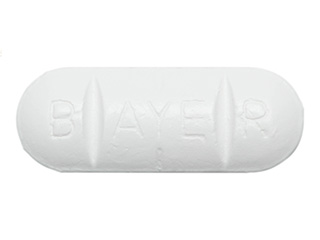


Biltricide (Praziquantel) — Patient Information for Australia
Biltricide contains praziquantel, an anti-parasitic medicine used to treat several infections caused by parasitic worms (helminths). It is commonly used for specific types of fluke and tapeworm infections, and for some schistosomiasis (also known as bilharzia).
This page is designed to be patient-friendly and is suitable for general information. If you are unsure whether Biltricide is appropriate for your infection, ask a pharmacist or clinician. Your treatment plan will depend on the type of parasite, your symptoms, and results of testing.
1) Basic product information
| Product name | Biltricide |
|---|---|
| Active ingredient | Praziquantel |
| Medicinal type | Anthelmintic (anti-parasitic medicine) |
| Common use | Treating specific trematode (fluke) and cestode (tapeworm) infections; schistosomiasis |
| Availability (Australia) | May be supplied via prescription arrangements and/or regulated pharmacy channels depending on local requirements |
2) How Biltricide works (mechanism of action)
Praziquantel works by affecting the parasite’s muscle function and movement:
- Causes spastic paralysis of the worm by altering ion transport across the parasite’s surface.
- Increases permeability of the parasite’s membranes, leading to impaired function and death.
- Facilitates the parasite’s elimination from the body (so your immune system can clear remaining organisms).
The medicine is most effective against certain worm species; it is not a broad-spectrum antibiotic for all infections. Correct diagnosis matters.
3) Pharmacokinetics (how the body processes it)
Understanding pharmacokinetics can help explain timing and why taking it with or without food may matter for some people. In general:
- Absorption: Praziquantel is absorbed from the gastrointestinal tract.
- Distribution: It distributes throughout the body, reaching relevant tissues and parasites.
- Metabolism: It is metabolised mainly in the liver.
- Excretion: Metabolites are eliminated primarily via the kidneys (urine).
Individual absorption can vary depending on the specific parasite, formulation, and whether it is taken with food. People with liver impairment may need extra consideration from a clinician or pharmacist.
4) Indications (what Biltricide treats)
Biltricide is used to treat infections caused by susceptible worms, particularly:
- Schistosomiasis (bilharzia) caused by Schistosoma species.
- Fluke infections (trematodes), including certain species that respond to praziquantel.
- Tapeworm infections (cestodes) caused by susceptible species.
The exact schedule depends on the organism and sometimes on the location of infection (for example, intestinal vs. urinary schistosomiasis). If your diagnosis is uncertain, targeted testing helps ensure appropriate treatment.
5) Typical use and treatment approach
Biltricide is typically used as a short course, though the duration can differ by diagnosis. Some worm infections require a single dose while others may require one or more doses over one day or repeated dosing later.
Key principles:
- Correct diagnosis is important to confirm the parasite is one known to respond to praziquantel.
- Follow the dosing schedule closely to improve the chance of cure.
- Some infections may need follow-up testing, especially those where eggs may persist temporarily after treatment.
6) How to take Biltricide: timing and dosing basics
Dosing instructions depend on your specific infection. Your clinician or pharmacist will provide the dose and schedule. The information below is general guidance commonly used for praziquantel regimens.
Common dosing patterns (general)
- Schistosomiasis: often treated with a dose based on body weight, sometimes as a single day regimen.
- Tapeworms and certain flukes: may be treated with one day dosing, split into multiple doses over the day.
- Some cases: may require repeat dosing after a defined interval.
Because dosing is weight-based, especially for children and adolescents, it’s important that the dose is calculated using accurate weight. If you recently changed your weight or are unsure, ask a pharmacist to confirm.
When to take it
- Many regimens are taken with food to improve tolerance and may assist absorption.
- Split doses (when prescribed) are usually spaced several hours apart.
Practical example (not a substitute for your prescription): If your schedule is “three doses in one day,” people often take each dose after meals (e.g., morning, afternoon, and evening) with adequate water.
Always follow the exact instructions supplied with your medicine package or by your clinician.
7) Food interactions (what to consider with meals)
Food can affect how praziquantel is absorbed. Many people find it easier on the stomach when taken with a meal.
- Taking with food: may improve absorption and reduce nausea for some patients.
- Empty stomach: may increase the chance of gastrointestinal side effects in some people.
If you have a sensitive stomach, taking Biltricide with a light meal and water may be more comfortable. If you have diabetes or require special diets, ask a pharmacist to align timing with your meal plan.
8) Alcohol and medicine interactions
Alcohol
While a direct interaction is not always described, drinking alcohol during treatment is generally not recommended because:
- Alcohol can worsen dizziness and
- Alcohol may increase risk of nausea or stomach upset.
For best outcomes and safety, avoid alcohol while you are taking Biltricide and for at least 24 hours after your final dose (or follow clinician advice).
Other medicines
Praziquantel is metabolised in the liver, so interactions can occur with medicines that affect liver enzymes. Always tell your pharmacist or clinician about all medicines you take, including:
- Prescription medicines
- Over-the-counter medicines
- Herbal products and supplements
- Any “natural” remedies for parasites or infections
In particular, mention medicines that may influence liver metabolism (for example, some seizure medicines). Your pharmacist can check for interaction risk and advise on timing if needed.
9) Safety profile and side effects
Most people tolerate praziquantel well, but side effects are possible—especially because symptoms from dying parasites can also contribute to the way you feel. Side effects are often temporary and improve after treatment.
Common side effects
- Nausea
- Vomiting
- Abdominal discomfort or stomach pain
- Headache
- Dizziness
- Fatigue or weakness
- Diarrhoea
- Flushing or feeling warm
Less common or serious concerns
Seek urgent medical help if you develop:
- Allergic reaction symptoms such as swelling of the face/lips, difficulty breathing, or widespread rash
- Severe or persistent neurological symptoms (e.g., severe confusion, fainting, seizures)
- Severe dehydration (e.g., inability to keep fluids down, very reduced urination)
People with certain forms of schistosomiasis (especially if there are concerns about involvement of critical organs) may require additional monitoring and a tailored approach. Your clinician will assess risk based on your diagnosis and symptoms.
Pregnancy and breastfeeding
If you are pregnant, planning pregnancy, or breastfeeding, discuss treatment with a healthcare professional. Decisions are based on the specific infection, severity, and risk–benefit balance.
10) Practical use tips (how to make treatment easier)
- Plan for after dosing: Some people feel dizzy or tired. Consider taking your doses at times when you can rest.
- Take with food: A meal may reduce nausea and support absorption.
- Hydrate: Drink water, especially if you experience diarrhoea or vomiting.
- Don’t share medication: Biltricide dosing is based on the specific infection and body weight.
- Keep follow-up appointments: Some infections benefit from retesting to confirm cure.
- Wash and hygiene: Prevent reinfection by following local guidance (e.g., safe water practices for schistosomiasis exposure).
If you experience bothersome side effects, contact a pharmacist for advice on supportive measures (such as managing nausea) rather than stopping the medicine without guidance.
11) Alternative options (other treatments for parasitic infections)
Alternative therapies depend entirely on which parasite you have. For many helminth infections, praziquantel is a first-line option, but other medicines may be used in certain situations. Possible alternatives include:
- Albendazole or mebendazole for specific worm types (often for certain intestinal worms)
- Niclosamide for certain tapeworm infections in some settings
- Other schistosomiasis agents used in specific circumstances (choice depends on local guidance and diagnosis)
Because different parasites require different medicines and dosing schedules, the best “alternative” is typically a confirmed diagnosis and then an evidence-based regimen chosen by a clinician. If you would like alternatives, ask a pharmacist about options for your particular diagnosis.
12) Market and legal context for Australia
In Australia, medicines are regulated through the Australian health system under the Pharmaceutical Benefits Scheme (PBS) framework and/or private market arrangements, depending on the product and indication. Availability can vary based on:
- Whether there is a PBS listing for the relevant indication
- How the medicine is classified and supplied under Australian regulations
- Clinical assessment requirements for the infection type
For online pharmacy supply, medicines are typically dispensed in line with relevant Australian laws and pharmacy policies, including appropriate patient information and screening. If you have questions about eligibility, cost, or supply timing, a pharmacist can advise.
Recent guidance and clinical practice considerations
Guidance for parasitic infections in Australia commonly emphasises:
- Accurate diagnosis and species identification when possible
- Appropriate dosing based on body weight and infection type
- Follow-up testing to confirm clearance when symptoms or parasite burden may take time to resolve
- Management of complications and co-infections when present
Local and international recommendations may be updated over time, particularly for imported parasitic diseases and travel-associated infections. Your pharmacist or clinician can provide the most current advice relevant to your case.
13) Delivery and availability (online pharmacy information)
Availability can differ by stock levels and supplier arrangements. Many pharmacies can dispatch within standard courier timeframes. Delivery time in Australia typically depends on:
- State/territory location
- Stock status at the time of order
- Cut-off times for same-day dispatch
When ordering online, confirm:
- That you select the correct strength and quantity
- That your delivery address allows safe receipt
- Any expected cold-chain or storage requirements (for praziquantel products, standard room-temperature storage is usually used unless the packaging states otherwise)
If you need the medicine urgently (for example, before a travel deadline or due to worsening symptoms), contact the pharmacy to ask about dispatch and alternative options.
14) FAQ — Biltricide (Praziquantel)
How long does it take to work?
Some people feel symptom improvement within days, but clearance of parasites and resolution of symptoms can take longer depending on the infection. If your clinician has arranged follow-up testing, that is the most reliable way to confirm cure for many infections.
Should I take Biltricide with food?
Many patients are advised to take it with food to improve tolerance and potentially absorption. If you have nausea or stomach sensitivity, taking it after a meal is often more comfortable. Follow your dosing instructions exactly.
Can I drive or operate machinery after taking it?
Praziquantel can cause dizziness, fatigue, or headache in some people. Until you know how it affects you, avoid driving and operating machinery after dosing—especially on the day you take Biltricide.
What if I vomit after taking a dose?
If vomiting occurs soon after taking a dose, absorption may be affected. Ask a pharmacist for advice on whether to repeat the dose. Do not guess—timing matters, and repeat doses should be guided by your regimen.
Is it possible to get reinfected?
Yes. Reinfection can occur if you are exposed again to the parasite. For schistosomiasis, exposure often involves contact with freshwater containing larvae. Use preventive measures and safe water practices, and follow local health recommendations.
Are there dietary restrictions after treatment?
Generally, no special diet is required. However, it’s a good idea to avoid alcohol and to eat lightly if you feel nauseated. Hydrate and maintain normal nutrition during recovery.
Can children take Biltricide?
Praziquantel can be used in children for certain infections, but dosing must be weight-based and tailored to diagnosis. A clinician or pharmacist should calculate the correct dose and ensure safety monitoring.
What should I do if symptoms get worse after treatment?
Some symptoms may temporarily flare due to the body’s response to dying parasites. However, severe symptoms (especially neurological symptoms, persistent vomiting, or signs of allergy) require urgent medical assessment. Contact a healthcare professional promptly if you are concerned.
How should I store Biltricide?
Store tablets in the original packaging as directed on the label. Keep out of reach of children, and store at room temperature unless the package states otherwise. Do not use past the expiry date.
15) When to seek urgent medical advice
Get urgent help if you have:
- Difficulty breathing, facial swelling, or widespread rash
- Severe dizziness, fainting, seizures, or severe confusion
- Inability to keep fluids down, severe dehydration, or marked worsening of symptoms
If symptoms are mild but persistent, speak to a pharmacist or clinician for advice on symptom control and whether follow-up testing is needed.
Remember: Biltricide (praziquantel) is effective for specific parasitic infections. Correct diagnosis, correct dosing, and appropriate follow-up are key to successful treatment.