

Citalopram (Citalopram Hydrobromide)
Citalopram is a commonly used medicine for depression and certain anxiety-related conditions. It belongs to a group of medicines called SSRIs (Selective Serotonin Reuptake Inhibitors). This page provides patient-friendly information about how citalopram works, what it’s used for, how to take it safely, and what to expect. It’s designed for readers in Australia and includes practical guidance and FAQs.
| Product name | Active ingredient | Medicine class | Common form(s) | Typical onset of benefit |
|---|---|---|---|---|
| Citalopram | Citalopram hydrobromide | SSRI antidepressant | Tablets (brand/formulation may vary) | Often 1–2 weeks for some improvement; full effect may take 4–6+ weeks |
Basic product information
What it is: Citalopram (as citalopram hydrobromide) is an SSRI. SSRIs increase the availability of serotonin in the brain, helping improve mood, anxiety, and related symptoms.
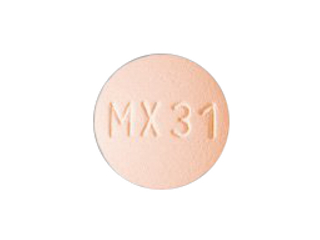
Strengths and packaging: Available tablet strengths vary by manufacturer and brand. Always check the label on your specific product for the exact dose.
Who it may suit: Citalopram is often considered for depression and certain anxiety disorders. It may also be used when a clinician chooses an SSRI due to a person’s symptom pattern or prior experience with other medicines.
How citalopram works (mechanism of action)
Citalopram is an SSRI. It works primarily by:
- Blocking the serotonin transporter in the brain (reducing reuptake of serotonin).
- Increasing serotonin signalling over time, which may help regulate mood and anxiety circuits.
- Producing gradual brain changes that are often linked to symptom improvement.
Serotonin-related changes take time. That’s why some people may notice early effects such as reduced anxiety, but a full antidepressant response typically takes several weeks.
Pharmacokinetics (how the body handles citalopram)
“Pharmacokinetics” describes absorption, distribution, metabolism, and elimination. While your individual experience can vary, key general points include:
- Absorption: Citalopram is absorbed after oral dosing.
- Peak levels: Blood concentrations generally peak a few hours after a dose (timing varies by formulation and individual factors).
- Half-life: Citalopram has an elimination half-life that supports once-daily dosing for many people.
- Steady state: With daily use, levels build up and steady state is typically reached after about 1–2 weeks.
- Metabolism: Mostly metabolised in the liver, involving liver enzymes (important for drug interactions).
- Elimination: Excreted mainly through metabolism products, via urine and other routes.
People with liver impairment, older age, or certain drug combinations may require extra caution.
Typical use: indications and symptoms it targets
Citalopram is used for a range of conditions where serotonin imbalance may play a role. Indications depend on local regulatory approvals and clinical judgement.
Common indications
- Depression (major depressive disorder and related depressive presentations)
- Depressive symptoms associated with anxiety
- Some anxiety disorders (depending on local prescribing practices and patient suitability)
Many people use citalopram to help with symptoms such as low mood, loss of interest, sleep disturbance, worry, irritability, and difficulty coping. It is also sometimes used long-term to help prevent relapse in appropriate patients.
When it starts working: timing expectations
Citalopram does not usually work immediately. A typical timeline:
- First days to 1–2 weeks: Some people notice changes such as reduced anxiety or improved sleep; side effects may also be more noticeable.
- 2–4 weeks: Mood and energy may begin to improve more clearly.
- 4–6+ weeks: Many people reach the strongest benefit at the dose being used.
If you feel no improvement at all after several weeks, discuss it with your healthcare professional. Adjustments may include changing the dose, reviewing side effects, or considering an alternative SSRI or strategy.
Food interactions: can you take citalopram with meals?
Generally, citalopram can be taken with or without food. Taking it with a meal may be helpful if you experience nausea.
- If you feel nauseous after your dose, try taking it with food.
- Maintain consistent timing day-to-day to help your routine.
There are no major dietary restrictions required for most people. However, always consider other ingredients in combination products (e.g., herbal supplements or certain drinks).
Alcohol and medicine interactions
Alcohol
It’s usually best to limit or avoid alcohol while taking citalopram. Alcohol can worsen depression and anxiety and may increase side effects such as drowsiness, impaired judgement, dizziness, or reduced coordination.
If you choose to drink, do so cautiously and discuss your situation with a healthcare professional, especially if you have a history of alcohol misuse or severe mood instability.
Other medicines (important interaction categories)
Interactions can be clinically significant with citalopram. Always tell your healthcare professional or pharmacist about:
- Other antidepressants and medicines that affect serotonin
- Monoamine oxidase inhibitors (MAOIs) (typically avoided with SSRIs)
- Linezolid or methylene blue (can affect MAO pathways)
- Triptans (migraine medicines)
- Opioids (some opioids can raise serotonin-related risk)
- Other medications that prolong the QT interval (a heart rhythm measure)
- St John’s wort (herbal antidepressant; can increase serotonin effects)
- Drugs that affect liver enzymes (may change citalopram levels)
Serotonin syndrome: seek urgent help if needed
A rare but serious condition called serotonin syndrome can occur when serotonergic medicines are combined. Seek urgent medical assistance if you experience:
- High fever or sudden sweating
- Agitation, confusion, or severe restlessness
- Fast heart rate, tremor, muscle stiffness, or jerking
- Severe diarrhoea or vomiting
Safety profile: common side effects and what to do
Like all medicines, citalopram can cause side effects. Many are mild and often improve within the first few weeks. However, some symptoms require prompt attention.
Common side effects
- Nausea, upset stomach
- Headache
- Tremor or feeling “restless”
- Sleep changes (sleepiness or insomnia)
- Increased sweating
- Dry mouth
- Sexual side effects (lower libido, delayed orgasm, erection problems)
- Weight change (varies between people; can be gradual)
Less common but important risks
- Suicidal thoughts in young people: As with other antidepressants, there may be an increased risk of suicidal thinking/behaviour in some patients, particularly early in treatment or after dose changes. Close monitoring is important.
- Mania/hypomania: In people with bipolar disorder, antidepressants can trigger mania or hypomania.
- Bleeding tendency: SSRIs can increase bleeding risk, especially with medicines that affect blood clotting (e.g., some NSAIDs, aspirin, or anticoagulants).
- Hyponatraemia: Low sodium in the blood can occur, especially in older adults or those taking diuretics.
- QT prolongation: In susceptible individuals or at higher doses, citalopram may affect the heart’s electrical timing (QT interval). This may be more relevant when combined with other QT-prolonging drugs or in certain medical conditions.
- Withdrawal symptoms: Stopping abruptly can cause dizziness, sensory disturbances, irritability, anxiety, or flu-like feelings.
When to seek urgent help
Get urgent medical attention if you experience severe allergic symptoms (e.g., swelling of face/lips, breathing difficulty), signs of serotonin syndrome, severe agitation, fainting, chest pain/palpitations, or a significant change in behaviour or mood.
Practical dosing guidance (general information)
Dosing should be individualised by a healthcare professional based on your condition, age, medical history, and tolerability. The information below is general and not a substitute for personalised advice.
Typical approach
- Start low, go slow: Many patients begin with a lower dose to improve tolerability.
- Titrate gradually: Dose increases (if needed) are usually made after assessing response and side effects.
- Once daily: Citalopram is commonly taken once each day, depending on the specific product and your clinician’s plan.
Important dosing considerations
- Older adults: Extra caution may be required due to increased sensitivity and higher risk of electrolyte changes or heart rhythm effects.
- Liver impairment: A reduced maximum dose may be considered because citalopram metabolism is largely hepatic.
- Drug interactions: Some medicines can raise citalopram levels, increasing side effects and QT-related risk.
- Heart rhythm risk: People with known cardiac conditions or electrolyte abnormalities may need careful dosing.
Missed dose
- If you miss a dose, take it when you remember unless it’s close to the time of your next dose.
- Do not take a double dose to make up for the missed tablet.
Stopping citalopram
Stopping suddenly can lead to withdrawal symptoms. If you need to discontinue, your healthcare professional will typically recommend a gradual dose reduction (“tapering”). If you notice dizziness, “brain zaps,” irritability, anxiety, or insomnia during tapering, contact your healthcare professional.
Practical use tips (how to make treatment easier)
- Choose a consistent time: Many people prefer morning if they feel energised, or evening if they feel drowsy—choose what suits you.
- Keep track of symptoms: A short daily note can help identify whether anxiety, sleep, or mood is improving.
- Plan for early side effects: Mild nausea, headache, or restlessness can happen early. Often they settle as your body adapts.
- Hydrate and eat regularly: This may reduce dizziness or nausea early on.
- Driving and machinery: Until you know how citalopram affects you, be cautious with driving or operating machinery, especially at initiation or after dose changes.
- Don’t combine serotonergic products casually: Check with a pharmacist about migraine medicines, cough and cold products, and supplements.
- Maintain follow-up: Regular review helps adjust dose and ensure benefit while monitoring side effects.
Alternative options (if citalopram isn’t suitable)
If citalopram isn’t effective or causes troublesome side effects, clinicians may consider:
- Other SSRIs (for example, sertraline, escitalopram, fluoxetine—choice depends on symptoms and interactions).
- SNRI antidepressants (e.g., venlafaxine, duloxetine) when appropriate for depression and anxiety profiles.
- Psychological therapies such as CBT (Cognitive Behavioural Therapy), which can be used alongside medication or alone for some people.
- Other medication classes for specific situations, including if bipolar disorder is suspected (antidepressant-only approaches may be inappropriate in those cases).
- Lifestyle and supportive strategies: sleep regularity, exercise, stress management, and social supports.
Medication changes should be guided by a healthcare professional to avoid withdrawal or interaction risks.
Australia: market and legal context
In Australia, citalopram is an established medicine used widely for depression and anxiety. Availability may depend on the formulation, pharmacy arrangements, and regulatory requirements. Online pharmacies may offer medicines within the applicable Australian laws and policies, including requirements around appropriate patient information and supply processes.
Information on specific brands, strengths, and supply methods can differ between pharmacies and manufacturers. Always verify what is included with your order (e.g., tablets per pack) and the active ingredient listed.
Recent guidance and monitoring (what patients should know)
In recent years, Australian and international medicine safety reviews have emphasised careful use of antidepressants, including:
- Monitoring early in treatment for worsening mood, agitation, or unusual behavioural changes—especially in younger patients.
- Reviewing drug interactions, particularly medicines that affect serotonin or heart rhythm (QT interval).
- Higher caution in older adults due to risks such as hyponatraemia and increased sensitivity to side effects.
- Appropriate tapering when discontinuing to reduce withdrawal symptoms.
- Assessing for bipolar disorder where relevant, to avoid antidepressant-induced mania.
If you have a history of heart disease, seizures, bipolar disorder, or low sodium, discuss this with your healthcare professional before starting or adjusting citalopram.
Delivery and availability (online pharmacy)
Availability of citalopram products depends on stock levels and the specific brand/strength. Online pharmacies in Australia typically offer:
- Pack options: different pack sizes (varies by product).
- Delivery Australia-wide: subject to service coverage and local regulations.
- Order processing: times may vary based on verification and dispatch.
- Packaging: medicines are usually supplied in original manufacturer packaging.
For the best experience, check delivery estimates at checkout, ensure your address details are correct, and keep an eye on tracking notifications. If you need the medicine for ongoing treatment, consider ordering with enough time for delivery and any delays.
Storage and handling
- Store at room temperature unless your label says otherwise.
- Keep in the original packaging to protect from moisture and light.
- Keep out of reach of children.
- Do not use after the expiry date shown on the pack.
FAQ
1. How long does it take for citalopram to work?
Some people notice changes within 1–2 weeks, but full benefit often takes 4–6 weeks or longer. Improvement can be gradual. If there is no improvement after several weeks, review with your healthcare professional.
2. What should I do if I feel worse after starting?
Mild side effects can occur early. However, if you experience worsening depression, increased agitation, panic, or suicidal thoughts—especially in the early days or after a dose change—seek urgent advice from a healthcare professional. In Australia, urgent support can include local emergency services or mental health crisis lines.
3. Can I take citalopram with food?
Yes. You can take citalopram with or without food. If nausea occurs, taking it with a meal may help.
4. Is it safe to drink alcohol while taking citalopram?
It’s best to avoid or limit alcohol, as it may worsen mood and increase side effects like drowsiness and dizziness. If you plan to drink, discuss with a healthcare professional, particularly if you have mental health instability.
5. What medicines should I avoid combining with citalopram?
Caution is needed with other serotonergic medicines (to reduce serotonin syndrome risk), MAOIs, some migraine treatments, certain opioids, and medicines that can prolong QT interval or affect liver metabolism. Always review your medication list with a pharmacist.
6. Can I stop citalopram suddenly?
Generally, it’s not recommended to stop abruptly. Withdrawal symptoms can occur. A gradual taper plan is usually advised by your healthcare professional.
7. Will I gain weight?
Weight change varies. Some people notice appetite changes or gradual weight gain, while others do not. Monitoring weight and discussing persistent changes is helpful.
8. Does citalopram affect sleep?
Yes. Some people feel sleepy, while others experience insomnia or restlessness. If sleep problems occur, your dosing time may need adjustment (discuss with your clinician).
9. What if I miss a dose?
Take it when you remember unless it’s close to the next scheduled dose. Don’t take a double dose.
10. Can citalopram cause sexual side effects?
Sexual side effects can occur with SSRIs. If you experience changes in libido, arousal, or orgasm, discuss them—there may be strategies to improve comfort and adherence.
11. Are there heart-related risks?
In some circumstances, citalopram may affect the QT interval, which relates to heart rhythm. This risk is higher with certain medical conditions, higher doses, low potassium/magnesium, or interacting medicines. Your clinician may adjust dosing accordingly.
12. Where can I find reliable information in Australia?
Your pharmacist and healthcare professional are excellent sources. You can also refer to official medicine information resources and safety updates relevant to Australia.
Summary
Citalopram (citalopram hydrobromide) is an SSRI used to treat depression and certain anxiety conditions. It works by increasing serotonin signalling, with symptom improvement often beginning within 1–2 weeks and reaching fuller benefit after several weeks. Most people can take it with or without food. As with all antidepressants, it’s important to monitor mood changes, be cautious with alcohol, and review possible drug interactions. If you need to stop, a gradual taper helps reduce withdrawal symptoms.