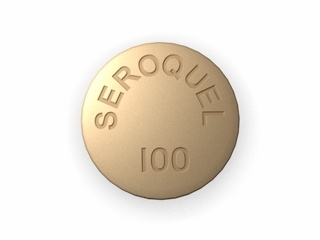

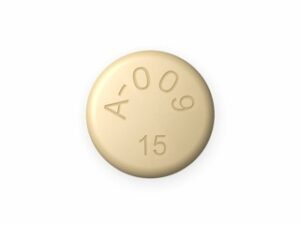
Seroquel (Quetiapine) – Patient-Friendly Guide (Australia)
Seroquel is a brand of the medicine quetiapine, used to treat several mental health conditions. This guide explains how it works, how it’s taken, common practical considerations, and important safety information for people in Australia.
Please note: this information is general and cannot replace advice from your doctor or pharmacist, who will tailor treatment to your situation, including your medical history, age, other medicines, and any previous medication responses.
1) Basic product information
- Active ingredient: Quetiapine
- Brand: Seroquel
- Medicine type: Antipsychotic (also used in mood disorders)
- Common formulations: Seroquel is available in different strengths. Some people may also be prescribed extended-release or other branded forms depending on local availability and clinical needs.
- Available in Australia: Quetiapine products are regulated medicines in Australia and supplied through standard pharmacy channels.
In Australia, your pharmacist can confirm the exact Seroquel brand and strength you are receiving and explain how your specific product should be taken (for example, immediate-release vs extended-release schedules).
2) How Seroquel (quetiapine) works (mechanism of action)
Quetiapine works mainly by affecting several chemical messengers in the brain, especially dopamine and serotonin.
- Dopamine receptor effects: helps reduce symptoms related to psychosis (such as hallucinations or delusions) and can influence mood and thinking.
- Serotonin receptor effects: contributes to mood stabilisation and may improve symptoms of depression and certain anxiety-related symptoms depending on the condition being treated.
- Other receptor effects: quetiapine can also affect histamine and alpha-adrenergic receptors, which may contribute to sleepiness and lower blood pressure in some people.
How quickly benefits appear varies by condition. Many people notice some improvement in the first days to weeks, while full effects—especially for mood symptoms—may take longer.
3) Pharmacokinetics (how the body handles quetiapine)
“Pharmacokinetics” describes what the body does to the medicine—absorption, distribution, metabolism, and excretion.
| Stage | What typically happens |
|---|---|
| Absorption | Quetiapine is absorbed after oral dosing. Peak blood levels generally occur several hours after a dose, depending on the specific formulation. |
| Distribution | It distributes throughout the body tissues, including the brain. |
| Metabolism | Primarily metabolised in the liver by enzyme systems (notably CYP pathways). This is why some medicines and foods can change quetiapine levels. |
| Elimination | Metabolites are eliminated mainly via the kidneys (through urine) and also through bile/faeces. |
| Half-life | The time it takes for blood levels to reduce by half varies by formulation. Your pharmacist can advise based on the product you have. |
Because quetiapine is metabolised in the liver, people with liver impairment may require dose adjustments and closer monitoring.
4) Typical use in Australia
Quetiapine is commonly used as part of treatment plans for:
- Schizophrenia and other psychotic disorders: to reduce psychotic symptoms.
- Bipolar disorder: for episodes of mania or depression, depending on the product and clinical plan.
- Depressive episodes: in bipolar disorder and certain other settings as determined by your doctor.
- Adjunct treatment for major depression: in some circumstances where it is clinically appropriate.
The exact indication (and the exact dose) depends on your diagnosis, age, and whether your product is immediate-release or extended-release.
5) Indications (conditions it may be prescribed for)
In practice, Seroquel (quetiapine) may be used for multiple indications. Your local prescribing information and your doctor’s assessment determine whether it is suitable for you.
- Psychotic disorders
- Bipolar disorder (mania or depressive episodes, depending on the situation)
- Major depressive disorder in selected cases, typically as an add-on therapy
If you’re unsure why you were given Seroquel, ask your pharmacist or doctor. They can explain the intended goal and what symptoms to watch for.
6) Dosing: how Seroquel is commonly taken
Dosing is individualised. In many cases, quetiapine is started at a low dose and increased gradually to reduce side effects such as sleepiness, dizziness, or low blood pressure.
Important: Always follow the dose schedule provided with your specific medicine. Do not change your dose without medical advice.
Common dosing principles (general)
- Start low, go slow: gradual dose increases are typical.
- Split dosing may be used: depending on formulation and dose, it may be taken once or twice daily.
- For mood symptoms: you may need time to notice benefit.
- For sleepiness: some people take the larger portion of the dose in the evening (as directed).
Adjustment and missed doses
- Do not double up if you miss a dose unless your pharmacist specifically instructs you to.
- If you miss doses repeatedly or are unsure what to do, contact your pharmacist for tailored advice.
If you are stopping quetiapine, it should usually be reduced gradually to avoid withdrawal-like symptoms and to minimise the risk of symptom return.
7) Timing: when to take Seroquel
The right timing helps minimise side effects and supports consistent levels. Many people find quetiapine causes sleepiness, so the timing is often coordinated with your sleep routine.
- Evening dosing is common if the medicine makes you drowsy.
- Twice daily dosing (if prescribed) may be scheduled in the morning and evening.
- Take at the same times each day to help maintain steady effects.
Your pharmacist can confirm your exact schedule based on your product and dose.
8) Food interactions: can you take Seroquel with meals?
Food may affect the absorption of quetiapine depending on formulation. As a general practical approach:
- Follow the instructions on your prescription label and product directions.
- Be consistent: take it similarly each day (for example, always with or always without food) unless your clinician advises otherwise.
If you have experienced stomach upset or unusual side effects after dosing with or without meals, tell your pharmacist—small timing changes can sometimes help.
9) Alcohol interactions and other medicine interactions
Alcohol
Combining quetiapine with alcohol can increase the risk of:
- excessive sedation (feeling overly drowsy or “out of it”)
- dizziness and falls
- impaired thinking or reaction time
If you drink alcohol, ask your doctor or pharmacist what is safest for you. In many cases, it’s advised to avoid alcohol while starting or adjusting quetiapine.
Other medicines (important interaction categories)
Quetiapine levels and side effects can be affected by medicines that influence liver enzymes or cause sedation. Tell your healthcare team about all medicines you take, including over-the-counter products and supplements.
- Medicines that affect liver enzymes (CYP interactions): some antifungals, antibiotics, antivirals, and other medicines can raise or lower quetiapine blood levels.
- Sedatives and “CNS depressants”: benzodiazepines, opioids, sleep medications, and some antihistamines may increase sleepiness and breathing suppression risk.
- Blood pressure medicines: quetiapine can lower blood pressure; together this may increase dizziness or fainting.
- Medicines affecting heart rhythm: any medicine that can affect the QT interval may increase risk, particularly in people with cardiac conditions or electrolyte imbalance.
- Diabetes- or weight-related medicines: quetiapine can affect weight and blood glucose in some people; this may change how your other therapies should be monitored.
If you start any new medicine (even “non-prescription”), check with your pharmacist to confirm it’s compatible with quetiapine.
10) Safety profile: what to expect and what to monitor
Like all medicines, Seroquel can cause side effects. Many are more common when you first start or when the dose increases.
Common side effects
- Drowsiness/sleepiness
- Dizziness (especially when standing)
- Dry mouth
- Constipation
- Headache
- Increased appetite and weight gain
- Low blood pressure (orthostatic hypotension)
Metabolic and weight-related risks
Quetiapine may be associated with changes that your clinician can monitor, including:
- Weight gain
- Changes in blood sugar (risk of worsening diabetes or causing elevated glucose)
- Cholesterol and triglyceride changes
Your doctor may arrange baseline and follow-up checks such as weight, waist circumference, fasting glucose or HbA1c, and lipids.
Heart rhythm considerations
Quetiapine can (in some circumstances) affect heart rhythm. Risk can be higher if you:
- have a history of irregular heart rhythm
- have low potassium or magnesium
- take other medicines that affect heart rhythm
- have certain cardiac conditions
Less common but serious warning signs
Seek urgent medical help if you experience:
- Fainting, severe dizziness, or signs of an allergic reaction (swelling of face/lips, hives, trouble breathing)
- High fever, severe muscle stiffness, confusion (rare but serious)
- Uncontrolled movements or severe restlessness
- Severe sedation, breathing difficulties, or extreme confusion
- Symptoms of high blood sugar such as unusual thirst, frequent urination, or blurred vision (especially if worsening)
If you’re unsure whether symptoms are serious, contact your local health service or call your pharmacist/doctor promptly.
11) Practical use tips (to help you take Seroquel safely)
- Be careful when standing up: because dizziness can occur, rise slowly from sitting or lying positions.
- Plan for the first days: avoid driving or operating machinery until you know how it affects you.
- Stay consistent with timing: take at the same times each day.
- Don’t stop suddenly: if you want to change therapy, discuss a gradual plan with your doctor.
- Track side effects: note sleepiness, weight changes, and any unusual symptoms. Share this with your pharmacist or doctor.
- Hydration and constipation support: consider water intake and dietary fibre; ask your pharmacist about constipation support if needed.
- Use a medicine reminder: alarms or pill organisers can help you avoid missed doses.
12) Alternative options (if Seroquel isn’t suitable)
Treatment choice depends on your diagnosis, prior response, and tolerability. If Seroquel doesn’t work well or causes troublesome side effects, your clinician may consider alternatives such as:
- Other antipsychotic medicines: different agents may suit different people (based on symptom profile and side effect risks).
- Mood stabilisers or other antidepressant strategies for mood disorders, depending on your specific condition.
- Non-medication supports: psychotherapy, structured routines, sleep hygiene, and lifestyle measures may be used alongside medication.
Do not switch or stop medication on your own. If you’re interested in alternatives, speak with your doctor or pharmacist to discuss the safest pathway.
13) Market and legal context in Australia (overview)
In Australia, quetiapine products are regulated medicines supplied through pharmacy channels. Your ability to purchase and the supply process generally depends on:
- the product format and strength
- clinical assessment requirements
- pharmacy dispensing practices and Australian medicine regulations
- your medication history and safety screening
Pharmacies may provide counselling on safe use, interactions, and side effect monitoring. If you’re buying online, Australia’s e-commerce pharmacy policies and identity verification processes may apply.
14) Recent guidance and monitoring considerations
Clinical guidance evolves. In recent years, Australian clinicians and major treatment guidelines have emphasised:
- Careful baseline and ongoing monitoring of weight, metabolic parameters (glucose/lipids), and cardiovascular risk where relevant.
- Assessment of sedation and fall risk, especially for older adults or those starting treatment.
- Review of medication interactions (particularly medicines that increase sedation or change liver metabolism).
- Using the lowest effective dose and regularly reviewing whether continued treatment is beneficial and safe.
- Gradual dose changes to minimise withdrawal-like effects or symptom relapse.
For the most up-to-date information, your pharmacist can refer to current product information and local clinical resources.
15) Delivery and availability (online pharmacy in Australia)
Availability can vary by strength and formulation. When ordering online, common expectations include:
- Stock checks and dispatch timelines depending on manufacturer supply.
- Packaging that protects tablets and clearly labels dose and instructions.
- Delivery timeframes based on your location within Australia.
If you require an urgent refill or a specific strength, contact customer support or your pharmacist to discuss the most reliable sourcing option.
16) FAQ – Seroquel (quetiapine)
1. How long does Seroquel take to work?
Some people notice changes in sleep, anxiety, or agitation within days, but mood and psychotic symptoms typically require longer—often weeks. Your doctor can guide you on what timeframe is realistic for your diagnosis.
2. Why do I feel sleepy after taking it?
Quetiapine can cause sedation due to its effects on certain receptors (including histamine). This is often strongest at the beginning of treatment or after dose increases. Avoid driving or risky tasks until you know how you respond.
3. Can I take Seroquel with food?
Food may influence absorption depending on formulation. For best results, follow the directions provided with your specific product. If you’re unsure, ask your pharmacist.
4. Is alcohol safe with Seroquel?
Alcohol can increase drowsiness and dizziness and may worsen side effects. It’s usually best to avoid alcohol, especially when starting or adjusting the dose. Discuss personal advice with your pharmacist or doctor.
5. What if I miss a dose?
Generally, don’t double up. If you’re unsure, contact your pharmacist for advice tailored to your dosing schedule and how many doses you’ve missed.
6. Can I stop Seroquel suddenly?
It’s usually not recommended to stop suddenly. Stopping abruptly can lead to withdrawal-like symptoms or relapse. If you want to stop or switch, ask your doctor about a gradual taper plan.
7. Will Seroquel cause weight gain?
Weight gain can occur in some people. Your clinician may monitor weight and metabolic factors over time. Lifestyle measures (diet, activity) and medication review can help manage risk.
8. Are there any tests I should expect?
Depending on your health and treatment plan, your doctor may monitor blood pressure, weight, blood glucose, and cholesterol. If there are heart-related concerns, they may also consider ECG monitoring.
9. Can Seroquel interact with my other medicines?
Yes. Many medicines can interact by changing quetiapine levels or increasing sedation/side effects. Always provide your pharmacist with a complete list of medicines, including over-the-counter products and supplements.
10. Is Seroquel suitable for older adults?
It may be used, but older adults can be more sensitive to sedation, dizziness, and low blood pressure. Dosing often requires extra caution and monitoring—your doctor will decide what’s appropriate.
17) When to seek help
Contact your doctor or pharmacist promptly if you experience troublesome side effects or symptoms that worry you. Seek urgent medical assistance if you have severe reactions such as:
- fainting, severe dizziness, or allergic symptoms
- difficulty breathing, extreme sleepiness, or confusion
- severe muscle stiffness and high fever
- signs of dangerously high or low blood sugar
If you’re ever unsure, it’s safer to seek advice early.
Disclaimer: This webpage provides general information about Seroquel (quetiapine) and does not replace personalised medical advice. Always follow the instructions provided with your medicine and consult your pharmacist or doctor for guidance specific to you.