Xylocaine (Lidocaine) — Patient Guide (Australia)
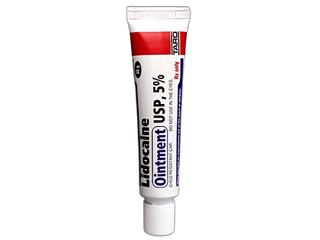
Xylocaine is a brand name for lidocaine, a local anaesthetic medicine used to numb a specific area of the body. It may come in different forms (such as gels, sprays, creams, injections, and patches depending on product availability in Australia), each designed for particular uses.
This guide explains what Xylocaine is, how it works, how long it takes to act, typical uses, and important safety information. If you have questions about which form is suitable for your situation, speak with a healthcare professional or pharmacist.
Quick product information
| Category | Details |
|---|---|
| Active ingredient | Lidocaine |
| Medicine type | Local anaesthetic (numbs pain in a targeted area) |
| Brand name | Xylocaine |
| Common forms | Gel, spray, cream, injection, and other formulations (availability may vary) |
| Typical setting of use | Dental and medical procedures; pain relief applications; some dermatological uses |
How Xylocaine works (mechanism of action)
Lidocaine works by blocking sodium channels in nerve cells. Sodium channels are essential for generating and transmitting nerve signals. When these channels are blocked, nerve signals carrying pain cannot travel as effectively. The result is a numbing effect in the area where the medicine is applied.
Depending on the route and formulation, lidocaine can provide:
- Surface numbness (e.g., gels or sprays used on mucous membranes or skin)
- Regional numbness (e.g., injections used by trained professionals)
- Short- to medium-acting anaesthesia, depending on dose and site of application
Pharmacokinetics (how the body handles lidocaine)
Pharmacokinetics describes what happens after lidocaine is applied or injected: absorption, distribution, metabolism, and elimination. The exact profile depends on the form used (topical vs injection), the dose, the site, skin condition, and whether there is inflammation or broken skin.
Absorption
- Topical/locally applied lidocaine: Absorption can be higher if applied to injured skin or inflamed tissue. Use the lowest effective amount as directed on the product label or by a clinician.
- Mucosal surfaces: Absorption may be more rapid than on intact skin.
Distribution
Lidocaine is distributed throughout the body after absorption. The medicine can cross cell membranes and is carried by blood. In larger systemic exposures, levels in the bloodstream may become high enough to cause side effects.
Metabolism
Lidocaine is primarily metabolised in the liver. Liver function influences how quickly the medicine is cleared. Reduced liver function may increase the risk of side effects due to higher blood levels over time.
Elimination
Metabolites and small amounts of unchanged drug are removed from the body primarily through the kidneys.
Typical uses in Australia
Xylocaine is used to provide local anaesthesia and pain relief in a range of settings. Common uses include:
- Dental procedures and other minor medical interventions requiring local numbness
- Topical pain relief on skin or mucous membranes for short-term symptom management (depending on product form)
- Procedural anaesthesia (for example, numbing before an examination or instrument-related discomfort)
- Temporary relief of discomfort in conditions where local numbing is appropriate, as guided by a healthcare professional
The exact indications depend on the formulation (gel/spray/cream/patch/injection) and the product’s approved use in Australia.
When it starts working (timing)
Onset of effect depends on the formulation, site, and how much is applied. As a general guide:
- Topical forms: Often begin working within minutes after application.
- Injections by healthcare professionals: Typically act within a relatively short time period, with duration varying by procedure and dose.
If you do not feel the expected numbness or pain relief, do not apply additional amounts unless you have been instructed to do so. Incorrect dosing can increase the risk of systemic side effects.
Food interactions
Lidocaine is generally used locally rather than as a tablet swallowed for systemic effects. Because of this, food interactions are usually not a major concern for topical use.
However, if you are having a procedure using lidocaine (especially via injection), your healthcare team may give instructions about eating or drinking beforehand.
Alcohol and medicine interactions
With local lidocaine use, significant interactions are not common, but it is important to consider the medicine’s potential to cause dizziness, drowsiness, or light-headedness if systemic absorption occurs.
Alcohol
- Use caution: Alcohol can worsen dizziness or impair judgement.
- Ask for advice if you are prone to side effects or if your clinician advised avoiding alcohol after a procedure.
Other medicines
Some medicines can influence lidocaine metabolism in the liver. This may affect how long it stays in the body, potentially increasing side effects if levels rise.
Let your pharmacist or clinician know if you take any of the following (this list is not exhaustive):
- Medicines affecting liver enzymes (some treatments can reduce or increase lidocaine breakdown)
- Other local anaesthetics (additive effects may increase risk)
- Antiarrhythmic medicines (used for heart rhythm problems) because lidocaine and similar drugs can overlap in safety considerations
If you are unsure whether your current medications could interact with lidocaine, ask a healthcare professional.
Indications (what Xylocaine may be used for)
“Indications” describes the approved or intended medical uses of the medicine. Because Xylocaine products vary by form, indications differ across products and strengths.
In general, lidocaine-based products are indicated for local anaesthesia and/or symptomatic relief related to numbness of skin or mucous membranes, and for use during certain procedures.
Always follow the specific instructions for the product you are purchasing or using. If you have a particular condition, check the product label for the form and strength that matches the intended use.
Dosing guidance (important: follow the specific product instructions)
Lidocaine doses are determined by the route (topical vs injection), strength of the product, area treated, and the individual patient.
For patient safety, do not use more than recommended and do not apply more frequently than directed. If your product includes an upper limit (such as a maximum daily dose), adhere to it.
General principles for topical use
- Use the smallest effective amount.
- Apply to the intended area only.
- Avoid applying to large areas, especially under occlusive coverings (unless specifically instructed).
- Be cautious with broken, irritated, or inflamed skin where absorption may be higher.
- Wash hands after use (unless your hands are the treated area).
Who should be extra careful
- Children: dosing is weight- and formulation-specific—use only as directed for that product and age group.
- Older adults: may be more sensitive to side effects if systemic absorption occurs.
- People with liver problems: may require extra caution due to slower metabolism.
- People using multiple local anaesthetic products: avoid overlapping use without advice.
When to seek help urgently
While many patients use lidocaine safely, systemic exposure can occasionally occur, especially with excess use. Seek urgent medical advice if you experience symptoms such as:
- Severe dizziness, fainting, confusion
- Numbness beyond the treated area
- Tremor or seizures
- Rapid or irregular heartbeat, feeling of pounding heart
- Breathing difficulties
Safety profile and side effects
Most people tolerate lidocaine well when used as directed. Side effects depend on the form, dose, and where it is applied.
Common, usually mild effects (topical)
- Temporary numbness or tingling at the application site
- Mild burning, stinging, or irritation
- Redness or slight skin irritation
Allergic reactions (seek urgent help)
Although uncommon, allergy can occur. Get urgent medical help if you notice:
- Swelling of the face, lips, tongue, or throat
- Wheezing, difficulty breathing
- Severe rash or hives
Signs of systemic lidocaine exposure (rare)
If too much lidocaine is absorbed or used, you may experience symptoms such as:
- Dizziness, drowsiness, or light-headedness
- Tinnitus (ringing in the ears), altered taste
- Nausea or vomiting
- Tremor
- Very fast heartbeat or palpitations
Important contraindications and cautions
- Avoid use if you have had a previous allergic reaction to lidocaine or similar local anaesthetics.
- Use extra caution with heart rhythm conditions or known sensitivity to local anaesthetics.
- Tell a healthcare professional if you have significant liver disease.
Practical use tips (how to use Xylocaine safely and effectively)
Before you apply
- Read the product label for the specific strength and instructions.
- Check the intended area and confirm it matches the product’s approved use.
- Do not apply on or near the eyes unless the product is specifically indicated for that use.
During application
- Use clean hands or apply with the provided applicator where available.
- Apply gently and evenly to the intended area.
- Avoid getting the medicine into the mouth or swallowing large amounts if applied to oral areas (follow product directions).
After application
- Wash hands thoroughly unless hands are treated.
- Follow instructions about whether the area can be covered (for example, under clothing or dressings).
- Do not touch the numbed area excessively, as numbness can reduce your ability to notice pressure or injury.
When to stop using and ask for advice
- Symptoms worsen or do not improve as expected
- Signs of irritation or rash increase
- You need frequent repeat applications beyond what’s recommended
- Any concern about overdose or excessive use
Alternative options
Depending on your condition and the form of lidocaine available, alternatives may include other local anaesthetics or different approaches to pain control.
Other local anaesthetic medicines
- Benzocaine (commonly used in some topical numbing products)
- Prilocaine (often seen in certain topical formulations)
- Other lidocaine formulations (different strengths or delivery systems)
Non-local anaesthetic pain relief
- Oral analgesics (such as paracetamol or ibuprofen where appropriate)
- Anti-inflammatory treatments (depending on the source of pain)
- Non-drug options like cold/heat therapy or protective dressings
The “best” alternative depends on the type of pain (surface pain vs procedural discomfort), the site, your medical history, and what form of product you need. A pharmacist can help compare options.
Delivery and availability in Australia
Xylocaine (lidocaine) is available in Australia through pharmacies and other authorised channels, and certain forms may also be stocked by online pharmacies.
Online availability can vary by:
- Product form (e.g., gel, spray, cream, patches, injections)
- Strength and packaging size
- Current stock levels and distribution schedules
When ordering online, ensure the product matches your intended use (including whether it’s for skin, oral mucosa, or a specific procedure). Delivery times may vary by location and dispatch schedule.
Market and legal context for Australia (consumer-friendly overview)
Medicines in Australia are regulated under the Therapeutic Goods Administration (TGA) framework. Availability, labelling requirements, and how medicines can be supplied depend on the product’s regulatory status.
If you are shopping online, look for:
- Clear product details such as active ingredient (lidocaine), form (gel/spray/cream, etc.), and strength
- Correct packaging and labelling
- Authorised pharmacy sourcing and secure checkout
Always follow the label instructions and seek advice if you are unsure.
Recent guidance and safety updates (what to watch for)
Guidance for local anaesthetics can evolve as new safety information is reviewed and as product formulations change. To stay current in Australia, it is helpful to:
- Check the product box/leaflet for the latest instructions specific to your formulation
- Follow any public health or regulator advisories if they relate to pain relief products
- Ask a pharmacist if you have risk factors (liver disease, multiple medicines, use on large areas, or use in children)
If you have recently purchased a new batch or a different strength, confirm that the dosing instructions match the new product.
FAQ
Is Xylocaine the same as lidocaine?
Yes. Xylocaine is a brand name that contains lidocaine. Different Xylocaine products may be available in different forms and strengths.
How fast does Xylocaine work?
For topical forms, numbing can start within minutes. The exact onset depends on the formulation and where it is applied. Injections used by healthcare professionals typically start working within a shorter period, with duration depending on the procedure and dose.
Can I use Xylocaine on broken skin?
You should be cautious. Lidocaine absorption may be higher with inflamed or broken skin, which can increase the risk of side effects. Follow the product directions closely, and ask a pharmacist if you are unsure.
What should I avoid while the area is numb?
Avoid putting excessive pressure on the numb area or using heat sources that could cause burns without you noticing. Numbness can reduce normal protective sensation.
Can I drink alcohol after using Xylocaine?
For most topical uses, alcohol interactions are not a major issue. However, alcohol can worsen dizziness or drowsiness if systemic absorption occurs. Use caution, and seek advice if you feel unwell after using lidocaine.
Are there interactions with other medicines?
Some medicines can affect lidocaine metabolism or increase risk if combined with other local anaesthetics. If you take regular medications—especially medicines affecting the liver—ask a pharmacist for advice.
Is Xylocaine safe for children?
Lidocaine can be used in children in specific situations, but dosing and product selection are critical. Use only the correct formulation and strength for the child’s age and situation, and follow professional advice or the label instructions.
When should I seek urgent medical help?
Seek urgent help if you experience signs of severe allergy (swelling, wheezing, trouble breathing) or possible systemic lidocaine effects (such as confusion, fainting, tremor, seizures, or breathing difficulties).
What are common side effects?
Common side effects with topical lidocaine include temporary numbness, mild burning or stinging, or redness at the application site. If you develop a rash, worsening irritation, or any severe symptoms, contact a healthcare professional promptly.
Can I use Xylocaine every day?
This depends on your diagnosis, the product form, and the prescribed or labelled dosing limits. If you find you need it more often than directed, ask a pharmacist or clinician to review the underlying cause and safer longer-term options.
What if I accidentally use too much?
If you suspect you have used more than recommended, stop further use and seek advice immediately. If symptoms occur (e.g., dizziness, vomiting, ringing in the ears, tremor, fast heartbeat), seek urgent medical help.
Important: This information is for general guidance and does not replace advice from a pharmacist or healthcare professional. Always read the specific product label and follow the instructions for that formulation and strength.