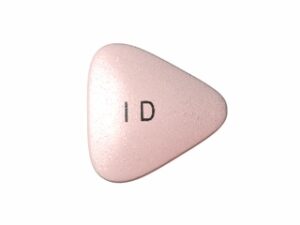

Voveran SR (Diclofenac) — Patient Information (Australia)
Voveran SR is a brand of diclofenac in a slow‑release (SR) formulation. It belongs to a group of medicines called non‑steroidal anti‑inflammatory drugs (NSAIDs). Voveran SR is used to help relieve pain, inflammation and stiffness associated with a range of conditions such as arthritis and some musculoskeletal problems.
This page explains how Voveran SR works, how it’s typically used, what to watch for, and practical tips to support safe use in everyday life in Australia.
Quick Facts
- Active ingredient: Diclofenac
- Form: SR (slow‑release) tablet
- Drug type: NSAID
- Common benefits: Helps reduce pain and inflammation
- Key safety considerations: Stomach irritation/ulcers, kidney effects, cardiovascular risk, and interaction with other medicines
- How it’s taken: Usually once daily due to slow‑release design (follow your exact product label directions)
How Voveran SR Works (Mechanism of Action)
Diclofenac works by reducing the production of certain chemicals in the body called prostaglandins. Prostaglandins contribute to pain, inflammation, and fever.
Like other NSAIDs, diclofenac primarily inhibits enzymes (commonly described as COX‑1 and COX‑2) involved in prostaglandin formation. By decreasing prostaglandins, Voveran SR can:
- Reduce inflammation (swelling and irritation)
- Relieve pain
- Improve mobility and stiffness, especially in inflammatory joint conditions
Pharmacokinetics (How the Body Handles It)
Because Voveran SR is a slow‑release formulation, the medicine is designed to release diclofenac over an extended period to help provide longer pain relief.
- Absorption: Diclofenac is absorbed after oral dosing. SR tablets release the drug gradually.
- Onset: Many people feel symptom relief within hours, but full benefit may take several days with regular use.
- Distribution: Diclofenac distributes throughout the body, including into inflamed tissues.
- Metabolism: The liver metabolises diclofenac into inactive or less active metabolites.
- Elimination: Metabolites are mainly excreted via the kidneys (urine). Some is eliminated in bile and faeces.
- Effect of age/renal or hepatic impairment: People with kidney or liver problems may need extra monitoring. NSAIDs can affect kidney blood flow.
Important: Slow‑release tablets must be swallowed whole; do not crush or chew unless your product information specifically says otherwise.
Typical Uses in Australia (Indications)
Voveran SR is used to relieve pain and inflammation associated with:
- Osteoarthritis (degenerative joint disease)
- Rheumatoid arthritis and other inflammatory arthritides
- Ankylosing spondylitis (inflammatory back arthritis)
- Musculoskeletal pain, including strains and sprains (as appropriate)
- Other conditions where a clinician determines diclofenac is suitable based on symptom severity and risk factors
Note: The exact approved indications and dosing can vary by product strength and local regulatory information. Always follow the instructions provided with your specific Voveran SR pack.
Dosing and Timing
Dosing depends on the condition being treated, your age, and your risk factors. Because Voveran SR is slow‑release, it is generally taken once daily in many dosing regimens, but you should follow the directions on your label or product instructions.
| Topic | Typical patient guidance (general) |
|---|---|
| When to take | Usually once daily. Take at a similar time each day. |
| How to take | Swallow the tablet whole with water. Do not crush or chew (unless directed). |
| With/without food | May be taken with food to reduce stomach upset (see food interactions section). |
| Duration | Use for the shortest time that controls symptoms. If pain persists, seek medical review. |
If you miss a dose: Take it when you remember on the same day. If it’s close to the next dose, skip the missed dose and continue your schedule. Do not take a double dose.
Do not combine without checking: Avoid taking more than one NSAID at a time (e.g., do not take diclofenac together with ibuprofen or naproxen) unless specifically advised.
Food Interactions (What to Know)
Food can influence tolerance rather than the core way diclofenac works.
- With meals: Taking NSAIDs with food may reduce irritation of the stomach lining.
- Empty stomach: Taking diclofenac on an empty stomach can increase the chance of heartburn, nausea, or stomach pain.
- Overall absorption: With SR products, food effects can be modest, but tolerance is often better when taken with or after food.
Practical tip: If you’re prone to indigestion, take Voveran SR with a meal or snack (and water) unless your product information says otherwise.
Alcohol and Medicine Interactions
Alcohol
Alcohol can increase the risk of stomach bleeding and irritation when used with NSAIDs.
- It’s best to limit or avoid alcohol while taking Voveran SR.
- If you drink, consider keeping intake low and never “test” higher amounts while on NSAIDs.
Other Medicines that May Interact
Diclofenac can interact with several commonly used medicines. Interactions may increase side effects or reduce benefit.
| Medicine class | Why it matters |
|---|---|
| Other NSAIDs (e.g., ibuprofen, naproxen, aspirin for pain) | Higher risk of stomach ulcers/bleeding and kidney strain. |
| Anticoagulants (e.g., warfarin, DOACs like apixaban/rivaroxaban) | Higher bleeding risk. |
| Antiplatelets (e.g., clopidogrel, some aspirin regimens) | Increased bleeding risk, especially if stomach lining is vulnerable. |
| SSRIs/SNRIs (e.g., sertraline, fluoxetine, venlafaxine) | May increase risk of gastrointestinal bleeding when combined with NSAIDs. |
| Corticosteroids (e.g., prednisone) | Further increases risk of stomach ulcers/bleeding. |
| ACE inhibitors and ARBs (e.g., perindopril, enalapril, losartan) | NSAIDs can reduce kidney function; combined use may increase kidney risk. |
| Diuretics (e.g., hydrochlorothiazide, furosemide) | May further affect kidney function, especially with dehydration. |
| Lithium | NSAIDs may raise lithium levels, increasing toxicity risk. |
| Methotrexate | NSAIDs can increase methotrexate levels, increasing side effects. |
| Digoxin | NSAIDs may affect digoxin levels in some cases. |
| Diabetes medicines (some) | NSAIDs can affect glucose control indirectly; monitor if advised. |
| Blood pressure medicines | NSAIDs can reduce the effect of some antihypertensives. |
Always tell your pharmacist about all medicines you take, including non‑prescription products and supplements.
Safety Profile and When to Be Extra Careful
Diclofenac is effective for many people, but NSAIDs can cause significant side effects. The risks may be higher with:
- Higher doses or longer duration
- Older age
- Past history of stomach ulcers or bleeding
- Heart disease or stroke history
- Kidney problems, dehydration, or concurrent kidney‑affecting medicines
- Smoking and heavy alcohol use
Common Side Effects
- Indigestion, heartburn
- Nausea
- Abdominal pain
- Headache or dizziness (less commonly)
Serious Risks (Seek Urgent Help)
Stop taking Voveran SR and seek urgent medical attention if you experience:
- Signs of stomach bleeding: vomiting blood, black/tarry stools, or blood in stools
- Allergic reactions: swelling of face/lips, wheezing, severe rash, or difficulty breathing
- Severe skin reactions: blistering or peeling skin
- Chest pain, sudden breathlessness, or weakness on one side (possible cardiovascular or clot symptoms)
- Reduced urine output, swelling in legs/ankles, or severe fatigue (possible kidney issues)
Who Should Avoid or Discuss Carefully
People may need to avoid diclofenac or use it only with careful medical advice if they have:
- A history of NSAID‑induced asthma or NSAID allergy
- Known stomach ulcer or gastrointestinal bleeding history
- Significant kidney disease
- Significant heart disease, previous stroke, or uncontrolled high blood pressure
- Active bleeding disorders
Pregnancy and breastfeeding: NSAIDs are generally not recommended in later pregnancy. If you are pregnant, trying to conceive, or breastfeeding, discuss options with a healthcare professional before use.
Practical Use Tips (Get the Most From Your Treatment)
- Use the lowest effective dose for the shortest time needed to control symptoms.
- Swallow whole with water to keep the slow‑release mechanism working properly.
- Take with food if you get stomach discomfort.
- Stay hydrated, especially if you’re older or take diuretics.
- Don’t double up on NSAIDs (avoid ibuprofen/naproxen alongside).
- Watch timing with other medicines: If you take blood pressure drugs, diuretics, anticoagulants, or antidepressants, check interactions.
- Monitor symptoms: If pain does not improve or worsens, or if new symptoms appear, seek review rather than simply extending use.
Alternative Options
If diclofenac isn’t suitable—or if you want additional or different strategies—there are alternatives depending on the cause of your pain.
Other NSAIDs
- Ibuprofen (shorter acting)
- Naproxen
- Celecoxib (a COX‑2 selective NSAID; may be suitable for some people, but still has risks)
Non‑NSAID Options
- Paracetamol (acetaminophen) for pain (does not provide the same anti‑inflammatory effect as NSAIDs)
- Topical anti‑inflammatory gels (e.g., diclofenac gel where appropriate) for localised joint pain—often with lower systemic exposure than tablets
- Physiotherapy, exercise, weight management and heat/cold therapy for many musculoskeletal conditions
Your best option depends on your medical history, current medicines, and the type of pain. A pharmacist can help you compare options safely.
Market and Legal Context for Australia (General Overview)
In Australia, medicines are regulated by the TGA (Therapeutic Goods Administration). Products containing diclofenac are supplied under Australian scheduling rules, which may differ between strengths and formulations. NSAIDs may be available under different restrictions compared with paracetamol.
Online pharmacies in Australia must comply with local requirements for medicine supply, including customer verification processes, product eligibility checks, and responsible dispensing practices.
Important: Supply rules and eligibility can change, and the availability of Voveran SR may vary by pack size and strength.
Recent Guidance and Risk Updates (What Patients Should Know)
Over time, regulatory agencies and professional bodies worldwide have emphasised that NSAIDs, including diclofenac, can increase risks for:
- Gastrointestinal bleeding and ulcers
- Cardiovascular events (especially in people with risk factors)
- Kidney impairment—particularly with dehydration or concurrent kidney‑affecting medicines
Recent communications generally focus on:
- Using the lowest effective dose for the shortest duration
- Considering stomach protection strategies for higher‑risk patients when NSAID therapy is needed
- Reviewing medicine interactions (especially anticoagulants, antiplatelets, corticosteroids, and certain antidepressants)
- Encouraging patients to seek advice promptly if they develop warning signs such as black stools, persistent stomach pain, unusual bruising, or swelling
Delivery and Availability (Online Pharmacy)
Availability and dispatch times can vary depending on stock levels and your location in Australia.
- Dispatch: Many orders are dispatched within 1–2 business days when in stock.
- Delivery time: Delivery speed depends on carrier services and whether your area is metro or regional.
- Packaging: Medicines are typically packed to protect tablets from moisture and damage.
- Stock alerts: If a product is out of stock, an online pharmacy may offer restock notifications or alternatives.
Tip: If you need ongoing symptom control, place orders early to avoid gaps—especially if you take Voveran SR regularly for chronic conditions.
FAQ — Common Questions About Voveran SR
1) What is Voveran SR used for?
Voveran SR (diclofenac) is used to relieve pain and inflammation, commonly in conditions such as osteoarthritis, rheumatoid arthritis, ankylosing spondylitis, and certain musculoskeletal problems.
2) How fast does it work?
Many people notice pain relief within hours. If inflammation is the main driver of symptoms, it may take several days of regular use to feel the full effect.
3) Should I take Voveran SR with food?
Taking it with food may reduce stomach upset. If you’re prone to indigestion or have a sensitive stomach, this is often a helpful approach.
4) Can I take it with other pain relievers?
Avoid taking another NSAID at the same time (e.g., ibuprofen or naproxen). Paracetamol is often used for additional pain relief, but you should still check totals and suitability for your health profile.
5) Can I drink alcohol while taking diclofenac?
It’s best to limit or avoid alcohol while taking NSAIDs, as alcohol can increase the risk of stomach irritation and bleeding.
6) What should I do if I forget a dose?
Take it when you remember on the same day, but don’t take a double dose. If it’s near the next scheduled dose, skip the missed dose and continue.
7) Who should be extra cautious?
People with a history of ulcers or bleeding, kidney disease, significant cardiovascular risk, or those taking anticoagulants, antiplatelets, corticosteroids, or certain antidepressants should discuss use carefully before starting.
8) Are there warning signs I should watch for?
Yes. Seek urgent help if you notice black/tarry stools, vomiting blood, severe allergic reactions (swelling or breathing difficulty), chest pain, or reduced urination.
9) Can I crush or chew Voveran SR?
Do not crush or chew slow‑release tablets unless the product instructions specifically state you can. Swallow whole to maintain the SR release profile.
10) What are safer alternatives if diclofenac doesn’t suit me?
Depending on the cause of your pain, alternatives may include other NSAIDs, topical anti‑inflammatory treatments, paracetamol, or non‑medicine options such as physiotherapy, exercise, and heat/cold therapy.
Important Patient Reminder
This information is intended to help you understand Voveran SR and its safe use. Individual risks and suitability depend on your health history and other medicines. If you have questions about interactions, side effects, or the best pain management option for your situation, speak with a qualified pharmacist.