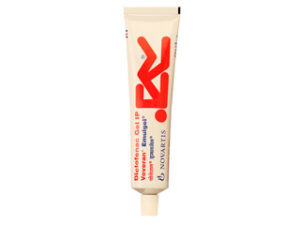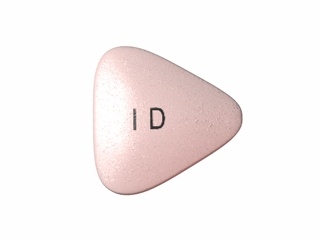

Voveran (Diclofenac) – Patient Guide (Australia)
Voveran is a brand of the medicine diclofenac, a well-known anti-inflammatory and pain-relieving drug. It is used for a range of painful and inflammatory conditions, from joint pain to period pain and certain muscle aches.
This guide is written to help you understand how Voveran works, how it’s usually taken, and what to consider for safer use. Always follow the directions on the product pack and the advice of a healthcare professional where relevant.
Basic Product Information
- Brand: Voveran
- Generic name: Diclofenac
- Medicine class: NSAID (non-steroidal anti-inflammatory drug)
- Common forms: Tablets and other diclofenac formulations may be available depending on the product range
- Typical actions: Pain relief, anti-inflammatory effect, fever reduction (in some cases)
Important note: Different Voveran/diclofenac products may have different strengths and release characteristics. The information below focuses on diclofenac generally. Check your exact pack for dose strength and instructions.
How Voveran (Diclofenac) Works (Mechanism of Action)
Diclofenac is an NSAID. It works by reducing the production of prostaglandins—chemicals in the body that contribute to:
- Pain (by sensitising pain pathways)
- Inflammation (by promoting inflammatory processes)
- Swelling and tissue irritation
Diclofenac mainly blocks enzymes called cyclooxygenase (COX) that are involved in prostaglandin formation. Less prostaglandin leads to reduced pain and inflammation.
Pharmacokinetics (How the Body Handles Diclofenac)
Pharmacokinetics describes what happens to a medicine in the body: absorption, distribution, metabolism, and excretion. Diclofenac generally follows these principles:
- Absorption: Diclofenac is absorbed from the gastrointestinal tract after oral dosing.
- Onset of effect: Pain relief may start within hours. Many people notice benefit relatively quickly, but full effect can vary by condition.
- Protein binding: Diclofenac binds significantly to plasma proteins.
- Metabolism: The medicine is metabolised mainly in the liver.
- Excretion: Metabolites are removed primarily via the kidneys and bile.
- Half-life: The elimination time is typically several hours (varies by formulation and patient factors).
Because diclofenac is metabolised in the liver and cleared by the body, people with liver disease, kidney impairment, or other major health issues should use NSAIDs only with appropriate medical guidance.
What Is Voveran (Diclofenac) Used For? (Typical Use & Indications)
Voveran is used to treat conditions where pain and inflammation are part of the problem. Depending on the product and your health plan, diclofenac may be used for:
- Musculoskeletal pain: such as sprains, strains, and back pain
- Joint and arthritic pain: including osteoarthritis (symptom relief) and other inflammatory joint conditions
- Inflammation and swelling: where an NSAID is appropriate
- Dental pain (for short-term symptom relief, where advised)
- Period pain (dysmenorrhoea)
- Other pain states where a clinician determines an NSAID is suitable
The exact suitability depends on your age, medical history (including stomach ulcers or heart/kidney risk), and whether you take other medicines.
When to Take Voveran (Timing and How to Use)
Timing can help you get comfortable relief while reducing side effects. Follow your pack instructions for dosing frequency and maximum daily dose.
General timing tips
- Use at the lowest effective dose for the shortest time needed.
- Take with food or after meals if your pack allows it, especially if you’re prone to stomach upset. This can reduce gastrointestinal irritation.
- Space doses evenly if you’re taking more than once per day (unless your product instructions differ).
- Stop and seek advice if your pain worsens, persists, or you develop concerning symptoms.
How fast it may work
Diclofenac often starts working within a few hours. For flare-ups such as muscle soreness or period pain, some people find that starting early helps. For inflammatory joint pain, benefit may build over days.
Food Interactions (Should You Take It With or Without Food?)
Food can affect how comfortably NSAIDs sit in the stomach. In general:
- Taking diclofenac with food (or after meals) may reduce stomach irritation.
- Avoid taking on an empty stomach if you have a history of gastritis, ulcers, or reflux.
Certain formulations may have specific instructions. Always use the directions on your exact Voveran pack. If you’re unsure, check the product label or ask a pharmacist.
Alcohol and Medicine Interactions (Key Safety Considerations)
Alcohol
Alcohol can increase the risk of stomach irritation and bleeding with NSAIDs, and it may also worsen dizziness or stomach side effects. For safer use, it’s generally recommended to avoid or limit alcohol while taking diclofenac.
Important medicine interactions
Some interactions may increase the risk of side effects or change how medicines work. Tell your pharmacist or doctor about all medicines and supplements you use, including over-the-counter products.
- Other NSAIDs (e.g., ibuprofen, naproxen, aspirin for pain): avoid combining unless specifically advised.
- Blood thinners (e.g., warfarin): NSAIDs may increase bleeding risk.
- Antiplatelet medicines (e.g., clopidogrel) and aspirin: may increase bleeding risk.
- Corticosteroids (e.g., prednisolone): may increase gastrointestinal ulcer/bleeding risk.
- SSRIs/SNRIs (certain antidepressants): may increase bleeding risk when combined with NSAIDs.
- ACE inhibitors / ARBs (blood pressure medicines): may affect kidney function risk when combined with NSAIDs, particularly in older adults or dehydrated people.
- Diuretics (water tablets): combined with NSAIDs can affect kidney function in some people.
- Lithium: diclofenac may raise lithium levels.
- Methotrexate: NSAIDs can affect methotrexate clearance and may increase toxicity risk.
- Other medicines processed by the liver: metabolism can be affected—check with a pharmacist if you take multiple long-term medicines.
If you’re taking multiple medicines, it’s a good idea to ask a pharmacist to review interaction risks before starting diclofenac.
Dosing (How Much to Take)
Dosing varies by age, indication, and the specific Voveran formulation. Always use the dosing schedule printed on your product label. Never exceed the recommended dose or frequency.
Typical approach (general guidance)
- Adults often use diclofenac in divided doses over the day, depending on the strength and formulation.
- Lowest effective dose is preferred.
- Short-term use is commonly recommended for many conditions.
Missed dose
If you miss a dose, take it when you remember unless it’s close to the next dose. Do not take a double dose to make up for missed tablets.
Do not exceed maximum
Overuse increases the risk of adverse effects, especially stomach bleeding, kidney strain, and cardiovascular risks. If symptoms are not improving, seek advice rather than increasing dose.
Safety Profile (Possible Side Effects and When to Seek Help)
Like all medicines, diclofenac can cause side effects. Many people tolerate it well when used correctly, but some effects can be serious.
Common side effects
- Stomach upset, indigestion, nausea
- Abdominal pain or discomfort
- Heartburn
- Headache or dizziness
Serious side effects (urgent medical attention)
Seek urgent medical help if you experience any of the following:
- Signs of stomach bleeding: black/tarry stools, vomiting blood, or persistent severe abdominal pain
- Allergic reaction: facial swelling, wheezing, severe rash, or trouble breathing
- Chest pain, sudden shortness of breath, weakness on one side, or sudden speech difficulty
- Severe skin reactions (rare): blistering rash, peeling skin
- Kidney-related symptoms: reduced urination, significant swelling, or unexplained fatigue
- Yellowing of the skin/eyes (jaundice) or dark urine, which may suggest liver issues
Risk factors to consider
Your risk of adverse effects can be higher if you have:
- a past history of stomach ulcers or gastrointestinal bleeding
- heart disease or a history of stroke
- high blood pressure, high cholesterol, diabetes, smoking history, or a strong family history of heart disease
- kidney impairment or dehydration
- ageing (older adults are often at higher risk)
- taking multiple medications that affect bleeding risk
Practical Use Tips (How to Use Voveran Safely)
- Read your label carefully: check the strength and dosing frequency for your exact product.
- Take with food if your stomach is sensitive.
- Stay hydrated, especially if you’re in hot weather or have been unwell.
- Don’t combine NSAIDs: avoid using diclofenac alongside other NSAIDs unless directed.
- Track symptom improvement: if pain isn’t improving within the expected timeframe, consider speaking to a pharmacist or doctor.
- Use non-medicine strategies: rest, gentle movement, heat/cold packs, stretching (for musculoskeletal pain) and ergonomic changes may improve recovery and reduce dose needs.
If you are considering long-term use for chronic conditions, a clinician may recommend a different approach or stomach/heart-kidney protective strategies based on your risk profile.
Alternative Options (What Else Can Help?)
If diclofenac isn’t suitable, other pain relief options may be considered depending on your condition and medical history:
Non-medicine measures
- Heat or ice therapy (choose based on comfort and whether pain is acute)
- Physiotherapy and strengthening exercises for joint or back pain
- Activity modification and posture changes
Other medicines commonly used for pain/inflammation
- Paracetamol (acetaminophen) for pain relief
- Other NSAIDs (e.g., ibuprofen or naproxen) where appropriate
- Topical NSAIDs (e.g., diclofenac gel) for localised joint or muscle pain—often with lower systemic absorption
Because side-effect risks can vary by person, your pharmacist can help compare options for your specific symptoms and health background.
Market and Legal Context for Australia (General Overview)
In Australia, the sale of medicines depends on how they are classified under the Therapeutic Goods framework and whether products are prescription-only or available under pharmacy arrangements. Availability may vary by brand, strength, and formulation.
Many NSAIDs may be available through different pathways (for example, some can be supplied under certain conditions through pharmacies). Always ensure the product you order matches the intended strength and formulation and that you can use it safely.
Online pharmacies in Australia typically require customer details such as age, relevant medical history, and other medicines to support safe supply. If your situation suggests higher risk (for example, history of ulcers or kidney issues), you may be advised to seek professional medical advice.
Recent Guidance and Ongoing Advice (What to Keep in Mind)
Ongoing health advice for NSAID use generally focuses on:
- Using the lowest effective dose for the shortest possible duration
- Recognising that NSAIDs can increase risk for gastrointestinal bleeding
- Balancing pain relief with potential cardiovascular and kidney risks in susceptible people
- Paying attention to interactions—particularly with anticoagulants, antiplatelets, corticosteroids, SSRIs/SNRIs, and certain blood pressure medicines
If you’ve used NSAIDs before and experienced stomach problems, have heart/kidney risk factors, or are taking multiple medicines, it’s especially important to discuss your options with a pharmacist.
Delivery and Availability (Online Pharmacy Information)
Availability of Voveran (diclofenac) may vary by:
- Strength and formulation (tablets vs other types)
- Current pharmacy stock
- Australian supply and packaging requirements
When ordering online, delivery timing can depend on the destination and dispatch schedules. Look for:
- Estimated delivery timeframes displayed at checkout
- Shipping costs and any delivery exclusions
- Product packaging integrity on dispatch
If you need urgent relief, choose a delivery option that best fits your timeframe. Always check that you have enough supply for the dosing period you plan to use.
Comparison Table (Key Takeaways)
| Topic | Voveran (Diclofenac) Summary |
|---|---|
| Medicine type | NSAID for pain and inflammation |
| Main benefits | Reduces pain, swelling, and inflammation |
| How it works | Blocks COX enzymes → reduces prostaglandins |
| When it may start working | Often within hours (varies by condition and formulation) |
| Food effects | Taking with/after food may reduce stomach upset |
| Alcohol | May increase stomach irritation/bleeding risk—limit/avoid |
| Key interactions | Other NSAIDs, anticoagulants, antiplatelets, steroids, SSRIs/SNRIs, some blood pressure and kidney-related meds |
| Seek urgent help if | Black stools, vomiting blood, allergic reaction, chest pain, breathing trouble, severe rash, jaundice, reduced urination |
FAQ – Frequently Asked Questions
1) Is Voveran the same as diclofenac?
Yes. Voveran is a brand name of the active ingredient diclofenac. Different formulations may exist, so check your specific product label for strength and dosing instructions.
2) How long can I take diclofenac?
In general, NSAID use is intended for the shortest time needed to control symptoms. If you require ongoing treatment, discuss it with a pharmacist or doctor, especially if you have risk factors for stomach, heart, or kidney problems.
3) Can I take Voveran with food?
Often yes—taking it with food or after meals may reduce stomach irritation. However, always follow the directions on your exact pack because some formulations have specific instructions.
4) What should I avoid while taking Voveran?
- Avoid other NSAIDs unless a clinician instructs otherwise.
- Limit or avoid alcohol.
- Be cautious with medicines that increase bleeding risk (e.g., blood thinners, antiplatelets, corticosteroids, some antidepressants).
5) What if I accidentally take too much?
Taking more than the recommended dose increases the risk of serious side effects, including stomach bleeding and kidney issues. If you suspect an overdose or you’re worried, seek urgent medical advice or contact a poison information service immediately.
6) Can Voveran help with back pain or joint pain?
It may help relieve pain and inflammation in musculoskeletal conditions such as back pain and arthritis flare-ups. If pain persists, recurrent, or is severe, it’s important to get the underlying cause assessed.
7) Does diclofenac treat the cause of illness?
Diclofenac mainly provides symptom relief by reducing inflammation and pain. It does not cure the underlying cause of conditions such as arthritis or injury.
8) Are there people who should use diclofenac with extra caution?
Yes. Extra caution is needed if you have a history of stomach ulcers or bleeding, heart disease or stroke, kidney problems, uncontrolled high blood pressure, asthma worsened by NSAIDs, or if you take medicines that affect bleeding or kidney function.
9) Can I drive or operate machinery?
Some people experience dizziness or headache. If you feel unwell, dizzy, or drowsy, avoid driving or using machinery until you feel steady.
10) Are there alternatives to Voveran?
Alternatives may include paracetamol, other NSAIDs, or topical anti-inflammatory medicines such as diclofenac gel for local pain. The best option depends on your symptoms and risk factors.
Disclaimer: This information is general and not a substitute for personalised medical advice. If you have concerns about suitability or interactions, consult a pharmacist or healthcare professional.