Testosterone Topical (Local Skin Treatment) — Patient Guide (Australia)
Testosterone topical is a medicine used to treat low testosterone levels in people whose bodies do not produce enough natural testosterone. It is applied to the skin so that testosterone can be absorbed through the body and help restore testosterone levels.
This patient-friendly guide explains how testosterone topical works, how it is used, what to expect, and important safety information. It is written for an Australian audience and includes practical tips, interactions, and frequently asked questions.
Basic product information
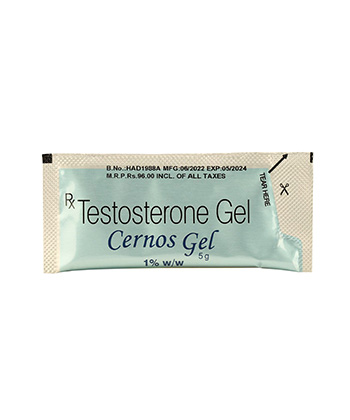
Product names, strengths, and formulations vary by brand. Testosterone topical medicines may be available as gels or solutions applied to the skin. Common features include:
- Active ingredient: Testosterone
- Form: Topical skin preparation (gel/solution)
- Route of administration: Absorbed through the skin
- Key benefit: Raises testosterone levels to help relieve symptoms of testosterone deficiency
Where it comes in your treatment plan: Testosterone therapy is usually considered when blood tests and symptoms suggest testosterone deficiency. Your clinician may monitor your response with blood tests (commonly including testosterone and blood count).
How testosterone works (mechanism of action)
Testosterone is a naturally occurring androgen (a male sex hormone). It influences multiple body systems, including:
- Sexual function (libido, erectile function in some people)
- Muscle and strength
- Bone density
- Red blood cell production (via effects on erythropoiesis)
- Fat distribution and metabolic health
- Overall energy and wellbeing for some individuals
When testosterone topical is absorbed through the skin, it increases circulating testosterone. Testosterone then binds to androgen receptors in target tissues, producing the biological effects described above.
Pharmacokinetics (how the body handles it)
Because testosterone topical is absorbed through the skin rather than taken by mouth, its absorption and metabolism differ from some other formulations:
- Absorption: Testosterone is absorbed through the skin at the application site.
- Peak levels: Blood testosterone levels typically rise after application, with timing depending on the product and the area of application.
- Distribution: Testosterone circulates in the blood bound to proteins (including sex hormone-binding globulin and albumin).
- Metabolism: Testosterone is metabolised in the liver and other tissues, and converted to metabolites including estradiol and dihydrotestosterone.
- Elimination: Metabolites are eliminated primarily via urine (and partly via faeces).
Practical takeaway: Consistent application at the correct time and to the correct skin area helps maintain stable testosterone levels and better symptom control.
What testosterone topical is used for (indications)
Testosterone topical is used to treat testosterone deficiency in adult men with confirmed low testosterone levels. It may help with symptoms such as:
- Reduced libido
- Erectile dysfunction associated with low testosterone
- Reduced energy or fatigue
- Loss of muscle mass/strength
- Some changes in mood or wellbeing
- Sometimes decreased bone density over time
Important note: Testosterone therapy is most effective when low testosterone is confirmed by blood testing and when symptoms match the clinical picture.
Typical timing and when you might notice results
Topical testosterone is commonly applied once daily depending on the specific product instructions. The exact schedule depends on the formulation.
- Early changes: Some people notice improvements in libido/energy within a few weeks.
- Muscle and strength: Often take longer (several weeks to a few months).
- Blood test changes: Testosterone levels and related blood markers are typically checked after starting therapy and after dose adjustments.
Tip: If you miss an application, do not “double up” unless your product instructions specifically allow it. Instead, follow the missed-dose guidance provided with your medicine or ask a pharmacist.
Dosing: how to apply (general guidance)
Dosing depends on the product strength and your individual response. Only the instructions supplied with your specific brand should be followed for the exact number of pumps/applications or measured amounts.
General dosing principles
- Use the lowest effective dose that achieves symptom relief and appropriate blood testosterone levels.
- Apply to clean, dry, unbroken skin.
- Rotate application sites within the recommended area if the product instructions allow (this may reduce local skin irritation).
- Wash hands after application.
- Avoid contact transfer to others by covering the area with clothing and following skin-to-skin precautions.
Timing
- Apply at the same time each day to maintain steadier levels.
- Most topical testosterone instructions include specific guidance about showering/swimming and waiting time before dressing.
Skin-to-skin transfer matters: Testosterone can transfer from skin to another person through close contact (for example, skin contact with partners or children). This is one of the most important practical safety issues with topical testosterone.
Practical use tips (to improve effectiveness and safety)
- Choose the right skin area: Follow your product instructions for recommended sites (commonly shoulders/upper arms, depending on brand).
- Do not apply to the genital area unless instructed: Some products specify certain regions; others provide different directions. Use only the approved area.
- Let it dry: Avoid touching or rubbing the treated skin until it has dried completely.
- Cover with clothing: After the recommended drying time, cover the area with clothing to reduce transfer risk.
- Hand hygiene: Wash hands thoroughly after applying.
- Avoid bathing/swimming immediately after: Follow the waiting time specified in the product instructions.
- Use only for your own treatment: Do not share the product or allow others to use it.
- Storage: Keep the product as directed (often at room temperature and away from heat).
Transfer precautions: If you have close contact with children, women who are pregnant, or anyone who might be at risk of testosterone exposure, take extra care to prevent transfer by covering the area and maintaining good hygiene.
Food interactions
Because testosterone topical is absorbed through the skin, food interactions are generally not expected in the same way as tablets or capsules.
However, some people take medications that interact indirectly with testosterone (for example, drugs affecting liver enzymes or hormone pathways). Always mention your medicines to your pharmacist or clinician.
Alcohol interactions
Moderate alcohol use may not directly interact with topical testosterone. Still, alcohol can affect overall health, liver function, mood, sleep, and blood pressure—factors that can matter during testosterone therapy.
- Best practice: Keep alcohol within recommended Australian guidelines (where applicable to your health).
- Use caution if you have liver disease: Discuss with a clinician because testosterone and alcohol both can affect the liver.
Medicine interactions (important)
Testosterone can interact with other medicines in a few ways—through effects on hormone activity, red blood cells, or liver metabolism. Always review your full medicine list with a pharmacist.
Examples of interaction considerations include:
- Oral anticoagulants (blood thinners): Testosterone may influence clotting control. Monitoring may be needed.
- Corticosteroids: Using with testosterone can affect fluid retention in some cases.
- Medications that affect liver enzymes: These may influence testosterone levels in the body.
- Other hormone-modifying treatments: Combining androgen therapy with other hormonal medicines may increase side effects or alter expected outcomes.
- Diabetes medicines: Testosterone may change insulin sensitivity for some people.
Do not start or stop other medicines (including supplements) without checking first.
Safety profile and common side effects
Like all medicines, testosterone topical can cause side effects. Many side effects are dose-related and can be reduced by adjusting the dose or application routine.
Common side effects
- Skin irritation at the application site (redness, itching, dryness)
- Headache
- Acne or oily skin
- Swelling of ankles/feet (fluid retention) in some people
- Changes in mood or irritability
- Changes in libido
Important potential risks
- Increased red blood cell count (erythrocytosis): Testosterone may increase haemoglobin/haematocrit. Blood tests are important.
- Prostate-related concerns: In older men or those with prostate disease, testosterone may worsen symptoms. Monitoring is advised.
- Breast tenderness/enlargement: Due to conversion of testosterone to oestrogen in some individuals.
- Sleep apnoea worsening: Testosterone can worsen sleep apnoea in susceptible individuals.
- Fertility changes: Testosterone therapy can reduce sperm production and may affect fertility.
- Testosterone transfer: Can cause unwanted androgen exposure in close contacts if precautions are not followed.
Seek urgent medical help if you experience
- Chest pain, sudden shortness of breath, or signs of a blood clot
- Severe headache, vision changes, weakness on one side
- Allergic reaction symptoms (swelling of face/lips, difficulty breathing, widespread rash)
Monitoring and follow-up (what clinicians often check)
During testosterone therapy, monitoring helps ensure safe and effective treatment. Your clinician may schedule follow-ups to check:
- Testosterone levels
- Full blood count (haemoglobin/haematocrit)
- Prostate monitoring where appropriate
- Liver function if clinically relevant
- Symptoms and side effects
If you feel symptoms are not improving or side effects occur, do not adjust the dose on your own—contact your pharmacist or clinician.
Alternative options for testosterone deficiency
Depending on the underlying cause and individual preferences, alternative approaches may include:
- Other testosterone formulations: Different topical brands, testosterone injections, or other delivery systems may be considered.
- Treating the underlying cause: Some people have low testosterone due to reversible factors (for example, certain medications, weight changes, sleep apnoea, or pituitary problems).
- Fertility-preserving options: For people trying to conceive, certain treatments may be preferred over standard testosterone because they can have different effects on sperm production (discuss options with a clinician).
- Lifestyle measures: Exercise, managing sleep apnoea, weight management, and reducing excessive alcohol may help overall health and symptoms.
A pharmacist can explain differences between options in terms of convenience, side effects, and practical use.
Market and legal context for Australia (what to expect)
In Australia, testosterone medicines are regulated medicines, and access may require assessment by a healthcare professional depending on the product and indication. Requirements can vary by formulation and brand. Online pharmacy supply is expected to follow Australian regulations and quality systems.
Key points for Australian customers:
- Medicines supplied through legitimate channels must comply with Australian regulatory requirements.
- Product labels, consumer medicine information (CMI), and approved instructions should be provided with the medicine.
- Because testosterone affects hormones and may require monitoring, appropriate screening and follow-up are important.
Recent guidance (general): Australian clinicians commonly emphasise careful patient selection, confirmation of low testosterone with appropriate blood testing, awareness of cardiovascular and prostate-related risks, and consistent monitoring (including full blood count). Follow the advice you receive from your healthcare team and the directions on the product packaging.
Delivery and availability
Availability of testosterone topical may vary by brand and strength. Online pharmacies in Australia typically provide delivery within Australia, with dispatch dependent on stock levels and product availability.
- Delivery times: Vary by postcode and courier service.
- Packaging: Medicines are usually shipped in secure packaging to protect from damage.
- Tracking: Many pharmacies offer shipment tracking updates.
When ordering online, ensure you select the correct product strength and follow the dosing instructions supplied with your specific brand.
How to store testosterone topical
- Store at the temperature stated on the pack (often room temperature).
- Keep away from direct sunlight and heat.
- Keep out of reach and sight of children.
- Do not use after the expiry date printed on the carton/label.
FAQ
1) How long does it take to work?
Some improvements (such as libido or energy) may be noticed within weeks, but full benefits—like changes in muscle mass—often take longer (several months). Your response may also depend on dose, application consistency, and underlying health factors.
2) Can women or children be exposed to the medicine?
Accidental skin transfer is a key concern. Testosterone can cause unwanted androgen effects if it transfers to another person. Avoid skin-to-skin contact with the treated area and cover the application site after it dries. Take extra precautions with children and with pregnant individuals.
3) What should I do if I miss a dose?
Follow the missed-dose guidance in your product instructions. In many cases, you should apply when you remember unless it is close to the next scheduled dose. Avoid applying extra doses unless instructed, and consult a pharmacist if unsure.
4) Can I shower or swim after applying?
Most products include a specific waiting time before showering, swimming, or sweating. You should follow the instructions in your medicine pack to reduce the risk of reduced absorption and transfer.
5) Will I need regular blood tests?
Yes. Monitoring is commonly required to ensure testosterone levels are in the desired range and to check for side effects such as increased red blood cells. Your clinician will advise the schedule.
6) What skin irritation is normal, and when should I stop?
Mild temporary redness or dryness can occur. Stop and seek advice if you develop severe rash, swelling, blistering, or symptoms of allergy. Also seek advice if irritation persists despite correct application technique.
7) Can I drink alcohol while using testosterone topical?
Moderate alcohol use may be acceptable for many people, but keep within recommended limits and be cautious if you have liver disease or other risk factors. If you have concerns, ask your pharmacist.
8) Does testosterone topical affect fertility?
Testosterone therapy can reduce sperm production in some individuals. If fertility is important, discuss options with a clinician before starting or continuing treatment.
9) What if my symptoms don’t improve?
Don’t increase the dose on your own. Symptoms may improve slowly or may be due to other causes. Talk to your healthcare professional about reassessing diagnosis, testosterone levels, dose, and overall health.
10) Are there alternatives to topical testosterone?
Yes. Alternatives include other testosterone formulations (such as injections) and, for some people, different hormonal or non-hormonal approaches depending on the cause of low testosterone.
Summary
Testosterone topical is used to treat testosterone deficiency in appropriate adults by delivering testosterone through the skin. It can improve symptoms such as libido, energy, and physical function, but it requires correct daily application and careful safety precautions to prevent unwanted skin transfer to others. Monitoring with blood tests and symptom review helps ensure benefits while managing risks such as increased red blood cells and prostate-related concerns.
If you’d like, you can consult a pharmacist to confirm how to use your specific brand safely, including skin-to-skin transfer precautions, timing, and what to do if you miss a dose.