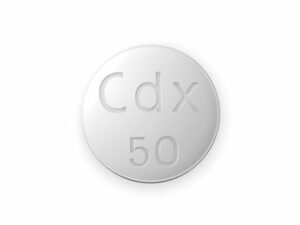


Tamsulosin (for Australia): Patient-Friendly Guide
Tamsulosin is a medicine commonly used in Australia to help relieve urinary symptoms caused by an enlarged prostate (benign prostatic hyperplasia, or BPH). It works by relaxing certain muscles in the prostate and bladder neck, making it easier to pass urine.
This guide explains how tamsulosin works, how it is used, what to expect, and important safety information for patients. It is written for easy online reading and includes practical tips to support safe use.
Quick Product Information
| Feature | What to know |
|---|---|
| Generic name | Tamsulosin |
| Common purpose | Helps relieve urinary symptoms in BPH |
| How it works | Relaxes smooth muscle via alpha-1 blockers |
| Typical formulation | Often an extended-release capsule (e.g., modified release) |
| When it may start helping | Often within days, with symptom improvement over time |
| Key safety points | Dizziness/low blood pressure possible; eye complications during cataract surgery can occur |
What Is Tamsulosin?
Tamsulosin is a type of medicine known as an alpha-1 adrenergic receptor blocker. In the context of BPH, it helps reduce resistance to urine flow by relaxing muscles in the lower urinary tract. This can improve symptoms such as weak urine stream, difficulty starting urination, frequent urination, and urgency.
Tamsulosin is commonly available in Australia in modified-release forms designed to provide steady medicine levels over the day.
Mechanism of Action (How It Works)
Tamsulosin primarily blocks alpha-1 receptors in the prostate and bladder neck. By doing so, it:
- Relaxes smooth muscle in the prostate and bladder outlet.
- Improves urine flow by reducing obstruction.
- Helps relieve lower urinary tract symptoms associated with BPH.
Unlike medicines that reduce prostate size, tamsulosin works mainly by improving function and flow rather than shrinking the prostate.
Pharmacokinetics (Absorption, Distribution, Metabolism, Excretion)
Pharmacokinetics describes how the body handles a medicine. While individual responses vary, the general pattern for tamsulosin is:
- Absorption: Tamsulosin is absorbed from the gut. Modified-release formulations are designed to maintain more consistent drug levels.
- Food effects: Taking tamsulosin after a meal may improve absorption for some formulations.
- Distribution: It binds to plasma proteins to a moderate degree.
- Metabolism: Primarily metabolised by the liver (involving CYP enzymes).
- Elimination: Metabolites are excreted mainly via the kidneys (urine) and partially via bile.
Because liver metabolism plays a role, patients with severe liver impairment should discuss suitability with a healthcare professional.
Typical Use in Australia
In Australia, tamsulosin is widely used for men with benign prostatic hyperplasia (BPH) to relieve urinary symptoms. It may be used alone or alongside other treatments depending on symptom severity and prostate size.
It does not cure the underlying tendency for the prostate to grow, so ongoing symptom monitoring is important.
Indications (When Tamsulosin Is Used)
Tamsulosin is indicated for:
- Lower urinary tract symptoms (LUTS) due to BPH such as weak stream, hesitancy, frequency, and urgency.
If you experience symptoms of urinary retention (inability to urinate), severe pain, fever, or blood in the urine, seek urgent medical advice.
How to Take Tamsulosin: Timing & Practical Tips
Typical dosing approach
Many commonly used regimens involve once-daily dosing using an extended-release capsule. However, follow the specific instructions on the product label and the advice you receive from a healthcare professional.
Timing (morning or evening?)
Tamsulosin is frequently taken after the same meal each day to support consistent absorption. If you are unsure which time best fits your routine, choose a time you can reliably maintain daily.
- Take after a meal, unless your pharmacist or prescriber has advised otherwise.
- Try not to skip doses; regular daily use supports symptom control.
How to swallow
- Do not crush, chew, or open modified-release capsules unless your specific product instructs otherwise.
- Swallow with water to reduce choking risk.
What to expect
- Symptom improvement: some people notice improvement within days, while others may take longer.
- Consistency matters: continuing daily use often provides steadier symptom control.
Food Interactions (What You Should Know)
Food can affect tamsulosin absorption. For many modified-release formulations, taking tamsulosin after food is recommended to help achieve reliable uptake.
- Best practice: take it after a meal, at a consistent time each day.
- Missed meal: if you normally take after dinner but miss it, follow your usual product instructions. If uncertain, ask a pharmacist for personalised advice.
There are no common food “avoid completely” restrictions, but maintaining consistent timing with meals can improve predictable effects.
Alcohol and Medicine Interactions
Alcohol
Alcohol may worsen side effects such as dizziness or lightheadedness, especially when starting tamsulosin or increasing dose. To reduce risk of falls, consider:
- Avoiding heavy drinking when you first start or when dose changes occur.
- Rising slowly from sitting or lying positions.
Medication interactions (important examples)
Tamsulosin can interact with other medicines that affect blood pressure or metabolic pathways. Tell your healthcare professional or pharmacist about all medicines you take, including herbal products and over-the-counter drugs.
- Medicines that can lower blood pressure: combining with antihypertensives may increase risk of dizziness or orthostatic hypotension (feeling faint when standing).
- Other alpha-blockers: may add to blood pressure-lowering effects.
- Strong CYP inhibitors: medicines that inhibit liver enzymes involved in tamsulosin metabolism may increase tamsulosin levels and side effects. Examples can include certain antifungals and antibiotics (the exact list depends on local prescribing information).
- Phosphodiesterase-5 (PDE5) inhibitors for erectile dysfunction: when used with tamsulosin, may increase the risk of low blood pressure in some people.
If you use erectile dysfunction medicines (such as sildenafil, tadalafil, or similar) or take blood pressure tablets, ask your pharmacist whether your specific combination is safe and how to manage timing.
Dosing Information (General Guidance)
Dosing depends on your product formulation and clinical situation. Many extended-release regimens are once daily. Your healthcare professional will tailor dose based on response and tolerability.
- Common regimen: once daily dosing (often 0.4 mg extended-release in many markets), but your exact dose may differ.
- Adjustment: dose adjustments may occur based on symptom improvement and side effects.
Do not change your dose without medical advice. If you miss a dose, do not take a double dose. Follow the guidance on the product label or ask a pharmacist.
Safety Profile & Side Effects
Most people tolerate tamsulosin well, but it can cause side effects in some individuals. Report concerning symptoms promptly.
Common side effects
- Dizziness or lightheadedness (especially when standing)
- Headache
- Fatigue
- Low blood pressure symptoms in some people (orthostatic hypotension)
- Abnormal ejaculation (e.g., reduced semen volume)
Less common but important side effects
- Swelling (e.g., peripheral oedema)
- Palpitations or feeling your heartbeat
- Rash or itching (seek advice if severe)
Serious warning: “Intraoperative Floppy Iris Syndrome” (IFIS)
Tamsulosin is associated with a risk of a specific eye complication during cataract or glaucoma surgery (often called Intraoperative Floppy Iris Syndrome). Even if symptoms have improved, it is important to inform your eye surgeon if you have taken tamsulosin.
Tell your ophthalmologist in advance if you:
- Currently take tamsulosin, or
- Have taken it in the past.
When to seek urgent medical help
- Fainting, severe dizziness, or falls
- Chest pain, severe shortness of breath, or severe allergic reaction (e.g., swelling of face/lips, difficulty breathing)
- Unable to pass urine or severe abdominal pain
- Sudden weakness or signs of stroke
Practical Use Tips (Patient-Friendly)
- Rise slowly: if you feel lightheaded, take extra care when standing up—especially in the first days of therapy.
- Consistency with meals: take it after the same type of meal each day to support regular absorption.
- Drive with caution: dizziness can occur. Avoid driving or operating machinery until you know how you respond.
- Keep hydrated appropriately: stay well hydrated unless you have been given fluid restrictions.
- Track symptoms: note changes in urgency, frequency, and stream strength to discuss with your clinician.
- Know your eye surgery plans: tell your eye specialist about tamsulosin use.
Who Should Be Extra Careful?
Some people require closer monitoring. Discuss suitability and monitoring with a healthcare professional if you have:
- Low blood pressure or a history of fainting
- Severe kidney impairment or severe liver impairment
- Planned cataract or glaucoma surgery
- Multiple medicines that affect blood pressure or metabolism
If you are unsure whether your conditions or medicines affect safe use, a pharmacist can help you review common interaction concerns.
Alternative Options for BPH Symptoms
Several treatments may be considered for BPH-related urinary symptoms. The best option depends on symptom severity, prostate size, overall health, and personal preferences. Alternatives include:
- Other alpha-1 blockers: some men may respond to different alpha-blockers depending on tolerability and dosing.
- 5-alpha-reductase inhibitors: medicines that help shrink the prostate over time (often used when the prostate is larger). These may take longer to show benefit.
- Combination therapy: using an alpha-blocker plus a prostate-shrinking medicine may benefit some patients.
- Non-medicine options: lifestyle measures, and in selected cases, procedures recommended by urology specialists.
If you are not getting adequate symptom relief or experience side effects, discuss alternatives with your healthcare professional. Do not stop abruptly without guidance.
Market & Legal/Regulatory Context in Australia
In Australia, medicines are supplied under the regulatory framework administered by the TGA (Therapeutic Goods Administration). Availability and dispensing conditions depend on the specific product type (for example, whether it is prescription-only or available under other scheduling). Online pharmacies must follow Australian laws and professional standards.
When ordering from an online pharmacy in Australia, you may be required to provide relevant information and comply with medicine supply rules. Always check product-specific availability details on the website before placing an order.
Recent Guidance & Clinical Considerations
Clinical practice for BPH management includes careful monitoring of symptom response, side effects (especially dizziness/low blood pressure), and attention to perioperative planning for eye surgery. Updated guidance can vary over time as new evidence and local recommendations are released.
- Eye surgery awareness: continued emphasis on informing ophthalmologists about tamsulosin exposure.
- Interaction checking: increasing focus on reviewing blood pressure medicines, PDE5 inhibitors, and enzyme inhibitors.
- Individualised treatment: selection based on symptom profile, prostate size, and patient risk factors.
If you’d like, tell your clinician you are using tamsulosin and ask about the most up-to-date plan for your situation.
Delivery, Availability & Ordering (Australia)
Tamsulosin may be available through licensed Australian pharmacies and approved online services, depending on the product type and supply rules. Delivery timeframes can vary by location, stock availability, and shipping method.
- Stock availability: delivery may be delayed if a product is temporarily out of stock.
- Packaging: medicines are typically dispatched in manufacturer packaging with label details.
- Cold chain: tamsulosin does not generally require refrigeration under normal storage conditions (follow label instructions).
For the most accurate delivery estimate, refer to the shipping information displayed at checkout.
How to Store Tamsulosin
- Store at room temperature unless the label states otherwise.
- Keep in the original packaging to protect from light and moisture.
- Keep out of reach of children.
- Do not use after the expiry date printed on the pack.
FAQ: Tamsulosin for BPH (Australia)
1) How long does it take for tamsulosin to work?
Some people notice symptom improvement within a few days. For others, improvement is more gradual and may take longer. If there is no meaningful benefit after an appropriate trial period, discuss with your healthcare professional.
2) Should I take tamsulosin with food?
Many people are advised to take tamsulosin after a meal because food can improve absorption for common modified-release products. For best consistency, take it after the same meal each day.
3) Can I drink alcohol while taking tamsulosin?
Moderate alcohol may be tolerated by some people, but alcohol can increase dizziness and lightheadedness. Avoid heavy drinking, especially when starting tamsulosin or if you are experiencing side effects.
4) What should I do if I forget a dose?
Do not take a double dose. Take the next dose at the usual time. If you are unsure how to manage missed doses for your specific formulation, ask a pharmacist.
5) Will tamsulosin shrink my prostate?
Tamsulosin primarily relaxes muscle to improve urine flow. It does not mainly work by shrinking the prostate. Other medicines (such as 5-alpha-reductase inhibitors) are more focused on prostate size reduction.
6) What are the common side effects?
Common side effects include dizziness, headache, tiredness, and abnormal ejaculation. Low blood pressure symptoms can occur in some people.
7) Is it safe if I have low blood pressure?
Tamsulosin can lower blood pressure in some people. If you have low blood pressure, fainting history, or are taking blood pressure medicines, discuss risk and monitoring strategies with your healthcare professional.
8) How does tamsulosin affect cataract surgery?
Tamsulosin is linked with IFIS, a condition that can affect the eye during cataract or glaucoma surgery. Inform your ophthalmologist if you take or have taken tamsulosin.
9) Can tamsulosin interact with erectile dysfunction medicines?
Possible. Combining tamsulosin with PDE5 inhibitors may increase the risk of low blood pressure in some individuals. Check with a pharmacist or clinician for guidance specific to your medicines and health status.
10) Are there alternatives if tamsulosin doesn’t help?
Yes. Alternatives may include other alpha-blockers, prostate-shrinking medicines, combination therapy, or specialist procedures. The best choice depends on your symptoms, prostate size, and overall health.
Important: If you have severe symptoms, worsening urinary retention, fever, or severe pain, seek medical help promptly. For individual advice about your medicines and suitability in your situation, consult a healthcare professional.