Alfuzosin (UroSATIN® and other brands) — Patient Guide (Australia)
Alfuzosin is a medicine used to improve urinary symptoms associated with benign prostatic hyperplasia (BPH), a common, non-cancer enlargement of the prostate that can affect urination in men as they age. This guide is designed to help you understand how alfuzosin works, how to take it safely, what to expect, and when to seek medical advice.
If you have questions about your condition or other medicines you are taking, it’s important to speak with a healthcare professional for personalised advice.
Basic product information
| Category | Details |
|---|---|
| Generic name | Alfuzosin |
| Common use | Relieves urinary symptoms from BPH |
| Medicine type | Alpha-1 (α1) blocker |
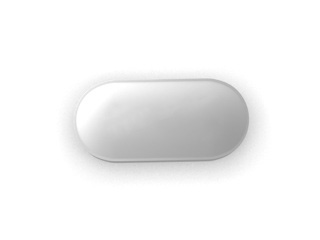
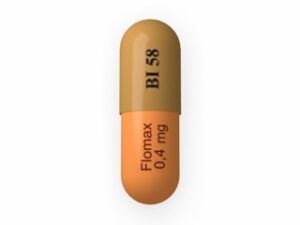
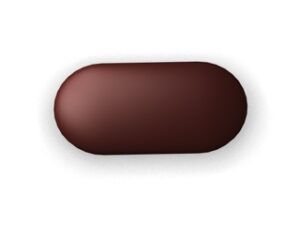
| Available forms (typical) | Modified-release tablets (varies by brand and strength) |
| How it is taken | Usually by mouth, once daily with food (for many modified-release brands) |
| How it helps | Improves urine flow and reduces blockage symptoms |
Brand names vary in Australia. Your pharmacist can confirm the exact strength and how your specific product should be taken.
What alfuzosin does (indications and typical use)
Indications (what it’s used for):
-
Benign prostatic hyperplasia (BPH): to treat symptoms such as:
- Difficulty starting urination (hesitancy)
- Weak urine stream
- Frequent urination, including at night (nocturia)
- Urgency and a feeling of incomplete emptying
- Dribbling after urination
- Symptom relief: alfuzosin helps the bladder and prostate outlet work more smoothly, but it does not cure BPH or shrink the prostate in the same way as some other medicines.
Who it’s for: Alfuzosin is generally for men with bothersome urinary symptoms due to BPH. It may be offered when symptoms affect quality of life and the doctor believes an alpha-blocker is appropriate.
Important: Urinary symptoms can also occur with other conditions (e.g., urinary infection, bladder problems, or prostate cancer). If you have new or worsening symptoms, pain, blood in urine, fever, or inability to pass urine, seek urgent medical attention.
How alfuzosin works (mechanism of action)
Alfuzosin belongs to a class of medicines known as alpha-1 adrenergic receptor blockers. In the prostate and the bladder neck, alpha-1 receptors help maintain muscle tone. In BPH, this tone contributes to narrowed outflow and difficulty passing urine.
Alfuzosin works by:
- Blocking alpha-1 receptors in the prostate and bladder neck
- Relaxing smooth muscle at the outlet
- Reducing resistance to urine flow
- Improving symptoms and urinary flow
The result is typically improved urination and reduced symptoms related to obstruction. Many people notice changes within days, while the full benefit may take longer.
Pharmacokinetics (how the body handles it)
Pharmacokinetics describes how the body absorbs, distributes, metabolises, and eliminates a medicine. While exact values can vary by individual and formulation, key points for alfuzosin include:
- Absorption: Alfuzosin is absorbed from the gastrointestinal tract. For modified-release formulations, taking the tablet with food improves absorption consistency.
- Modified release: Many alfuzosin brands in BPH therapy use modified-release tablets designed to release the medicine gradually over the day.
- Metabolism: Alfuzosin is metabolised primarily in the liver. This means liver health can affect drug levels.
- Elimination: Metabolites are eliminated largely via the gut and kidneys (through different pathways).
- Time to effect: Clinical improvement may begin soon after starting, but symptoms may continue to improve over the first few weeks.
Your dosing schedule and formulation matter. Follow the instructions on your specific product packaging.
When to take alfuzosin (timing and missed doses)
Typical timing: For many modified-release alfuzosin tablets, the usual routine is: take once daily and take it with food to support absorption. Your pharmacist or doctor can confirm the exact schedule for your brand and strength.
- Take at the same time each day to maintain steady effect.
- Take with food (unless your clinician advises otherwise for your situation). Some alfuzosin formulations require food to reduce peak-related side effects.
- Do not crush or split modified-release tablets. Swallow whole to preserve the release pattern.
If you miss a dose:
- Take it when you remember if it is close to your usual time.
- If it is nearly time for the next dose, skip the missed dose and continue as normal.
- Do not double up to make up for a missed tablet.
Food interactions and what to expect
Food can significantly influence the absorption of alfuzosin, especially with modified-release products. Many formulations are designed to be taken with a meal.
Practical guidance:
- Take your dose after or with food as directed. If you routinely have breakfast and dinner, choose a consistent timing that includes food.
- Avoid taking alfuzosin on an empty stomach unless your prescriber has specifically instructed otherwise for your product.
- If you experience dizziness, faintness, or light-headedness soon after dosing, discuss with a healthcare professional. They may advise adjusting meal timing or reviewing interacting medicines.
Alcohol and medicine interactions
Combining alfuzosin with alcohol may increase the risk of dizziness or low blood pressure, especially during the initial days of therapy or after dose changes. Alcohol can also worsen dehydration and contribute to postural symptoms.
Safety guidance:
- Limit alcohol and avoid binge drinking.
- Be cautious when standing up quickly after drinking alcohol.
- If you feel faint, sit or lie down and seek medical advice if symptoms persist.
Medicine interactions (common and important):
- Other blood pressure medicines (antihypertensives): may increase the likelihood of low blood pressure.
- Other alpha-blockers: combining may increase side effects such as dizziness.
- PDE5 inhibitors (e.g., sildenafil, tadalafil, vardenafil): can also lower blood pressure. Combination should be managed carefully by a clinician, including attention to timing.
- Medicines that affect liver metabolism (CYP3A4 inhibitors): can raise alfuzosin levels, increasing risk of side effects. Examples include some antifungals and antibiotics.
- Nitrates (used for angina): can also reduce blood pressure; combination may be unsafe.
Always tell your pharmacist or doctor about all medicines you take, including: prescription medicines, over-the-counter products, herbal supplements, and vitamins.
How dosing is usually done in practice (typical dosing)
Dosing should be individualised based on your product strength, age, overall health, and other medicines. The exact regimen depends on the formulation you receive in Australia (commonly modified-release tablets).
Typical adult dosing for BPH (general guidance):
- Many modified-release alfuzosin products are taken once daily. A common approach is 10 mg once daily with food (brand- and formulation-dependent).
Renal and liver considerations:
- Liver impairment can increase alfuzosin exposure; some individuals may not be suitable for certain doses.
- Kidney impairment can affect how medicines are handled. Your clinician will consider your test results.
Follow your specific pack instructions or clinician directions exactly. Do not change dose without medical advice.
Safety profile and side effects
Most people tolerate alfuzosin well, but side effects can occur. Because alfuzosin relaxes blood vessel muscles in some people, it can lower blood pressure and affect dizziness—especially when starting therapy.
Common side effects (may affect some people):
- Dizziness or light-headedness
- Fatigue
- Headache
- Nausea or stomach discomfort
- Low blood pressure symptoms, particularly on standing
Less common but important side effects:
- Fainting (syncope)
- Fast heartbeat or palpitations
- Allergic reactions (rash, itching, swelling)
- Severe dizziness or weakness
Seek urgent help if you have:
- Fainting or near-fainting that does not settle
- Chest pain, severe shortness of breath, or signs of an allergic reaction
- Sudden inability to urinate
Practical use tips for best results
- Take with food as directed by your product instructions. If you take it without food, absorption and side-effect risk may change.
- Stand up slowly for the first days of treatment (and after dose changes). Dizziness is more likely during this period.
- Hydration matters: drink enough fluids unless your doctor has restricted fluids. Balanced hydration can reduce urinary discomfort, but avoid excessive intake late at night if nocturia is a problem.
- Review other medicines: talk to your pharmacist about interactions, especially blood pressure medicines, erectile dysfunction medicines, nitrates, and certain antibiotics/antifungals.
- Track symptom changes: keep a simple note of urinary frequency, urgency, and night-time waking. This can help you and your clinician assess benefit over time.
- Do not stop suddenly without advice: if alfuzosin is working for you, stopping may lead to worsening urinary symptoms.
Alternative options for BPH symptoms
If alfuzosin is not suitable or not effective enough, there are other medication options for BPH symptom control. The best choice depends on your symptoms, prostate size, blood pressure, and overall health.
Common alternatives include:
-
Other alpha-blockers
- Examples: tamsulosin, doxazosin, terazosin (varies by suitability and side-effect profile).
- Some may be more convenient for certain people; interactions and dosing schedules differ.
-
5-alpha reductase inhibitors
- Examples: finasteride, dutasteride.
- These can reduce prostate size over time and may be considered for larger prostates, but benefit may take months.
-
Combination therapy
- In some men, combining an alpha-blocker with a prostate-shrinking medicine may provide better symptom relief.
-
Non-medicine options
- Urologist assessment and procedures may be considered for severe symptoms, complications, or inadequate response.
Ask your healthcare provider which alternatives are appropriate for you—especially if you have low blood pressure, are taking other medicines that affect blood pressure, or have liver impairment.
Market and legal context in Australia (overview)
In Australia, medicines are regulated under the Therapeutic Goods Administration (TGA) framework. Alfuzosin is a prescription medicine and is supplied in accordance with Australian pharmacy requirements. Availability may be influenced by brand, strength, and supply chain conditions.
Online pharmacy services operate within Australian legal and quality standards, including:
- Verification of product identity and strength
- Traceability and storage in appropriate conditions
- Customer verification processes as required
- Clear packaging and dosing instructions
Always use genuine products from reputable pharmacies and check that the medication matches the label provided.
Recent guidance and safety considerations (current best practice)
While guidance can evolve, key safety themes for alfuzosin remain consistent in medical practice:
- Orthostatic symptoms: dizziness and faintness may occur due to blood pressure effects, particularly at treatment initiation and dose adjustments.
- Interaction awareness: careful review of medicines that can raise alfuzosin levels or further lower blood pressure.
- Cataract surgery consideration: alpha-1 blockers have been associated with a complication during cataract surgery (commonly referred to as “intraoperative floppy iris syndrome”). Patients should inform their eye surgeon if they use—or have used—alfuzosin.
If you’re planning cataract surgery or have an upcoming procedure, make sure your clinician and surgeon are aware of your alfuzosin use.
Delivery and availability (Australia)
Availability depends on the specific brand and strength. Many alfuzosin modified-release tablets are routinely stocked through Australian supply networks. Online pharmacies may offer:
- In-stock dispatch for common strengths
- Substitution policies where allowed and appropriate (e.g., different brands with the same active ingredient and strength)
- Tracking and secure packaging to protect tablets from damage
Typical delivery times vary by location. At checkout, your online pharmacy can display estimated delivery ranges and any relevant shipping information.
Store tablets according to the label (usually at room temperature, protected from moisture and heat) and keep out of reach of children.
FAQ — Alfuzosin (BPH) frequently asked questions
How long does alfuzosin take to work?
Some people notice improvement in urinary flow within days. For others, symptom relief may develop over a few weeks. If symptoms are not improving after a reasonable time, consult your healthcare professional to review diagnosis, dosing, and possible interactions.
Should I take alfuzosin every day?
Alfuzosin is typically taken daily to maintain symptom control. Do not stop unless advised by your clinician. If you miss doses often, benefits may be reduced and symptoms may return.
Can alfuzosin be taken on an empty stomach?
Many alfuzosin modified-release products are intended to be taken with food. Taking without food may alter absorption and increase the chance of dizziness in some people. Follow your product instructions or clinician advice.
What should I do if I feel dizzy after taking alfuzosin?
Sit or lie down immediately. Avoid driving or climbing stairs until you feel steady. Dizziness can be more common at the start of therapy or when standing quickly. If dizziness is severe, frequent, or you faint, seek medical advice promptly.
Is it safe to drink alcohol while taking alfuzosin?
Alcohol can increase dizziness and low blood pressure risk. If you choose to drink, keep it moderate and avoid rapid postural changes. If you consistently feel light-headed, it may be best to avoid alcohol and discuss options with your clinician.
What medicines interact with alfuzosin?
Important interaction groups include: other blood pressure medicines, other alpha-blockers, some antifungals/antibiotics that affect liver enzymes, PDE5 inhibitors, and nitrates. Always tell your pharmacist about all medicines and supplements you take.
Does alfuzosin affect erections?
Alfuzosin primarily targets urinary symptoms and does not typically work directly on erections. However, any medication can affect overall wellbeing and blood pressure, which may influence sexual function in some individuals. If you notice troubling changes, discuss them with a healthcare professional.
Will alfuzosin shrink the prostate?
Alfuzosin mainly relaxes the prostate/bladder neck to improve urine flow. It does not usually shrink prostate size. Medicines such as finasteride or dutasteride are more associated with prostate shrinkage (for selected patients).
What if I need cataract surgery?
Alpha-1 blockers have been linked to complications during cataract surgery. Inform your eye surgeon that you take—or have taken—alfuzosin. Your surgeon can take precautionary steps.
When should I seek urgent care?
Seek urgent help if you faint, have severe allergic symptoms (swelling, difficulty breathing, widespread rash), chest pain, severe breathlessness, or you cannot urinate.
Summary
Alfuzosin is an alpha-1 blocker medicine used in men to relieve urinary symptoms caused by benign prostatic hyperplasia (BPH). By relaxing muscles in the prostate and bladder neck, it can improve urine flow and reduce symptoms such as hesitancy and night-time urination. It is commonly taken once daily with food (for modified-release products) to support consistent absorption and reduce side effects.
- Expect symptom improvement over days to weeks.
- Take with food and swallow tablets whole.
- Use caution with dizziness and rising from sitting/lying positions.
- Discuss interactions, especially with blood pressure medicines and erectile dysfunction medicines.
- Inform your eye surgeon if you take alfuzosin before cataract surgery.
If you want, share your alfuzosin brand name and strength (as shown on the pack) and your current medicines, and a pharmacist can help you check timing and interaction considerations.