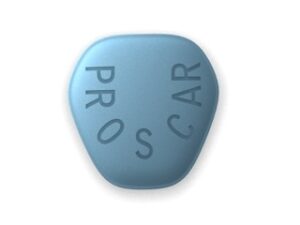
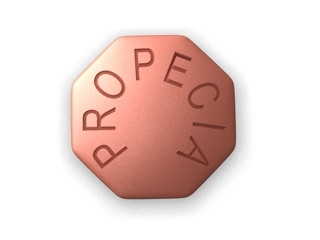
Propecia® (Finasteride) – Patient Information (Australia)
Propecia is a brand of finasteride, a medicine used mainly to treat hair loss in men. It works by reducing the activity of 5‑alpha reductase, an enzyme involved in the conversion of testosterone to dihydrotestosterone (DHT). Lowering DHT can slow hair loss and, for some people, support hair regrowth.
This page is written to help you understand how Propecia works, how it is used, what to expect, and key safety considerations. Always follow the instructions provided with your medicine and consult a healthcare professional if you have questions—especially if you have other medical conditions or take other medicines.
Quick overview
- Active ingredient: Finasteride
- Brand name: Propecia®
- Common strengths (depending on product/region): 1 mg tablets
- Main use: Male pattern hair loss (androgenetic alopecia) in men
- How it works: Lowers DHT levels in the scalp
- Typical timeframe to judge effect: 3–6 months; best results often after 12 months
What is Propecia and what is it used for?
Propecia (finasteride) is used to treat androgenetic alopecia—commonly called male pattern hair loss. It can help reduce further hair thinning and may increase hair growth in some men. Effects are not immediate and require consistent use.
Important: Propecia is generally intended for men. The medicine can cause harm to an unborn baby if pregnancy occurs.
Indications (when it may be recommended)
- Male pattern hair loss: To slow hair loss and promote regrowth in eligible men.
How Propecia works (mechanism of action)
Finasteride is a 5‑alpha reductase inhibitor. In the body, testosterone is converted into DHT by the enzyme 5‑alpha reductase. DHT contributes to hair follicle miniaturisation in genetically susceptible individuals.
By inhibiting this conversion, finasteride helps lower DHT levels, which can:
- reduce follicle shrinkage (miniaturisation)
- support a longer hair growth phase
- reduce the progression of hair thinning for many users
Pharmacokinetics (how the body handles finasteride)
Pharmacokinetics describes how the medicine is absorbed, distributed, metabolised, and eliminated. Understanding these basics helps explain why regular daily dosing is important.
- Absorption: Finasteride is absorbed after oral administration.
- Bioavailability: It reaches effective levels systemically to exert its DHT-lowering effect.
- Distribution: Finasteride distributes into tissues, including areas relevant to hair follicles.
- Metabolism: It is primarily metabolised in the liver.
- Elimination: It is eliminated from the body mainly via metabolic pathways.
- Half-life: Finasteride has a relatively long elimination half-life, supporting once-daily dosing.
Because finasteride’s effect depends on sustained reduction of DHT, stopping treatment usually leads to a gradual return toward baseline DHT levels. Hair benefits—if present—may diminish over time after discontinuation.
Typical dosing (for male pattern hair loss)
For Propecia used for male pattern hair loss, the usual dosing is:
| Condition | Typical dose | How to take | How long to try |
|---|---|---|---|
| Male pattern hair loss | 1 mg once daily | Swallow the tablet with water; same time each day can help adherence | Assess at ~3–6 months; best evaluation often at 12 months |
If you miss a dose
If you miss a dose, take it when you remember if it is close to the usual time. If it is nearly time for the next dose, skip the missed tablet and continue as normal. Do not take an extra dose to make up for the missed one.
Duration of use
Hair growth cycles are slow. Many users notice reduced shedding first; visible changes (if they occur) typically require months. If you stop taking finasteride, benefits generally fade gradually.
Timing: when to take Propecia
Propecia can be taken once daily at any time of day. Many people choose a routine time (morning or evening) to improve consistency. If you experience stomach upset (uncommon), taking it with food may feel more comfortable.
Consistency matters more than exact timing; the long-acting nature of finasteride supports daily use.
Food interactions
Finasteride is generally well tolerated with or without food. No major food restrictions are typically required. If your stomach is sensitive, consider taking it with a meal.
What to avoid with meals
- There are no specific foods universally contraindicated with finasteride.
- If you take other medicines, follow each product’s guidance about food interactions.
Alcohol and medicine interactions
Alcohol: Moderate alcohol intake is not known to have a specific direct interaction with finasteride. However, alcohol can worsen side effects such as dizziness or fatigue in some people, and heavy alcohol use may affect liver health, which is relevant because finasteride is metabolised in the liver.
Medicines: Always provide a complete list of your medicines and supplements to your healthcare professional or pharmacist. Some medicines may affect liver enzymes or influence hormonal pathways. While significant interactions are not common, it’s important to check:
- hormone-related medicines
- medicines that affect liver metabolism (including certain enzyme inducers/inhibitors)
- other hair-loss or skin medicines you are using simultaneously
If you start a new medicine after beginning Propecia, ask whether it changes finasteride levels or side effects.
Safety profile and potential side effects
Like all medicines, Propecia can cause side effects. Many people experience none or only mild effects. If you develop concerning symptoms, stop and seek medical advice promptly.
Commonly reported side effects (may occur in some users)
- Sexual side effects (e.g., decreased libido, erectile dysfunction, changes in ejaculatory volume)
- Breast tenderness or enlargement (rare but important)
- Rash or itching (uncommon)
Less common but important warnings
- Mood changes have been reported (seek advice if you feel depressed or notice significant mood changes).
- Allergic reactions (rare): swelling of face/lips, difficulty breathing, severe rash.
- Lump in the breast or persistent breast symptoms: seek medical attention.
Men’s health notes (very important for ongoing monitoring)
- Prostate-specific antigen (PSA): Finasteride can lower PSA values. If you are being monitored for prostate health, inform your clinician so PSA interpretation can be adjusted appropriately.
- Reproductive considerations: If you are trying to conceive, discuss benefits/risks with your healthcare professional. (General guidance varies; personalised medical advice is best.)
- Pregnancy exposure risk: Women who are pregnant or may become pregnant should not handle crushed or broken tablets. Tablets can be absorbed through the skin and may cause harm to an unborn male fetus.
Practical use tips (to get the best chance of benefit)
- Take it daily: Propecia works through ongoing DHT reduction.
- Be patient: Hair changes take time—expect at least 3–6 months before judging effectiveness.
- Use consistent photos: Take progress photos every 4–6 weeks under similar lighting to monitor changes.
- Track side effects: If sexual side effects or breast symptoms occur, stop and seek advice promptly.
- Don’t double-dose: If you miss a tablet, continue your usual next dose.
- Consider scalp care: Gentle hair care and avoiding traction may support overall hair health, though it won’t replace finasteride’s effect.
Missed expectations: what to know about results
Results vary. Some men experience stabilisation of hair loss; others see regrowth. If you don’t see benefit by about 12 months, discuss whether continued treatment is appropriate. Stopping often leads to gradual loss of the benefits.
Propecia is not a “quick fix.” Hair follicles respond over time, and consistent use is key.
Alternative options for male pattern hair loss
If Propecia isn’t suitable or you prefer other approaches, several options may be considered with clinical guidance:
Medication options
- Minoxidil (topical or oral where appropriate): supports hair growth but acts differently from finasteride.
- Other hormonal approaches: sometimes used off-label depending on individual circumstances and local guidance.
Non-medicine options
- Low-level laser therapy (where available): may help some people as an adjunct.
- Microneedling or scalp therapies: can be adjunctive in some regimens.
- Hair transplant surgery: for selected patients, especially advanced hair loss.
Many people use a combination strategy under professional advice (for example, finasteride plus minoxidil), depending on their pattern of hair loss and tolerance.
Market and legal context in Australia (high-level)
In Australia, availability and the way medicines can be supplied is regulated under the Therapeutic Goods Administration (TGA) and national scheduling requirements. Finasteride products are typically supplied under appropriate regulatory controls. Pharmacies and authorised online suppliers follow Australian medicines legislation regarding identification, supply criteria, and product authenticity.
A reliable supplier should provide clear information about:
- product identification (brand and active ingredient)
- strength and dosage form
- storage requirements
- customer support and safety information
Recent guidance and monitoring considerations
Guidance for finasteride commonly emphasises:
- patient selection (men with androgenetic alopecia)
- informed consent about potential sexual side effects and breast-related symptoms
- ongoing monitoring for symptoms and relevant health markers (including PSA interpretation where applicable)
- pregnancy prevention measures (no handling of broken/crushed tablets by pregnant people)
Because recommendations can be updated as new evidence emerges, it’s wise to review the current information from reputable clinical sources or ask your pharmacist about the latest advice.
Delivery and availability (what to expect from an online pharmacy)
When ordering Propecia from an online pharmacy, you should expect:
- Secure ordering process with product verification
- Clear delivery estimates for Australian addresses
- Packaging and privacy measures for discreet delivery
- Customer support for questions about dosing and side effects
Delivery timelines vary by location and stock availability. Check the pharmacy’s website for shipping regions, courier services, and tracking options.
Storage
- Store at or below room temperature as directed on the pack.
- Keep tablets in the original packaging and out of reach of children.
- Do not use after the expiry date.
Frequently asked questions (FAQ)
Is Propecia only for men?
Propecia is generally used for male pattern hair loss. Because finasteride can harm an unborn male fetus, the medicine must be handled carefully—especially around pregnancy.
How long does it take to see results?
Many people start to notice reduced shedding after several months. Visible changes, if they happen, typically require 3–6 months, with the best assessment often around 12 months.
Can I stop Propecia if I want to?
You can stop, but benefits often fade over time as DHT levels return toward baseline. If you consider stopping, discuss it with a healthcare professional—particularly if you are using it as part of a broader hair-loss plan.
Will Propecia cure hair loss?
Propecia is designed to reduce hair loss progression and may help regrowth in some men. It usually does not “cure” hair loss permanently, and long-term use may be needed to maintain effects.
Can I take Propecia with other hair treatments (e.g., minoxidil)?
Some people use finasteride with other treatments such as minoxidil. Combination approaches may be appropriate for certain individuals, but it’s best to confirm a plan with a healthcare professional or pharmacist, especially if you have other conditions.
Does Propecia interact with alcohol?
Moderate alcohol intake is not known for a direct interaction with finasteride. However, heavy drinking or underlying liver problems may increase risks because finasteride is metabolised in the liver.
What medicine interactions should I watch for?
Many interactions are not common, but you should still provide a full list of medicines and supplements. Let your healthcare professional know about any liver-affecting medicines or hormone-related treatments.
What side effects are most important to know about?
Report promptly if you notice breast tenderness/enlargement, lumps in the breast, symptoms of an allergic reaction, or significant changes in mood or sexual function.
Does finasteride affect PSA (prostate blood test)?
Yes. Finasteride can lower PSA levels. If you undergo PSA testing, tell the clinician that you take finasteride so results can be interpreted appropriately.
Can women handle Propecia tablets?
If a person is pregnant or may become pregnant, they should not handle crushed or broken tablets. Intact tablets are usually safer, but follow local safety guidance on the pack and ask a pharmacist if unsure.
What should I do if I miss a day?
Take the next dose at the usual time. Do not take double doses to catch up.
When should I seek urgent medical help?
Seek urgent help for symptoms of a serious allergic reaction (e.g., swelling of face/lips, trouble breathing) or severe reactions. For persistent breast symptoms or troubling side effects, seek prompt medical advice.
Disclaimer
This information is provided to support understanding of Propecia (finasteride) and does not replace advice from a healthcare professional. If you have questions about your suitability for treatment, side effects, or drug interactions, speak with your pharmacist or doctor.