
Terramycin (Oxytetracycline) — Patient Information (Australia)
Terramycin® is a brand name that contains oxytetracycline, a member of the tetracycline antibiotic group. It is used to treat certain bacterial infections, most often when the infection is caused by bacteria that are susceptible to oxytetracycline.
This page explains how Terramycin works, when it may be used, important safety information, and practical tips to help you use it correctly. Always follow the directions provided with your product and any clinician advice.
Quick Facts
- Active ingredient: Oxytetracycline
- Drug class: Tetracycline antibiotic
- Common uses: Selected bacterial infections (varies by formulation and local product approvals)
- Key interactions: Dairy/calcium, antacids, iron, magnesium, zinc (reduce absorption)
- Important cautions: Not suitable for children in most cases; avoid in pregnancy unless specifically advised; photosensitivity risk
Basic Product Information
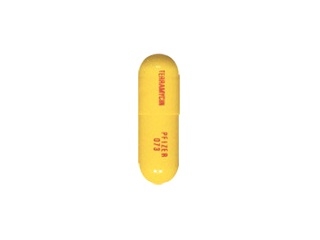
Terramycin is available in different formulations depending on the market and indication. In Australia, oxytetracycline products may include oral formulations and/or topical preparations (for example, eye or skin use) depending on the specific brand and registration status. Product availability can vary, and you should check the exact formulation supplied by your pharmacy.
Active ingredient: Oxytetracycline Antibiotic type: Broad-spectrum tetracycline antibiotic (activity depends on the bacteria involved) How it’s supplied: Tablets/capsules or creams/ointments, depending on product type
How Terramycin Works (Mechanism of Action)
Oxytetracycline works by interfering with how bacteria produce proteins. It binds to the bacterial ribosome and blocks the attachment of transfer RNA to the ribosome, which stops protein synthesis. Without protein production, bacteria can’t grow and multiply effectively.
- Primary action: Inhibits bacterial protein synthesis
- Effect on bacteria: Bacteriostatic (stops bacterial growth); the body’s immune system then helps clear the infection
Effectiveness depends on bacterial susceptibility. Using antibiotics appropriately helps reduce the risk of antibiotic resistance.
Pharmacokinetics (Absorption, Distribution, Metabolism, Excretion)
The way oxytetracycline behaves in the body varies somewhat by formulation. For oral oxytetracycline, key points include:
- Absorption: Moderate to good, but can be reduced by food and minerals (especially calcium, iron, magnesium, and aluminium).
- Distribution: Widely distributed in body tissues; tetracyclines can bind to tissues and body fluids.
- Bone and teeth binding: Tetracyclines can bind to calcium-rich tissues, which is why they can affect developing teeth and bones in children and during pregnancy.
- Metabolism: Limited metabolism; much of the drug is excreted unchanged.
- Excretion: Primarily through the kidneys (urine) and also via the gastrointestinal tract.
Because absorption can be reduced by certain foods and supplements, spacing doses from mineral-containing products is important.
Typical Uses and Indications
Oxytetracycline may be used for infections caused by susceptible bacteria. The exact indications depend on:
- The specific product formulation (oral vs topical)
- Local registration and approved indications in Australia
- The infection type and bacterial susceptibility
In general, tetracyclines have been used for certain bacterial infections such as:
- Some respiratory tract infections
- Some skin infections
- Some sexually transmitted bacterial infections (depending on susceptibility and local guidance)
- Some infections related to susceptible organisms where oxytetracycline is appropriate
Note: Not all bacterial infections are appropriate for oxytetracycline. Viruses (like the common cold or flu) will not improve with antibiotics.
Dosing Information (General Guidance)
Dosing depends on the infection being treated, severity, formulation strength, kidney function, and individual factors. For patient safety, always use the exact dose and schedule on your label.
Typical adult dosing patterns (varies by condition):
- Oral oxytetracycline is commonly taken in divided doses (often two to four times daily depending on the product and indication).
- For many bacterial infections, doses are adjusted to maintain effective drug levels.
If you are unsure, check your pharmacy packaging or ask your pharmacist for clarification. Do not change your dose or stop early without advice.
How to Take Terramycin (Timing and Administration)
- Try to take it at consistent times each day.
- Take with a full glass of water to reduce irritation risk.
- Stay upright for 30 minutes after taking oral tablets/capsules (to reduce the risk of oesophageal irritation).
- Complete the course even if you feel better, unless your prescriber or pharmacist advises otherwise.
Food Interactions and What to Eat/Drink
Food can influence the absorption of oxytetracycline. In general, the following products can reduce effectiveness by binding to tetracyclines or affecting absorption:
- Dairy products: milk, yoghurt, cheese, and calcium-fortified drinks
- Minerals: iron, magnesium, aluminium, zinc
- Antacids: products containing aluminium or magnesium
- Some supplements: multivitamins and mineral tablets may contain interacting minerals
Practical approach: Take your dose with water and avoid taking it at the same time as dairy, antacids, or mineral supplements.
A commonly used spacing strategy is to separate oxytetracycline from interacting foods/supplements by: 2 hours before or 4–6 hours after those products (depending on the specific item and your label instructions).
If you experience stomach upset, your pharmacist may advise taking the medicine with a small snack (if allowed by the specific product directions). Avoid large meals close to dosing unless directed.
Alcohol and Medicine Interactions
Alcohol
Alcohol may affect how antibiotics are tolerated and how your liver processes medicines. While moderate alcohol may not directly “cancel out” oxytetracycline in all cases, it can increase the risk of side effects such as:
- Nausea, dizziness, indigestion
- Worsening illness symptoms by affecting hydration and sleep
- Potential liver stress when alcohol is consumed frequently or heavily
For best tolerance and recovery, it’s generally recommended to limit or avoid alcohol while you’re taking antibiotics, especially if you notice stomach or liver-related side effects.
Common Medicine Interactions
Certain medicines may reduce oxytetracycline absorption or increase side effects. Tell your pharmacist or healthcare professional about all medicines you use, including over-the-counter products.
- Antacids (aluminium/magnesium-containing): reduce absorption
- Iron supplements and zinc: reduce absorption
- Calcium supplements or high-calcium drinks: reduce absorption
- Isotretinoin and other acne medicines: combined use may increase risk of increased pressure in the skull (rare; serious)
- Warfarin (blood thinner): some antibiotics can affect bleeding risk; close monitoring may be needed
- Oral contraceptives: antibiotics can occasionally reduce effectiveness in some situations; additional contraception may be advised depending on circumstances
- Retinoids and medicines associated with photosensitivity: may increase sun reaction risk
- Other antibiotics: may affect effectiveness depending on the combination
Your pharmacist can help check interactions for the exact product and your medicines list.
Safety Profile and Important Warnings
Who Should Be Cautious
- Pregnancy: Tetracyclines can affect developing teeth and bones in the foetus. Use in pregnancy is generally avoided unless specifically advised.
- Breastfeeding: Tetracyclines may pass into breast milk and can affect infant teeth/bone development. Seek professional advice.
- Children: Tetracyclines are generally not recommended for young children in most circumstances due to effects on teeth and growth. The exact age restrictions can differ by product and guidance.
- Kidney impairment: Your clinician may adjust dosing or monitor you more closely.
- Liver disease: Seek advice; risk of side effects may be higher.
- History of allergy: Do not use if you have previously had an allergy to tetracyclines.
Common Side Effects
- Nausea or upset stomach
- Diarrhoea
- Heartburn or reflux
- Headache
- Sensitivity to sunlight (photosensitivity)
Serious Side Effects (Seek Urgent Help)
Get urgent medical assistance if you experience signs of a severe reaction, such as:
- Allergic reaction: swelling of face/lips, difficulty breathing, widespread hives
- Severe watery or bloody diarrhoea (especially if persistent)
- Severe blistering rash or skin peeling
- Vision changes, severe headache, or persistent vomiting (rare complications involving intracranial pressure)
Photosensitivity Warning
Oxytetracycline can make your skin more sensitive to sunlight and UV light. To reduce risk:
- Avoid prolonged sun exposure
- Use sunscreen (broad-spectrum) and wear protective clothing
- Avoid sunbeds
Practical Use Tips (Maximise Effectiveness)
- Space interacting products: separate dairy, antacids, iron, magnesium, aluminium, and zinc by the recommended time window.
- Take with water: helps reduce irritation and supports proper absorption.
- Don’t skip doses: steady dosing improves bacterial eradication.
- Finish the course: stopping early increases the chance of relapse and resistance.
- Hydrate: helps with tolerance, especially if you experience mild gastrointestinal upset.
- Track your symptoms: if you don’t improve after a few days (or you worsen), contact your pharmacist or healthcare professional.
If you miss a dose, take it when you remember unless it is close to the next dose. Don’t take a double dose to make up for a missed one.
Delivery, Storage and Availability in Australia
Availability can vary depending on formulation and current regulatory status. Many oxytetracycline-containing medicines are supplied through registered pharmacies in Australia, with some products also available as topical preparations for specific indications.
Delivery
- Home delivery: Many Australian online pharmacies provide delivery via standard or express options (subject to product eligibility and local regulations).
- Packaging: Your order should arrive in protective packaging with clear label information.
- Timing: Delivery timeframes depend on location and courier service.
Storage
- Store in a cool, dry place.
- Keep in the original packaging.
- Keep out of reach of children.
- Check the label for temperature and moisture instructions.
For eye/skin products, storage may differ (for example, protecting from heat or following “discard after” timelines). Always follow the label.
Recent Guidance and Antimicrobial Stewardship
In Australia, antibiotic use is increasingly guided by antimicrobial stewardship principles—using the right antibiotic, for the right duration, in the right dose. This aims to reduce antibiotic resistance and ensure best outcomes.
Key themes commonly reinforced in modern guidance include:
- Only use antibiotics for confirmed or strongly suspected bacterial infections.
- Use susceptibility-informed choices where testing is available or recommended.
- Avoid unnecessary repeat courses and complete the prescribed timeframe.
- Review if there is no improvement. If symptoms do not improve, treatment may need reassessment.
Your pharmacist can help you understand what to expect during treatment and when to seek further advice.
Alternative Options
Alternatives depend on the infection and bacterial sensitivity. Depending on the diagnosis, options may include other antibiotic classes (such as macrolides, penicillins, cephalosporins, or others) or, for certain infections, non-antibiotic supportive care.
If oxytetracycline isn’t suitable (for example, due to allergy, intolerance, pregnancy/breastfeeding considerations, or interactions), your healthcare professional may consider:
- Other tetracyclines (where appropriate)
- Macrolides (for selected respiratory/skin infections)
- Penicillins or cephalosporins (where appropriate and not contraindicated)
- Targeted therapy after culture/susceptibility testing when available
Don’t switch antibiotics on your own—different antibiotics vary in dosing and effectiveness.
Market and Legal Context for Australia (General)
Medicines in Australia are regulated to ensure safety and quality. Whether a specific oxytetracycline product is available through standard pharmacy channels depends on the formulation, indication, and current scheduling/registration status.
Online pharmacy supply must comply with Australian laws and pharmacy standards, including requirements for product identity, quality, and appropriate patient information.
If you’re unsure about whether a particular Terramycin or oxytetracycline product is suitable for your needs, a pharmacist can help you confirm the right product and provide counselling on safe use.
Dose and Use Summary (Example Plan)
The exact schedule should follow your product label and clinician advice. The table below provides an illustrative framework focusing on timing and interactions.
| Consideration | Practical guidance | Why it matters |
|---|---|---|
| Dosing times | Take at consistent times each day. | Helps maintain effective antibiotic levels. |
| With food | Avoid taking with dairy or mineral-rich meals. | These can reduce absorption and effectiveness. |
| Mineral supplements | Separate by 2 hours before or 4–6 hours after (if applicable to your label). | Iron/calcium/magnesium can bind tetracyclines. |
| Antacids | Separate from antacids; check label directions. | Antacids containing aluminium/magnesium reduce absorption. |
| Upright time | Stay upright for 30 minutes after taking oral tablets/capsules. | Reduces irritation risk to the oesophagus. |
| Sun exposure | Avoid prolonged sunlight; use sunscreen and protective clothing. | Photosensitivity is a known side effect. |
FAQ: Terramycin (Oxytetracycline)
1. What is Terramycin used for?
Terramycin (oxytetracycline) is used to treat infections caused by susceptible bacteria. The exact indication depends on the formulation and local product approvals.
2. How quickly should I feel better?
Many bacterial infections begin improving within a few days of starting treatment. If symptoms are worsening or not improving after several days, contact your pharmacist or healthcare professional for review.
3. Can I take Terramycin with milk?
It’s best to avoid taking it with dairy because calcium can reduce absorption. Keep dairy and calcium-fortified drinks separate from your dose.
4. What should I do if I miss a dose?
Take it when you remember unless it’s close to the next dose. Don’t take two doses at once. If you’re unsure, ask your pharmacist.
5. Are there foods or supplements I must avoid?
Avoid or space away from products containing calcium, iron, magnesium, aluminium, and zinc, including antacids and mineral supplements. If you take a multivitamin, check whether it contains these minerals.
6. Is it safe to drink alcohol while taking Terramycin?
It’s generally recommended to limit or avoid alcohol while you’re on antibiotics to reduce side effects and support recovery. If you choose to drink, do so cautiously and avoid heavy intake.
7. Can Terramycin cause diarrhoea?
Yes. Mild diarrhoea can occur. Seek urgent medical help if diarrhoea is severe, persistent, or contains blood, or if you feel unwell with fever.
8. Can I use sunbeds or spend time in the sun?
Avoid sunbeds and prolonged sunlight. Oxytetracycline can cause photosensitivity, increasing the chance of sunburn and skin irritation.
9. Who should not use oxytetracycline?
People with a known allergy to tetracyclines should avoid it. Extra caution is needed in pregnancy, breastfeeding, and for children—use only if appropriate based on professional advice and product guidance.
10. What if I’m taking other medicines?
Tell your pharmacist about all medicines and supplements (including antacids, iron, and vitamins). Interactions can affect absorption or increase side effects. Your pharmacist can advise on spacing and suitability.
Remember: This information is general and may not cover every situation. If you have questions about your specific product, dosing schedule, or interactions, speak with your pharmacist. If symptoms become severe or you develop signs of an allergic reaction, seek urgent medical attention.